
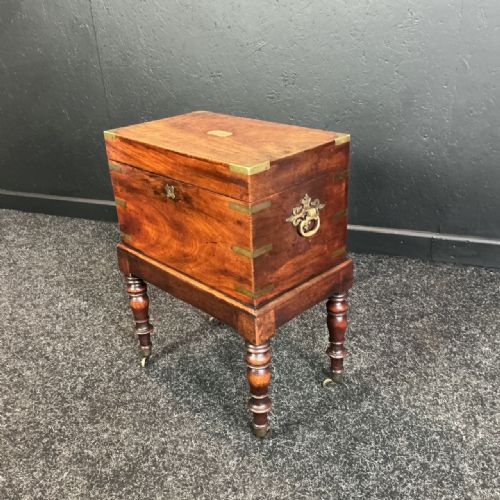
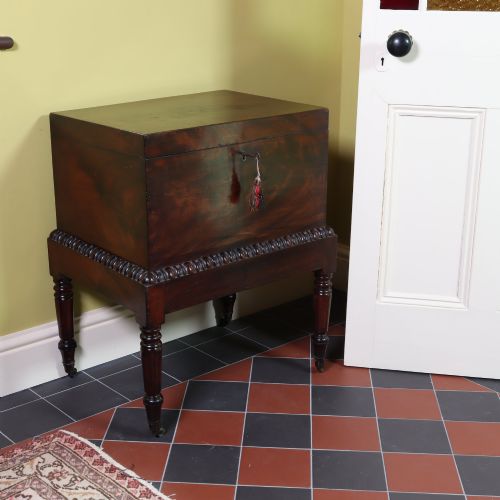


Georgian Wine Cabinet
A georgian wine cabinet is a sturdy timber chest designed to hold bottles securely at table, offering timeless utility for modern dining rooms.
Georgian Wine Cabinet
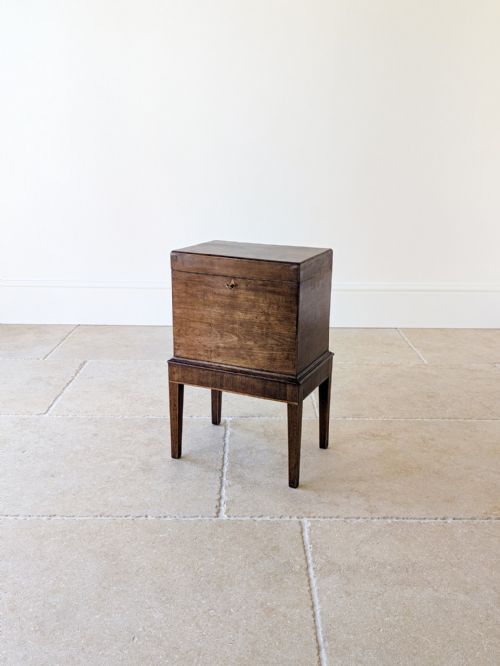
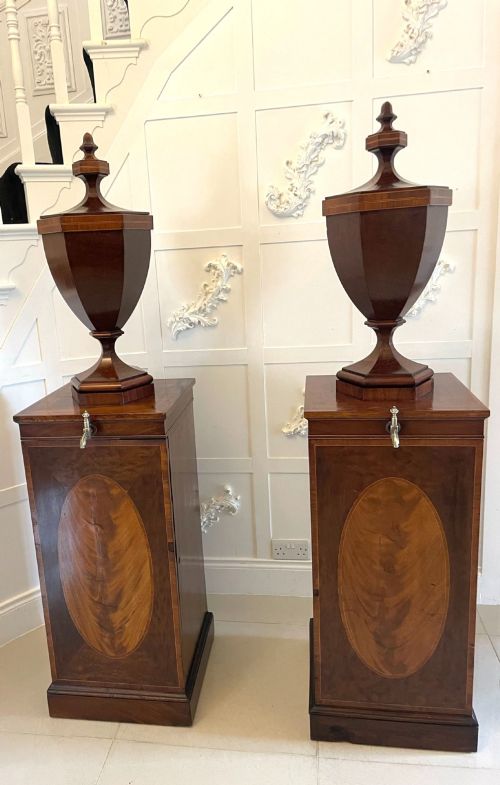
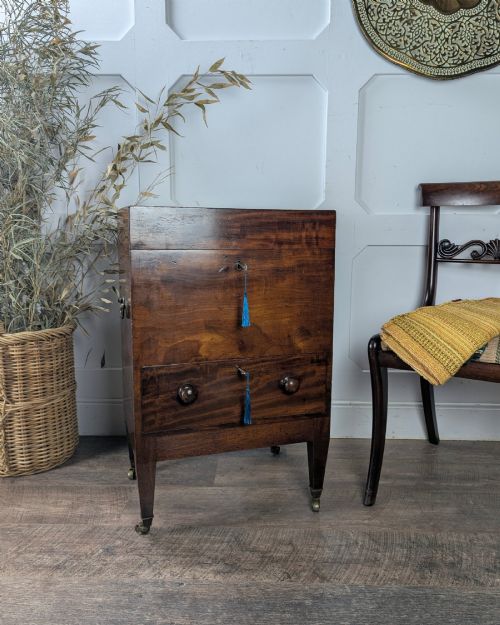
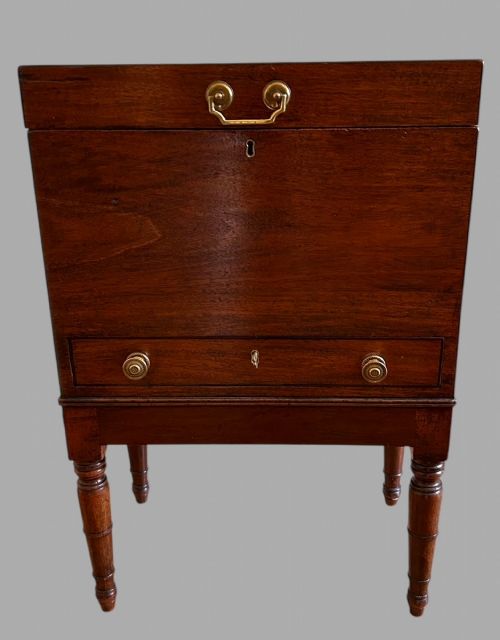
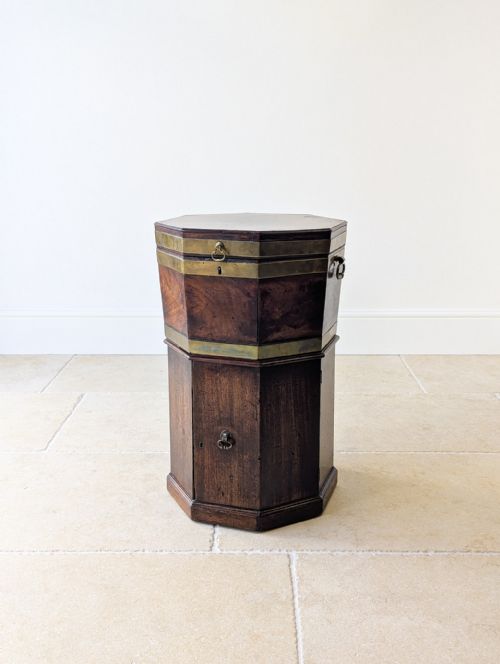
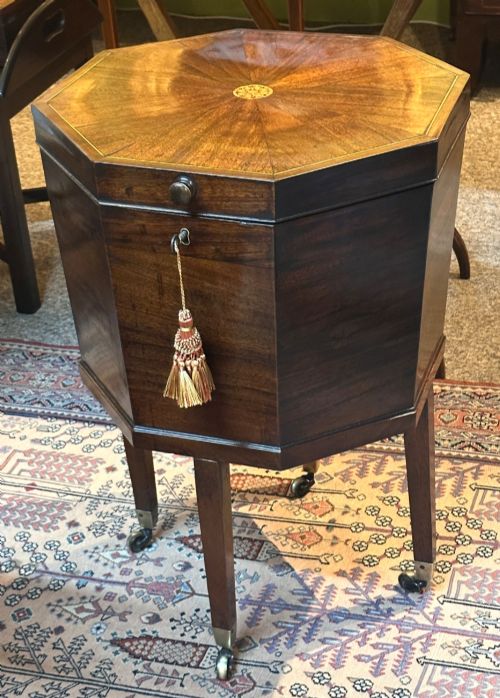
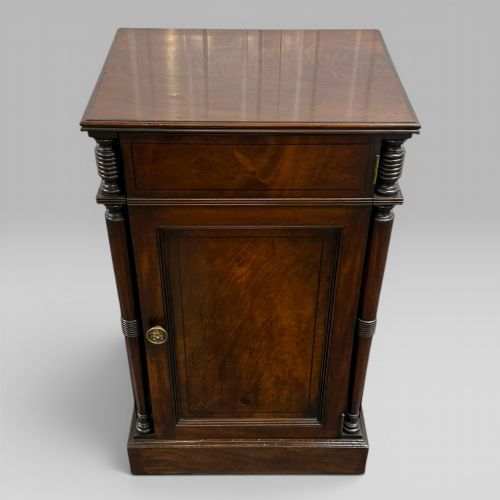
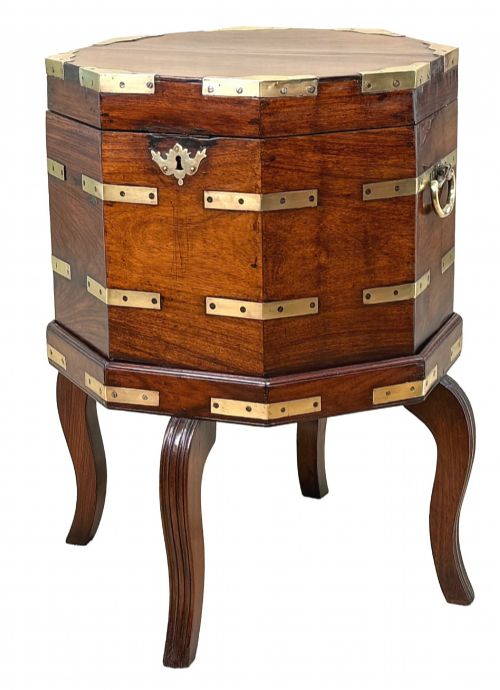
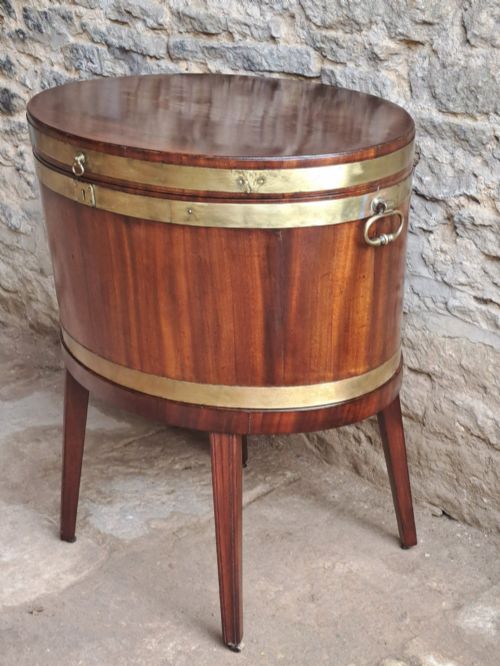
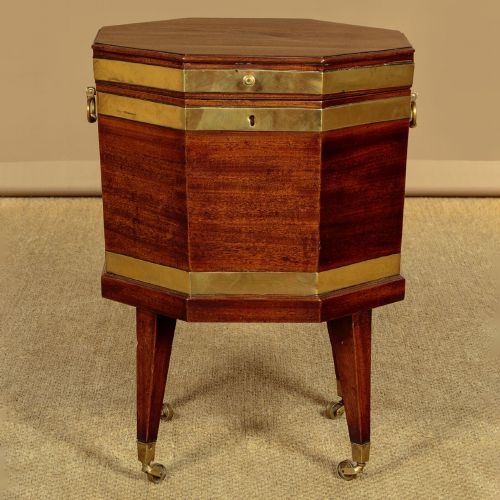
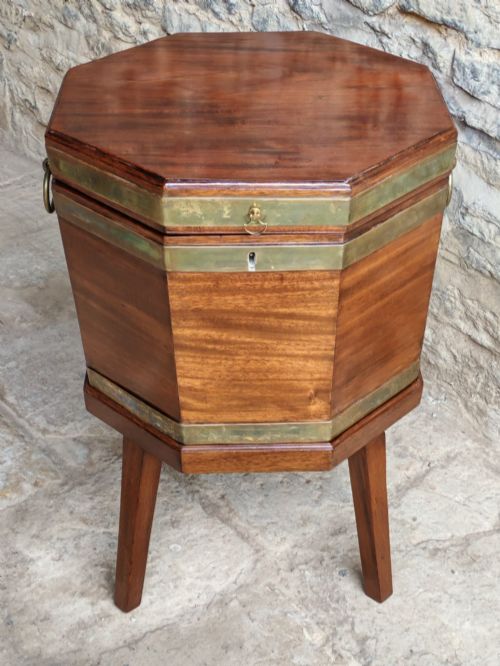
A georgian wine cabinet encompasses cellarettes, wine coolers, pedestals, and urns originating primarily from the Georgian, Regency, and 18th century periods. These pieces take various shapes, including octagonal, oval, and rectangular boxes, alongside metamorphic tables and pedestals designed to store vintage bottles safely.
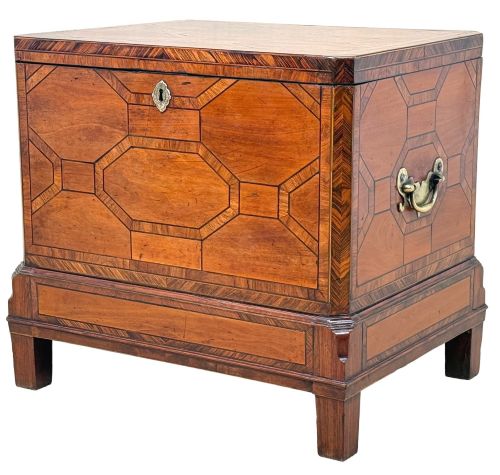
Mahogany forms the primary body of these items, frequently paired with flame veneers, brass banding, and delicate boxwood or satinwood inlay work. Makers also utilised walnut, rosewood, padouk, and pollard oak to construct these robust storage units.
Buyers meet variations ranging from plain mahogany boxes on stands to elaborate George III Neoclassical wine urns on original pedestal cupboards and Sheraton oval designs. Many examples sit low on short legs or original castors to allow easy movement around the dining floor.
Materials and Technique
Craftsmen built these cabinets predominantly using solid mahogany and figured flame mahogany, framing the timber with precise dovetail joints to withstand heavy wine loads. Interiors often featured lead linings or divided compartments designed to keep bottles cool and upright.
Decorative detailing relied heavily on contrasting veneers, including satinwood, kingwood, and boxwood inlay, alongside hand-cast brass mounts, lion mask handles, and secure brass binding. These metal bands reinforced the heavy wooden staves against moisture and splitting during use.
Some ingenious hunting day cellarettes were built robustly enough to survive bumpy carriage rides packed full of liquid refreshments.
Evaluating Craftsmanship
The distinction between standard examples and exceptional pieces rests upon the choice of timber and the fineness of the cabinetwork. Heavily figured flame mahogany, intricate boxwood stringing, and well-executed ormolu or brass mounts elevate a piece above simple utilitarian boxes.
Originality of internal lead linings, dividing partitions, and base stands or castors determines the integrity of the piece. Master workshops like Gillows imparted a distinct sculptural precision to their cellarettes, reflected in tighter joinery and more refined proportions.
Gillows·Gillingtons·Gillows of Lancaster and London
The Georgian Wine Cabinet Glossary
- Cellarette
- A lockable container or cabinet specifically designed to store bottles of wine and spirits safely beneath the dining room sideboard.
- Wine Cooler
- A low timber vessel, frequently lead-lined, intended to hold ice and water for chilling wine bottles during formal meals.
- Pedestal and Urn
- A matched pair of architectural furniture pieces where an urn sits atop a columnar cupboard, used for serving drinks and storing tableware.
- Brass Banding
- Thin strips of brass fitted around the perimeter of a wooden box to reinforce the construction and provide decorative contrast.
- Metamorphic Table
- A piece of furniture engineered to transform its shape or function, such as a table concealing a rising wine storage section.
Georgian Wine Cabinet: Frequently Asked Questions
What is a georgian wine cabinet?
A georgian wine cabinet is a specialised wooden storage chest or cooler built during the 18th and early 19th centuries to hold wine bottles safely near the dining table.
These pieces range from simple octagonal boxes with brass bands to elaborate pedestals and urns designed to keep vintage bottles organised and ready for service.
How were these cabinets used?
Servants placed these heavy timber boxes beside the dining table to store wine bottles and keep them chilled using ice-filled lead linings.
Many featured internal dividers to prevent glass bottles from striking one another while being moved or locked away securely between meals.
How do I date a cellarette?
Dating relies on observing the timber species, secondary woods, handling of brass mounts, and stylistic traits like neoclassical inlay or Regency curves.
Earlier George III pieces often display heavy brass banding and rich flame mahogany, while later 19th-century variants incorporate broader revival details.
How do I fit one into a modern home?
These cabinets make excellent side tables, low coffee table alternatives, or practical storage chests for contemporary dining rooms and living spaces.
Their robust timber construction and partitioned interiors allow them to function naturally as modern drinks holders or display surfaces.