
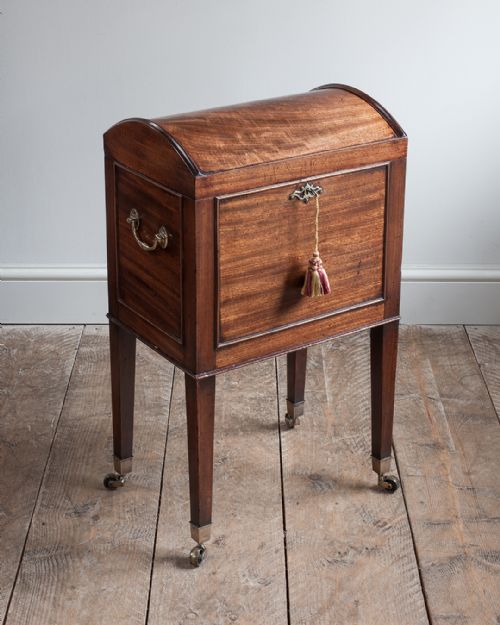


18th Century Wine Box
An 18th century wine box is a robust timber chest designed to keep bottles cool and secure in the dining room.
18th Century Wine Box
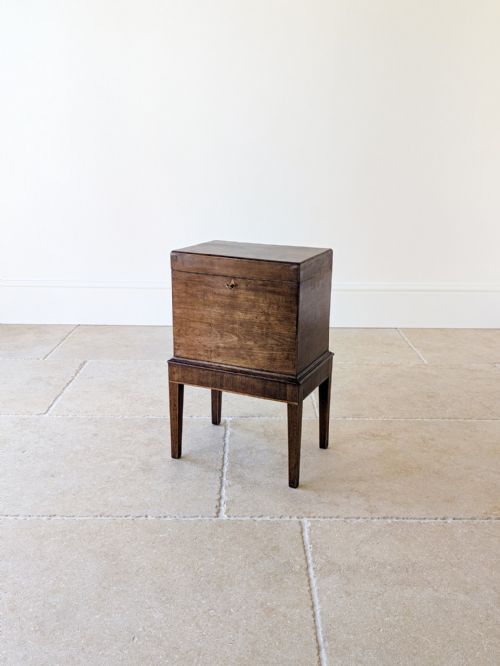
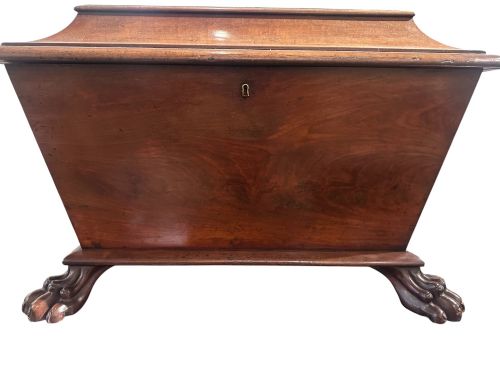
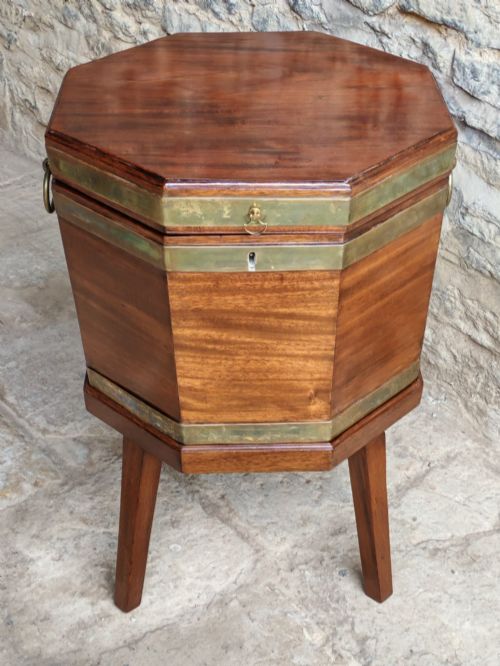
When you examine an 18th century wine box on this page, you meet pieces built during the Georgian era to house glass bottles near the dining table. Cellarettes and wine coolers form the majority of these listings, taking octagonal, oval, or rectangular shapes.
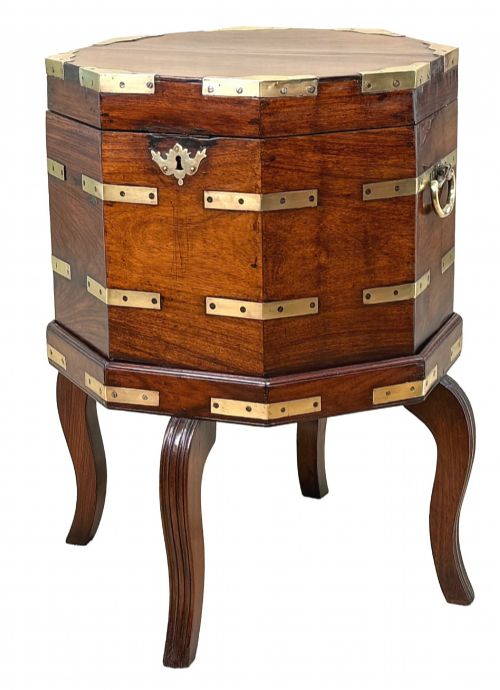
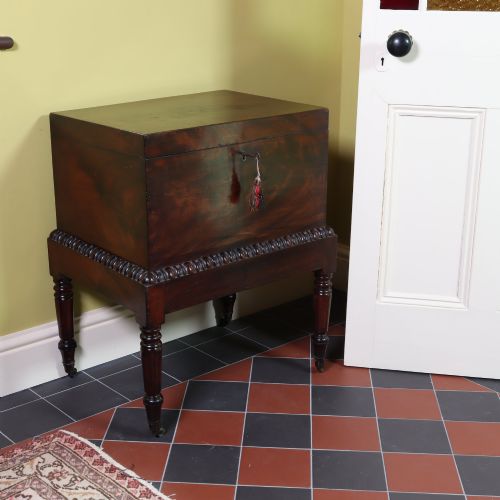
Makers fashioned these vessels in solid timbers like mahogany and pollard oak, often fitted with brass bands for strength during transport across the floor. Some examples stand upon original pedestals or tripod bases, while others sit directly on the ground.
The assortment includes smaller tabletop bottle carriers alongside large floor-standing chests. Each serves the fundamental domestic purpose of storing wine vintages close at hand for service.
How they were made
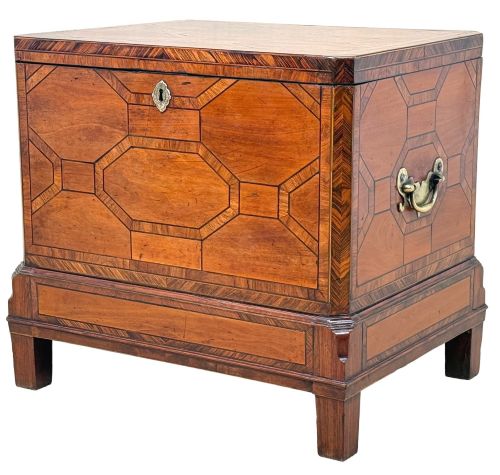
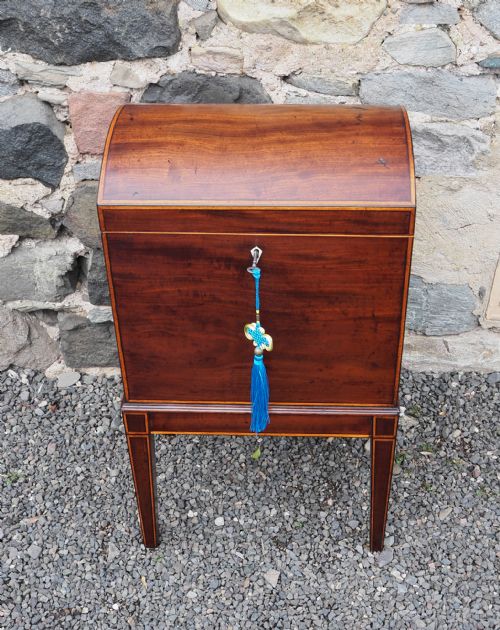
Cabinet makers relied heavily on mahogany as the primary structural timber, augmented by exotic veneers such as satinwood, kingwood, and padouk for decorative contrast. Boxwood inlay added crisp geometric lines to select panels during the George III period.
Metalwork played a critical functional role, with heavy brass bands securing the timber staves and stout carrying handles affixed to the sides. Interior divisions were built from timber to keep individual bottles separated and secure during storage.
Listings feature mahogany as the dominant timber, accompanied by padouk, pollard oak, satinwood, and kingwood across Georgian periods.
What varies in quality
The grade of timber selection and the crispness of inlaid details set finer examples apart from simpler utility boxes. Flame mahogany veneers and intricate boxwood stringing indicate a higher tier of workshop production.
Original stands and matching brass hardware elevate the status of a piece significantly. Patina developed through long use gives the wood a deep surface glow that distinguishes superior examples.
The 18th Century Wine Box Glossary
- Cellarette
- A lockable timber chest or box designed specifically for holding wine bottles inside the dining room. These vessels often feature fitted interior compartments and metal carrying handles.
- Wine cooler
- A large container used to chill wine bottles in ice or cold water during meals. Many 18th century examples share forms with cellarettes.
- Padouk
- A dense tropical hardwood with a rich reddish hue utilised by cabinet makers in colonial and Anglo-Indian workshops. Its durability made it suitable for heavy furniture construction.
- Pollard oak
- Timber taken from trees that were pollarded, resulting in a dense, mottled grain pattern prized for decorative cabinet work. It appears on select Georgian storage chests.
- Tripod-base
- A three-legged support structure used for certain tables and stands associated with serving wine. This format provides stability on uneven floors.
18th Century Wine Box: Frequently Asked Questions
What is an 18th century wine box used for?
These boxes served to store, transport, and chill wine bottles before they were poured at the dining table.
Inside, compartments kept glass vessels separated and secure while servants managed the service.
How do I tell a cellarette from a wine cooler?
The terms often overlap in period listings, but cellarettes typically focus on secure dry storage with locks.
Wine coolers frequently incorporate lead linings or interior sections designed to hold ice for chilling.
What woods were used for these boxes?
Mahogany forms the structural core for the vast majority of pieces found in this category, often in flame or figured varieties.
Cabinet makers also incorporated padouk, pollard oak, and decorative inlays of satinwood and boxwood.
Did these wine boxes come with stands?
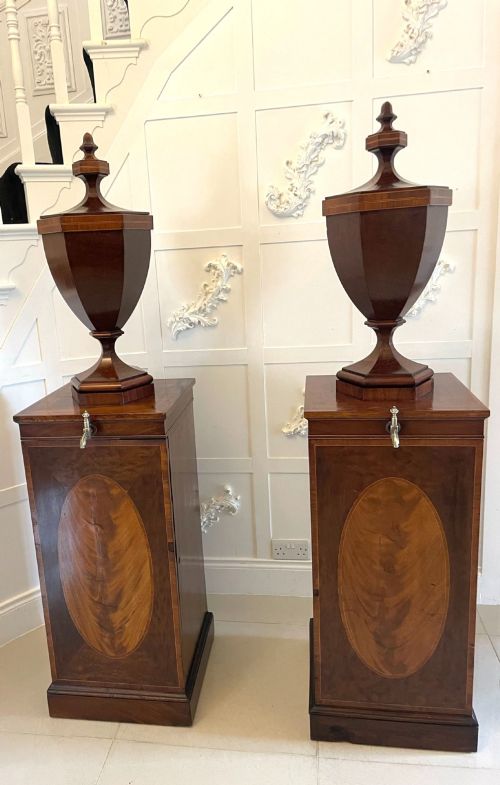
Certain larger wine coolers and urns were manufactured to sit upon dedicated pedestal cupboards or original wooden frames.
Others were built as standalone chests intended to rest directly upon the floor.
How do I fit a wine box into a modern room?
These timber chests function effectively as side tables or low storage units in living spaces and studies.
Their substantial construction allows them to hold books, magazines, or contemporary items while displaying the grain of the wood.