

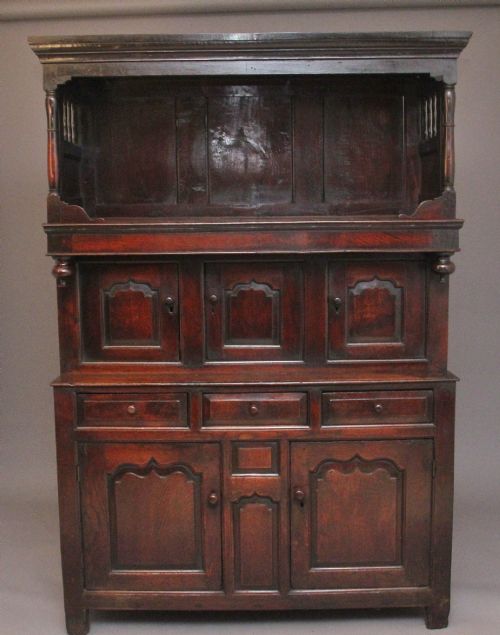
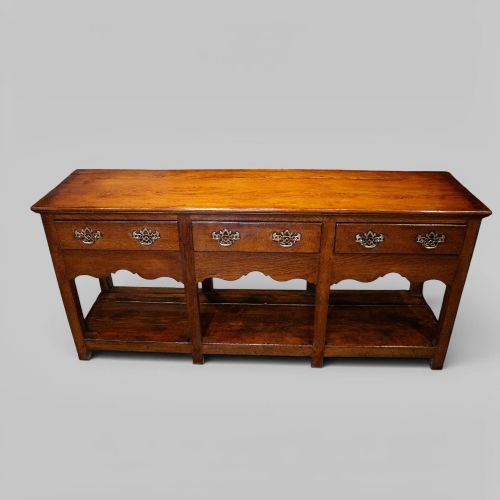

Georgian Welsh Dresser Base
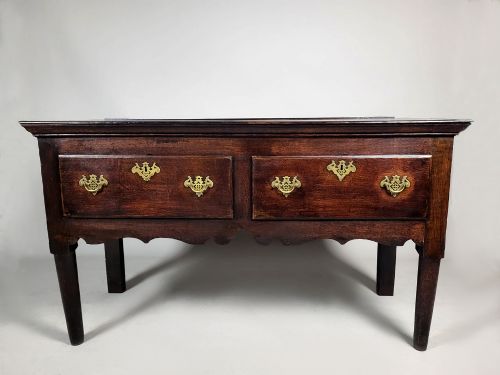
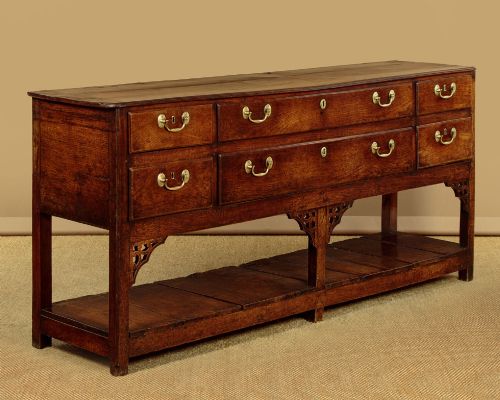
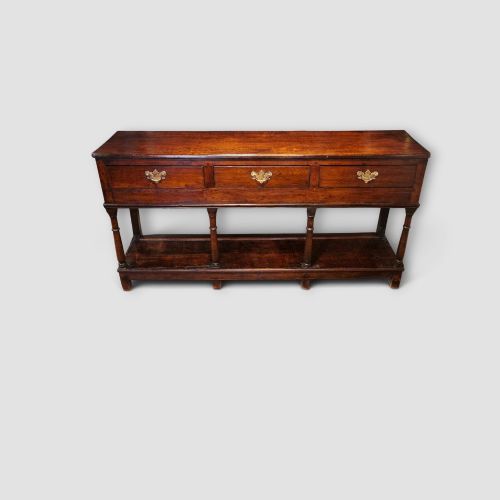
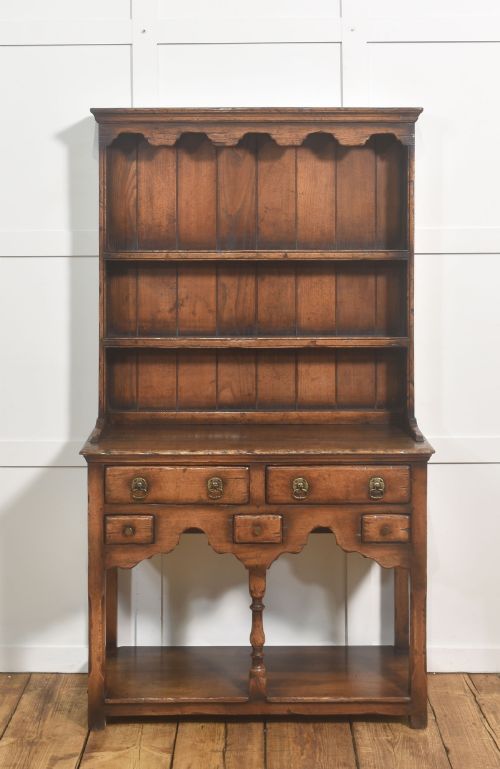
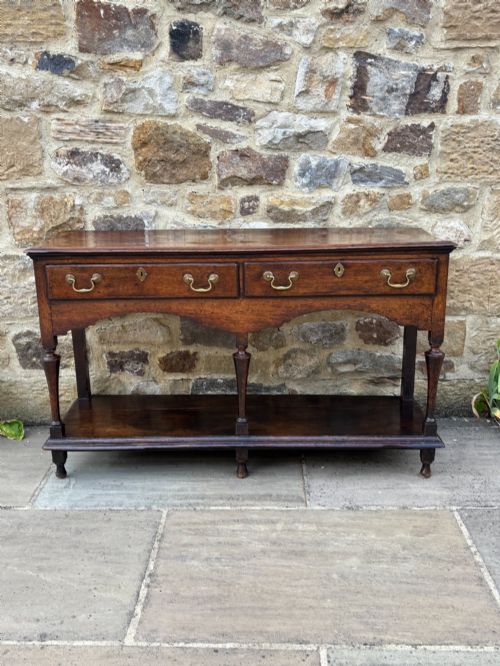
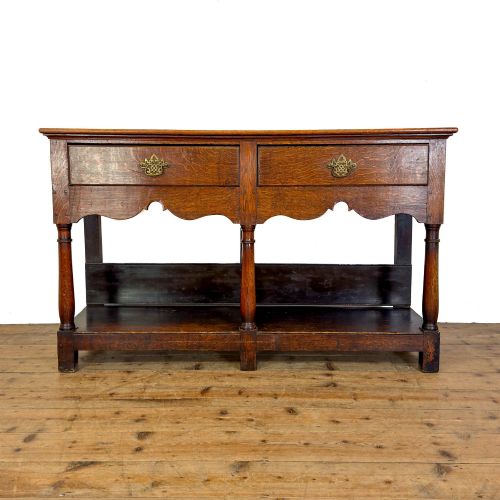
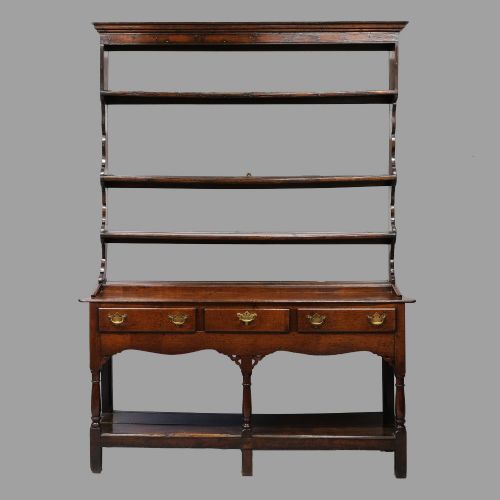
A georgian welsh dresser base provides robust country storage with an open potboard stage for display.
Georgian Welsh Dresser Base
A georgian welsh dresser base is a heavy utilitarian serving and storage unit rooted in eighteenth and nineteenth-century country carpentry.
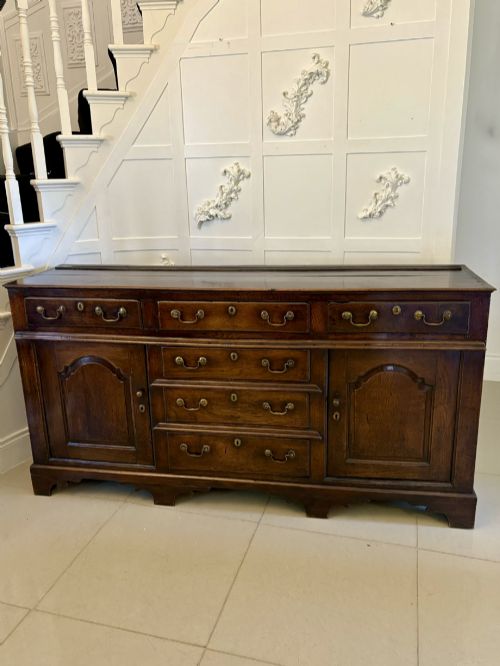
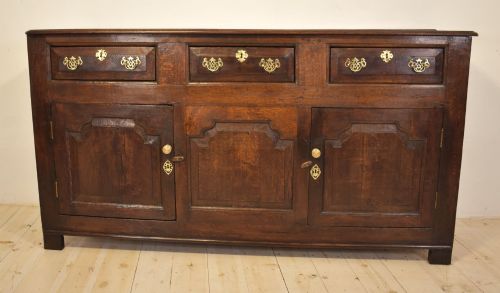
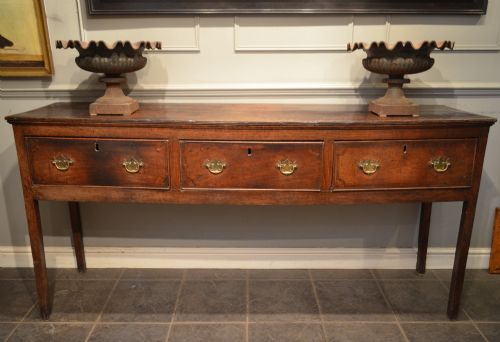
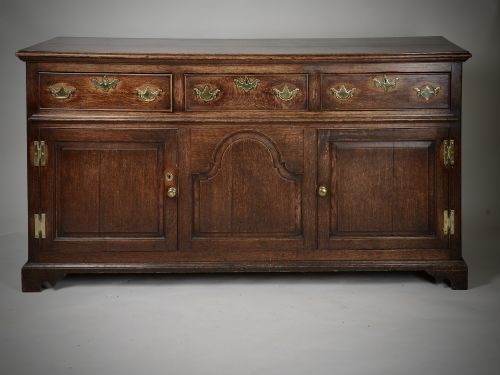
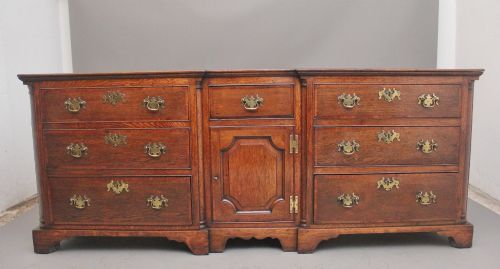
The pieces appearing on this page typically feature an arrangement of drawers above an open potboard shelf or lower cupboard enclosure.
Most examples originate from Welsh and English regional workshops, reflecting vernacular domestic traditions through practical surface layouts.
How They Were Made
Local joiners constructed these heavy frames primarily using solid oak, occasionally incorporating secondary timbers like pine, elm, and fruitwood for secondary framing or decorative inlay.
hardware details such as brass pulls, iron hinges, and sometimes bone escutcheons secured the doors and drawer fronts across the working surfaces.
Listings feature oak alongside elm, pine, and fruitwood inlay across eighteenth and nineteenth-century periods.
What Varies In Quality
The proportion of the base and the integrity of the timber framing separate standard utility pieces from finer regional specimens.
Original hardware, untouched patination on the oak surfaces, and sophisticated drawer configurations elevate certain examples above simpler vernacular builds.
The Georgian Welsh Dresser Base Glossary
- Potboard
- A lower open shelf built close to the floor for storing pots and heavy kitchen equipment. This platform defines the open base design seen on many regional country dressers.
- Tridarn
- A large three-tier Welsh storage piece incorporating upper and lower cupboards. It represents a more complex development beyond the standard open dresser base.
- Dog kennel
- A central recessed open space situated between banks of drawers or cupboards beneath the main counter. This vernacular feature appears in specific regional Welsh furniture designs.
- Escutcheon
- A protective plate surrounding a keyhole on a drawer or cupboard door. They are often cast from brass or shaped from bone.
- Vernacular
- Regional building traditions reflecting local materials and practical domestic needs rather than metropolitan academic designs. These pieces derive their character from provincial joinery methods.
Georgian Welsh Dresser Base: Frequently Asked Questions
How were these dressers used in period homes?
These pieces served as heavy work counters for food preparation and storage in farmhouse kitchens. The surface held ingredients while drawers kept utensils close to hand.
The lower potboard stage stored heavy iron pots, bowls, and earthenware dishes out of the way. Cupboards and spice drawers contained dry goods and household provisions.
How do I fit a dresser base into a modern interior?
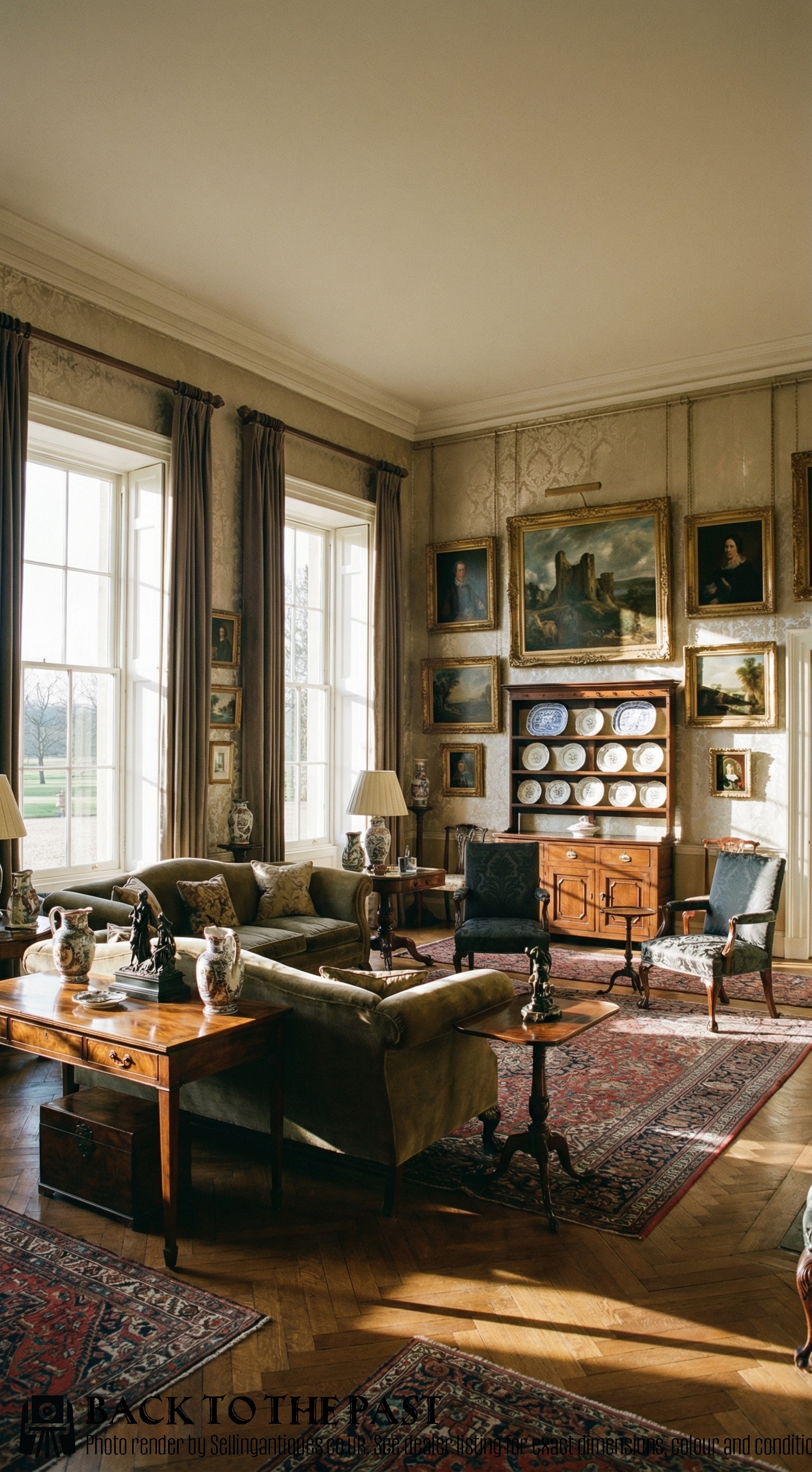
A dresser base functions well as a sideboard in a dining room or as a console table in a hallway. The shallow depth allows it to sit against walls without crowding floor space.
The top surface accommodates lamps and decorative objects while the drawers conceal everyday items. The open lower shelf provides space to display baskets or large ceramic platters.
What distinguishes regional Welsh styles from English pieces?
Welsh regional pieces often incorporate specific local construction traits such as distinctive drawer arrangements and potboard layouts tied to areas like Snowdonia or Anglesey. Local joiners utilised native timber stocks including regional oak and fruitwoods.
English country versions share similar utility purposes but frequently lack the specific vernacular proportions found in West Wales and North Wales workshops.
How can I tell the period of a dresser base?
Dating relies on observing construction methods, timber shrinkage, and nail or screw types used in the secondary framing. Eighteenth-century examples generally display hand-cut joinery and pegged joints.
Nineteenth-century variants often show tighter machine-sawn elements and different brassware styles. Regional design shifts also help narrow down the decade of manufacture.