

Georgian Watercolour Portrait
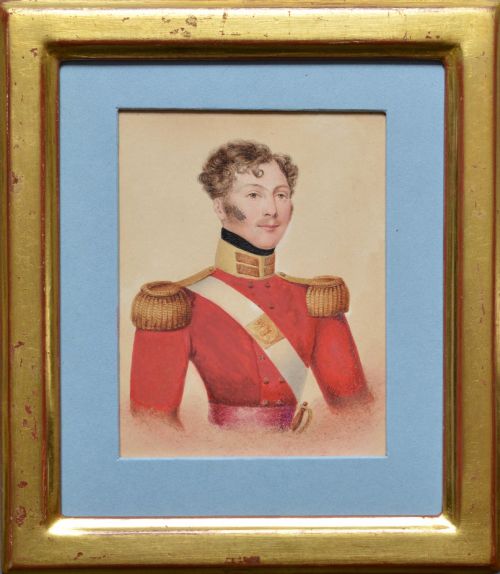
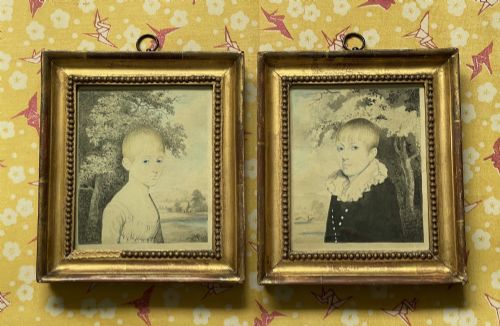
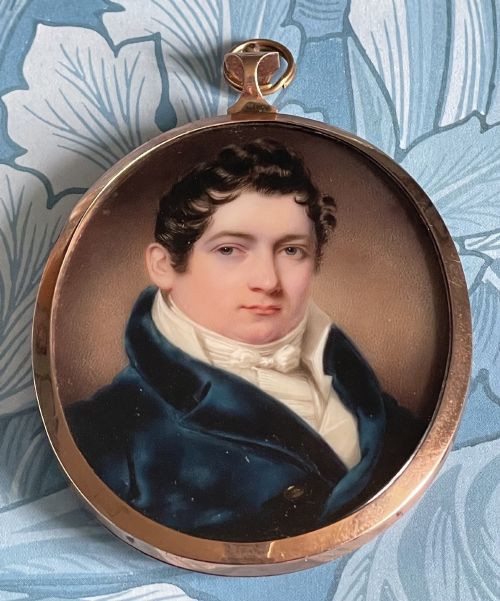
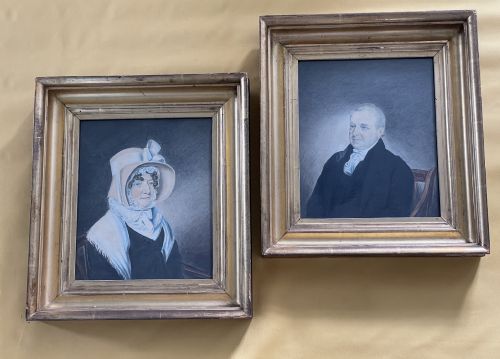
A georgian watercolour portrait captures the intimate likenesses of officers, children, and ladies through delicate brushwork.
Georgian Watercolour Portrait
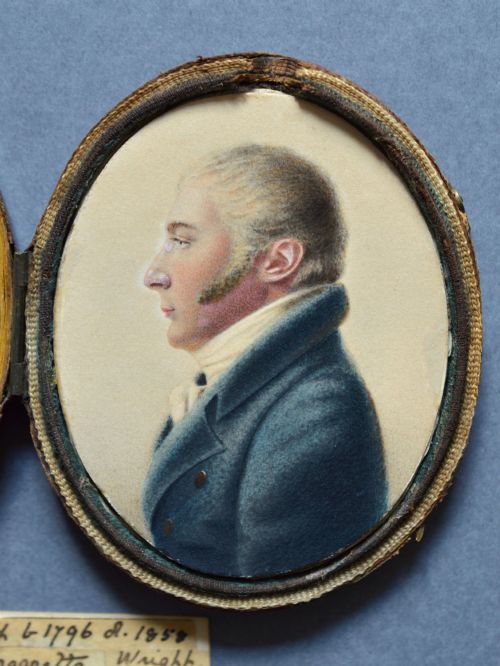
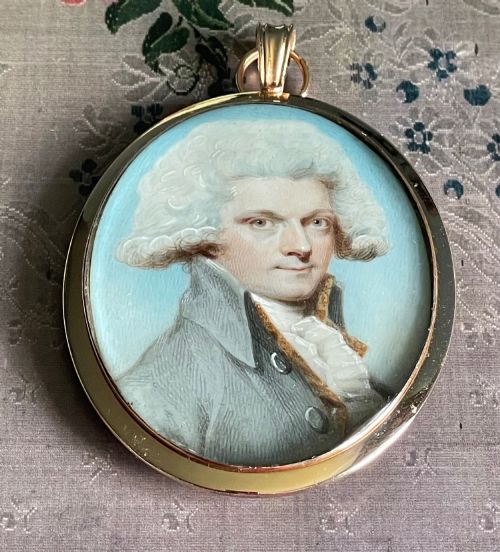
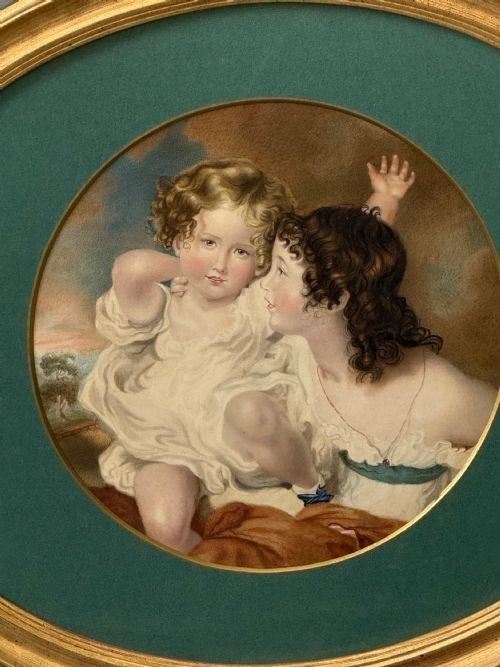
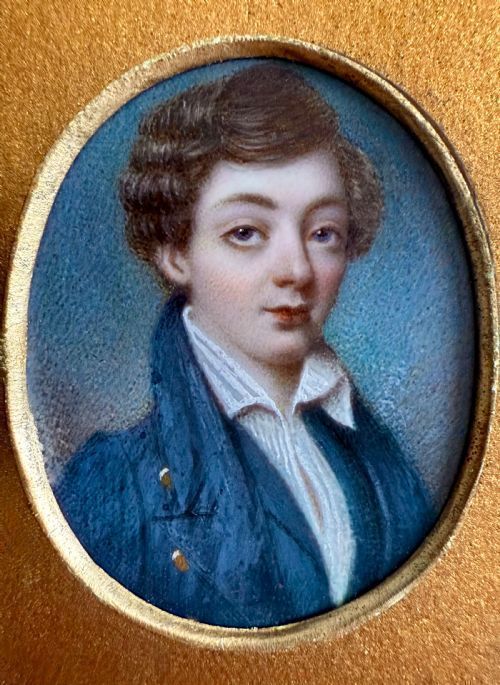
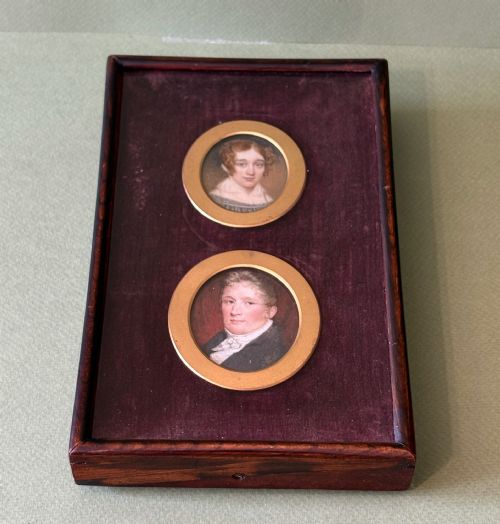
A georgian watercolour portrait captures intimate likenesses of sitters ranging from officers to young children, often rendered on a small scale as miniature paintings. These works document individual appearance through careful observation and fine brushwork.
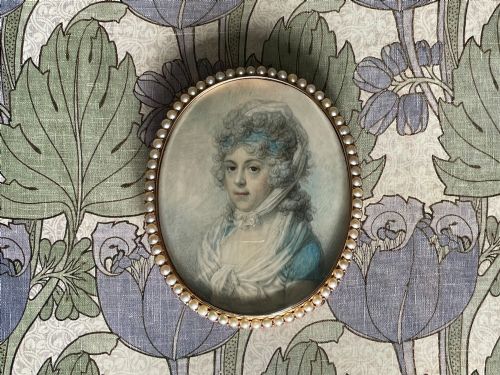
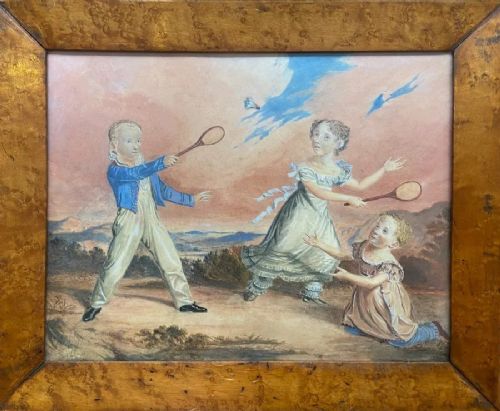
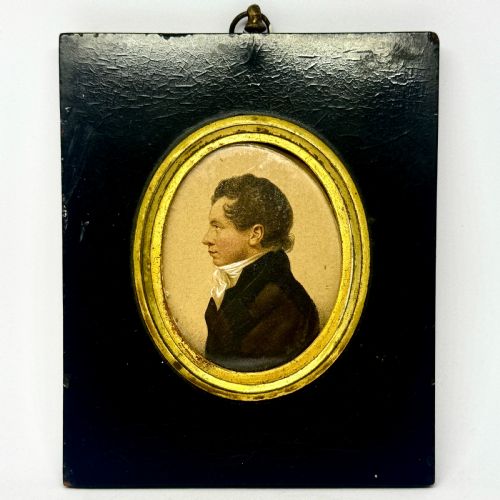
The versions most frequently encountered on this page belong to the Georgian and Regency periods, stretching into the nineteenth century. They appear as framed oval miniatures, pendant lockets, or larger framed watercolours.
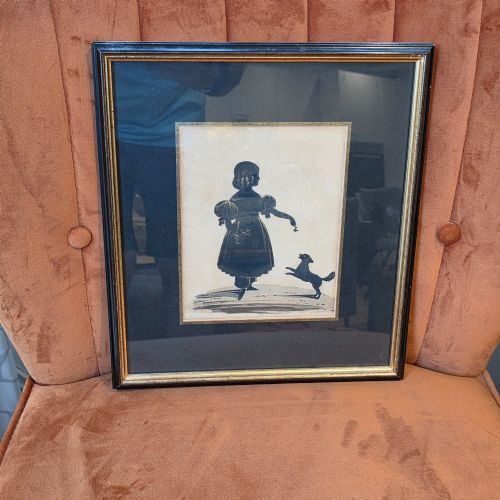
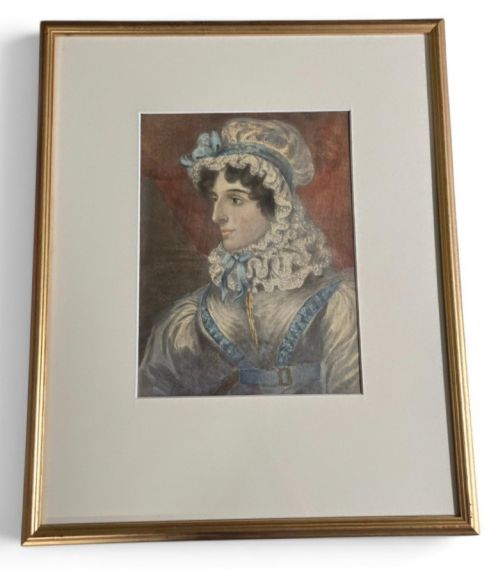
Subjects include country gentlemen, ladies in white dresses with sashes, and character studies. Many pieces remain housed in their original ebonised, rosewood, or gilt metal frames.
Materials and Technique
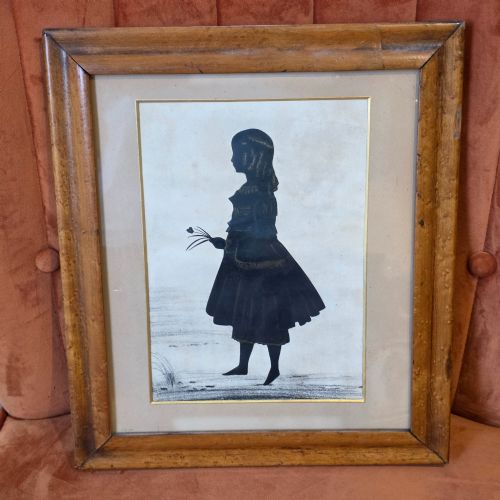
Artists painted primarily with watercolour pigments onto thin paper or ivory sheets, occasionally employing gouache, pencil, and cut-paper silhouettes. These delicate media demanded precision and a steady hand.
Finished works found protection beneath glass within wooden or metal surrounds. Gilt metal frames, seed pearl embellishments, and folding cases provided secure housing for miniature portraits.
Georgian Watercolour Portrait Retail Price Guide 2026
Typical asking prices for georgian watercolour portrait among the pieces listed under this phrase on Sellingantiques today, from the lower quarter to the upper quarter. They describe what is for sale here now, not the wider market.
Assessing Craftsmanship
Quality rests upon the skill of the facial rendering and the subtlety of expression captured by the artist. Finer portraits display nuanced handling of light, shadow, and costume detail.
The integrity of the original housing also influences the piece, with period ebonised frames, rosewood surrounds, and 14K gold pendant mountings adding distinction to the artwork.
William James Hubard·Charles Shirreff·Richard Cosway·John C D Engleheart·William Naish·Frederick Buck·George Engleheart
The Georgian Watercolour Portrait Glossary
- Watercolour
- A paint consisting of pigment suspended in a water-soluble binder, applied to paper or ivory to create translucent portraits.
- Miniature painting
- A small-scale artwork designed for personal viewing, frequently worn as a pendant or kept in a travelling case.
- Ebonised frame
- A dark wooden frame treated to imitate ebony, commonly used to house miniature portraits during the eighteenth and nineteenth centuries.
- Gouache
- An opaque watercolour paint containing an added white pigment to create solid, flat areas of colour.
- Silhouette
- A portrait profile cut from dark paper or painted in solid black against a pale background.
Georgian Watercolour Portrait: Frequently Asked Questions
How were these portraits displayed?
Many miniature portraits were fitted into protective cases, hung on walls in small wooden frames, or worn as pendants against the body.
Owners often kept them in private spaces or carried them during travels to remember absent family members.
What subjects appear most often?
Sitters include military officers, children with pets, country gentlemen, and ladies wearing period dress with lace collars.
Artists also produced character studies and romanticized depictions of individuals from the era.
How do I care for a watercolour portrait?
Keep these works away from direct sunlight to prevent the watercolour pigments and paper from fading over time.
Maintain stable indoor humidity levels to protect both the delicate painted surface and the original antique frame.
Are these works signed by the artists?
Some portraits bear artist signatures or inscriptions on the reverse, while many others remain unattributed school pieces.
Attributions often rely on stylistic comparisons to known miniaturists working during the Georgian and Regency eras.