

Georgian Watercolour Miniature
A georgian watercolour miniature captures likeness on an intimate scale, offering a personal window into past lives.
Georgian Watercolour Miniature
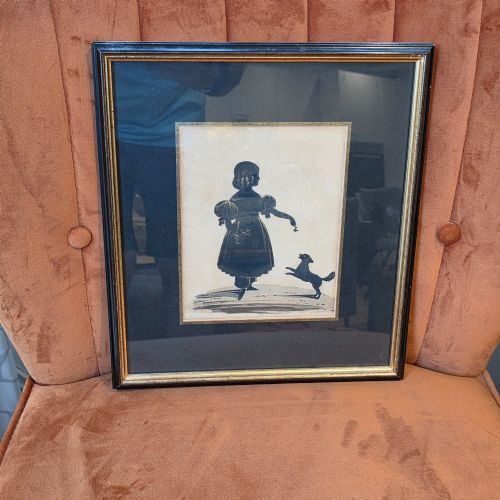
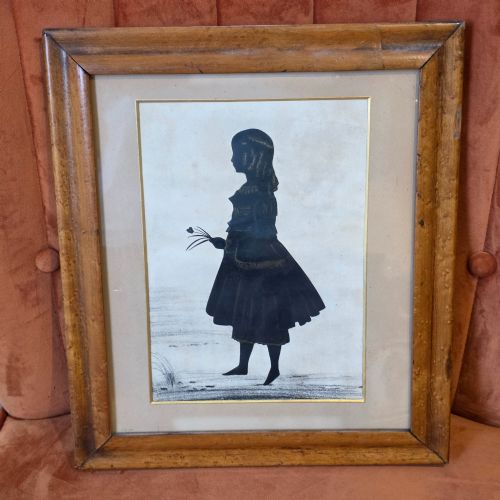
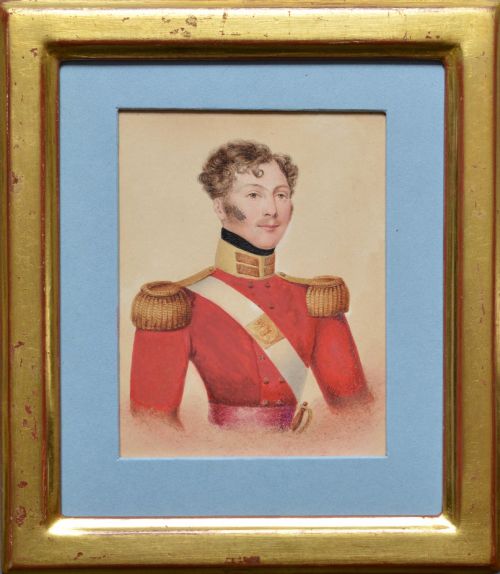
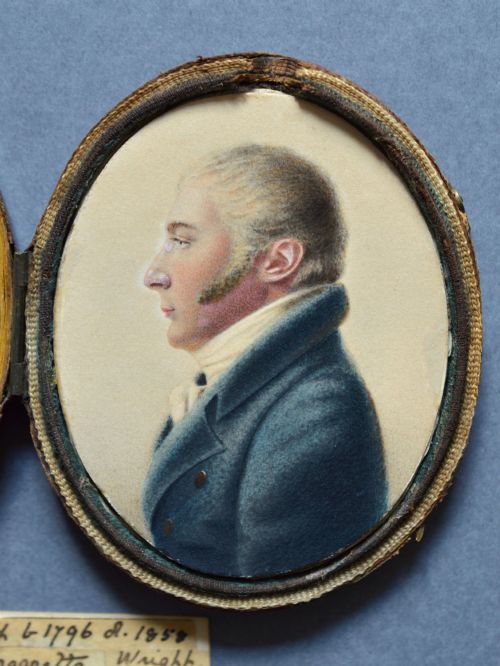
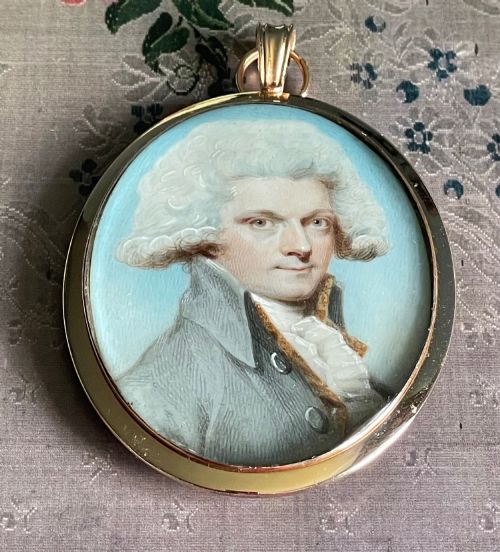
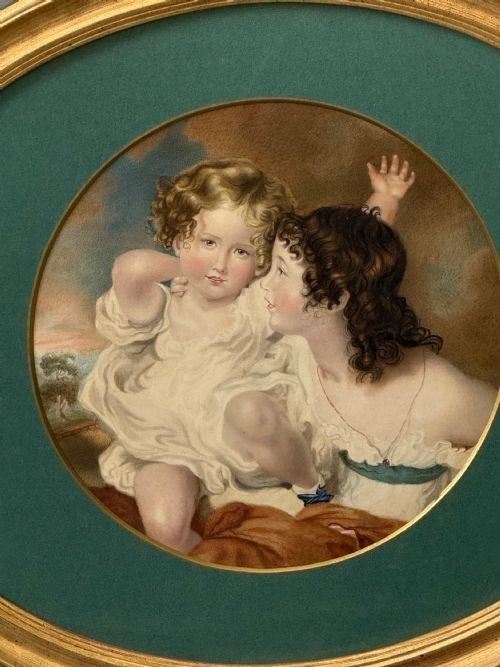
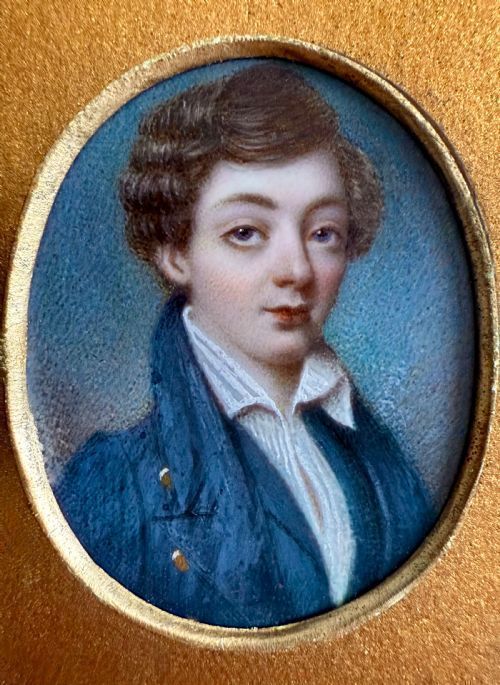
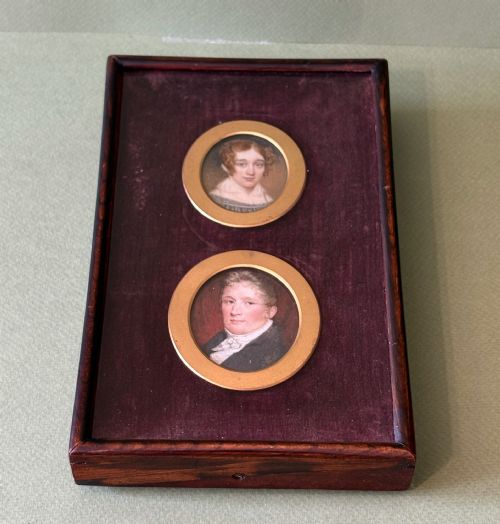
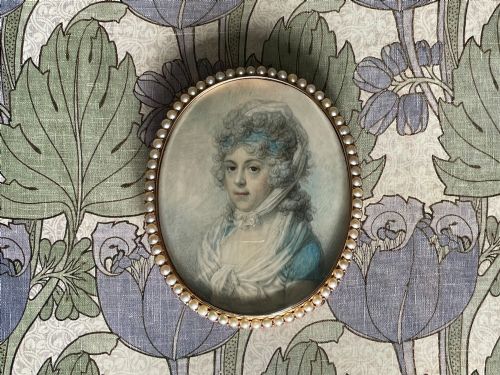
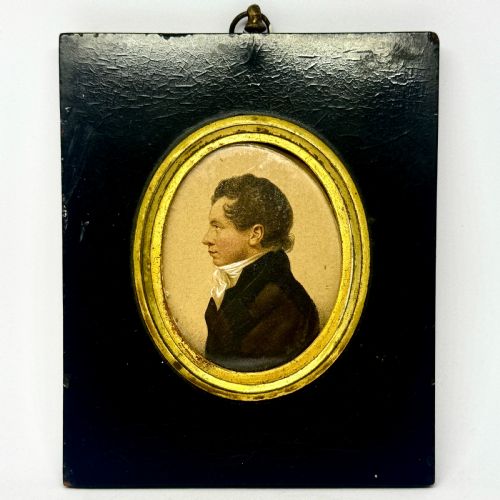
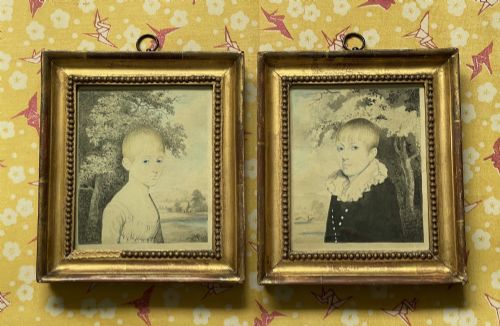
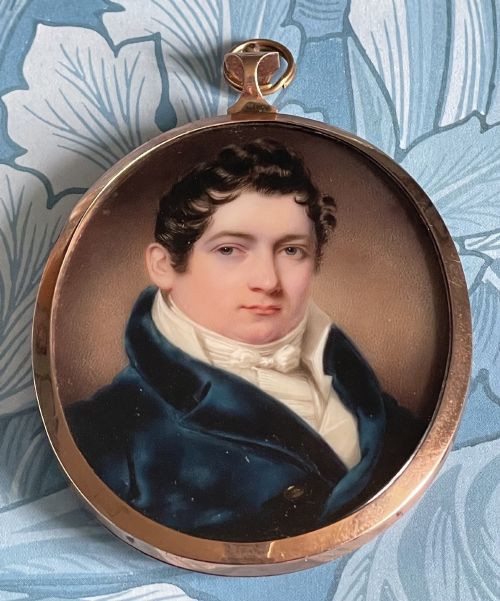
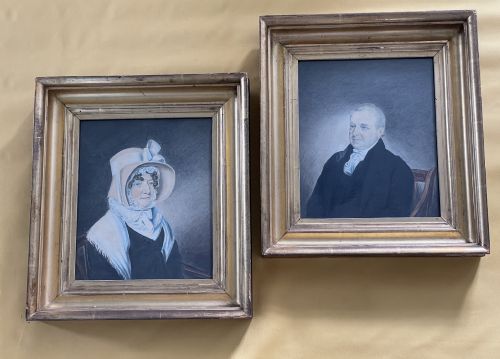
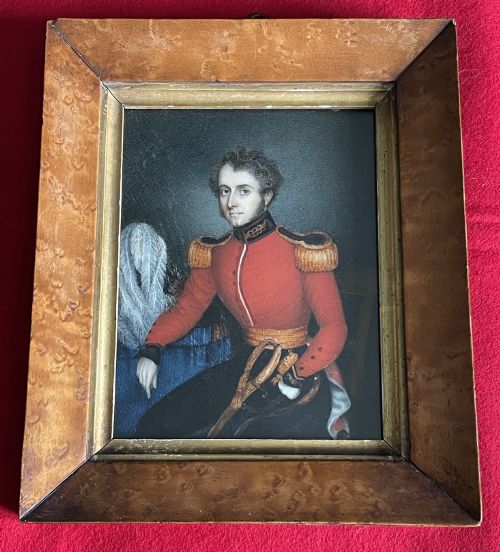
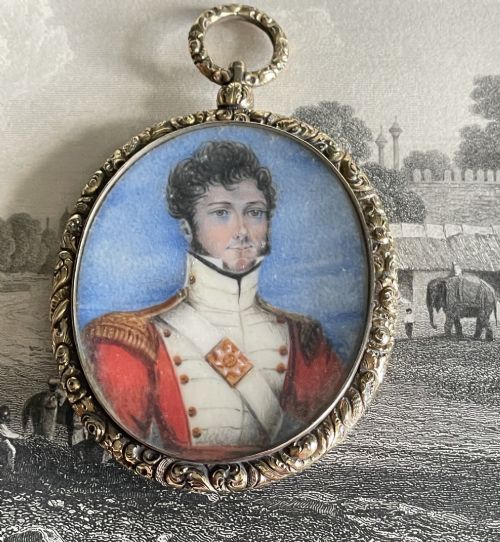
A georgian watercolour miniature presents carefully observed likenesses of officers, children, ladies, and gentlemen executed on a small format. These portable artworks record individual identity through detailed facial expressions and period costume.
The versions most commonly met on this page span the eighteenth and nineteenth centuries, taking the form of framed oval portraits, pendants, and cut-paper silhouettes. They originate from British, Irish, Anglo-Indian, and French hands.
Subjects range from single gentlemen and seated children to mythological scenes and family groups. Many items arrive housed in their original ebonised, rosewood, or gilt frames.
Materials and Construction
Makers protected the delicate painted surfaces beneath glass held within frames of gilt metal, gold, brass, or polished wood. Pendant mounts sometimes incorporated seed pearls or elaborate woven hair panels on the reverse.
Listings feature paper, ivory, and card as supports, paired with frames of gilt wood, rosewood, and gold.
Distinctions in Execution
Superior examples display precise brushwork, anatomical accuracy, and a convincing rendering of textiles like lace and silk. Lesser pieces show stiff proportions and hurried application of pigment.
The sophistication of the mounting scheme influences the character of the object, with solid gold frames and intricate seed pearl decoration marking superior craftsmanship.
William James Hubard·Charles Shirreff·Richard Cosway·John C D Engleheart·William Naish·Nicolas Freese·Frederick Buck·Albin R Burt·George Engleheart·William Egley
The Georgian Watercolour Miniature Glossary
- Watercolour
- A paint consisting of a pigment suspended in a water-based solution, applied here to paper or ivory. It allows for delicate layering and fine detail.
- Ivory
- A thin slice of animal material used as a painting support. Its translucent quality gives a natural glow to painted skin tones.
- Ebonised frame
- Wood finished to resemble ebony, frequently used for small oval portraits. These dark surrounds create a strong visual contrast with the light paper.
- Silhouette
- A portrait represented as a solid shape, usually black, cut from paper or painted. Some examples incorporate added watercolour highlights and costume details.
- Pendant
- A portrait miniature designed to be worn around the neck or pinned to clothing. These pieces often feature precious metal cases and glazed backs.
Georgian Watercolour Miniature: Frequently Asked Questions
What are georgian watercolour miniatures?
These works are small-scale painted portraits created during the eighteenth and nineteenth centuries. They record the faces and fashions of past sitters with great precision.
Artists worked on surfaces such as paper, card, and ivory, using fine brushes to capture minute details of expression and dress.
How were these miniatures used?
Owners carried these small portraits in pockets or wore them as jewellery close to the heart. They served as tokens of affection, remembrance, or engagement between family members and partners.
When not worn, the framed artworks hung in private rooms or stood on desks and tables within protective cases.
How do I live with them?
These delicate watercolours require protection from direct sunlight to prevent the pigments from fading over time. Position them away from windows and areas prone to high humidity.
Display them on walls using secure fixings or place them on specialised stands where their small scale can be appreciated at close range.
How do I tell periods apart?
Costume details, hairstyles, and framing styles provide the clearest indicators of date for these portraits. Regency pieces often feature high-waisted dresses and elaborate curls, while earlier Georgian items display powdered hair and specific coat cuts.
Backings, mounting metals, and signature styles also help assign works to specific decades within the broader span.