

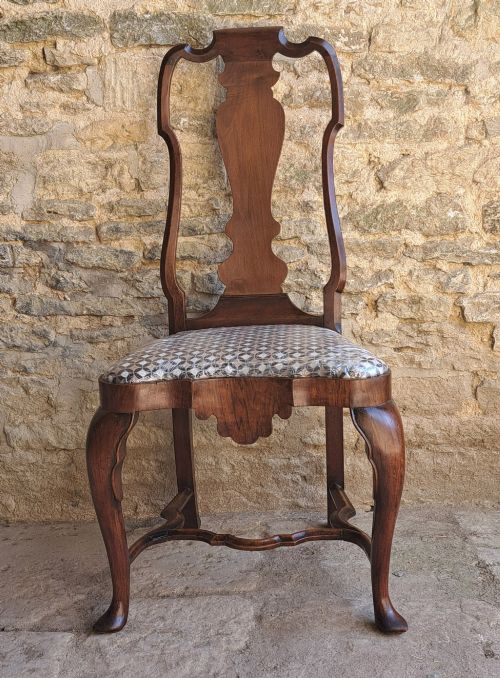
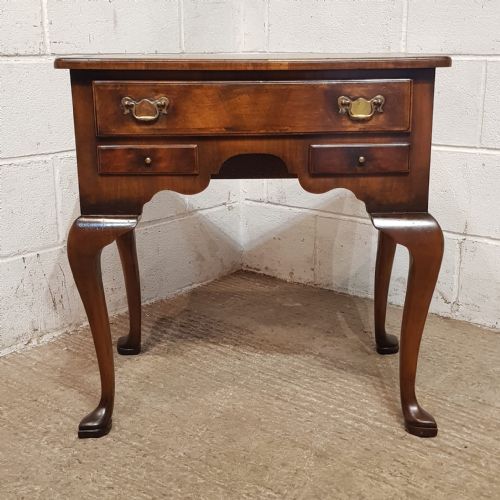
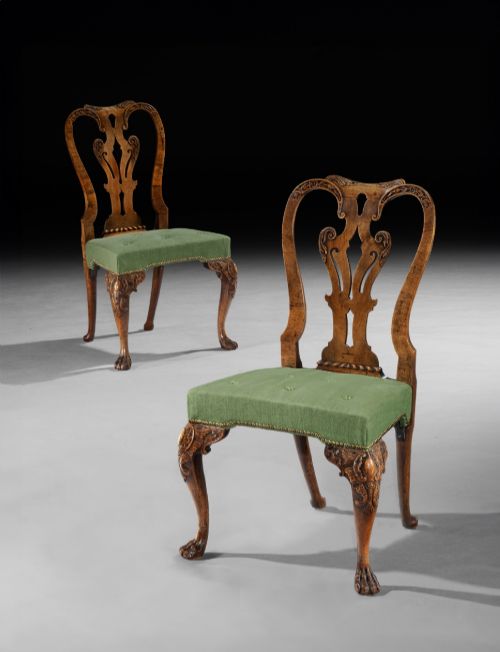

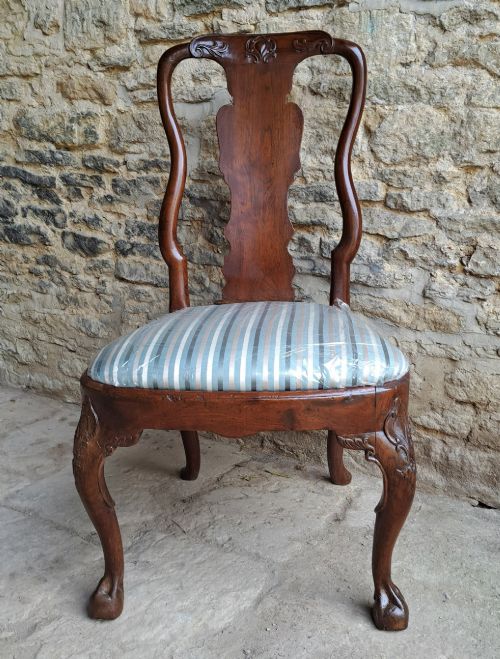
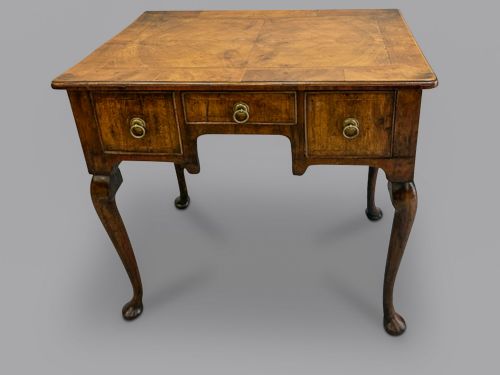
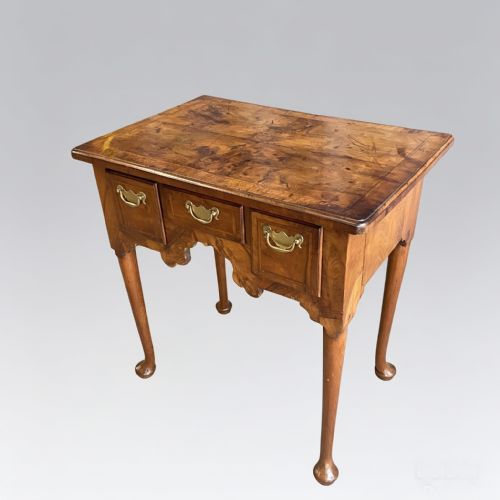
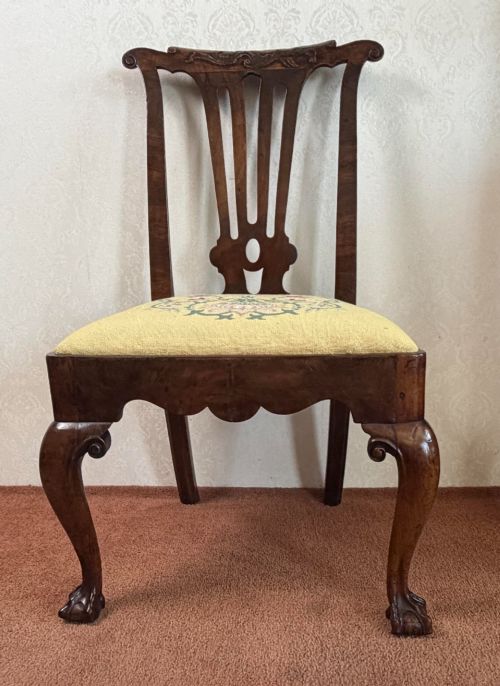
Georgian Walnut Side Desk
A georgian walnut side desk brings tactile warmth and deep grain patterns into a room, offering compact writing or display surfaces rooted in eighteenth-century cabinet-making.
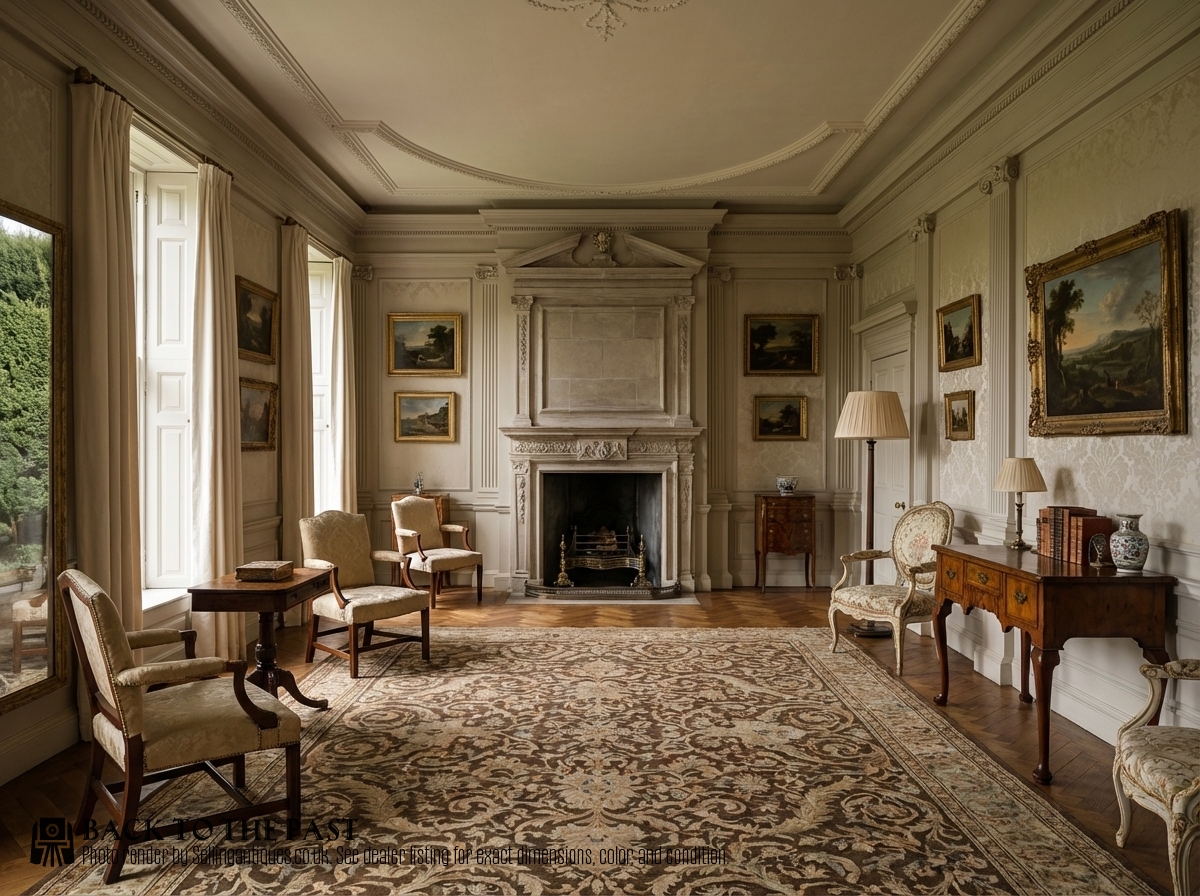
Georgian Walnut Side Desk
A georgian walnut side desk encompasses lowboys, writing tables, and side tables originating primarily in the eighteenth century alongside later revival pieces from the early twentieth century. These domestic items served varied practical functions for correspondence and display, combining small footprints with generous drawer arrangements.
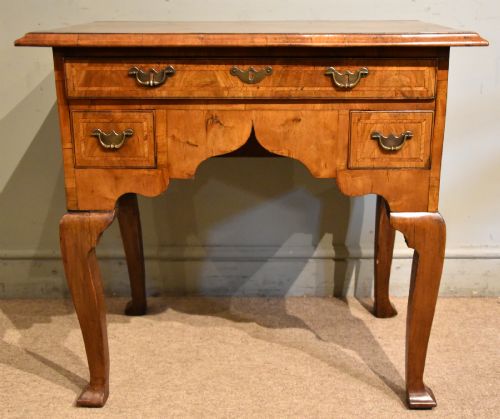
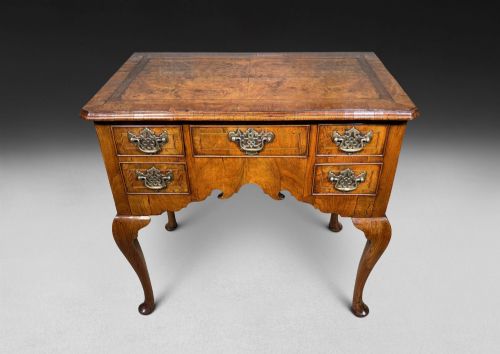
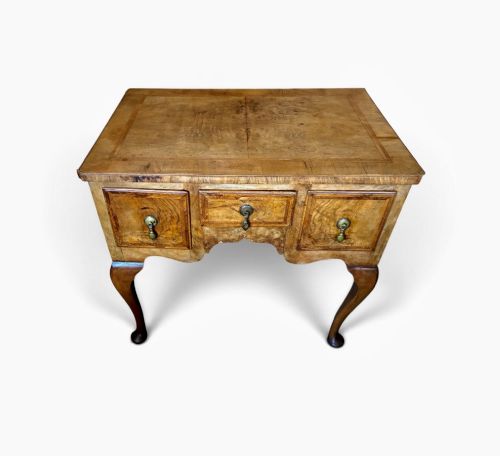
The lowboy appears with the greatest frequency among these offerings, often featuring multiple small drawers set beneath a polished top. Makers constructed these versatile forms during the reigns of Queen Anne, George I, George II, and George III, utilising timbers that developed rich patinas over centuries of use.
Materials and construction
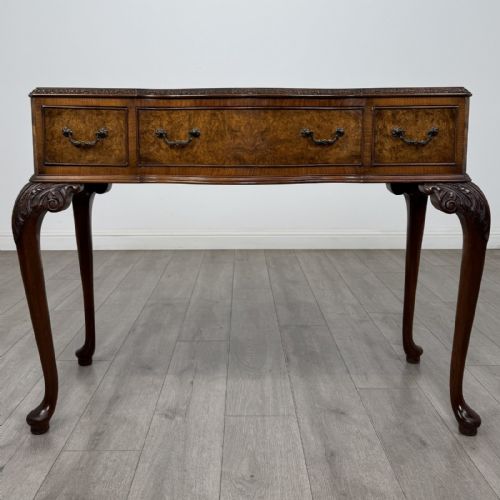
Cabinet-makers relied heavily on walnut and burr walnut veneers, applying figured grain across drawer fronts and table tops while utilising solid walnut for structural frames and cabriole legs. Craftsmen occasionally employed feather banding or marquetry inlay to embellish drawer edges and surfaces, creating visual contrast against the dark wood ground.
Joinery techniques included hand-cut dovetails for drawer construction and pegged mortise and tenon frames. Brass hardware, such as batwing drop handles and escutcheons, secured functional movement while complementing the warm tones of the timber.
Georgian Walnut Side Desk Retail Price Guide 2026
Typical asking prices for georgian walnut side desk among the pieces listed under this phrase on Sellingantiques today, from the lower quarter to the upper quarter. They describe what is for sale here now, not the wider market.
Listings span eighteen-century originals through early twentieth-century revivals, uniting solid walnut, burr walnut, and brass fittings across multiple desk and table forms.
Judging execution and finish
Quality rests upon the selection of timber and the precision of the veneer work, where superior examples exhibit symmetrical burr patterns that wrap continuously across drawer banks. Lesser items rely on plain stock or show heavy restoration and mismatched grain alignment.
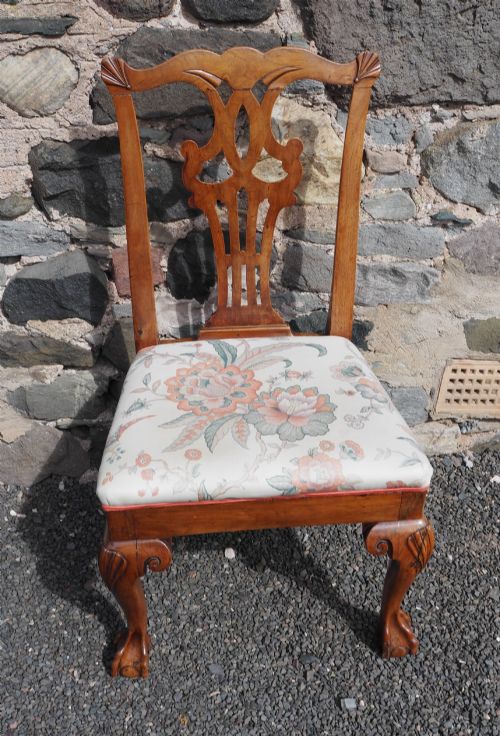
The integrity of the structural carving and leg profiles dictates the standing of a piece, with crisp cabriole legs and delicate pad or claw-and-ball feet representing superior craftsmanship. Untidy repairs or replaced hardware diminish the historical cohesion of the table.
Maple and Co
The Georgian Walnut Side Desk Glossary
- Lowboy
- A small dressing or writing table featuring a low waist and multiple drawers set on legs. This form gained popularity during the early eighteenth century.
- Burr walnut
- Timber sliced from the gnarled growths of a walnut tree, yielding intricate, swirling grain patterns. Cabinet-makers prized this material for decorative veneering.
- Cabriole leg
- A furniture leg that curves outward at the knee and tapers inward toward the foot, mimicking animal limbs. It dominates seating and tables from the Queen Anne and George II periods.
- Feather banding
- Narrow strips of wood veneer laid in a herringbone pattern around the perimeter of table tops or drawer fronts. This detail frames the primary grain field.
- Marquetry
- The art of applying pieces of veneer to a structure to form decorative patterns or pictures. Eighteenth-century artisans used contrasting woods to achieve botanical or geometric designs.
Georgian Walnut Side Desk: Frequently Asked Questions
What is a lowboy used for?
A lowboy functioned historically as a dressing table, side table, or small writing desk within domestic chambers.
Today, owners utilise them as compact hallway consoles or writing surfaces where floor space is limited.
How do I spot a revival piece?
Revival pieces from the early twentieth century often display machine-cut internal elements and standardised hardware fittings.
Examination of the secondary woods and interior drawer construction usually reveals the later nineteenth or twentieth-century manufacturing date.
What distinguishes red walnut?
Red walnut refers to specific cuts or species variations of Juglans regia that exhibit warmer, reddish-brown hues.
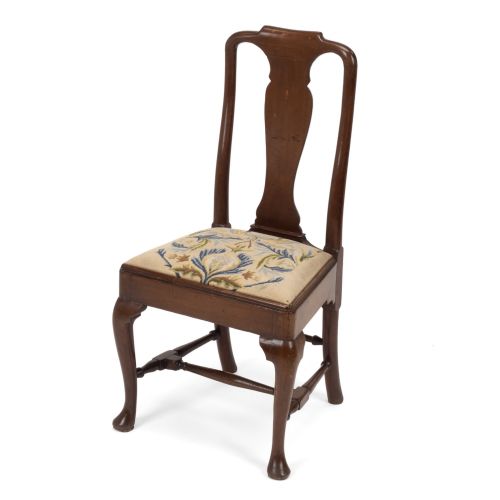
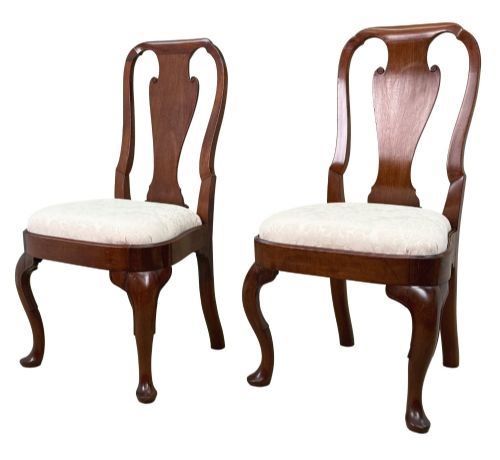
Cabinet-makers in the early eighteenth century frequently selected this timber for side chairs and tables before darker finishes became fashionable.
How should I care for walnut?
Walnut benefits from consistent indoor humidity and protection from direct sunlight to prevent the timber from drying and splitting.
Applying a light coat of traditional beeswax helps maintain the natural sheen of the vintage polish without sealing the wood.