




Georgian Walnut Glass
Georgian walnut glass brings together rich timber and historic mirror plates, offering warmth and period character to an interior.
Georgian Walnut Glass
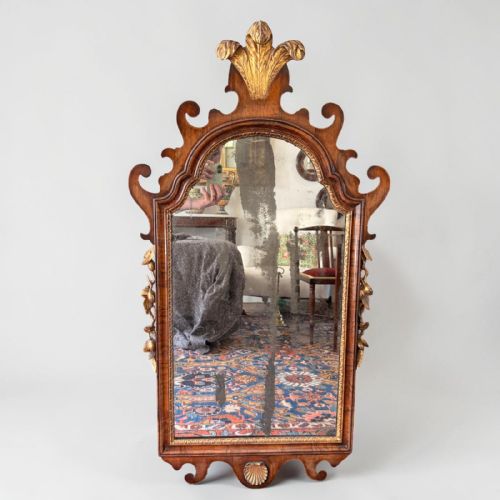
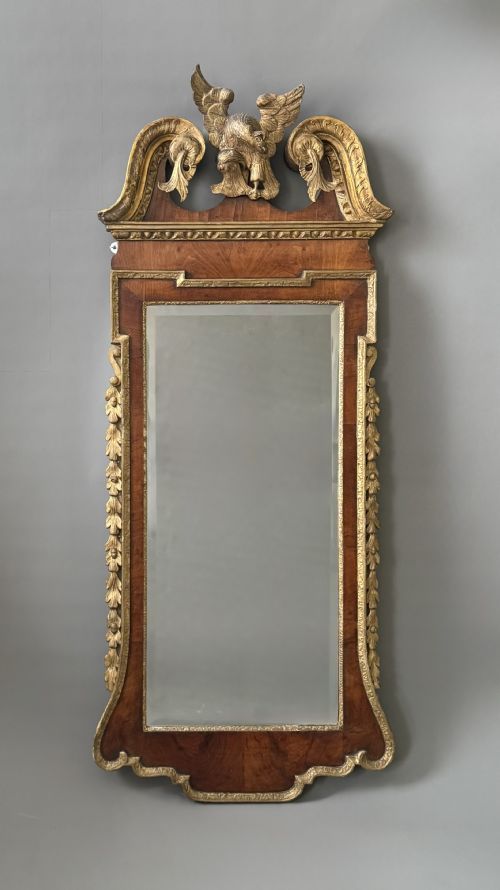
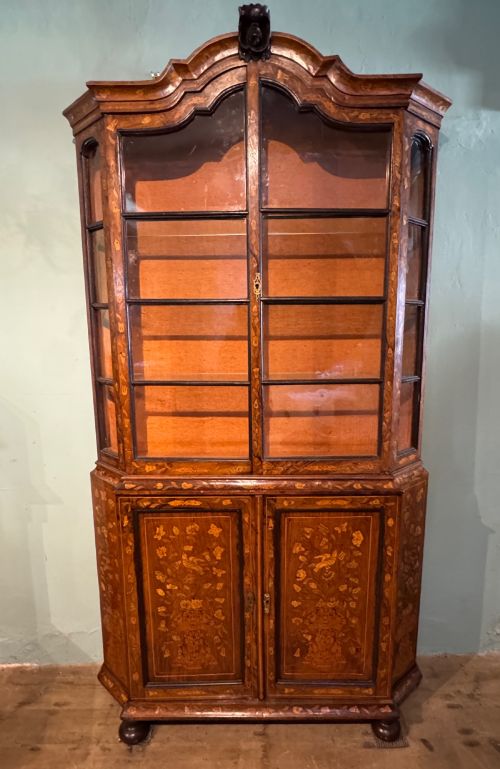
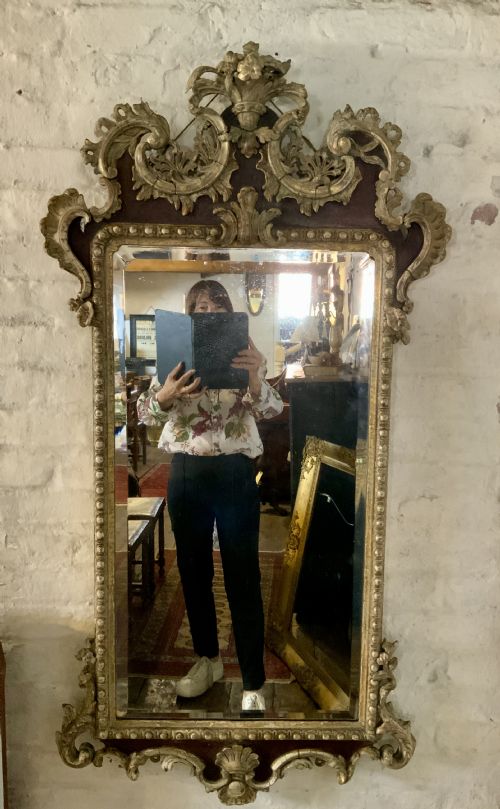
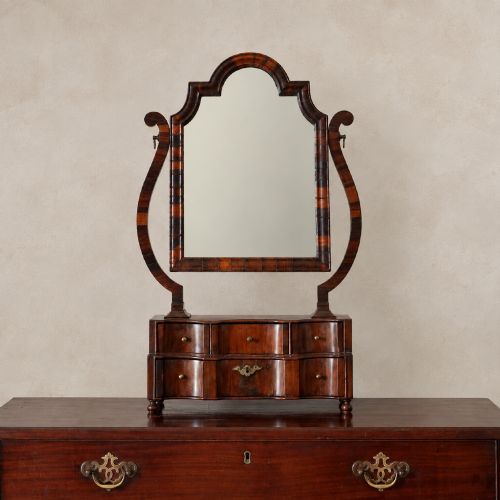
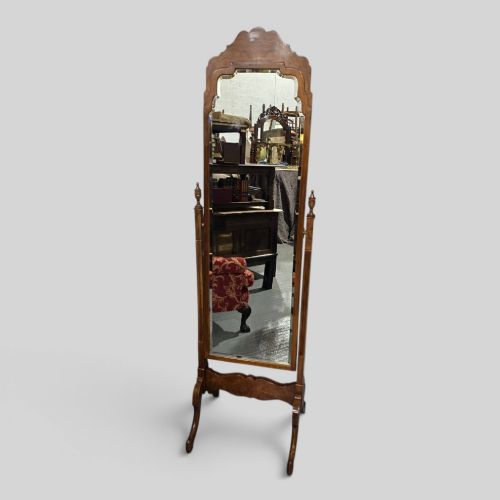
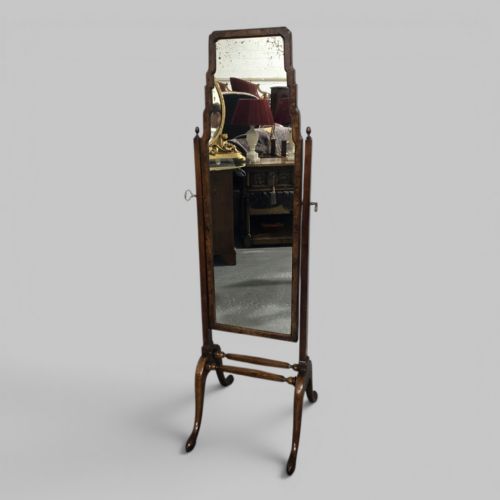
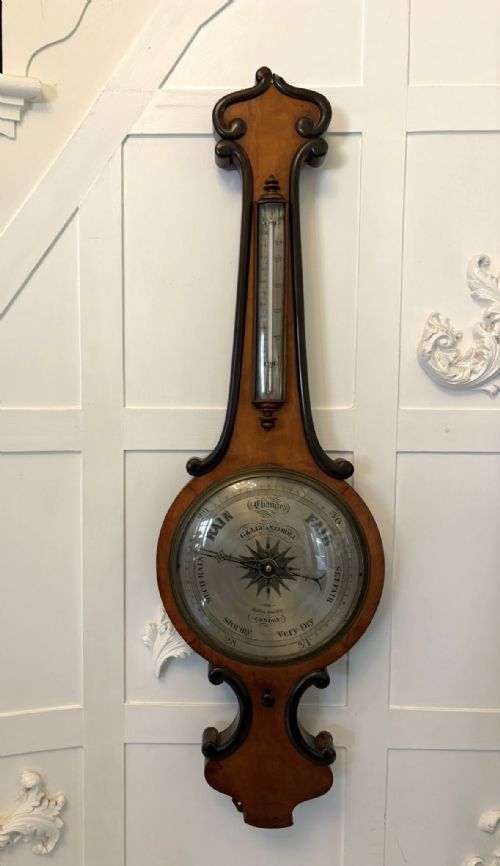
When you search for georgian walnut glass, you encounter a selection centred heavily on mirrors, alongside cabinets and barometers. Wall mirrors, toilet mirrors, and dressing table mirrors dominate the forms, reflecting domestic life across the eighteenth century.
The pieces span the reigns of Queen Anne, George II, and George III, alongside later nineteenth and twentieth-century interpretations in period styles. You will frequently find dressing and wall mirrors framed in figured burr walnut, sometimes accented with parcel gilding.
Materials and Construction
Makers utilised solid walnut and decorative walnut veneers applied to secondary woods, often highlighting the swirling patterns of burr walnut. Timber selection drove the aesthetic, complemented by parcel gilt details and brass hardware.
Mirror plates of the period, including Vauxhall plates, were bevelled by hand and set into rebated frames. Cabinets and mirrors alike relied on traditional joinery, dovetailing, and fretwork cutting to shape crests and aprons.
Listings feature 18th century, Georgian, and Victorian periods alongside 1920s revival pieces.
Judging Quality and Character
The depth and figuring of the walnut veneer set the visual standard for these pieces. Highly figured burr walnut and crisp fretwork carving distinguish finer examples from plain, flat-grained alternatives.
Survival of original glass plates and period gilding marks the distinction between untouched historic pieces and heavily restored items. The crispness of edge mouldings and the integrity of the timber groundwork dictate the overall calibre.
G & L Guanziroli London
The Georgian Walnut Glass Glossary
- Parcel Gilt
- Partially gilded, usually with gold leaf applied to carved wooden details such as slip moulds or Ho-ho birds on mirrors. This technique added contrast against dark walnut timber.
- Vauxhall Plate
- A historic term for mirror glass, historically associated with London manufacture and characterised by a bevelled edge. These plates often show subtle imperfections and age foxing.
- Pier Mirror
- A tall wall mirror designed to hang on the pier, the wall space between windows. These often feature gilt accents and fretwork frames.
- Toilet Mirror
- A small mirror mounted on a pivoting frame above a miniature set of drawers, designed for a dressing table. They date predominantly from the eighteenth century.
- Burr Walnut
- Wood taken from a walnut tree growth where the grain has swirled and knotted. It creates intricate, highly decorative patterns on cabinet doors and mirror frames.
Georgian Walnut Glass: Frequently Asked Questions
What is georgian walnut glass?
The phrase refers to antique mirrors and glazed cabinets made primarily of walnut during the eighteenth century and subsequent revival periods. These items combine figured timber frames with historic mirror plates or glass display doors.
Craftsmen shaped these pieces using solid walnut and decorative veneers, often incorporating parcel gilding. They served both functional dressing roles and decorative wall hanging purposes in period homes.
How do I identify a period mirror?
Examine the construction of the frame behind the glass, looking for aged secondary woods and hand-cut joinery. Period mirrors frequently feature original bevelled mirror plates with characteristic age-related silvering losses.
Check for stylistic markers such as fretwork scrolls, parcel gilt slips, and proportions consistent with Queen Anne or Georgian design. Secondary restorations or replaced mirror plates alter the original character.
Where were these pieces used?
Mirrors were hung above mantelpieces, between windows as pier glasses, or placed upon dressing tables for daily grooming. Cabinets were positioned in corners or reception rooms to display precious ceramics and glassware.
Their rich walnut tones suited panelled parlours and formal chambers alike. They brought reflected light into darker historic interiors.
How do I care for antique walnut?
Keep walnut furniture and mirror frames away from direct sunlight and steady sources of heat to prevent veneer splitting. Dust gently with a dry, soft cloth and avoid modern silicone polishes.
Maintain stable room humidity to protect both the historic timber and the underlying glue grounds. Professional conservation is recommended for any loose veneer or damaged gilding.