



Georgian Walnut Console
A georgian walnut console brings warmth and refined timber figuring into a room, serving as a practical surface for display.
Georgian Walnut Console
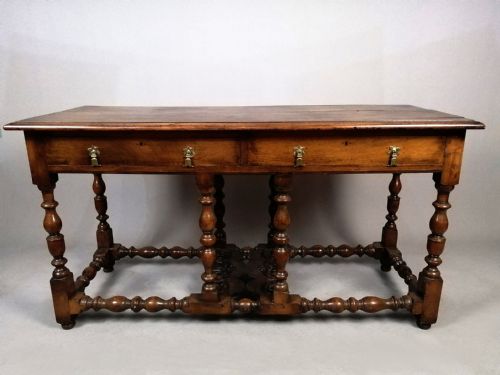
When you search for a georgian walnut console, you encounter a variety of forms including console tables, side tables, lowboys, and card tables. These items originate from the eighteenth century as well as later revival periods spanning the twentieth century.
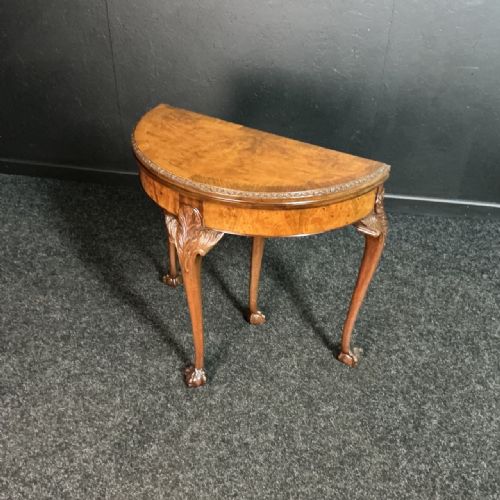
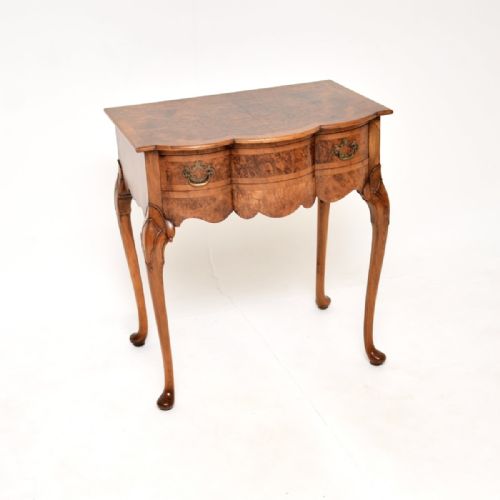
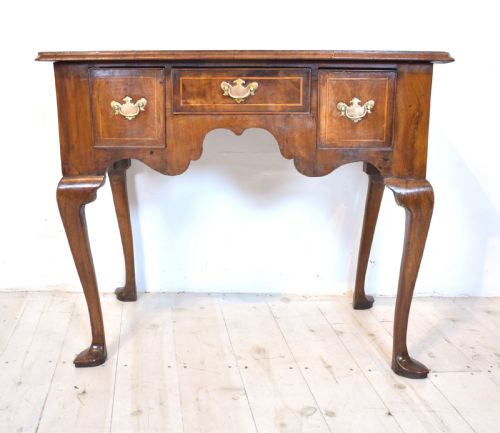
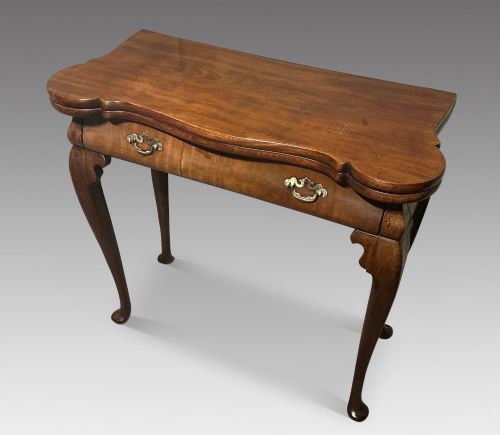
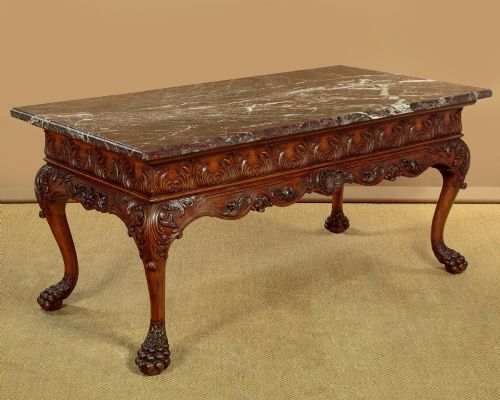
The selection ranges from simple lowboys with drawers to sophisticated fold-over games tables and marble top side tables. Walnut veneer, burr walnut, and solid timber define the primary surfaces encountered in this group.
How they were made
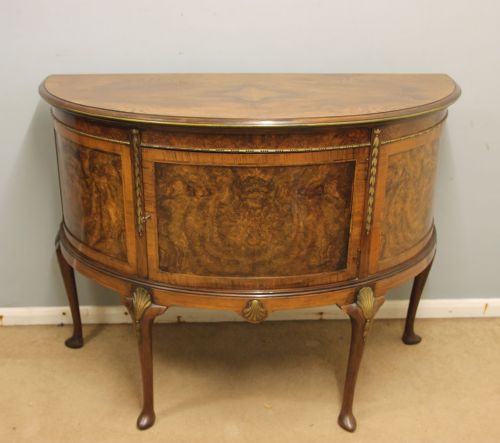
Cabinet makers utilised walnut timber, frequently applying figured or burr walnut veneers over secondary woods like oak and mahogany to create decorative grain patterns. Crossbanding and feather banding frequently edge the tabletops and drawer fronts.
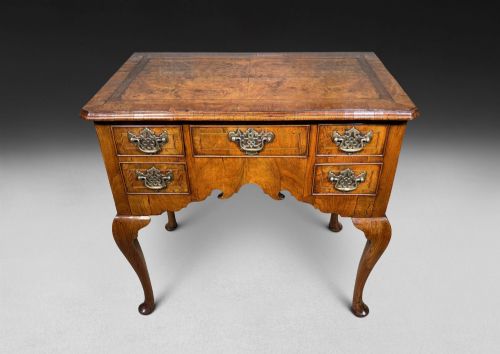
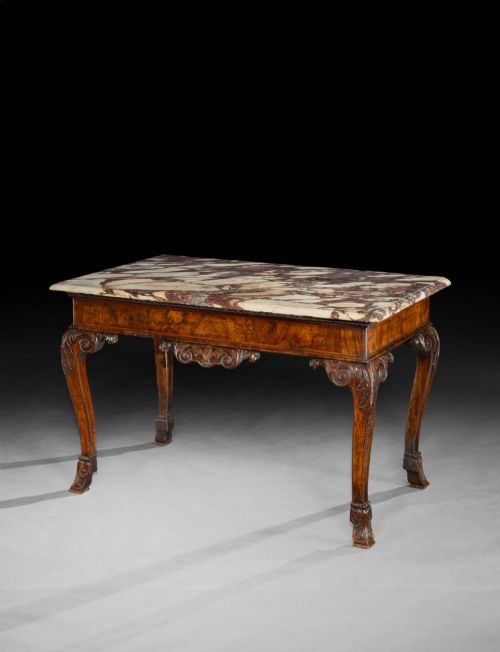
Joinery often incorporates brass hardware on drawers and occasionally relies on carved cabriole legs or turned supports. Some examples integrate marble tops or marquetry inlay within the wooden structure.
Listings feature walnut, burr walnut, mahogany, oak, fruitwood veneer, and marble across eighteenth-century and twentieth-century items.
What varies in quality
The sophistication of the timber figuring sets different tiers apart, with richly patterned burr walnut and complex marquetry elevating an item above plain walnut surfaces. Finer examples display meticulous attention in the alignment of crossbanded veneers and delicate carving on the legs.
Proportion and period integrity also distinguish the range, as eighteenth-century originals possess distinct construction traits compared to later revival pieces from the twentieth century.
Maple and Co.
The Georgian Walnut Console Glossary
- Lowboy
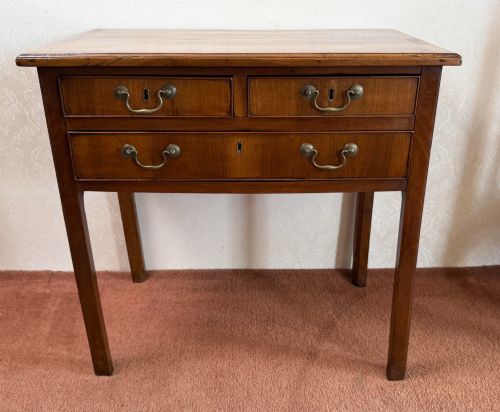
- A small dressing or side table typically fitted with one to three drawers and supported on cabriole legs. It functions well as a compact writing desk or hall table.
- Burr walnut
- A prized timber harvested from the wart-like growths on walnut trees, yielding swirling patterns of grain. Cabinet makers slice this wood into thin veneers for tabletops.
- Crossbanding
- A narrow strip of veneer applied to the border of a table top so that the grain runs perpendicular to the main panel. This technique creates a neat framing effect.
- Demilune
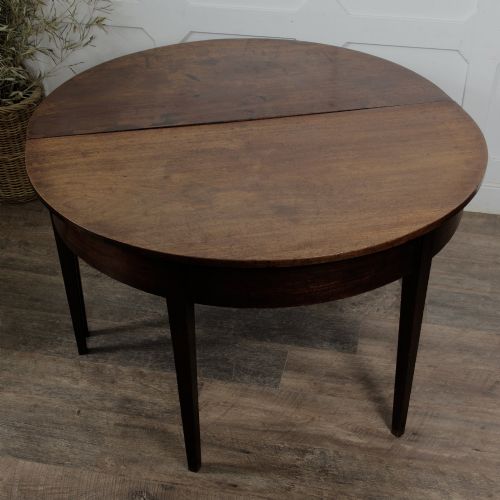
- A half-moon shape characteristic of certain console and card tables designed to stand flat against a wall. These pieces often feature fold-over tops.
- Cabriole leg
- A furniture leg that curves outward at the knee and tapers inward at the ankle, frequently ending in a pad or claw foot. This form derives from traditional seventeenth and eighteenth-century design.
Georgian Walnut Console: Frequently Asked Questions
What is a lowboy used for?
A lowboy functions primarily as a small side table or dressing table, offering a compact surface with integrated drawers.
Historically placed in bedrooms or parlours, these tables hold small personal items, writing materials, or decorative objects.
How do I tell an original from a revival piece?
Original eighteenth-century pieces exhibit period construction methods, timber ageing, and hand-cut joinery specific to their era.
Revival pieces from the nineteenth and twentieth centuries often show standardised machine working or later secondary woods beneath the veneer.
Where should I place a console table?
Console tables fit well against walls in entrance halls, living rooms, or dining spaces where floor space is restricted.
Their shallow depth allows them to carry lamps, mirrors, or decorative bowls without obstructing walkways.