
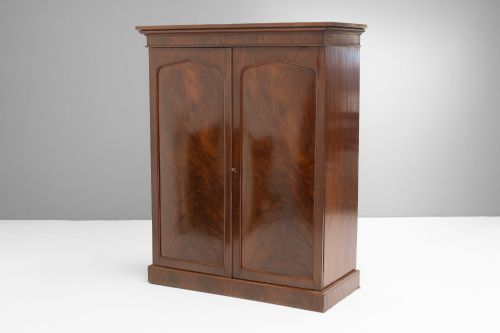
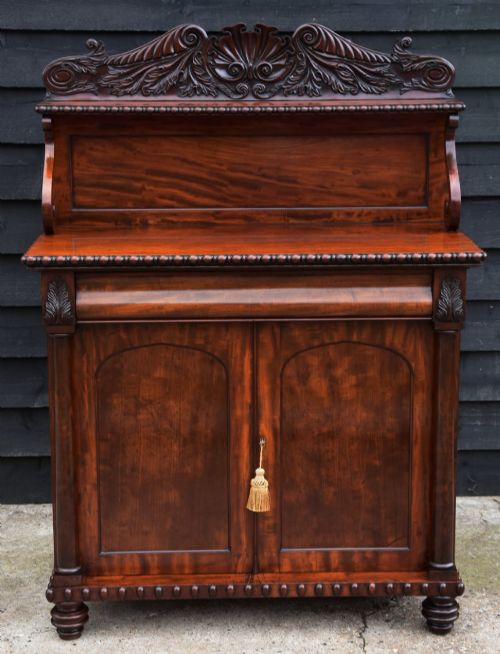
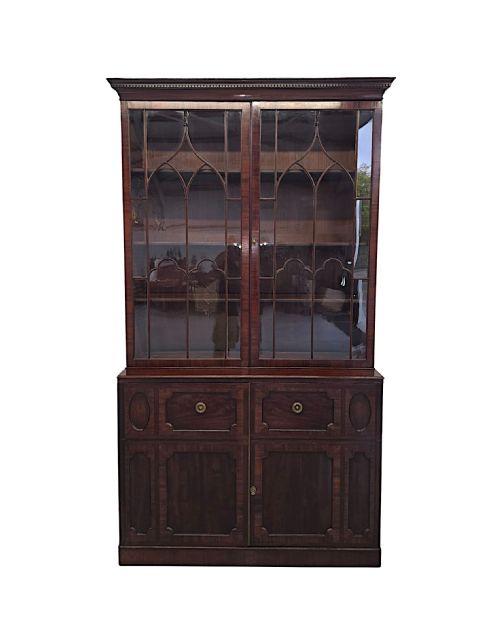
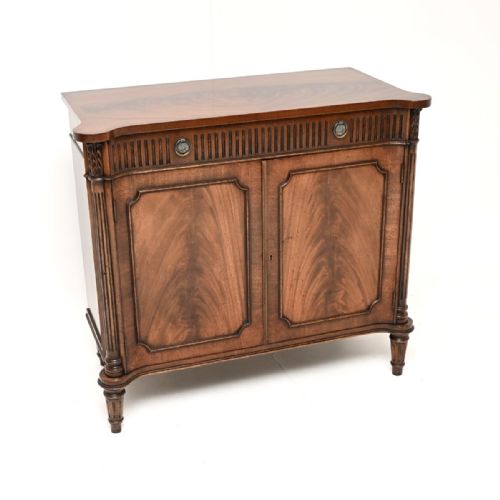
Georgian Two Door Mahogany Cabinet
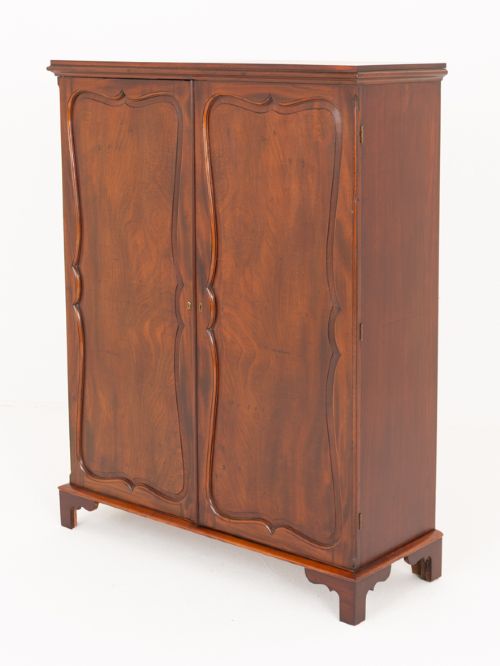
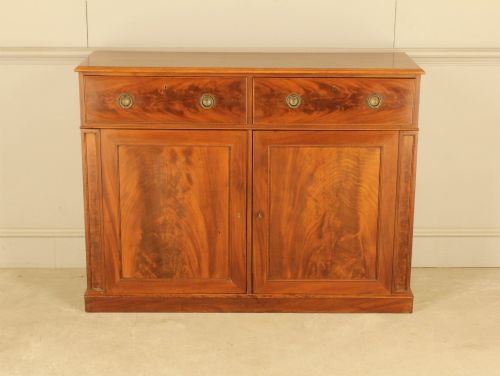
A georgian two door mahogany cabinet offers generous storage and deep timber warmth, built to anchor a formal room.
Georgian Two Door Mahogany Cabinet
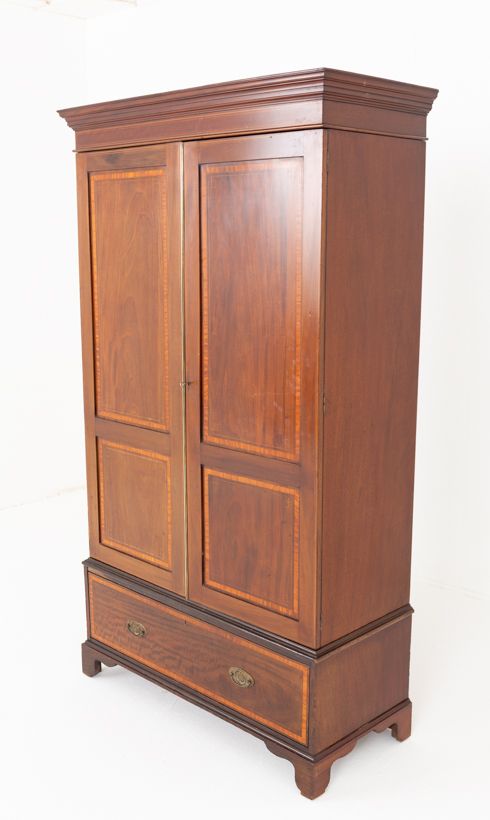
A georgian two door mahogany cabinet encompasses practical storage furniture designed with twin doors, spanning side cabinets, bookcases, wardrobes, and cupboards. The forms on this page originate predominantly from the Georgian, Regency, and 18th Century periods, alongside later revival pieces.
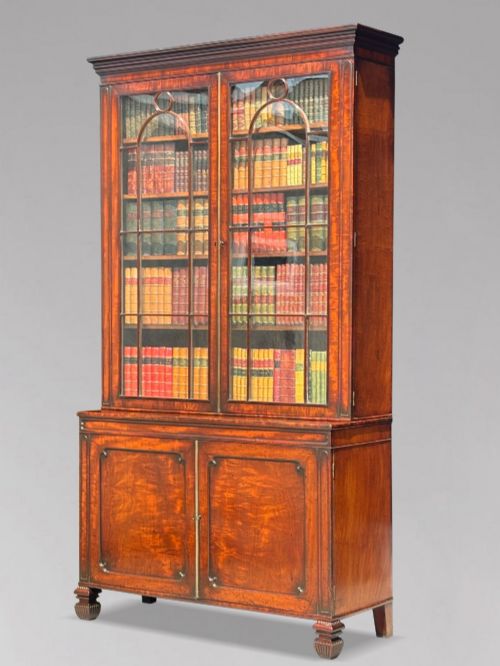
Buyers will most frequently encounter side cabinets, bookcases, and cupboards built from mahogany, often fitted with two doors and occasionally featuring glazed panels or drawers. These items served traditional domestic storage needs in dining rooms, libraries, and parlours.
The selection extends from authentic 18th Century examples to Edwardian and Victorian interpretations built in the Georgian style. Each version utilises the timber grain and cabinet proportions characteristic of its period of construction.
How they were made
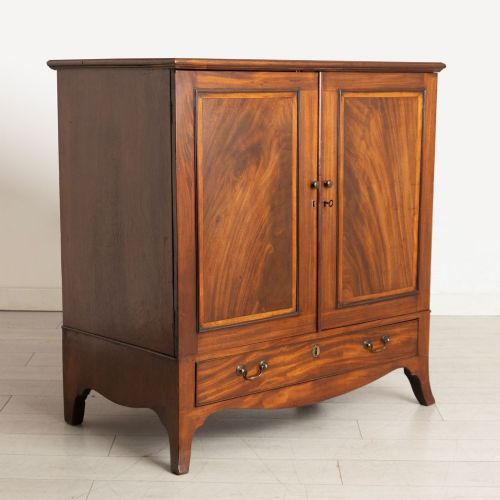
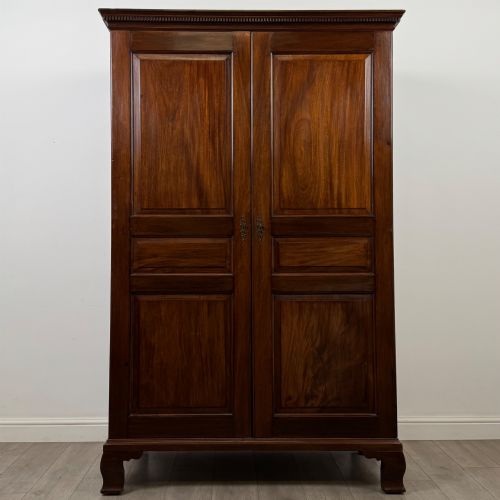
Cabinet makers constructed these pieces primarily using solid mahogany and mahogany veneers, frequently selecting figured or flame mahogany for visible door panels. Secondary timbers such as oak often formed internal shelving and drawer linings.
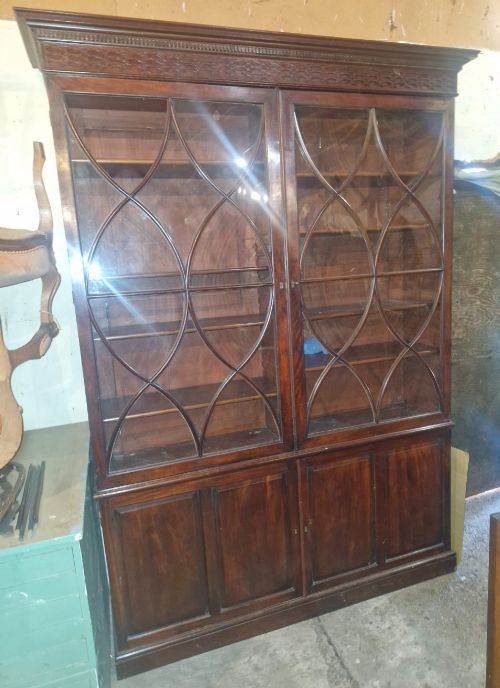
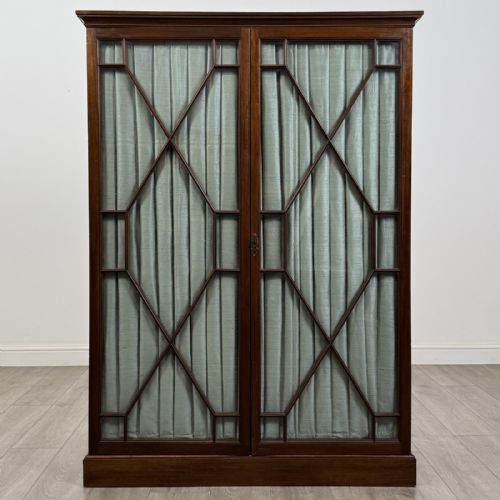
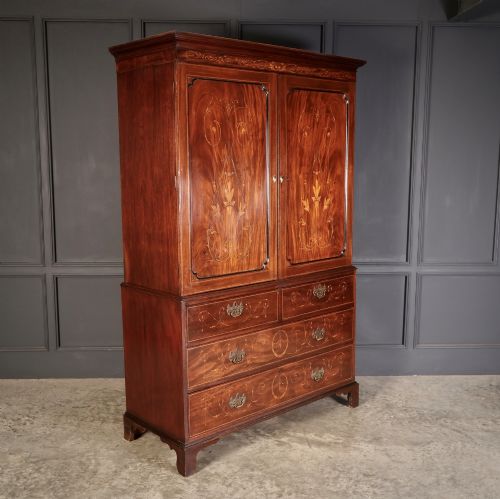
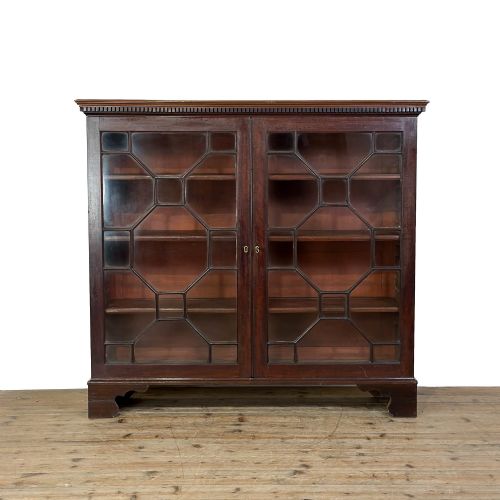
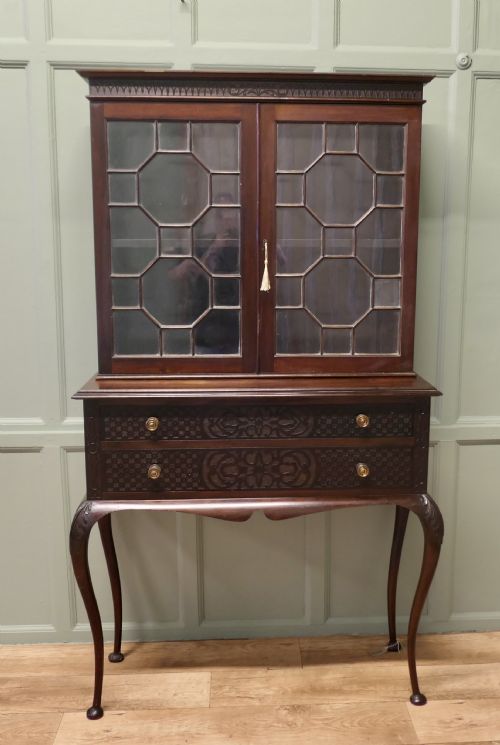
Decoration relied on contrasting materials and joinery techniques, incorporating boxwood inlay, satinwood stringing, and brass hardware such as grilles or handles. Glazed doors utilised timber astragals to divide glass panes into geometric patterns.
Listings span multiple eras from the 18th Century through to the 1920s, featuring oak internal elements and brass hardware alongside mahogany.
What varies in quality
The selection of timber grain drives visual distinction, with symmetrical flame mahogany veneer or figured mahogany surfaces sitting at the upper end of the scale. Plain timber finishes offer a more restrained appearance.
Refinement in secondary details such as boxwood inlay, brass grille work, and carved mouldings separates standard utility items from more ambitious cabinet work commissioned for formal interiors.
Maple and Co·Francis Brodie
The Georgian Two Door Mahogany Cabinet Glossary
- Flame mahogany
- A veneer cut from timber fork junctions, creating a distinctive flickering flame pattern across cabinet doors.
- Astragal
- A narrow moulded timber strip used to hold and divide panes of glass within glazed cabinet doors.
- Chiffonier
- A compact sideboard or low cabinet developed during the Regency period, often featuring doors enclosing shelves.
- Stringing
- Thin inlaid lines of contrasting timber, such as boxwood or satinwood, used to edge panels and drawers.
- Linen press
- A tall cupboard traditionally fitted with interior sliding trays or shelves for storing folded textiles.
Georgian Two Door Mahogany Cabinet: Frequently Asked Questions
Where were these cabinets placed?
These cabinets stood in dining rooms, libraries, and hallways to hold porcelain, books, and household linens.
Their enclosed double doors kept dust away from valued possessions while presenting a formal timber facade to guests.
How do I spot a revival piece?
Revival pieces display construction methods, timber treatments, and secondary woods typical of the Victorian, Edwardian, or early twentieth century.
Makers working in the Sheraton or Georgian style often used brighter internal linings and standardised hardware.
What is the difference between a cupboard and a bookcase?
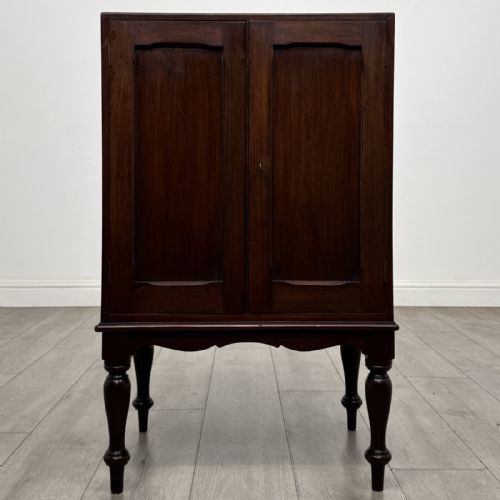
A cupboard utilises solid timber doors to conceal internal storage space for general household items.
A bookcase incorporates glazed doors or open upper sections specifically designed for displaying bound volumes.
How should I care for mahogany?
Keep the timber away from direct heat sources and strong sunlight to prevent the mahogany surface from drying out.
Apply natural beeswax occasionally and buff gently with a soft cloth to maintain the lustre.