
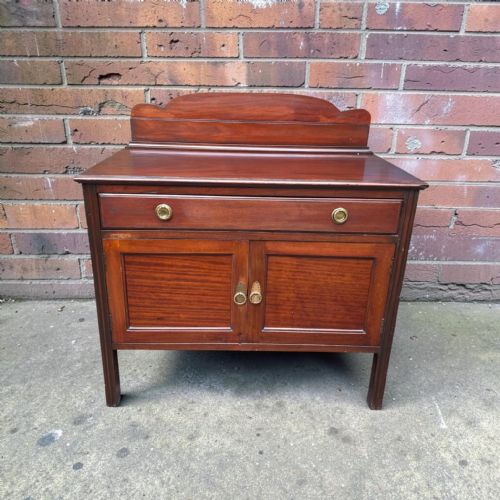
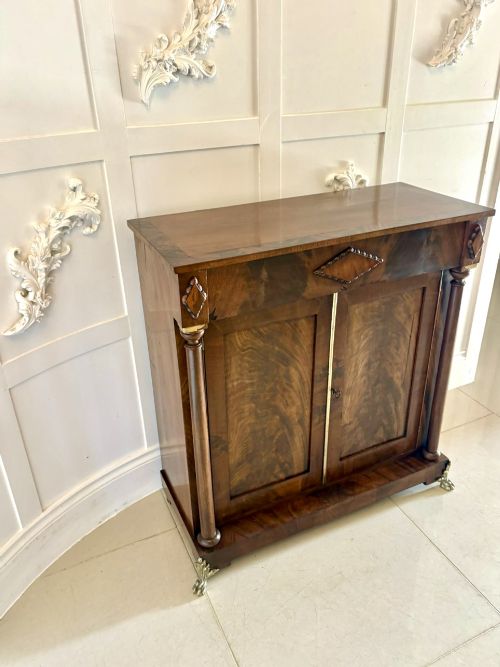
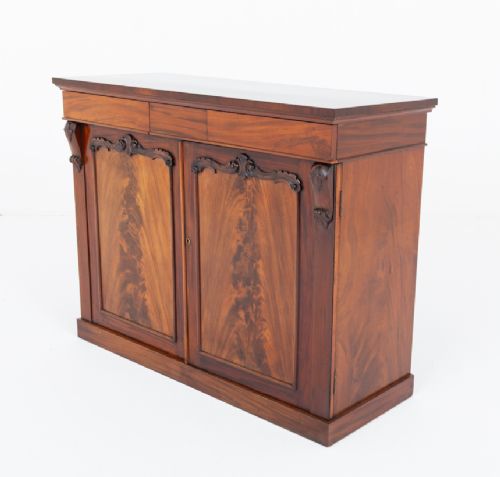
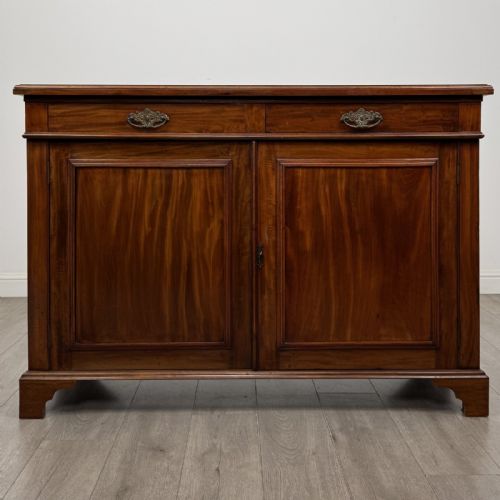


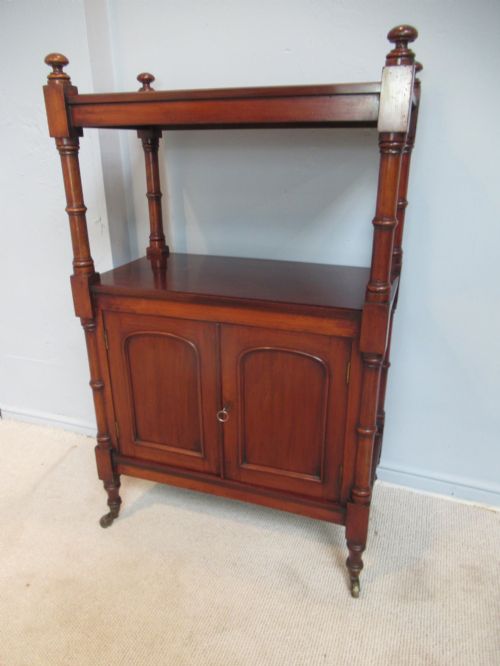


Brown Wooden Chiffonier Cupboard
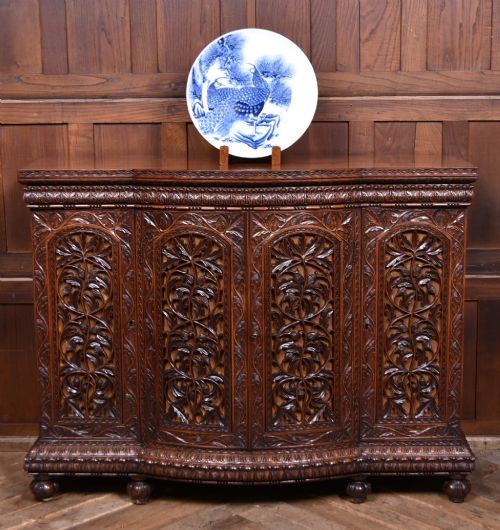
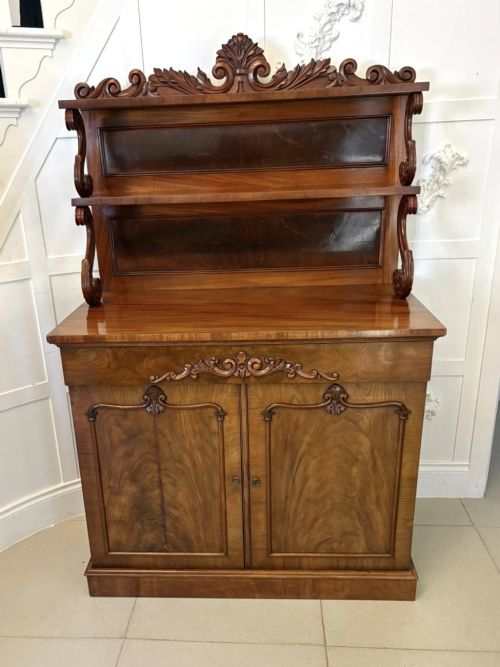
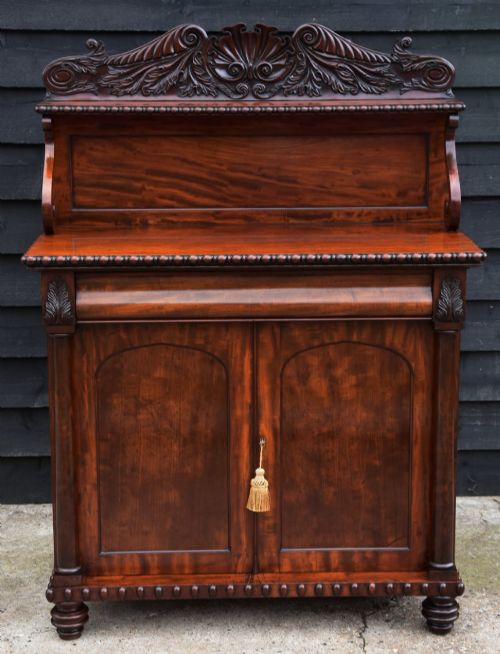
A brown wooden chiffonier cupboard combines lower enclosed storage with display space, offering practical utility and period character for any interior.
Brown Wooden Chiffonier Cupboard
Buyers seeking a brown wooden chiffonier cupboard encounter low, practical sideboard forms primarily originating from the Georgian, Regency, William IV, and Victorian periods. These pieces serve living and dining spaces by combining enclosed shelving behind doors with useful surface tops or upper tiers.
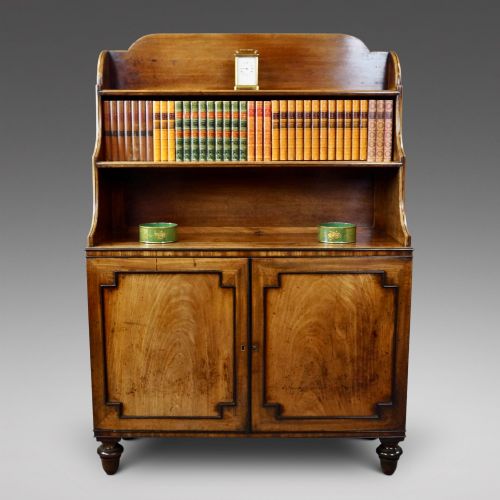
The selections span distinct stylistic eras, ranging from restrained Georgian proportions to heavier Victorian iterations and refined Regency designs. Side cabinets, two-door cupboards, and waterfall bookcases also appear alongside classic chiffonier configurations.
Mahogany remains the dominant wood across the listings, frequently appearing with figured veneers, alongside alternative timbers like pollard oak, walnut, and goncalo alves. These variations provide both simple utility pieces and more decorative variants.
Materials and construction methods
Cabinetmakers constructed these pieces predominantly using solid mahogany and native or exotic hardwoods, often applying flame mahogany, burr, or pollard oak veneers to create striking grain patterns on the main surfaces. Brass hardware frequently provides functional and decorative accents.
Joinery techniques follow traditional cabinet-making standards of the 19th century, ensuring sturdy frames for multi-tiered shelves and enclosed two-door compartments. Secondary timbers and secondary framing support the primary show woods across both Georgian and Victorian examples.
Listings feature 19th-century periods including Georgian, Regency, William IV, and Victorian eras.
Factors determining quality
Quality rests significantly on the selection of timber veneers, where highly figured mahogany, goncalo alves, or pollard oak elevate a standard cabinet into a notable piece. The crispness of carved details and the balance of proportions also distinguish finer examples from utilitarian ones.
Construction integrity, including the stability of tiered shelves and the alignment of two-door cupboards, separates superior workshop output from simpler production. Original brass fittings and well-preserved surface patination further indicate better craftsmanship.
The Brown Wooden Chiffonier Cupboard Glossary
- Chiffonier
- A low sideboard or cabinet, typically featuring enclosed cupboards below and sometimes shelves above. It developed during the Regency and Victorian periods for dining room and parlour use.
- Flame Mahogany
- A veneer cut from the branch junctions of the mahogany tree, producing a distinctive, flickering flame pattern. Cabinetmakers prized this figure for drawer fronts and door panels.
- Goncalo Alves
- A dense exotic hardwood sometimes used in Regency cabinetmaking for its rich, contrasting brown figuring. It provides a striking alternative to standard mahogany.
- Pollard Oak
- Timber taken from trees that have been pollarded, resulting in gnarled, highly decorative growth rings. It appears on select Regency and Victorian cabinets.
- Waterfall Bookcase
- A set of open shelves that progressively decrease in depth from bottom to top, creating a stepped profile. This form appears alongside standard chiffonier designs in the nineteenth century.
Brown Wooden Chiffonier Cupboard: Frequently Asked Questions
What is a chiffonier?
A chiffonier is a low compact sideboard designed primarily for the dining room or parlour during the 19th century. It usually provides enclosed storage behind doors, sometimes paired with upper shelving.
These cabinets served to store dining silver, linens, or books while offering a surface for serving or display.
How do I date a chiffonier?
Dating relies on stylistic markers such as Regency curves, Georgian proportions, or heavier Victorian carving. The choice of primary timbers, including flame mahogany or pollard oak, also guides the timeline.
Examining construction details and secondary woods helps confirm whether a piece belongs to the early 19th century or the later Victorian era.
Where should I place a side cabinet?
These cabinets suit dining rooms, living rooms, and hallways due to their relatively shallow depth and low profile. They fit well against walls where a full-sized sideboard might prove too bulky.
The top surface allows for lamps, books, or decorative objects, while the lower cupboards conceal clutter.
What is pollard oak?
Pollard oak is a decorative timber derived from trees pruned near the trunk to encourage dense, textured branching. This growth produces a swirling, mottled grain highly prized in Regency and Victorian furniture.
Cabinets utilising this wood display rich brown tones and complex natural patterns.