

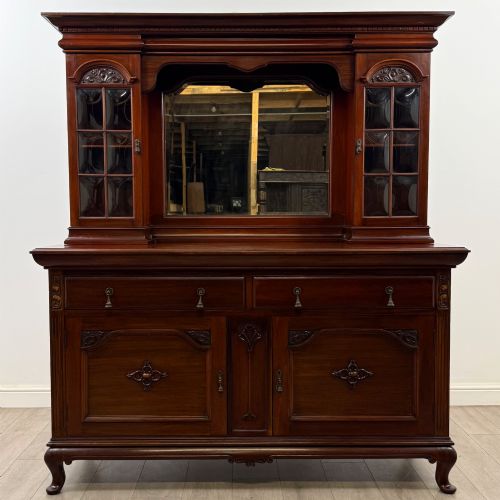
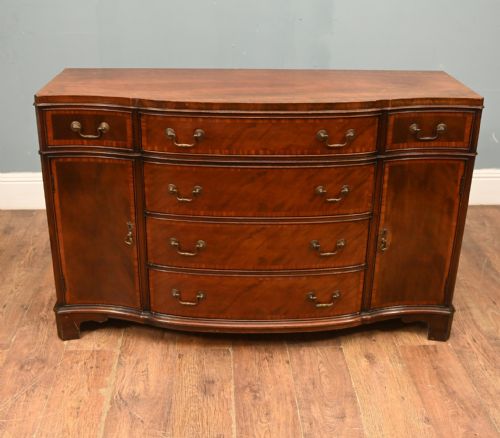
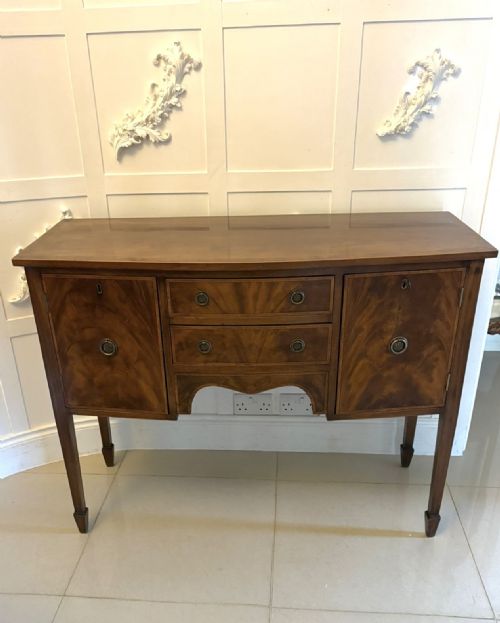


Vintage Mahogany Server Cupboard
A vintage mahogany server cupboard brings robust storage and deep timber grain to a dining space, uniting practical function with period elegance.
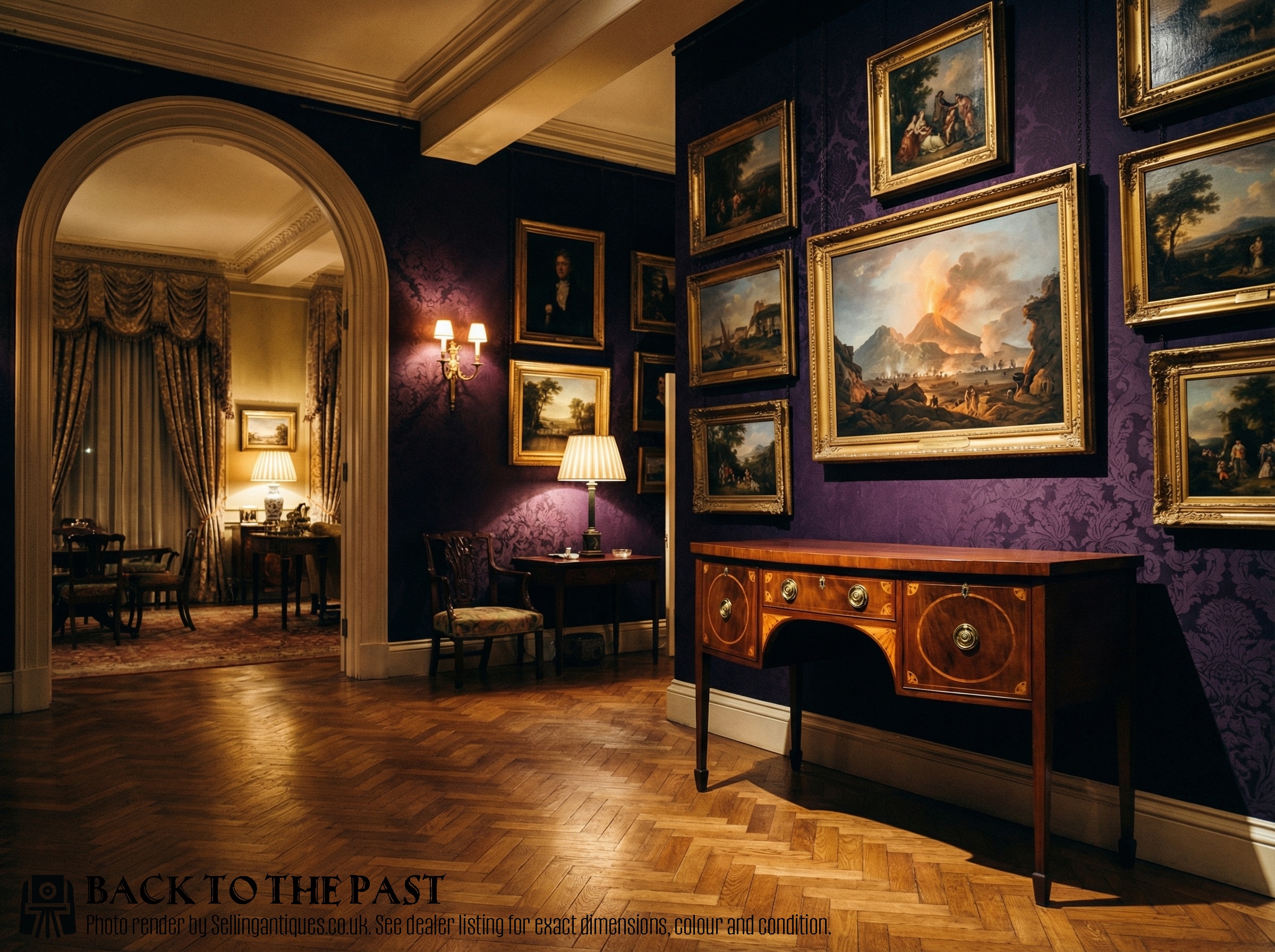
Vintage Mahogany Server Cupboard
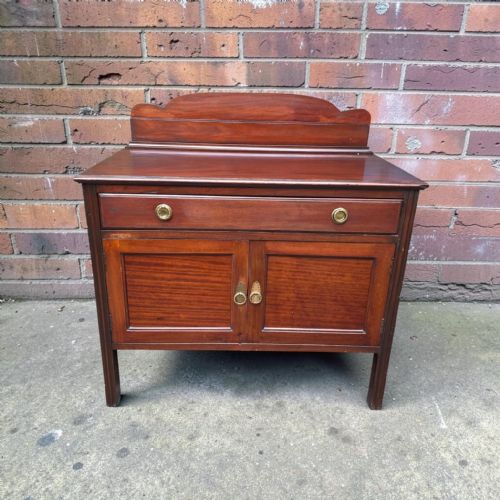
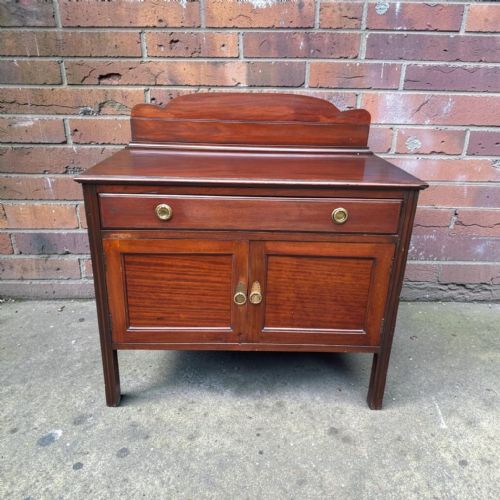
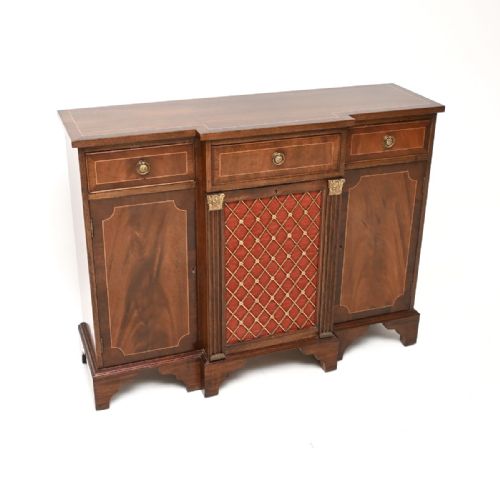
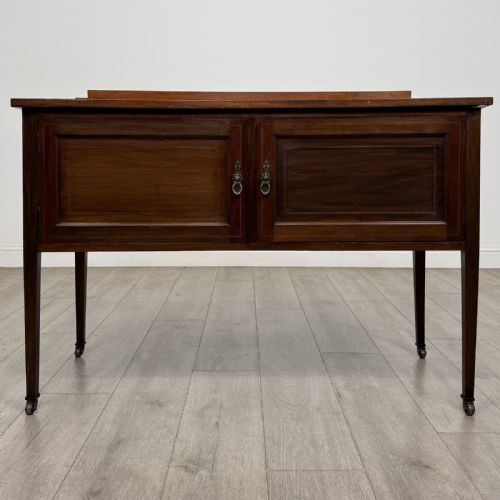
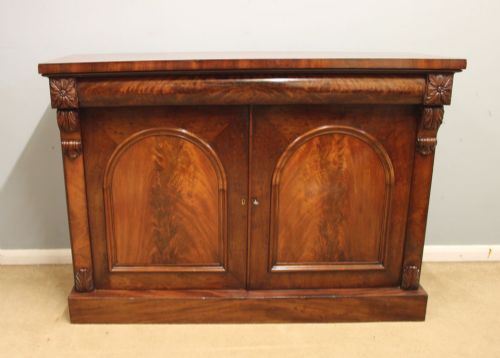
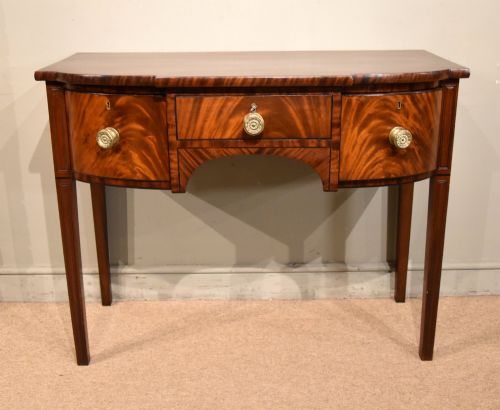
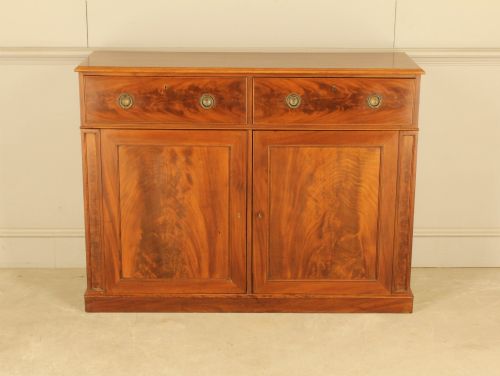
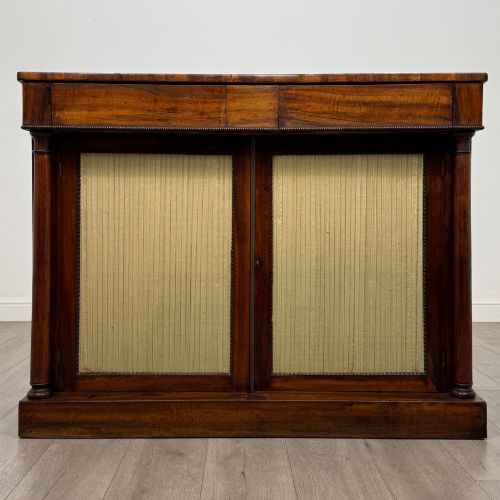
A vintage mahogany server cupboard encompasses a practical variety of dining room storage forms, including sideboards, chiffoniers, side cabinets, and buffets. When searching for a vintage mahogany server cupboard, buyers encounter pieces primarily originating from the nineteenth century, the Victorian era, the Regency period, and the Edwardian years.
The selections span distinct regional interpretations and revival movements, featuring items built in French Louis Philippe style, Georgian Revival, and Edwardian Art Nouveau. Formats range from bow-front and serpentine designs to two-door and three-door storage cabinets with integrated serving surfaces.
Many items function as low-profile sideboards or compact chiffoniers designed for holding dining silver, linens, and provisions. These foundational forms reflect the evolving domestic storage needs of the nineteenth and early twentieth centuries.
What varies in quality
Quality rests significantly in the selection and application of the timber veneer, where book-matched flame mahogany demonstrates superior cabinet-making ambition over plain sawn boards. The intensity of the grain figure and the uniformity of the polish determine the visual impact of the primary surfaces.
Structural integrity depends on the precision of drawer dovetailing, the snug fit of cabinet doors, and the original quality of the brass fittings. The integration of auxiliary materials like marble and glass also marks the distinction between standard utilitarian storage and more ambitious decorative server furniture.
Vintage Mahogany Server Cupboard Retail Price Guide 2026
Typical asking prices for vintage mahogany server cupboard among the pieces listed under this phrase on Sellingantiques today, from the lower quarter to the upper quarter. They describe what is for sale here now, not the wider market.
One solid mahogany chiffonier bears later hand-painted sign-writing for the Red Lion public house, recording an unexpected shift from dining room to tavern.
The Vintage Mahogany Server Cupboard Glossary
- Chiffonier
- A low sideboard or cabinet featuring enclosed shelving beneath a serving surface, often surmounted by a small gallery back. This form gained widespread popularity during the nineteenth century for domestic dining storage.
- Flame mahogany
- A veneer cut from the branch junctions of the mahogany tree, displaying a characteristic swirling flame pattern. Cabinet makers prize this figuring for its dramatic visual movement.
- Bow front
- A convex curved cabinet front that projects outward in a gentle arc. This contour softens the profile of large dining room storage pieces.
- Serpentine front
- A cabinet front featuring a central convex curve flanked by concave sweeps, creating an undulating outline. This shaping demands advanced joinery skills and indicates finer workshop production.
- William IV period
- A transitional design phase spanning the 1830s characterised by robust proportions and classical restraint. Furniture from this era often utilises dense mahogany stocks with restrained carved ornamentation.
Vintage Mahogany Server Cupboard: Frequently Asked Questions
What is the difference between a chiffonier and a sideboard?
A chiffonier is typically a more compact piece of furniture that often includes a raised back tier above the main surface, whereas a sideboard is generally longer and designed primarily for serving meals and holding dining accessories.
Both forms utilise mahogany construction and provide enclosed cupboard space beneath the top surface, though chiffoniers lean toward smaller scale domestic rooms.
How do I care for a mahogany veneer surface?
Maintain the polished finish by dusting regularly with a soft, dry cloth and avoiding placement near direct heat sources or strong sunlight. These precautions protect the delicate timber veneers from drying out or splitting.
Apply a traditional beeswax polish sparingly when the wood appears dry to nourish the grain without building up heavy residue.
Where were these server cupboards placed in a home?
Historically, these pieces stood against dining room walls to hold serving dishes, cutlery, and glassware during large meals. Their flat tops served as convenient staging areas for food and drink before guests.
In modern interiors, they function equally well in hallways and living spaces for general media and household storage.
How can I identify a Regency period piece?
Regency items generally display classical proportions, dark Cuban mahogany timbers, and minimal carved embellishment that relies on the natural grain. Look for restrained brass inlay and clean structural lines typical of the early nineteenth century.
Construction details such as hand-cut dovetails and solid secondary framing timbers help confirm the period origins.