
Georgian Mahogany Sideboard Cabinet
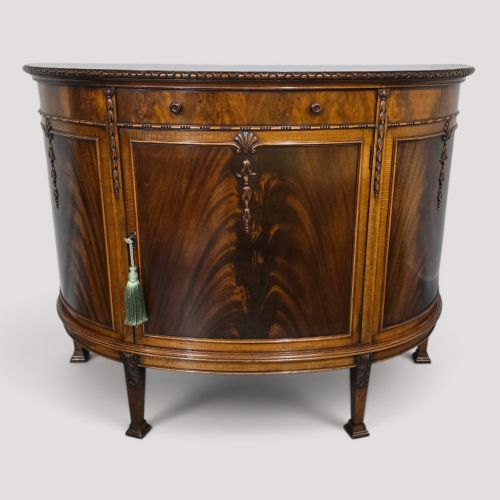
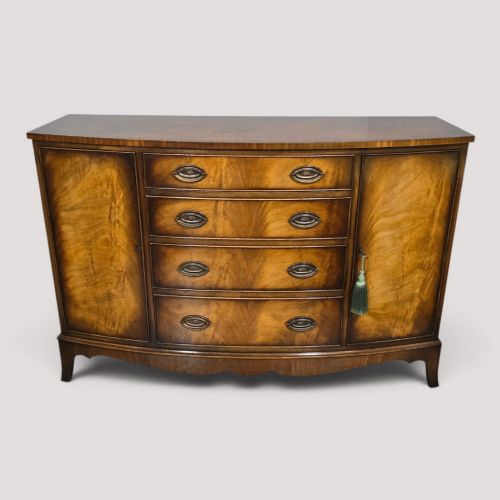
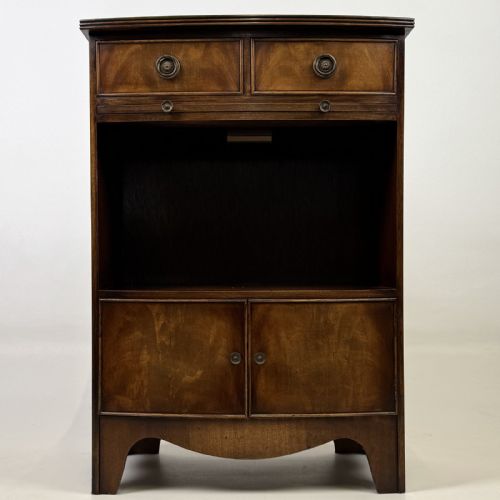
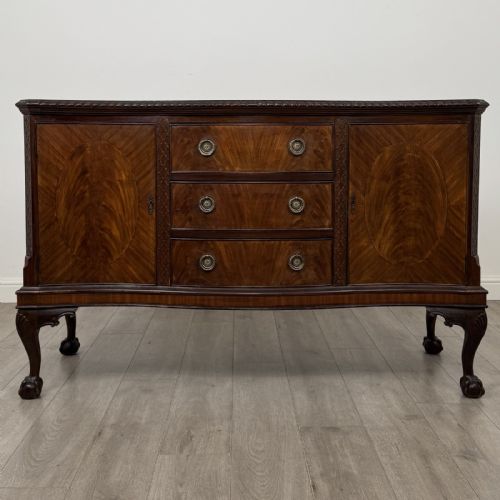
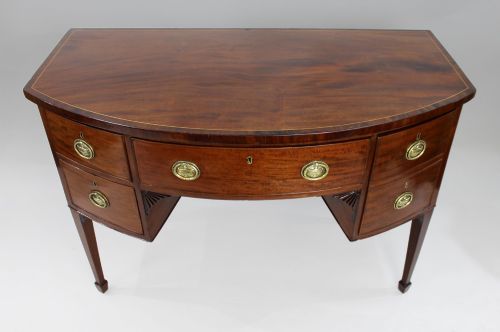
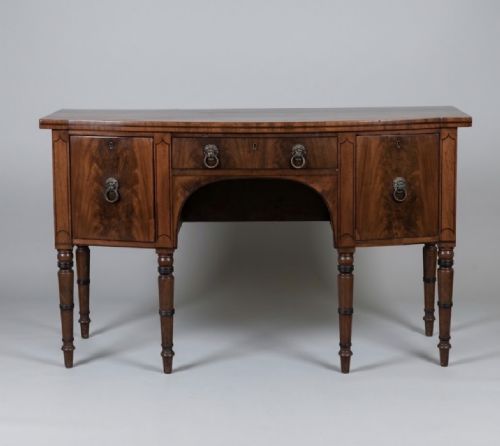
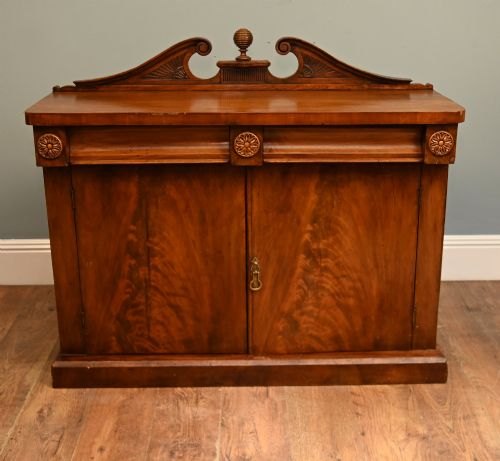
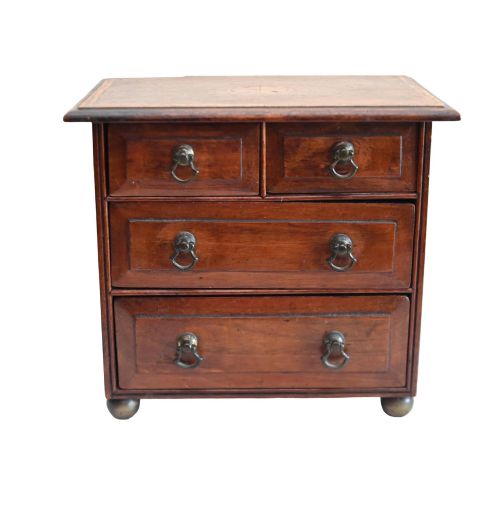
A georgian mahogany sideboard cabinet brings rich timber and refined proportion into a dining room.
Georgian Mahogany Sideboard Cabinet
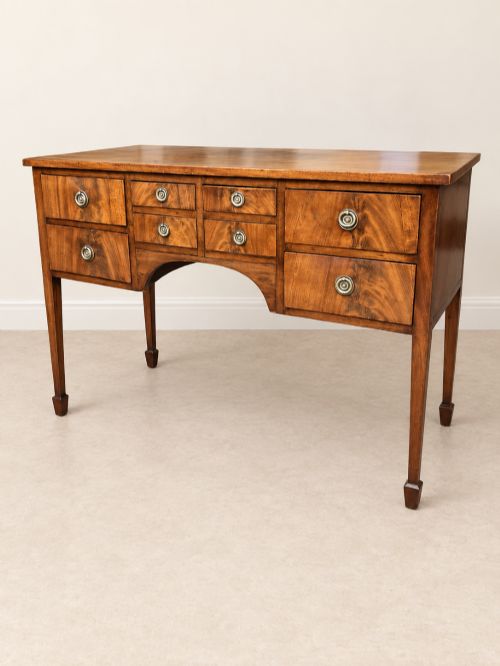
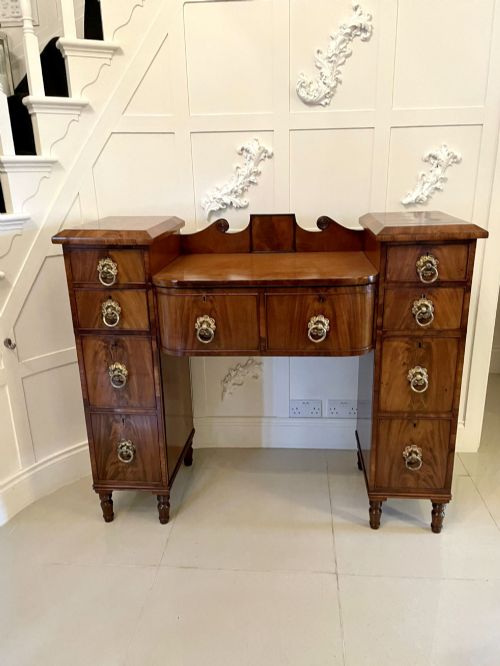
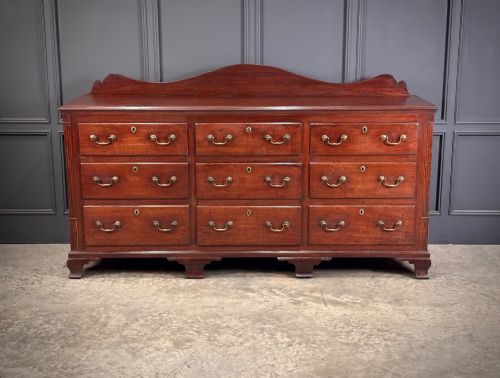
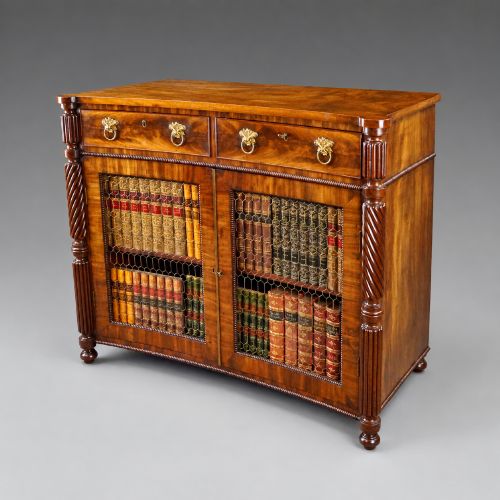
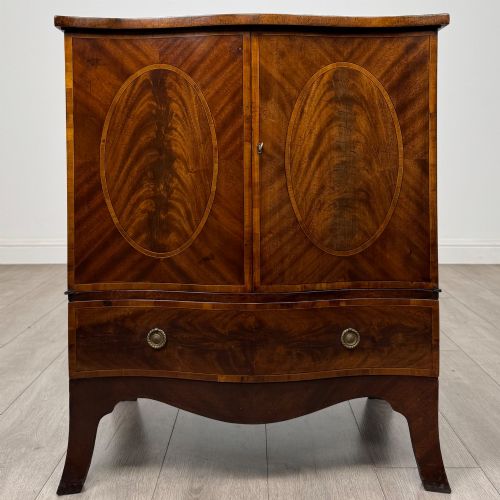
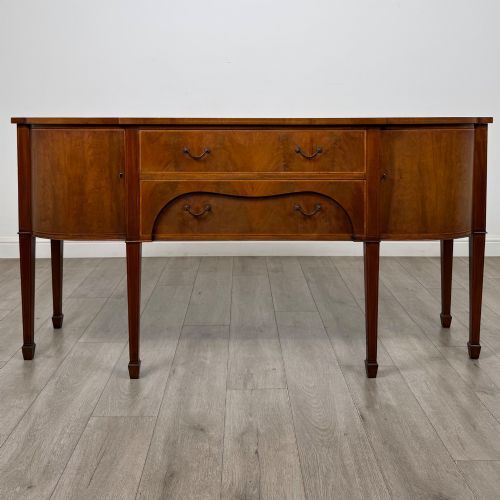
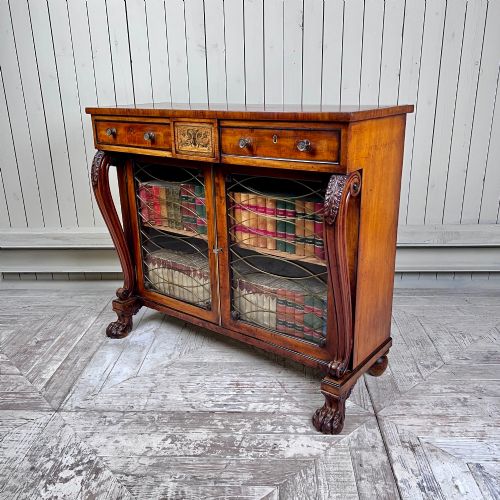
A georgian mahogany sideboard cabinet combines storage and surface utility, originating primarily in the eighteenth and nineteenth centuries to serve dining spaces. These pieces span formal George III dining servers, Regency chiffoniers, and later revival forms that adapt the same essential storage functions.
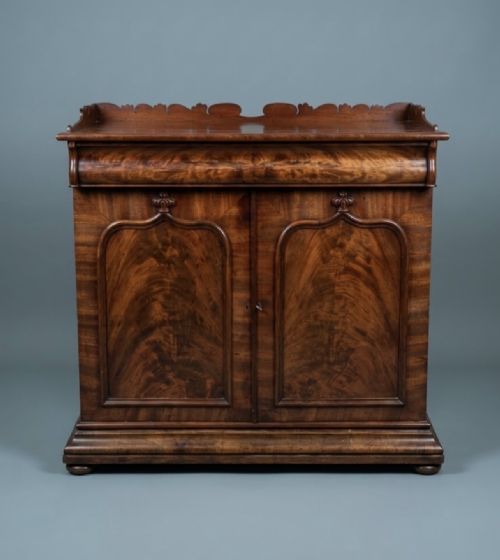
Buyers encounter numerous variations, including bow-fronted servers, serpentine cabinets, and low cupboards fitted with doors and drawers. Flame mahogany and figured grains dominate the appearance, often accented by inlaid boxwood or satinwood stringing.
Origins stretch from genuine Georgian and Regency periods through to Edwardian and later twentieth-century reproductions built in the same classical idiom. Sideboards, side cabinets, and chiffonier bookcases all populate this category, offering deep cupboards and drawers for dining porcelain and linen.
What varies in quality
Quality rests heavily on the selection of timber veneers and the harmony of the overall proportions. Highly figured flame mahogany matched symmetrically across multiple doors or drawers indicates superior cabinetmaking ambition.
The crispness of inlay work and the refinement of brass mounts separate standard utility pieces from exceptional examples. Subtleties in the curvature of a serpentine or bow front reveal the maker's skill in handling difficult geometric shapes.
Listings span multiple eras from the 18th Century through the Victorian period and Edwardian revivals, predominantly utilising mahogany, flame mahogany, and brass.
M D Miller And Sons
The Georgian Mahogany Sideboard Cabinet Glossary
- Flame mahogany
- A veneer figure resembling flickering flames, prized for its dramatic pattern. It is sliced from timber where the branch meets the trunk.
- Bow front
- A convex, outward-curving front section typical of many refined sideboards and cabinets. This shape softens the room's angles while expanding internal capacity.
- Serpentine
- A gently undulating front profile featuring a convex centre flanked by concave curves, or vice versa. It demands high precision from the cabinetmaker.
- Chiffonier
- A compact sideboard or low cabinet, frequently fitted with shelves or a superstructure on top. Regency examples often incorporate brass grille doors or silk panels.
- Stringing
- Thin inlay lines of contrasting wood, such as boxwood or ebony, used to outline panels and drawers. It adds geometric definition to plain surfaces.
Georgian Mahogany Sideboard Cabinet: Frequently Asked Questions
How do I spot a true Georgian piece?
Examine the secondary woods inside the drawers and carcase, such as oak or pine, alongside the hand-cut dovetail joints. Construction methods and timber ageing provide the clearest indicators of original eighteenth-century manufacture.
Style characteristics like understated bracket feet and restrained stringing also help separate period originals from later Edwardian or twentieth-century revivals.
Where were sideboards used originally?
Dining rooms formed the primary home for these cabinets, where servants prepared dishes, stored silverware, and kept linens close at hand. Their surfaces held serving trays and dishes during large family meals.
Today, they transition easily into living spaces and hallways, offering practical storage for modern household items while retaining historical character.
What is the difference between a sideboard and a chiffonier?
Sideboards are generally broader pieces designed specifically for dining room storage, featuring a mix of long drawers and deep cupboards. They provide a wide top surface for serving food.
Chiffoniers are typically smaller and often include enclosed shelving or a low bookcase superstructure on top. They originated as multi-purpose cabinets for smaller entertaining spaces.
How do I care for mahogany furniture?
Keep these cabinets away from direct sunlight and heat sources to prevent the timber and veneers from drying out or splitting. Consistent indoor humidity preserves the structural integrity of the old joints.
Apply traditional wax polish occasionally to nourish the grain and maintain the deep lustre of the mahogany surface without building up heavy chemical residues.