

Georgian Turned Leg Side Table
A georgian turned leg side table is a practical timber surface offering simple proportions and functional design for everyday domestic use.
Georgian Turned Leg Side Table
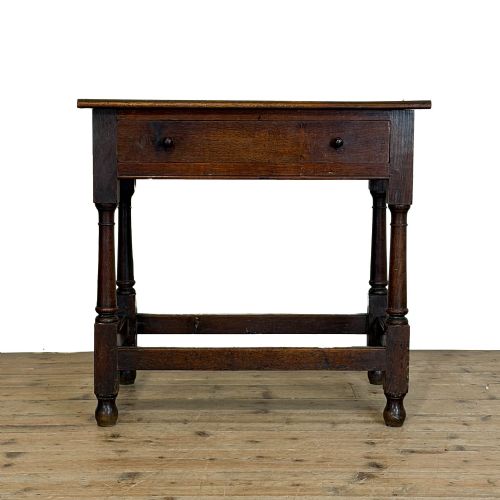
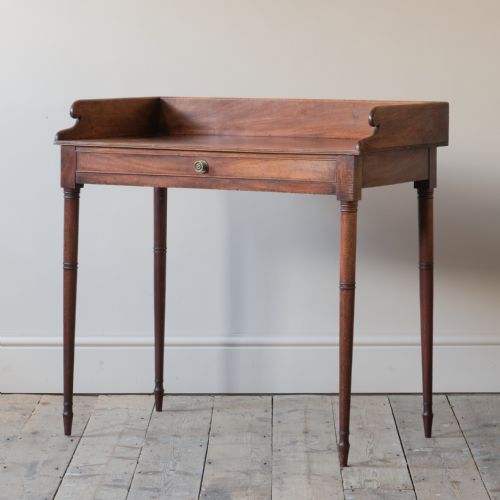
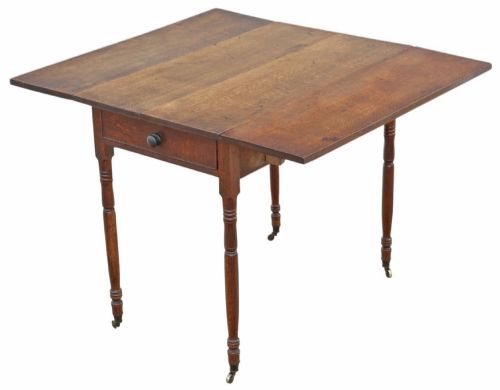
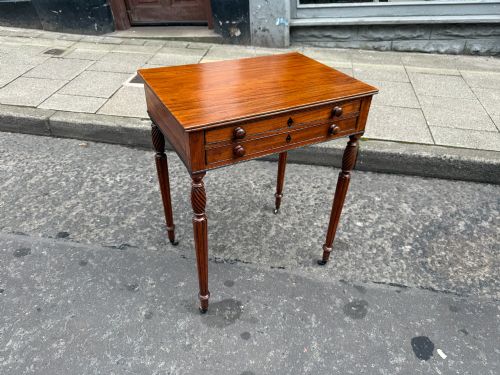
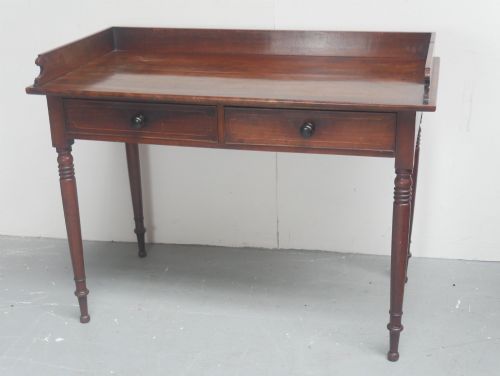
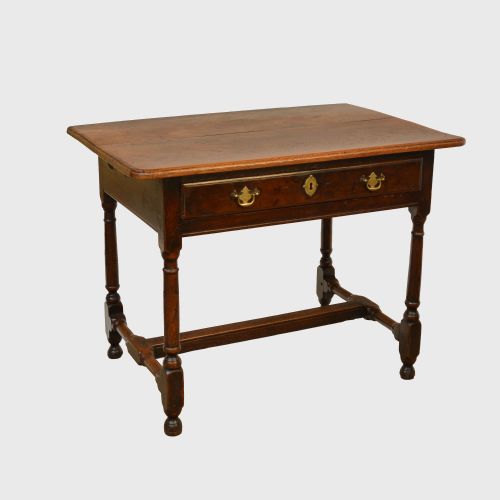
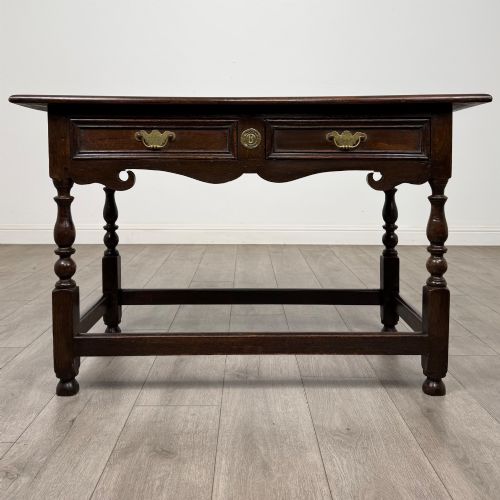
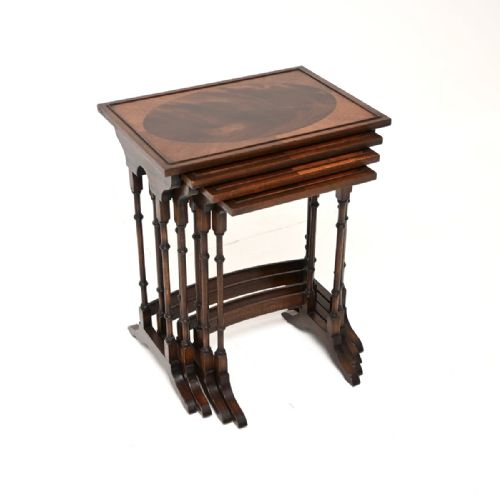
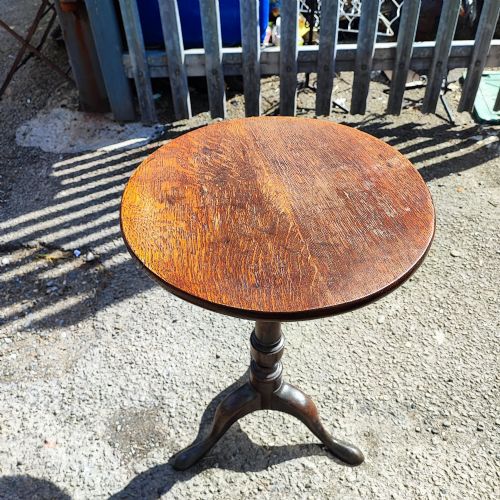
A georgian turned leg side table appears primarily in oak or mahogany, often built with straightforward rectangular tops and sturdy supports shaped on a lathe. These functional surfaces served various domestic tasks in period rooms, ranging from holding small objects to providing a stable ledge beside a chair.
The selections span from the eighteenth century into the nineteenth century, including pieces linked to the Georgian and Regency periods. While side tables form a core part of the selection, related occasional furniture such as tripod wine tables, work tables, and small gateleg tables also appear in the record.
Materials and Construction
Makers utilised solid timbers such as mahogany and oak, occasionally incorporating secondary woods like elm, yew, or pine for internal elements. Surfaces frequently display visible grain patterns, developed through hand-planing and traditional joinery methods appropriate to domestic cabinet making.
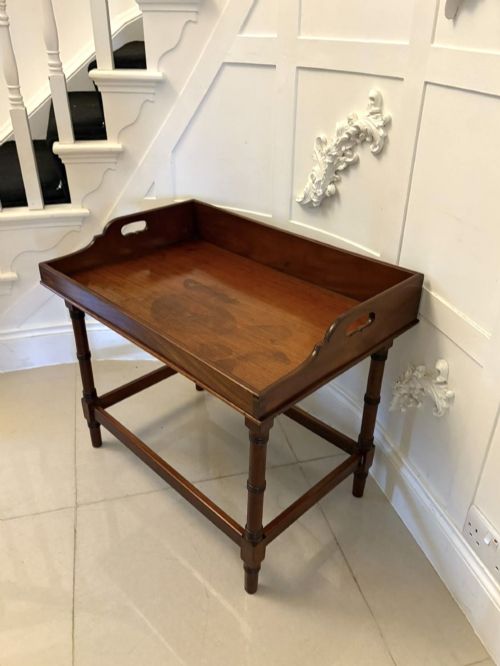
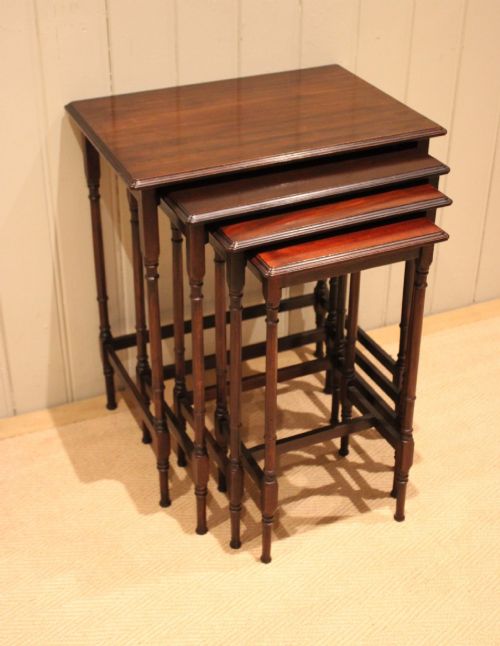
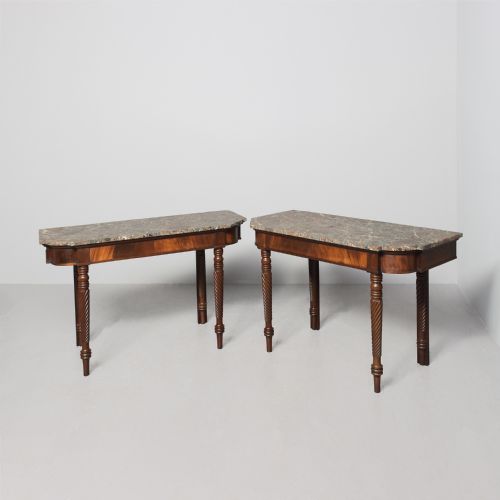
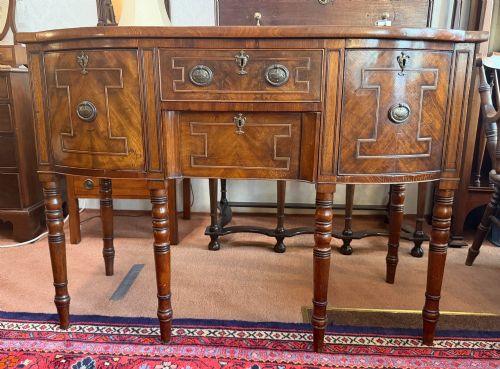
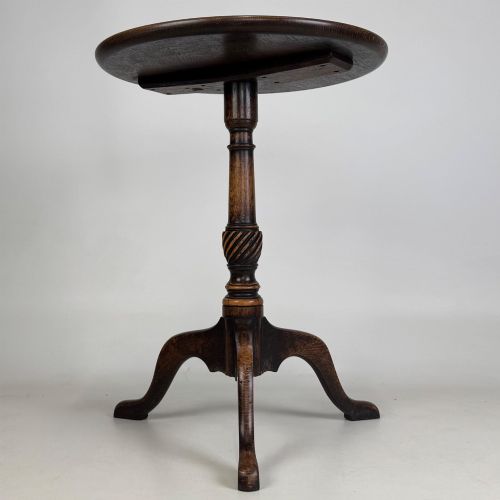
Supports were shaped using a lathe to produce distinct turned profiles, from simple cylindrical columns to ring-turned or bobbin details. These turned legs connect directly to the underside of the top or via plain wooden rails, securing the structural integrity of each piece.
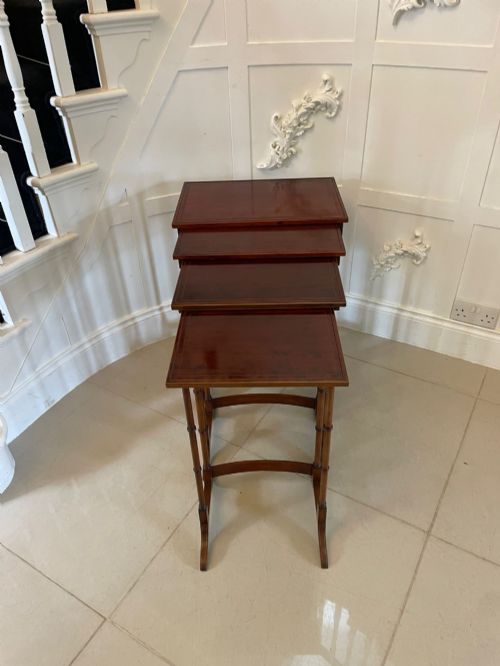
Object forms recorded on this page include side tables, occasional tables, nests of tables, wine tables, washstands, desks, and dining tables.
Assessing Quality
Quality rests heavily on the selection of timber and the crispness of the turned components. Pieces fashioned from dense, well-figured mahogany or mature oak demonstrate greater durability and visual depth than those built from lesser, plain boards.
Construction details differentiate standard utility items from finer examples. Precise joints, well-proportioned turned legs that balance the weight of the top, and untouched surfaces displaying natural patination indicate careful workshop production.
The Georgian Turned Leg Side Table Glossary
- Turned leg
- A wooden support shaped on a lathe by rotating the timber against cutting tools. This technique produces symmetrical circular profiles such as reels, vase shapes, or plain columns.
- Side table
- A small domestic table designed to stand against a wall rather than in the centre of a room. These pieces provide a compact surface for lamps, books, or decorative objects.
- Mahogany
- A durable tropical hardwood imported for British furniture production from the eighteenth century onwards. It accepts fine carving and develops a deep reddish-brown tone over time.
- Oak
- A native hardwood utilised extensively in British furniture making for centuries. It provides strong structural framing and exhibits a distinct, open grain pattern.
- Gateleg table
- A drop-leaf table featuring hinged flaps supported by hinged legs that swing out like a gate. This design allows the surface area to expand or contract depending on space requirements.
Georgian Turned Leg Side Table: Frequently Asked Questions
What is a georgian turned leg side table?
A georgian turned leg side table is a small wooden surface featuring lathe-turned supports, produced during the eighteenth or early nineteenth century for domestic utility.
These pieces typically feature rectangular tops and sturdy underframes, designed to stand neatly against room walls or beside seating.
How were these tables used originally?
These tables served multiple practical purposes in period interiors, from holding lighting devices to supporting writing equipment or decorative ceramics.
Their portable size allowed servants or residents to move them easily between rooms depending on daily household tasks.
How do I care for antique timber furniture?
Maintain timber surfaces by keeping them away from direct heat sources and rapid humidity shifts, which can cause wood to warp or split.
Apply occasional traditional wax polish and buff with a soft cloth to nourish the grain and protect the historical finish.
How can I tell oak from mahogany?
Oak exhibits a pale brown colour with visible flecks and a prominent open grain structure that feels textured to the touch. Mahogany ranges from medium to dark reddish-brown with a tighter, smoother grain pattern.