
Georgian Table Spoons
When you seek georgian table spoons, you are looking at sterling silver and silver flatware forged in 18th-century and 19th-century workshops for dining rooms.
Georgian Table Spoons
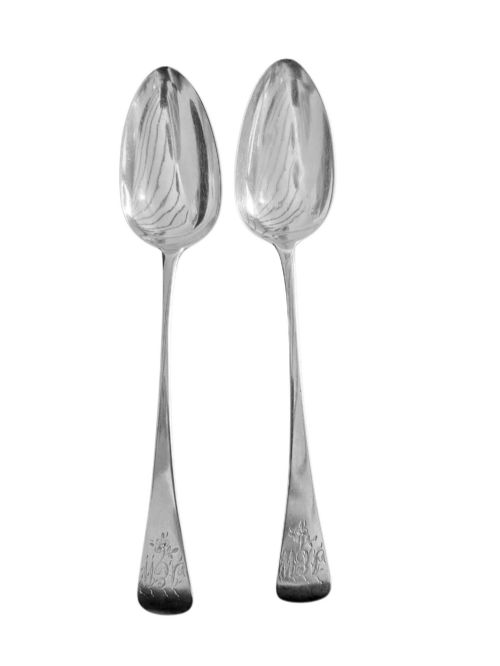
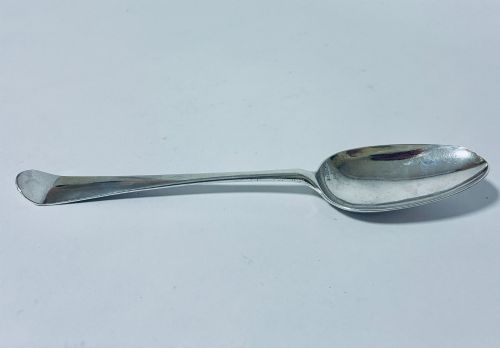
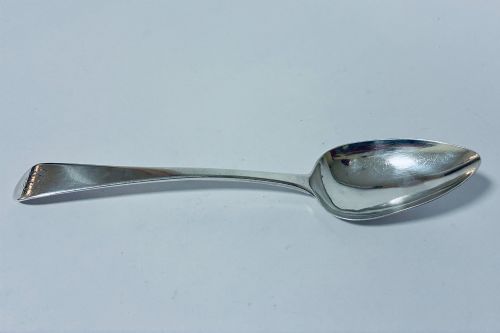
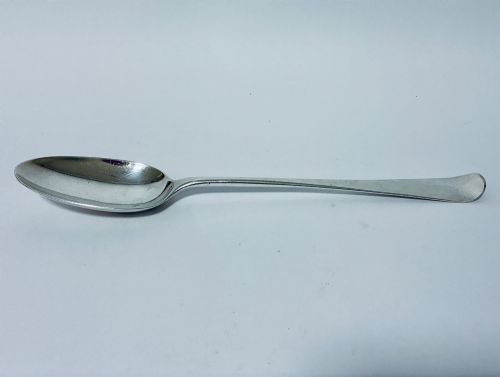
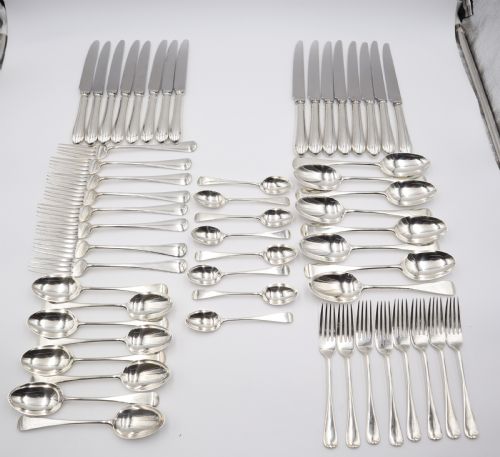
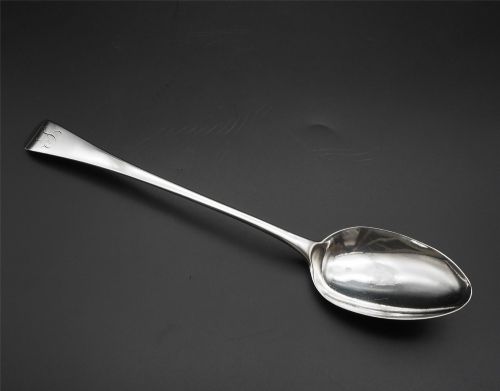
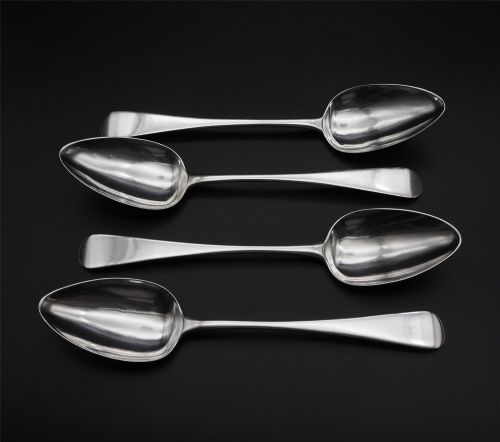
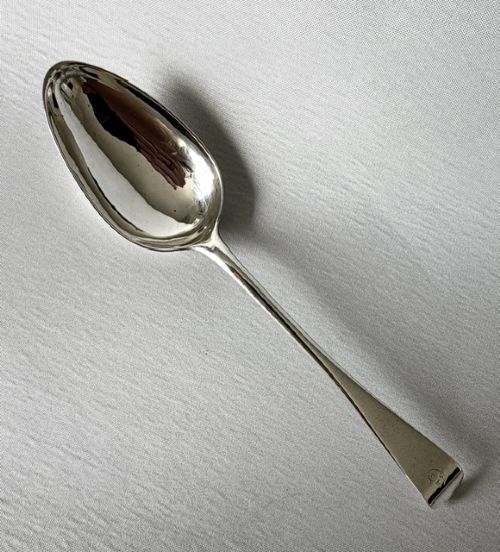
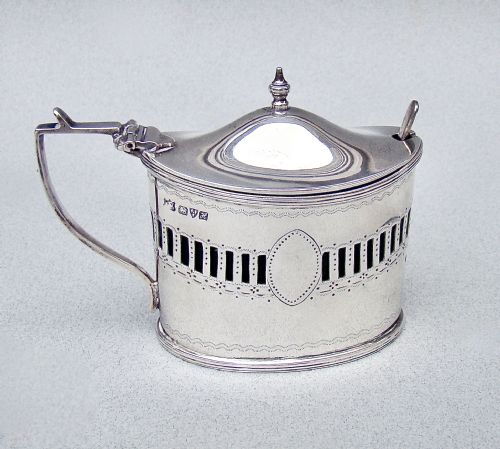
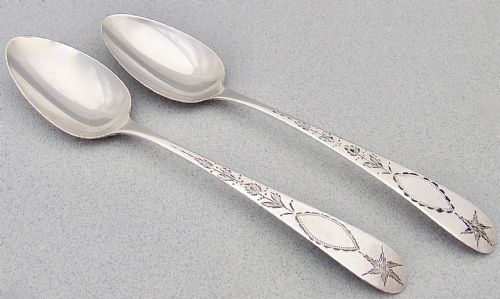
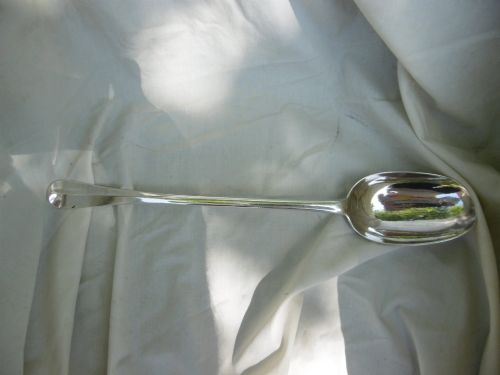
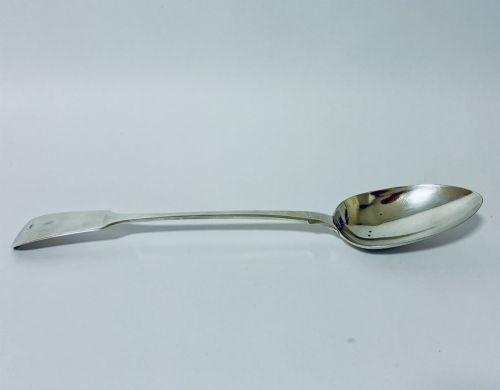
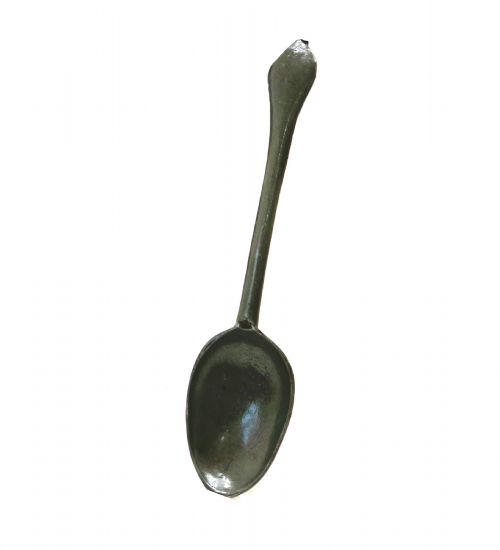
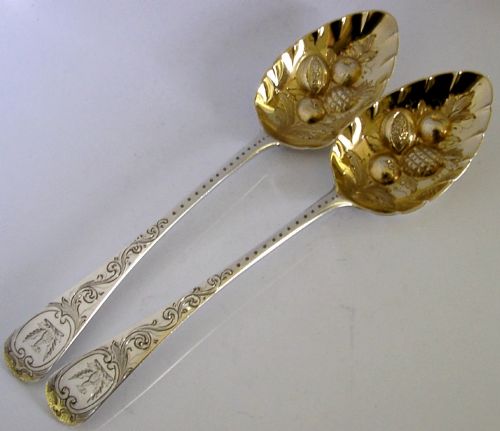
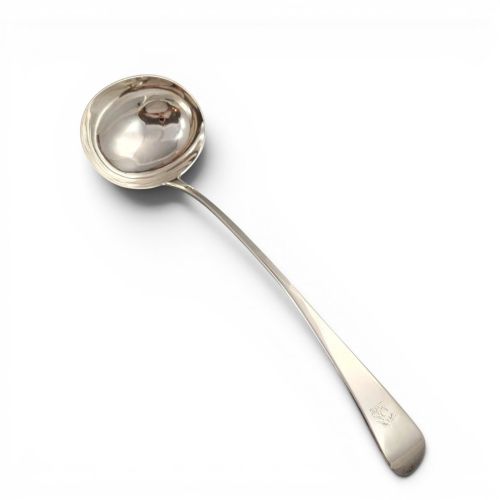
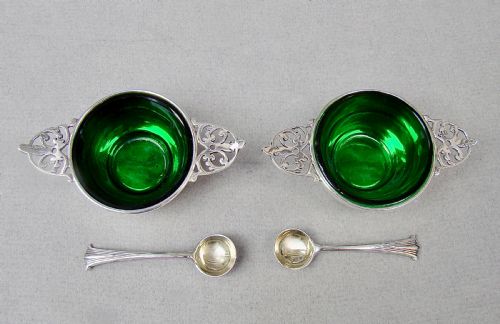
When buyers search for georgian table spoons, they encounter heavy silver flatware designed for grand dining tables. The pieces span the eighteenth century and the early nineteenth century, taking the form of serving spoons, hash spoons, and basting spoons.
The inventory on this page holds many variations of these utensils, ranging from provincial Scottish spoons struck in Inverness to Dublin and London hallmarked silver. Buyers frequently meet serving spoons and tablespoons alongside rarer marrow scoops and gravy strainers.
Makers from various British assay offices shaped these objects during the reigns of George I, George II, and George III. The styles reflect the shifting tastes of the period, from rat-tail designs to Old English pattern handles.
Evaluating the Pieces
The distinction between ordinary and exceptional spoons rests on the crispness of the hallmarks and the weight of the metal. Heavier gauge silver retains its original bowl depth and stem thickness without thinning from centuries of polishing.
Regional provenance and maker attribution elevate certain pieces above standard production work. Clear town marks from provincial assay offices like Exeter, York, or Inverness indicate greater scarcity and workshop distinction.
Several spoons carry engraved family crests, meaning someone centuries ago wanted to ensure nobody else accidentally pocketed the gravy.
John Lambe·Alfred Marston·John Pittar·Andrew Archer·William Scarlett·John Locker·John Wilks·James Tait·Charles Stuart Harris
The Georgian Table Spoons Glossary
- Hallmark
- A series of official stamps applied to silver objects to guarantee purity and trace the maker and year of manufacture.
- Old English pattern
- A traditional eighteenth-century flatware handle design featuring a rounded end turning downwards.
- Rat tail
- A traditional tapering tongue of metal running down the back of the spoon bowl for structural reinforcement.
- Basting spoon
- A large utensil originally used for spooning juices over roasting meat, measuring considerably longer than a standard table spoon.
- Britannia standard
- A higher purity standard of silver introduced by statute in England, containing more pure silver than sterling.
Georgian Table Spoons: Frequently Asked Questions
How do I clean antique silver spoons?
Wash silver gently in warm water with mild soap, then dry thoroughly with a soft cloth to protect the antique surface.
Avoid abrasive dips or harsh commercial polishes that can wear away crisp hallmarks and delicate engraved details over time.
Were these spoons used for eating daily meals?
Larger tablespoons and serving spoons functioned primarily for serving food from communal bowls to individual plates during grand dinners.
Smaller variants saw direct use at the table for soups, broths, and desserts before modern place settings evolved.
How can I read the date on a spoon?
Inspect the bowl or stem reverse for the assay office mark, which pairs with a specific letter stamp denoting the exact year.
Reference tables compiled from historical assay records match each letter shape to the monarch's reign and year of testing.