


Georgian Style Writing Desk
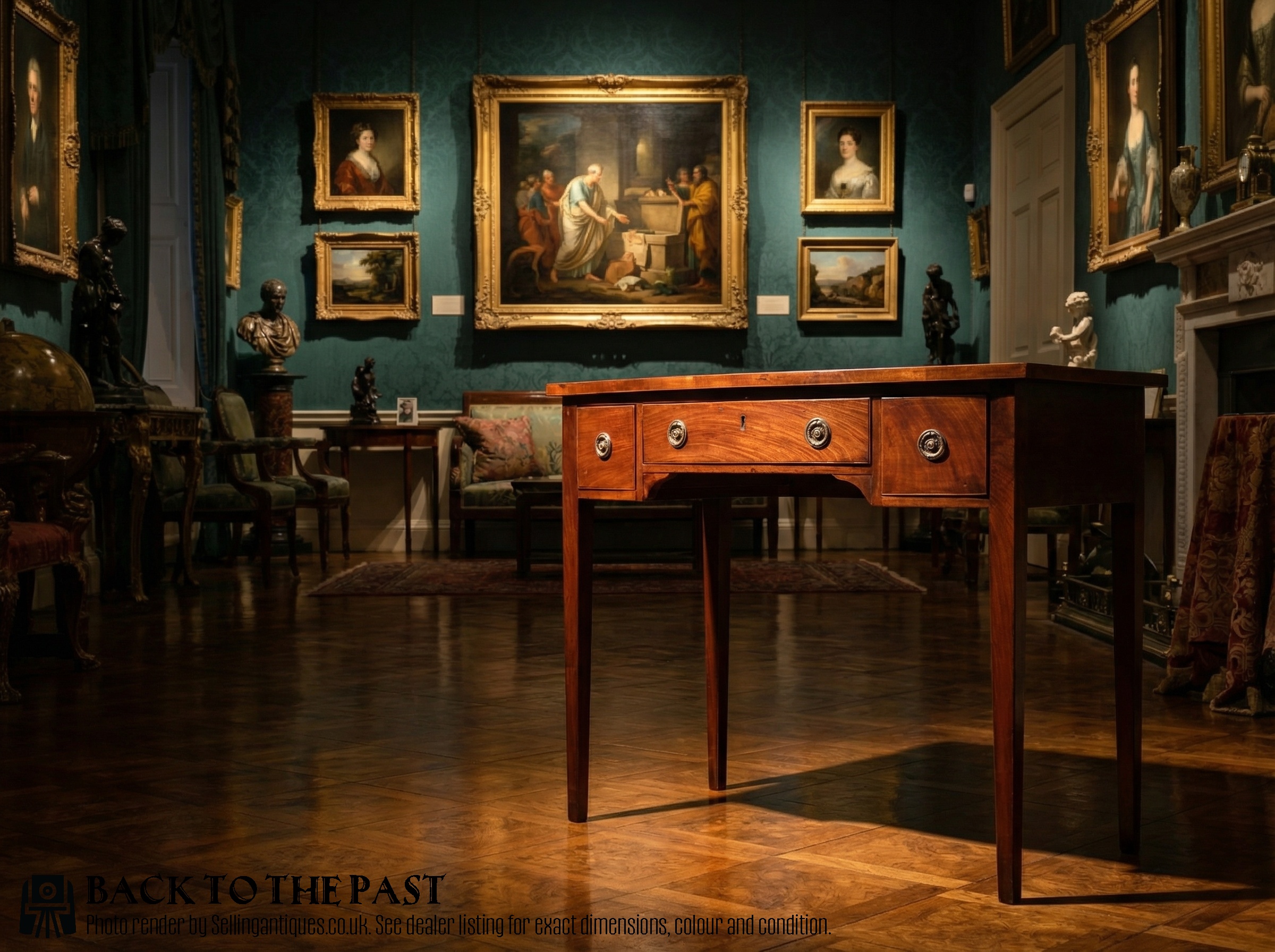
A georgian style writing desk offers classic proportions and practical workspaces for the home study, combining traditional craftsmanship with period elegance.
Understanding the georgian style writing desk
A georgian style writing desk brings classic proportions and disciplined joinery into domestic spaces, echoing the architectural ideals of the eighteenth century. When you search for a georgian style writing desk, you encounter pieces spanning multiple eras, from eighteenth-century originals to Edwardian revivals and later twentieth-century reproductions.
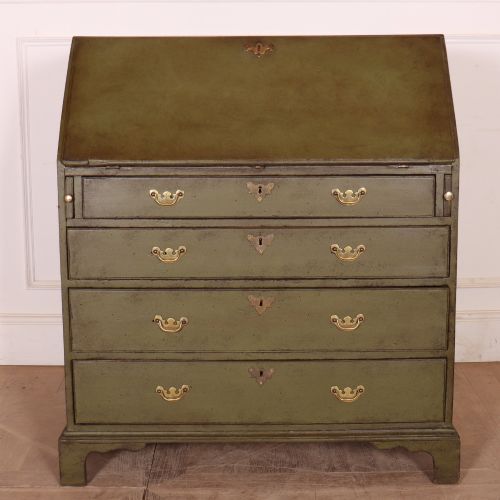
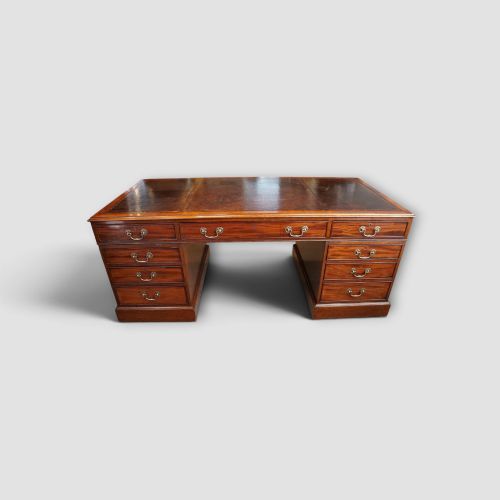
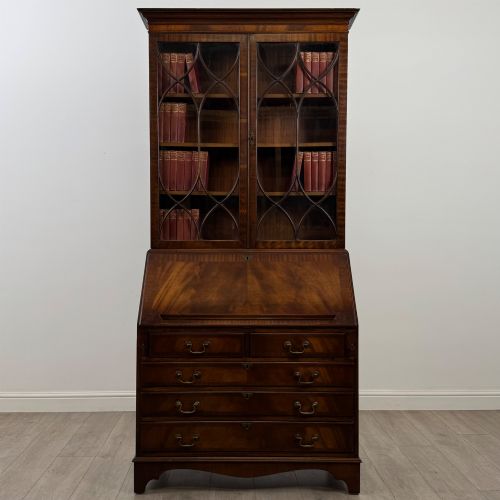
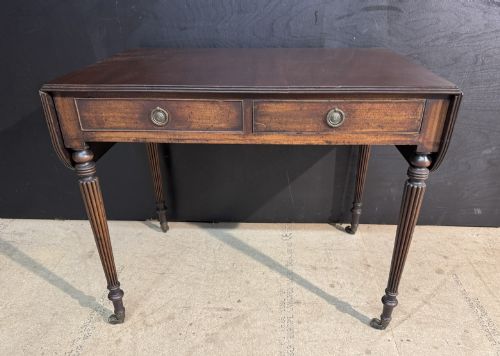
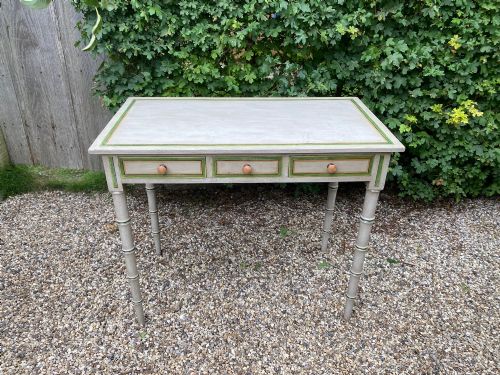
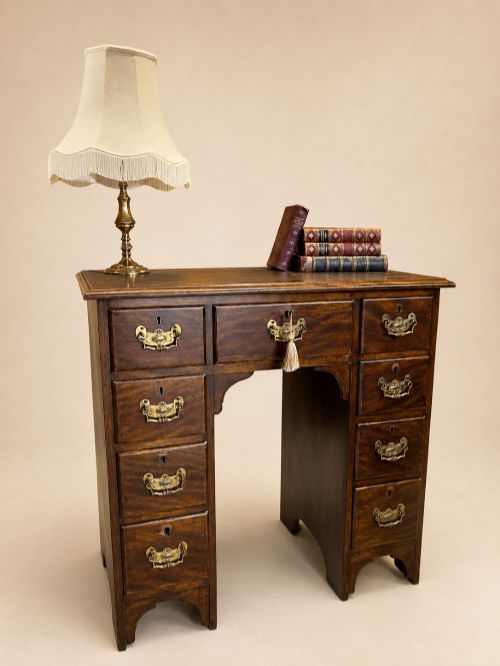
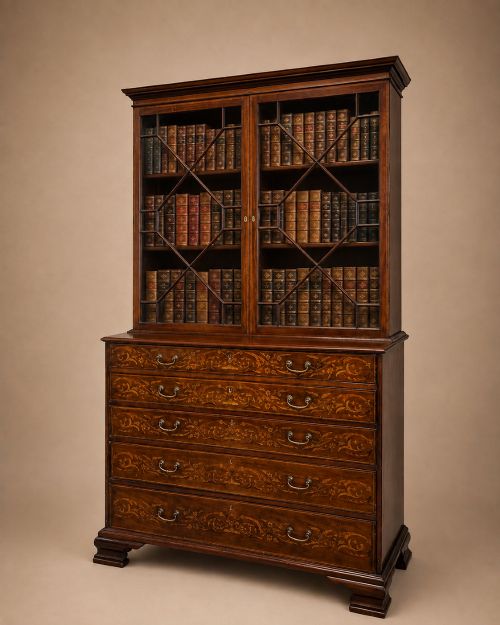
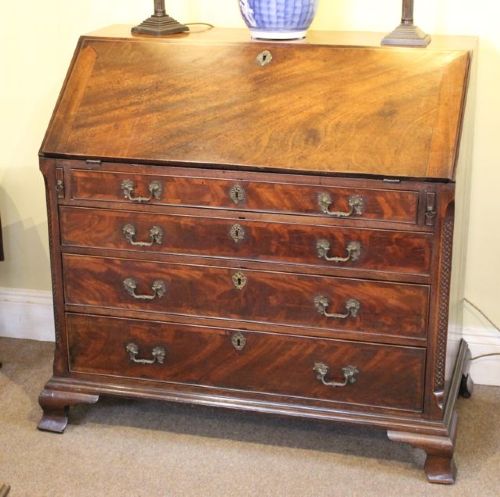
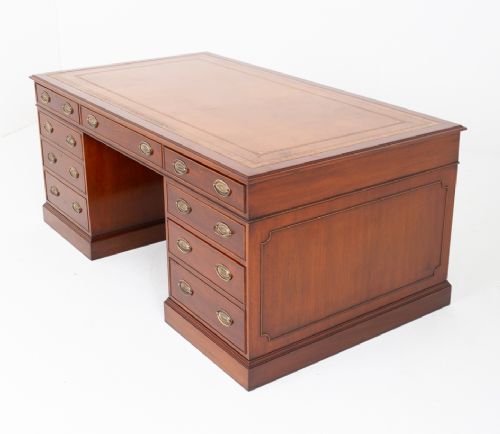
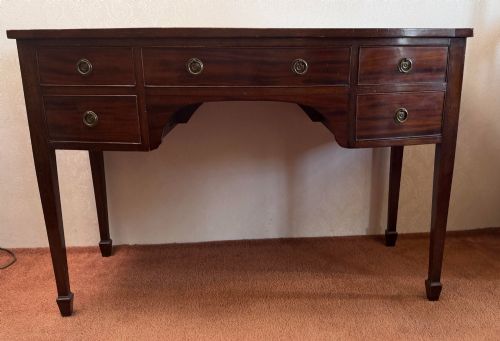
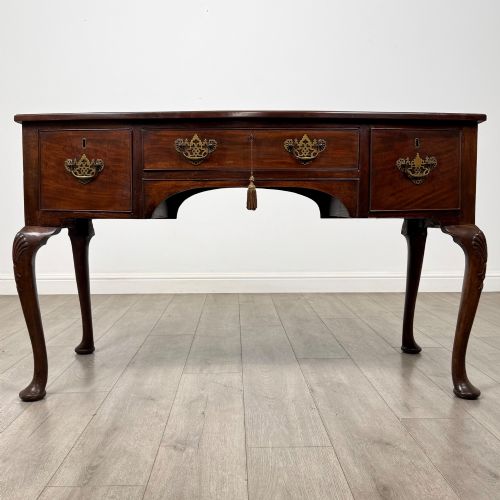
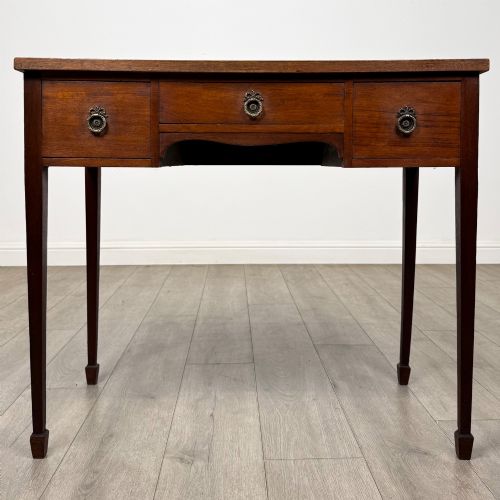
The selection here encompasses various forms including bureaus, bureau bookcases, kneehole writing desks, twin pedestal desks, and ladies writing tables. Oak, mahogany, burr walnut, and painted wood dominate the listings, frequently paired with fitted drawers and writing surfaces.
Revival pieces reflect the enduring popularity of Chippendale, Chinese Chippendale, and Sheraton designs. These interpretations maintain traditional forms while adapting to the domestic requirements of Edwardian and later interiors.
Construction and materials
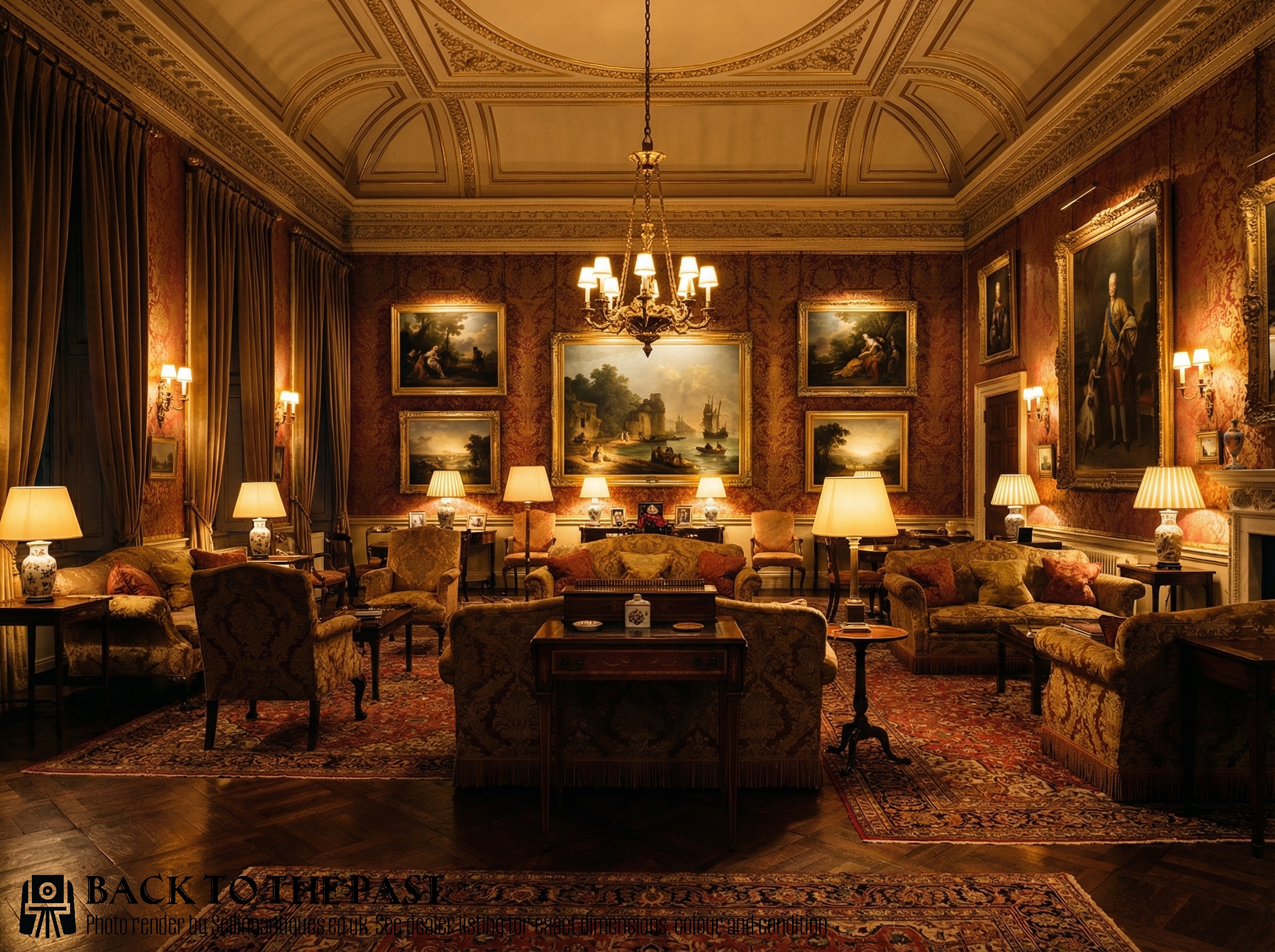
Makers utilised solid timbers and selected veneers such as mahogany, oak, and satinwood, often accentuating the grain with polished finishes. Brass handles, escutcheons, and occasional glass panels complete the structural vocabulary of these desks.
Surface treatments range from clear polish revealing rich timber figures to painted wood finishes. Leather inserts frequently line the writing surfaces of tables and pedestal desks, providing a durable platform for correspondence.
Retail Price Guide 2026
Typical UK retail prices for georgian style writing desk, calculated from the Sellingantiques database of over a million retail prices indexed since 2003. This retail price guide relies exclusively on Sellingantiques data; no external sources or auction records are used, so the figures do not describe the wider market.
Listings span the 18th century, 19th century, Edwardian period, and 1920, incorporating oak, mahogany, burr walnut, and painted wood.
Judging quality and character
Quality rests in the selection of timber figures, the precision of drawer dovetails, and the fidelity of revival carving. Finer examples display harmonious proportions and thoughtful secondary wood use inside drawer linings.
The integration of hardware and the crispness of classical details distinguish superior pieces from standard commercial production. Subtle variations in execution reflect the skill of the cabinetmaker and the intended domestic station of the furniture.
The Georgian Style Writing Desk Glossary
- Bureau
- A writing cabinet featuring a sloping fall-front that opens to reveal a fitted interior of small drawers and pigeonholes. This form provides a concealed workspace when closed.
- Bureau Bookcase
- A tall piece combining a bureau base with upper shelving enclosed by doors. These glazed or panelled upper sections add significant storage capacity.
- Kneehole Desk
- A compact desk featuring a central recessed space for the user's legs, flanked by pedestals of small drawers. This configuration offers generous storage within a modest footprint.
- Pedestal Desk
- A substantial writing table supported by two vertical banks of drawers rather than simple legs. They supply an expansive top surface and extensive internal volume.
- Chippendale Revival
- A late nineteenth or twentieth-century furniture style replicating the rococo, gothic, and chinoiserie designs popularised by Thomas Chippendale. Pieces often showcase intricate fretwork and carved cabriole legs.
Frequently Asked Questions
What is a bureau bookcase?
A bureau bookcase combines a sloping fall-front writing desk at the base with an enclosed shelving unit above. This dual-purpose furniture piece stores writing materials below and books or papers above.
Such items served as combined studies and libraries in traditional homes, offering vertical storage where floor space was limited.
How do I identify revival pieces?
Revival furniture often replicates earlier eighteenth-century aesthetics using woods, construction methods, and hardware characteristic of the Edwardian era or the early twentieth century. Examining the interior secondary timbers and drawer construction helps reveal the true age.
Stylistic cues such as Sheraton or Chippendale motifs are reinterpreted in these later pieces to suit changing domestic tastes.
Where should I place a pedestal desk?
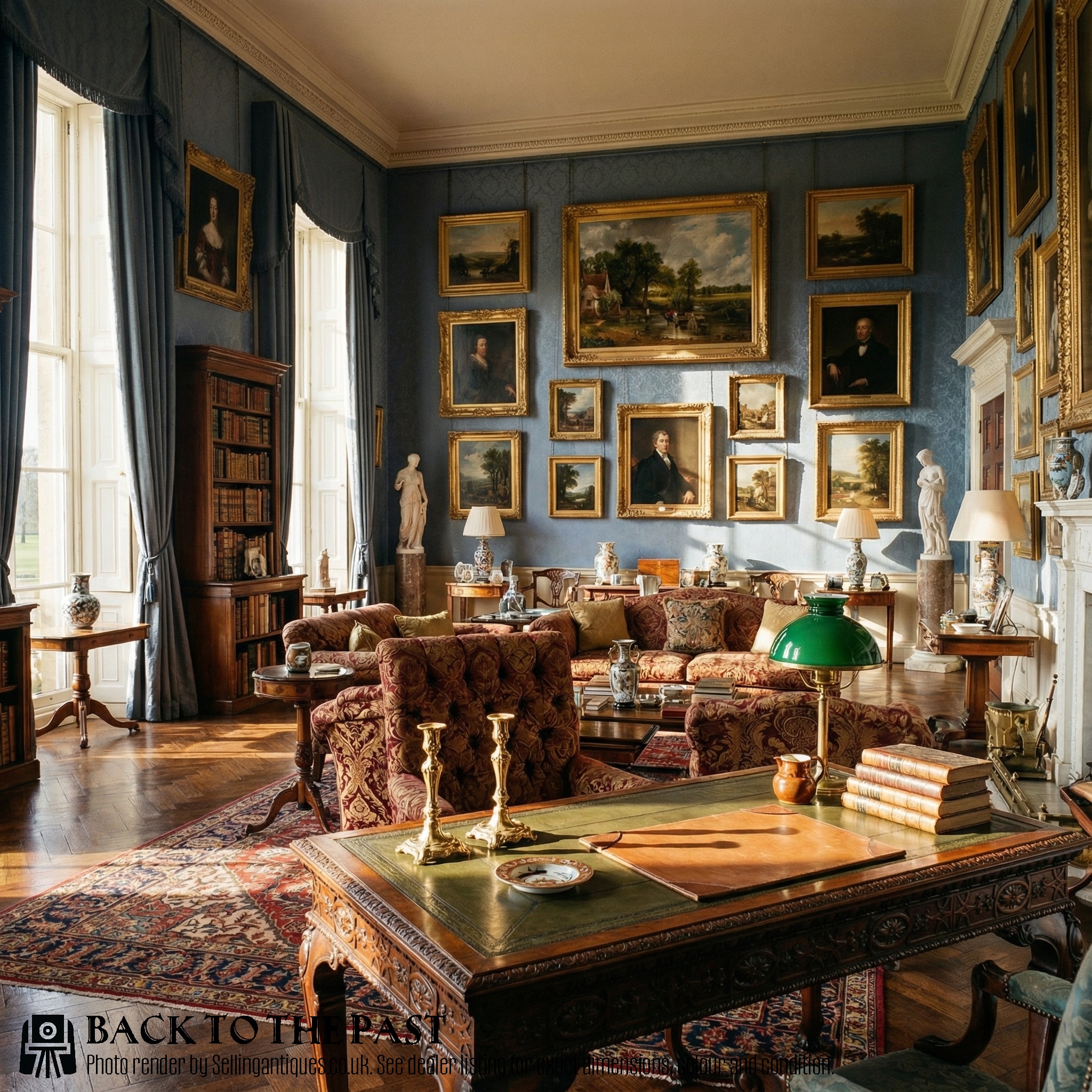
Twin pedestal desks require sufficient room to allow free movement around the pedestals and comfortable access to the seating recess. Placing them perpendicular to windows provides optimal natural light for writing.
Because many pedestal desks feature finished backs, they can also sit freestanding in the centre of a room rather than against a wall.
What woods were commonly used?
Makers relied heavily on mahogany and oak for structural integrity and rich surface grain. Satinwood, burr walnut, and painted wood also appear across different periods and regional traditions.
Selected timbers were chosen both for durability and decorative impact, often enhanced through polished finishes.