
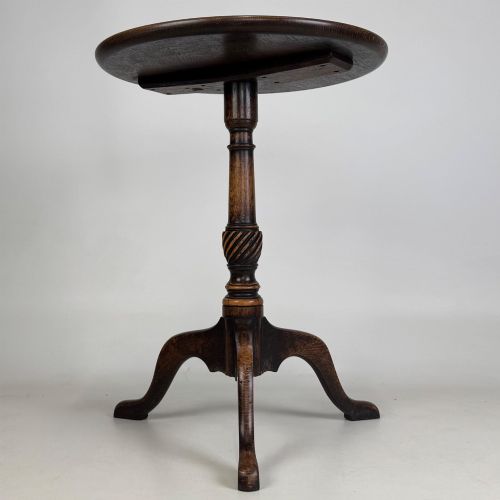
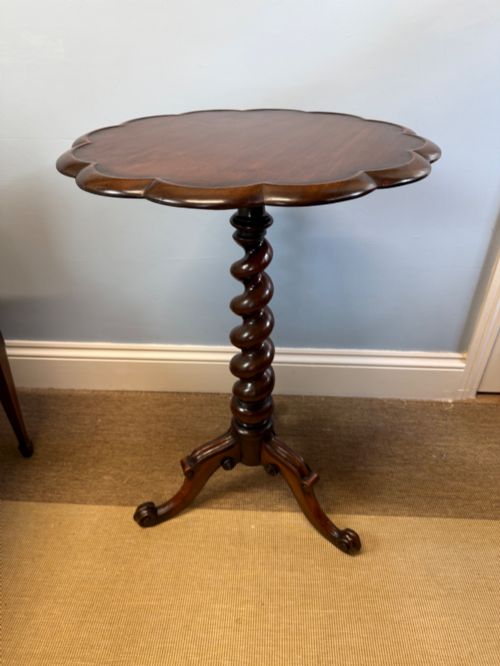
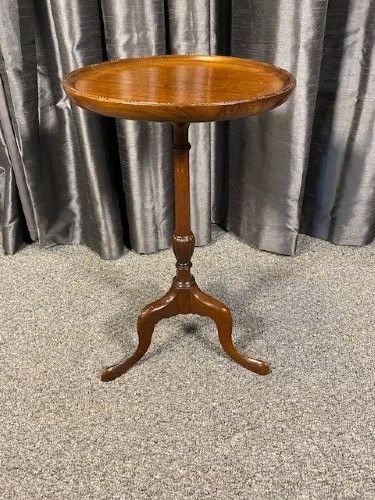
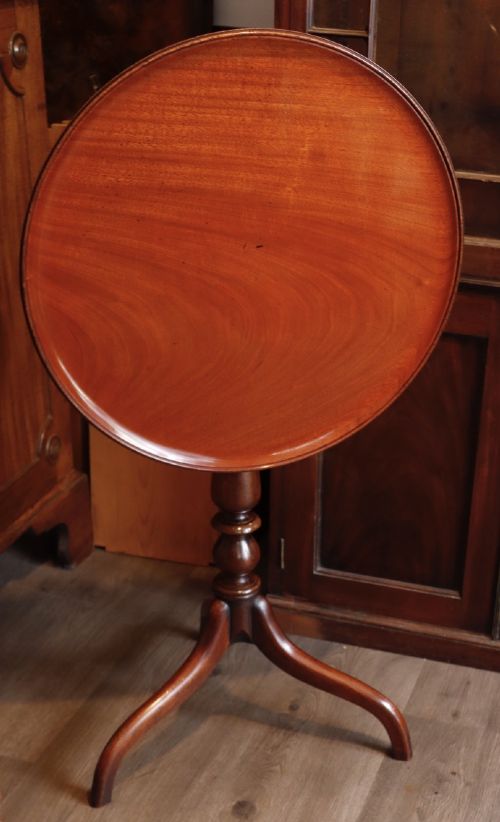
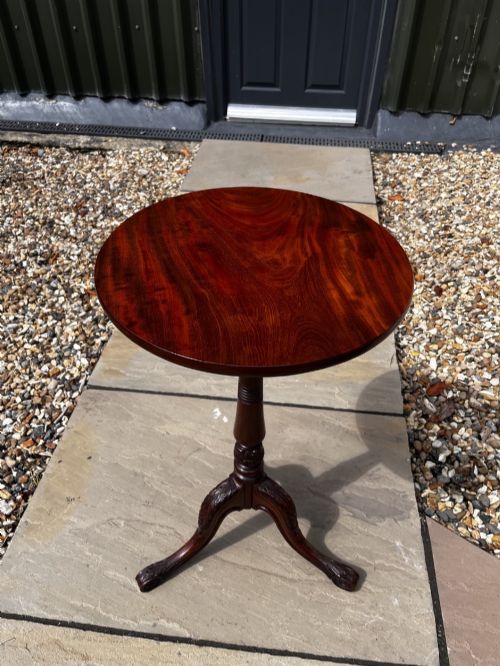
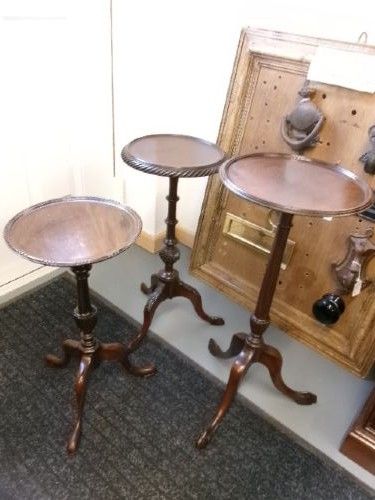


Georgian Style Wine Stand
A georgian style wine stand brings period elegance to a room, offering a stable surface designed to hold glasses and bottles beside a chair.
Georgian Style Wine Stand
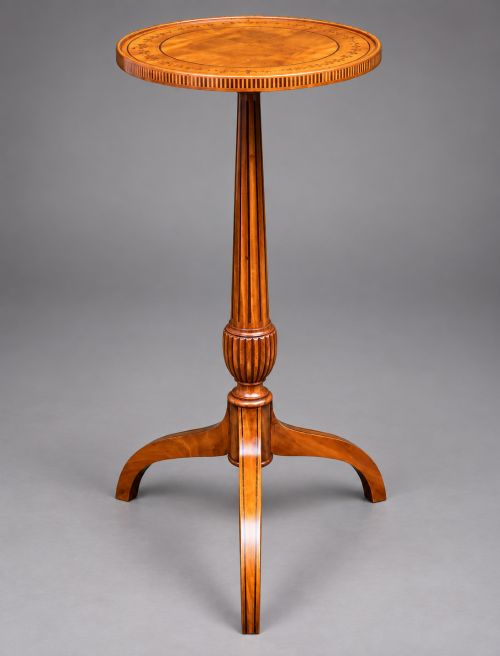
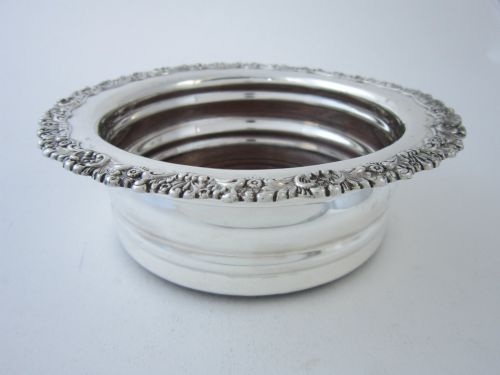
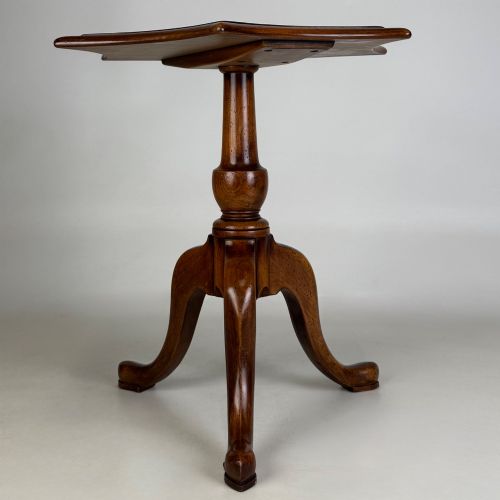
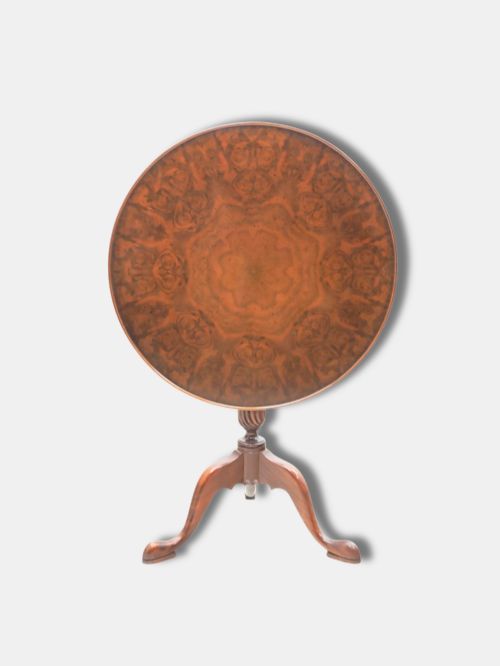
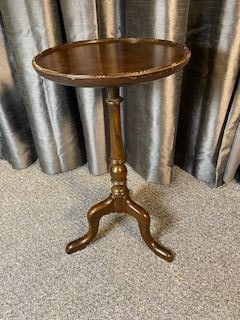
When you search for a georgian style wine stand, you find small tables and coasters designed for serving drinks, spanning periods from the eighteenth century to the twentieth century. These pieces appear as tripod tables, tilt-top tables, urn stands, and low occasional pieces intended to sit beside seating.
How they were made
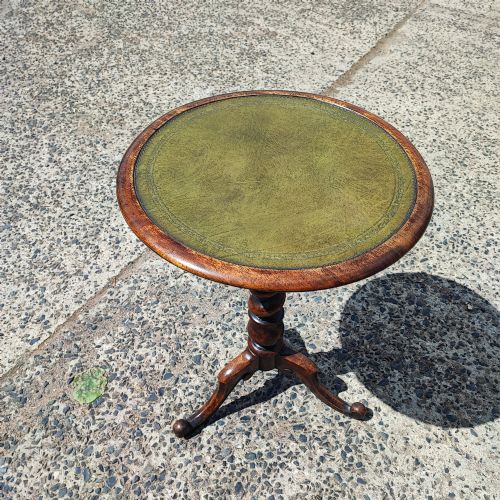
Cabinetmakers constructed these stands predominantly in timbers such as mahogany, walnut, and oak, frequently selecting figured grain for visible surfaces. Workshops incorporated brass fittings, leather inserts, and delicate boxwood inlay to enhance the timber work.
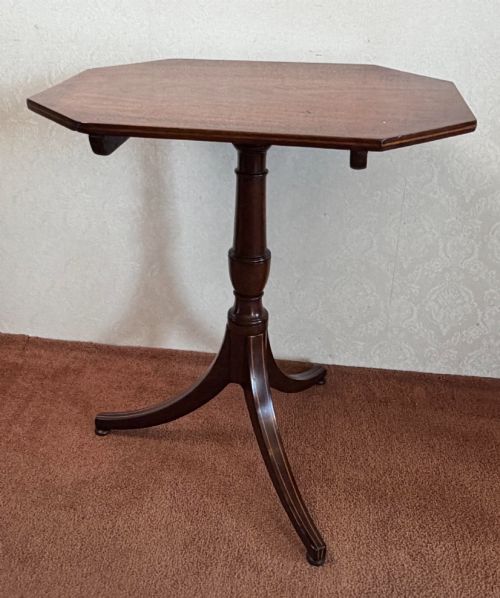
Tripod bases utilise three spreading legs jointed to a central pillar, occasionally incorporating a birdcage mechanism that allows the top to tilt or rotate. Joinery relies on traditional turning and pegging methods to secure the column to the tabletop and feet.
Several stands include tilting tops designed so busy servants could tuck the furniture flat against the wall like a folded canvas.
What varies in quality
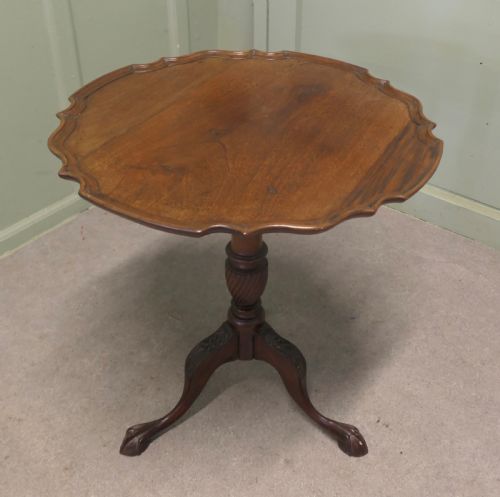
Quality reveals itself in the selection of timber and the precision of the carving, particularly around the edges of pie-crust tops and the profiles of tripod legs. Superior examples show crisp detail in floral marquetry or inlay and maintain stability across the central pillar and foot joints.
Later revivals and simpler utility pieces demonstrate more straightforward turning and plain timber boards, whereas eighteenth-century originals and high-grade revival pieces exhibit harmonious proportions and refined hand-finishing.
The Georgian Style Wine Stand Glossary
- Tripod table
- A small freestanding table supported by a central pillar on three legs. This construction prevents wobbling on uneven floorboards.
- Tilt-top
- A tabletop hinged to swivel and fold vertically against the central column when not in use. This allowed stands to be stored against walls to save space.
- Birdcage
- A wooden framework beneath the tabletop that enables the surface to both rotate and tilt. It sits between the top and the central pillar.
- Pie crust
- A carved, raised decorative edge around the perimeter of a circular tabletop, shaped in alternating curves. It resembles the fluted pastry edge of a pie.
- Urn stand
- A small, tall table specifically designed to hold a heated water urn for tea service. They often feature pull-out slides for cups.
Georgian Style Wine Stand: Frequently Asked Questions
What is a georgian style wine stand used for?
These small tables serve as convenient surfaces for holding glasses, decanters, and lamps beside seating areas.
Historically, they were positioned close to dining chairs or armchairs to keep drinks within easy reach during social gatherings.
How do I tell an 18th-century stand from a later revival?
Eighteenth-century examples display authentic timber oxidation, hand-cut joinery marks, and wear patterns consistent with extended age.
Later revivals from the twentieth century often use standardised machine fixings and cleaner, uniform timber surfaces without early tool signatures.
Why do some tabletops tilt?
Tilting mechanisms allowed servants to move and store the tables flat against room perimeters when the furniture was not needed.
This space-saving design was practical in smaller period drawing rooms where floor space remained at a premium.
How do I care for a mahogany wine stand?
Keep the timber away from direct heat sources and strong sunlight to prevent the polish from drying and the wood from splitting.
Apply occasional wax polish and buff with a soft cloth to maintain the natural lustre of the grain.