



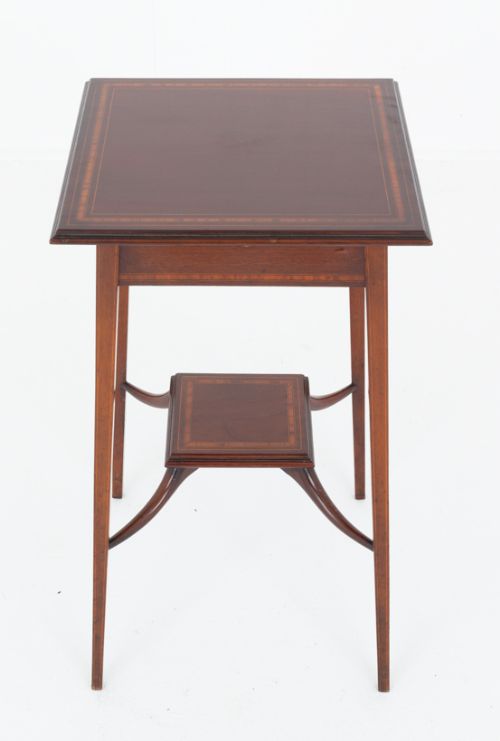

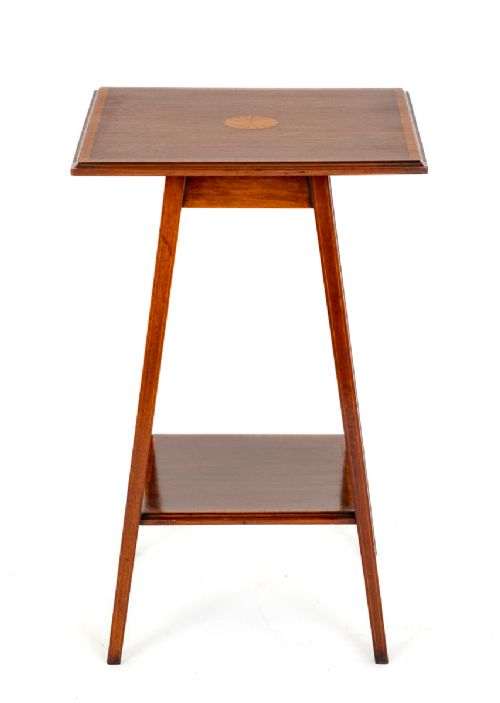


Sheraton Revival Wine Stand
These sheraton revival wine stand pieces bring neoclassical elegance into a room, offering slender proportions and refined marquetry that collectors prize for period interiors.
Sheraton Revival Wine Stand
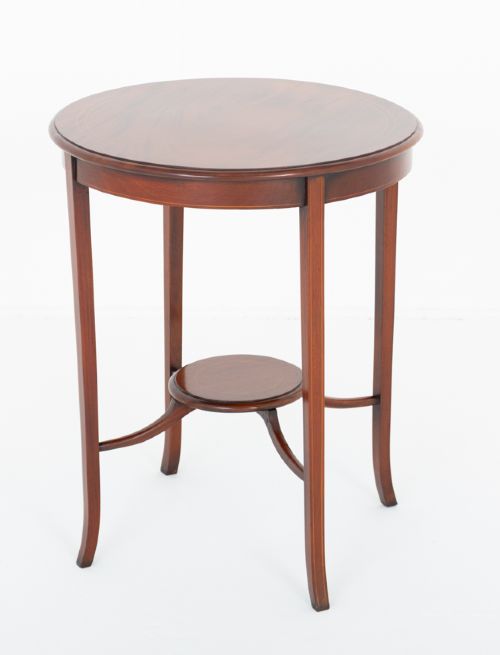
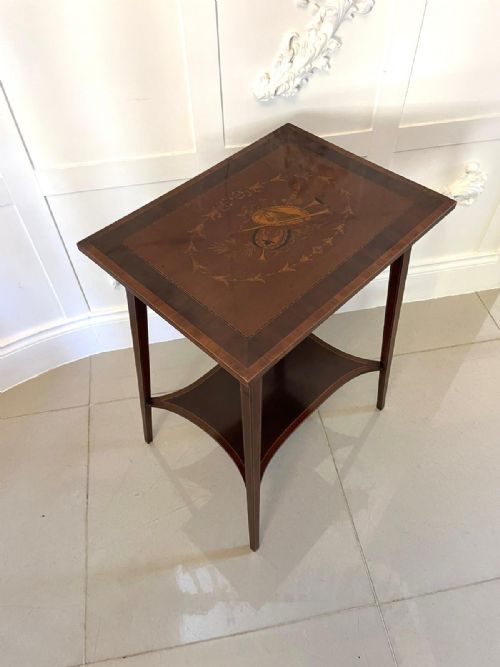
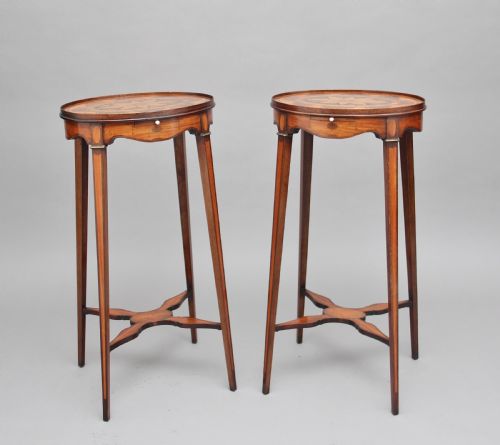
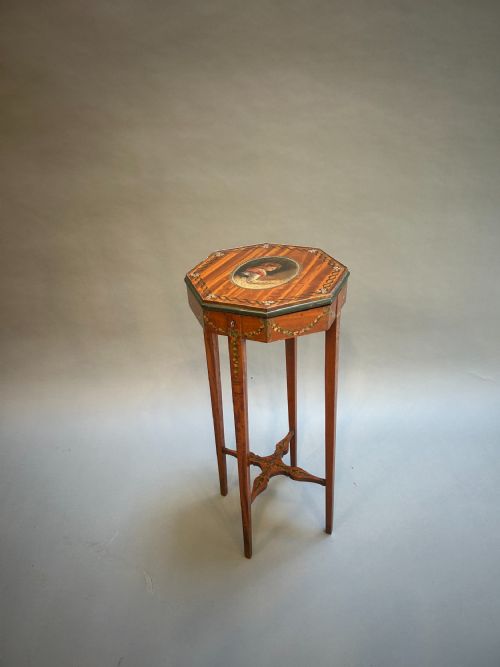
A sheraton revival wine stand typically takes the form of an occasional table, lamp table, urn stand, or tall wine table designed in the late nineteenth and early twentieth centuries. These pieces reflect the renewed interest in eighteenth-century neoclassical design, capturing the lighter forms and delicate aesthetics associated with the period.
The pieces appearing on this page span from the eighteen eighties through the Edwardian era and up to nineteen hundred and five. Buyers most frequently encounter mahogany and satinwood tables, often enhanced with contrasting stringing and decorative wood inlay.
While some examples function as occasional or side tables, others serve specific display purposes such as urn stands or candle stands. Their compact footprints make them versatile additions to period drawing rooms and sitting spaces.
How they were made
Cabinetmakers constructed these pieces primarily using mahogany and satinwood, frequently selecting flamed mahogany for table tops to highlight natural grain patterns. Structural and decorative contrast was achieved through the incorporation of boxwood, ebony, and rosewood timbers.
Surface decoration relies heavily on wood inlay and hand-painted details. Marquetry motifs and delicate stringing define the neoclassical style, while selected Victorian and Edwardian examples feature hand-painted ornament directly on the timber surface.
Sheraton Revival Wine Stand Retail Price Guide 2026
Typical asking prices for sheraton revival wine stand among the pieces listed under this phrase on Sellingantiques today, from the lower quarter to the upper quarter. They describe what is for sale here now, not the wider market.
Listings feature pieces spanning from eighteen eighty through the Edwardian era to nineteen hundred and five, constructed in mahogany, satinwood, rosewood, and painted timber.
What varies in quality
The refinement of the timber selection dictates the upper tier of quality, seen in deeply figured satinwood and flamed mahogany veneers. Finer pieces demonstrate superior precision in the intricate boxwood and ebony stringing and inlay work.
Hand-painted enrichment elevates certain examples, requiring careful execution to achieve lasting decorative merit. Proportion and structural integrity also separate standard production pieces from finer cabinet work.
The Sheraton Revival Wine Stand Glossary
- Sheraton Revival
- A late nineteenth and early twentieth-century design movement inspired by the furniture of Thomas Sheraton. It favours light proportions, classical motifs, and delicate inlay.
- Satinwood
- A lustrous, yellowish timber prized for its fine grain and decorative appearance. It was frequently used for veneers and primary surfaces in neoclassical revival furniture.
- Inlay
- The technique of inserting pieces of contrasting timber into a recessed surface to form a design. Boxwood and ebony are common contrasting woods used for this purpose.
- Urn Stand
- A tall, slender occasional table designed to support a decorative urn or vase. These pieces often feature elevated proportions suited to neoclassical interiors.
Sheraton Revival Wine Stand: Frequently Asked Questions
What is a sheraton revival wine stand?
A sheraton revival wine stand is a decorative occasional table or tall stand produced during the Victorian and Edwardian periods in the style of eighteenth-century designer Thomas Sheraton. These pieces are characterised by slender legs, classical proportions, and meticulous wood inlay.
They were originally created to hold decanters, glasses, or decorative urns in formal reception rooms. Today, collectors value them for their compact elegance and refined neoclassical aesthetic.
How do I date an Edwardian piece?
Dating these items involves examining the timber selection, construction methods, and prevailing decorative styles recorded across the late nineteenth and early Edwardian periods. Pieces from this era often combine traditional mahogany or satinwood carcases with characteristic revival stringing.
Makers working around nineteen hundred frequently reinterpreted earlier neoclassical motifs using contemporary workshop techniques. Comparing the specific veneer types and inlay patterns helps place an object within its proper timeframe.
Where should I place a wine table?
These compact tables suit sitting rooms, studies, and hallways where space is limited but decorative presence is desired. Their elevated forms work well beside seating or as display surfaces for lamps and small objects.
Placing them away from direct heat sources and strong sunlight protects the delicate satinwood and mahogany veneers. Regular gentle polishing maintains the lustre of the timber surfaces.
What is the difference between satinwood and mahogany?
Satinwood is a pale, golden timber with a natural sheen, whereas mahogany offers a deeper, reddish-brown tone with varied grain patterns. Both were central to the creation of refined occasional tables during the revival period.
Cabinetmakers often paired mahogany with satinwood panels and contrasting stringing to create visual depth. The choice of primary wood significantly influences the overall character and brightness of the piece.