
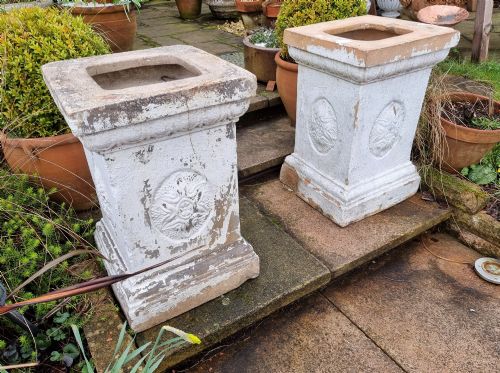
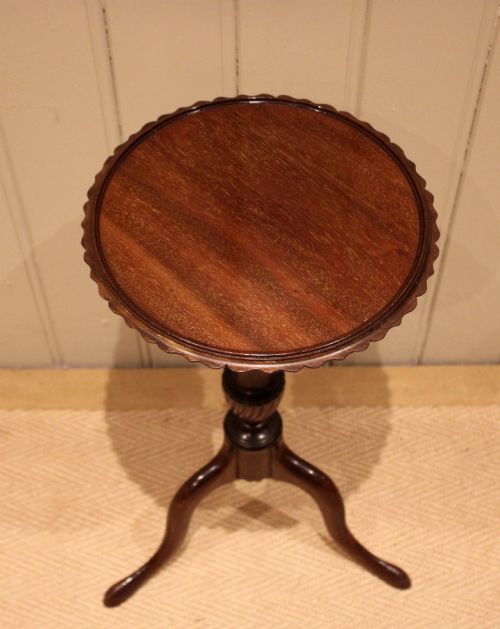
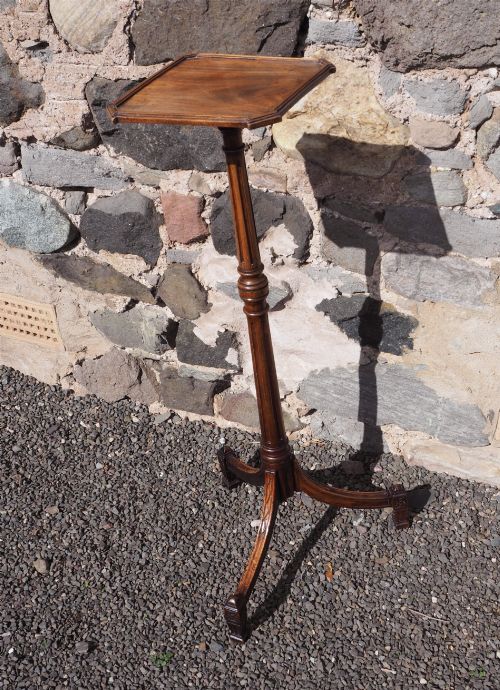

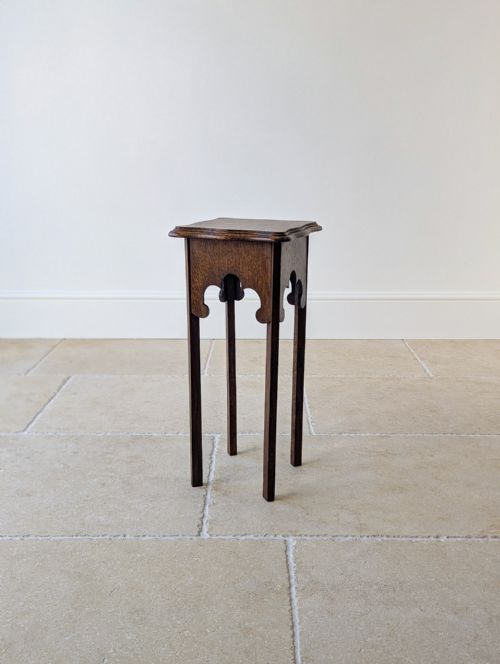
Vintage Plant Stand Pedestal
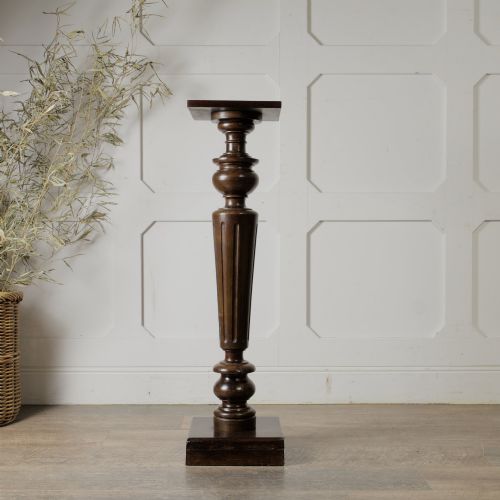
A vintage plant stand pedestal raises greenery or sculpture into the room, combining functional height with period timber or marble.
Vintage Plant Stand Pedestal
A vintage plant stand pedestal functions as a raised platform for foliage, urns, or display items, taking the form of torcheres, columns, and occasional tables. These pieces emerge from periods such as the Edwardian era, the nineteenth century, and the Georgian style, reflecting changing interior tastes.
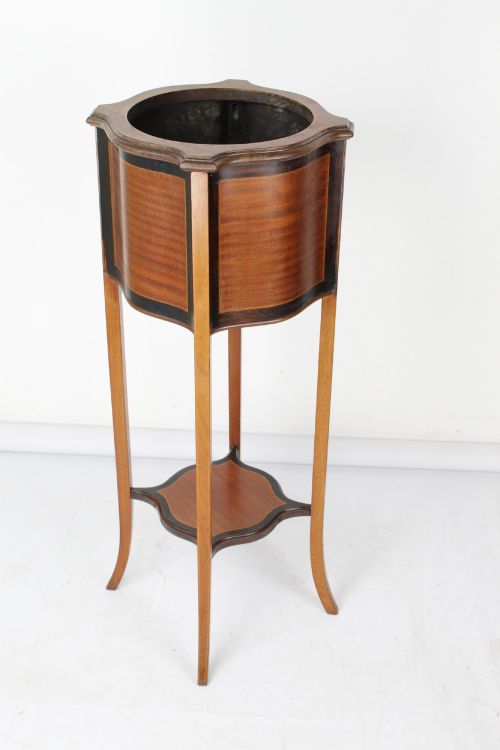
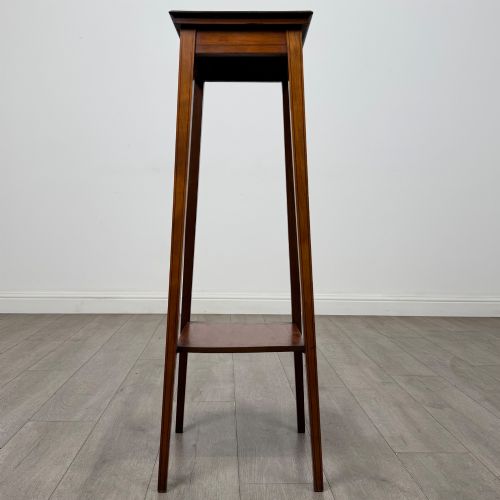
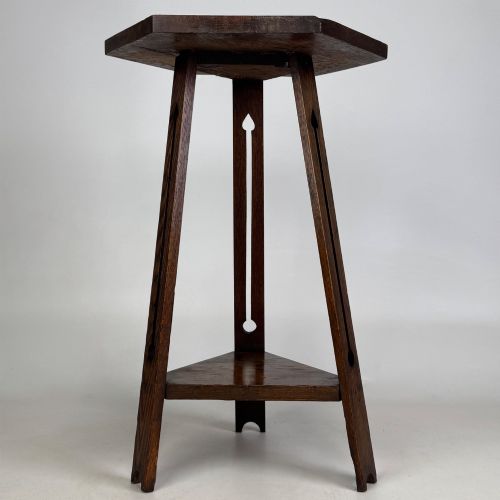
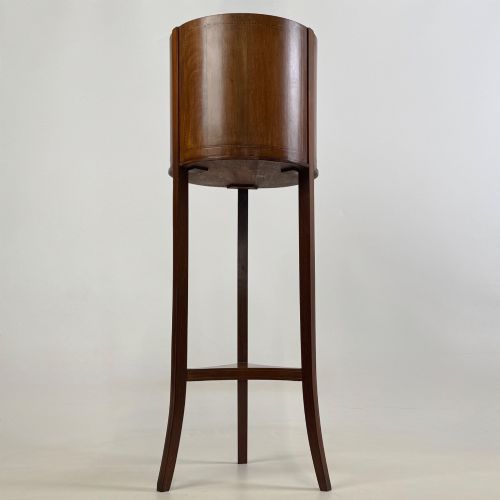
The version most commonly encountered on this page is the Edwardian mahogany or oak plant stand, often built with slender legs or a central column. Alongside these stand torcheres, side tables, and display pedestals constructed to hold jardiniere bowls and lamps.
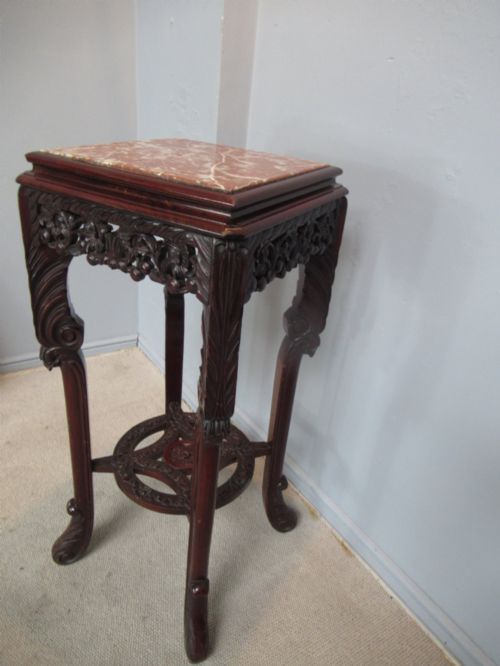
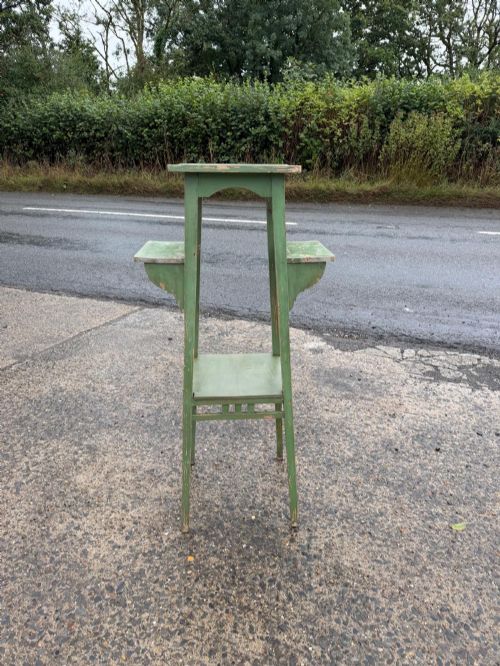
Materials span traditional hardwoods like walnut and satinwood, alongside painted finishes, marble tops, and brass mounts. Their origins cross regional British workshops as well as continental French and Dutch designs.
Quality factors in manufacture and design
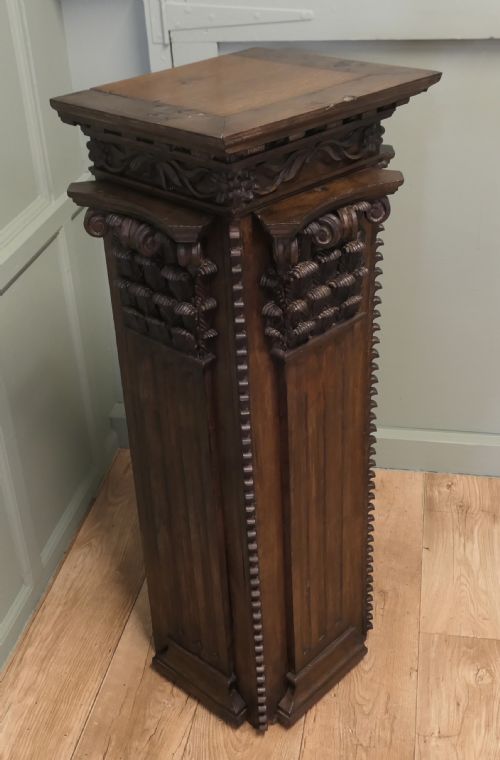
Quality rests in the selection of timber figures, the crispness of hand-carved details, and the integrity of the original construction. Superior examples maintain tight joinery in the central column or leg assembly without excessive timber shrinkage.
The integration of materials distinguishes finer pieces, such as heavily figured marble inserts properly bedded into hardwood frames or precise marquetry inlay on satinwood and mahogany surfaces.
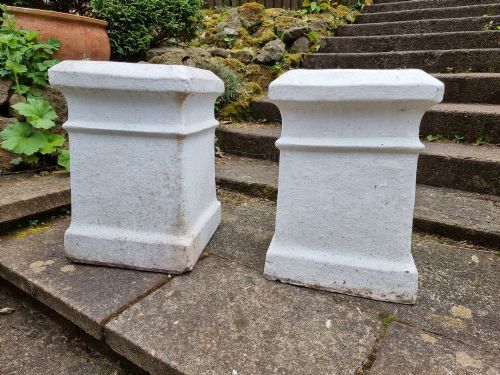
Several chimney pots double as rustic garden planters, proving that victorian utility had a wonderfully robust sense of humour.
Druce & Co London·Shoolbred
The Vintage Plant Stand Pedestal Glossary
- Torchere
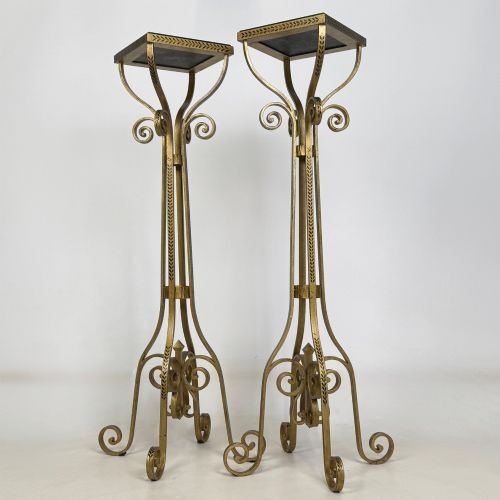
- A tall, slender stand designed originally to hold a light source and later adapted for plants or figures. These pieces typically feature a small circular top supported by a single carved column.
- Jardiniere
- An ornamental pot or stand specifically made to hold a plant or floral arrangement. They frequently appear in oak, mahogany, or ceramic.
- Marquetry
- Decorative veneer work arranged in geometric or floral patterns using contrasting woods. This technique adorns the tops of many Edwardian and Georgian tables.
- Ebonised
- Wood treated with a dark stain or finish to imitate expensive ebony. This treatment appears frequently on decorative nineteenth-century display columns.
- Plinth
- A heavy rectangular or square base supporting a column or bust stand. It gives stability and visual weight to taller pedestals.
Vintage Plant Stand Pedestal: Frequently Asked Questions
What is the difference between a pedestal and a torchere?
A pedestal generally possesses a wider, heavier column or plinth suited for supporting busts, urns, and heavy sculptures. A torchere is typically lighter and taller, designed originally to carry a candle or lamp.
In practical terms, both function interchangeably in modern interiors for displaying plants or decorative objects, though torcheres often have smaller top surfaces.
How were these stands used historically?
Historically, these stands placed decorative foliage, floral arrangements, and lighting at optimal eye level within drawing rooms and hallways. They allowed homeowners to introduce nature and warmth into dark corners of period rooms.
Craftsmen built them in various heights to suit different seating arrangements and architectural proportions of Victorian and Edwardian houses.
How do I identify an Edwardian plant stand?
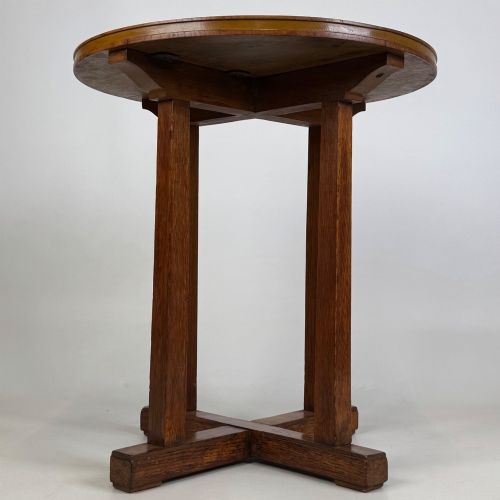
Edwardian stands frequently feature lighter timbers such as satinwood and inlaid mahogany, or practical fumed oak associated with the Arts and Crafts movement. They often incorporate slender tapering legs, barley twists, or two-tier shelving for additional utility.
Construction methods from this period show machine assistance combined with traditional hand finishing, yielding sturdy yet elegant forms.