

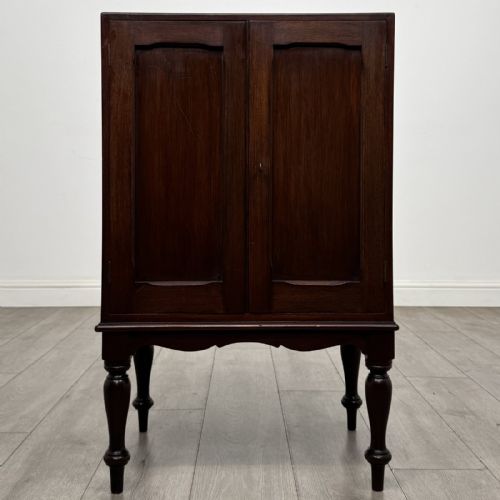
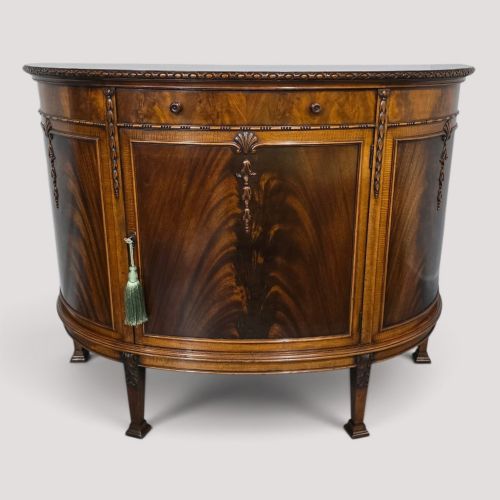

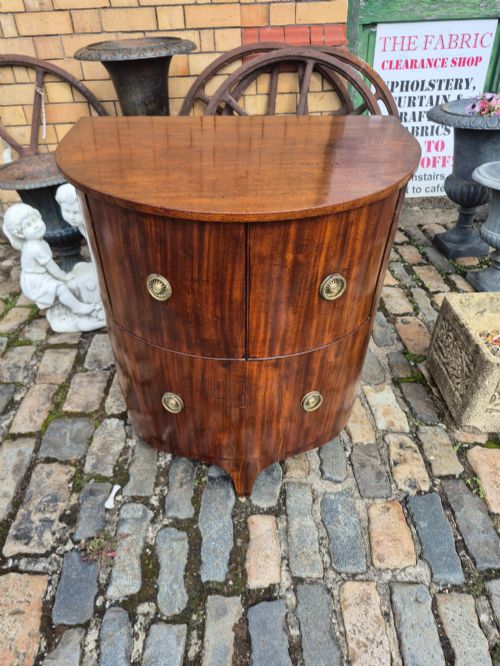
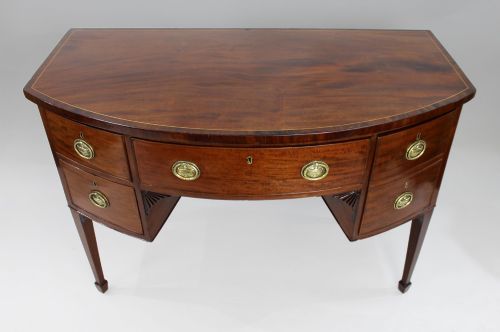
Georgian Style Side Cabinet
A georgian style side cabinet brings classical symmetry and rich timber into a room, offering practical storage disguised as elegance.
Georgian Style Side Cabinet
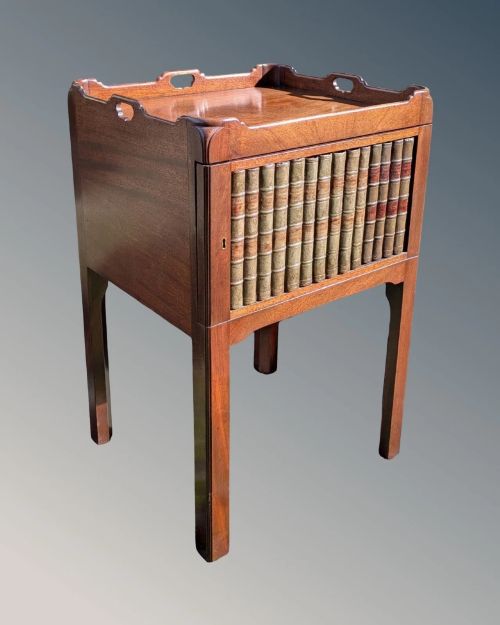
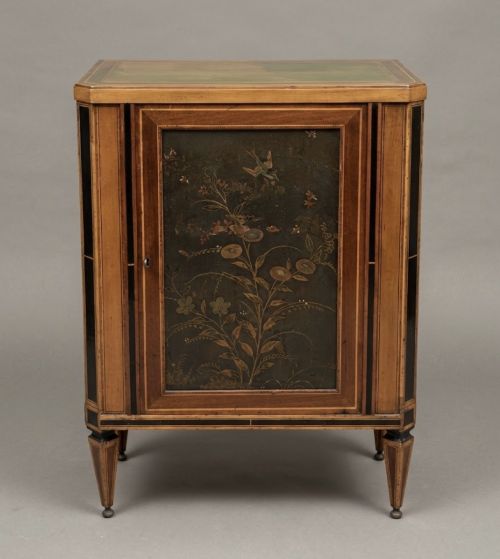
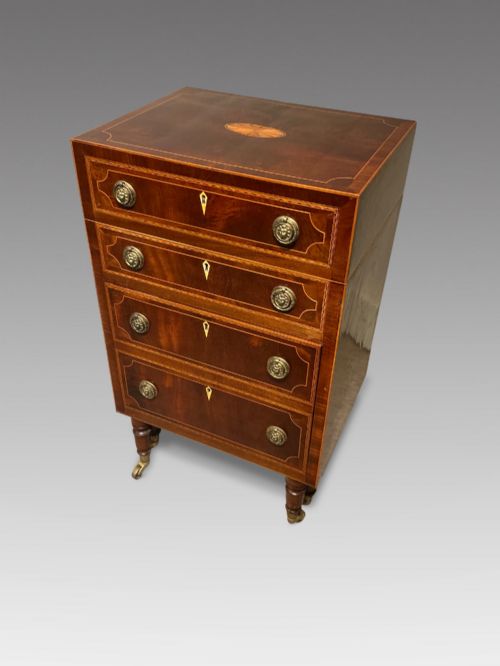
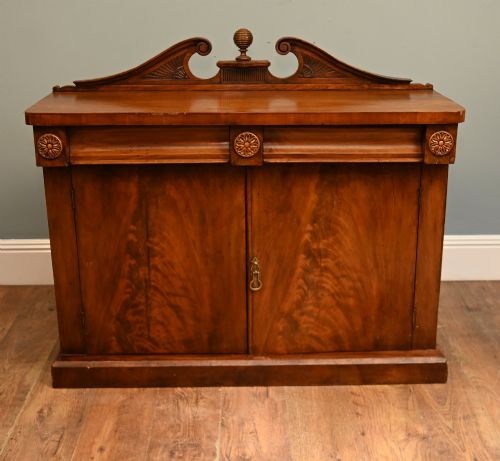
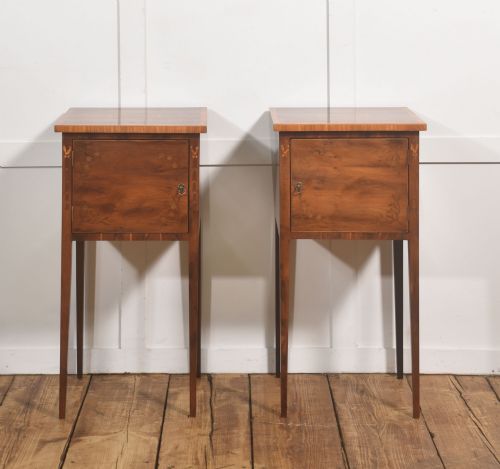
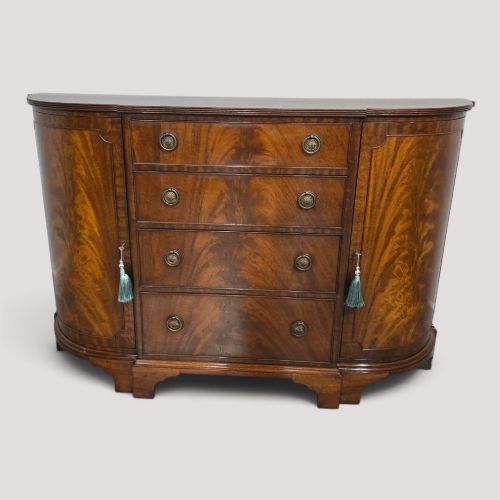
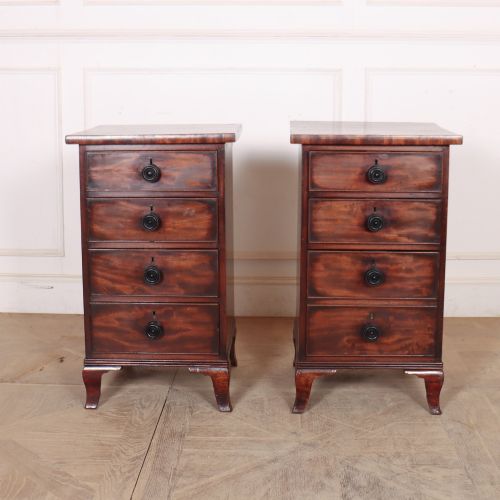
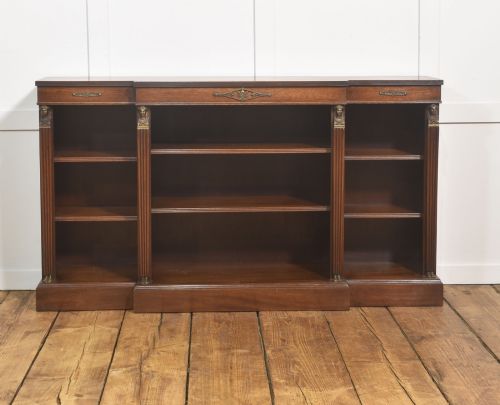
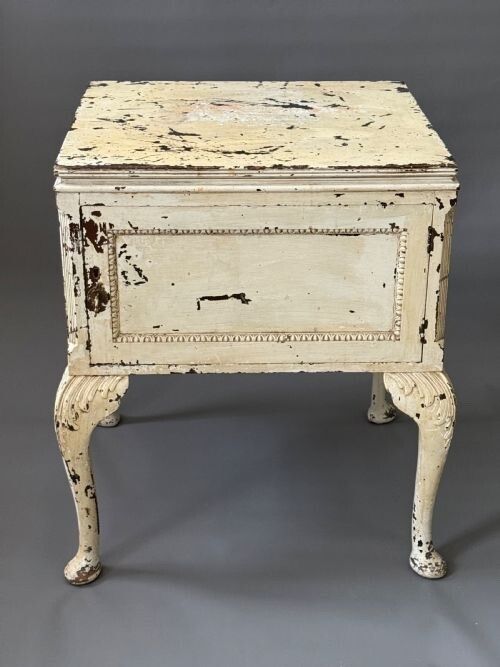
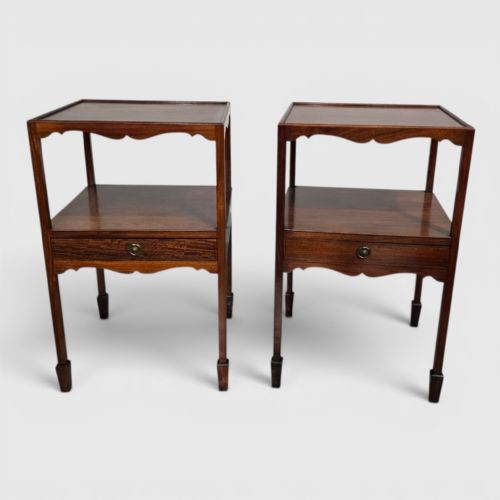
When you examine a georgian style side cabinet on this page, you encounter pieces spanning the eighteenth century through to the twentieth century revival eras. These items include bedside cabinets, lamp tables, demi-lune commodes, and small bookcases designed for compact storage and formal display.
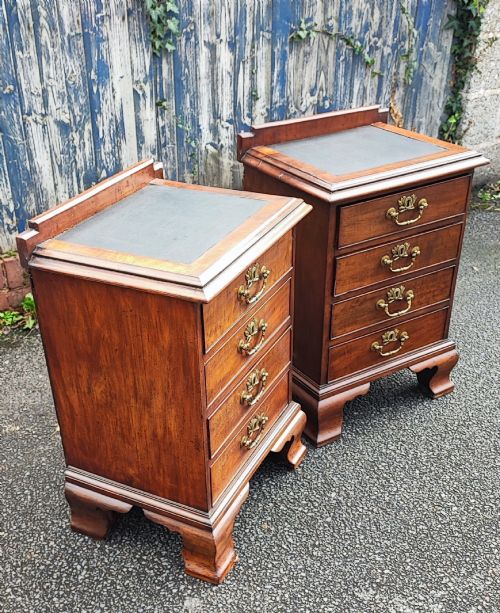
The versions you meet most frequently are mahogany and burr walnut pieces produced during the early twentieth century, alongside authentic eighteenth-century examples and nineteenth-century interpretations. Many appear as matched pairs, reflecting the traditional domestic requirement for balanced bedside or drawing-room furnishings.
The forms range from simple bow-fronted sideboards to cabinets on legs and breakfront open bookcases. Each variant utilises classical proportions derived from the reigns of George II and George III, translated by later cabinetmakers into versatile domestic furniture.
How they were made
Makers constructed these cabinets using solid and veneered timbers, predominantly mahogany, walnut, and satinwood, often enhanced by decorative burr walnut or harewood grains. Artisans applied fine brass hardware, marquetry inlay, and painted panels to accentuate the architectural lines of the timber.
Construction techniques combine sturdy carcase building with meticulous surface decoration such as feather banding and geometric stringing. Workshops employed traditional joinery methods to shape demi-lune fronts, bow-fronts, and glazed doors, ensuring structural endurance alongside decorative refinement.
Georgian Style Side Cabinet Retail Price Guide 2026
Typical asking prices for georgian style side cabinet among the pieces listed under this phrase on Sellingantiques today, from the lower quarter to the upper quarter. They describe what is for sale here now, not the wider market.
Listings feature mahogany, burr walnut, and satinwood across periods spanning the eighteenth century to the 1930s.
What varies in quality
The distinction between ordinary and exceptional pieces rests upon the selection of timber figures, such as highly figured burr walnut or choice mahogany grains, and the precision of the cabinetmaker's joinery. Superior examples exhibit harmonious proportions, crisp carving on revival details like Chippendale or Adam motifs, and intact original brass fittings.
Subtleties in craftsmanship, including hand-cut dovetails in the drawers and the delicacy of inlaid marquetry panels, separate mass-produced revival items from master-built furniture. The depth of the timber's natural colour and the preservation of its original polished surface dictate the visual authority of each cabinet.
Maple and Co
The Georgian Style Side Cabinet Glossary
- Demi-lune
- A half-moon shape used for tables and cabinets designed to sit flat against a wall. This profile allows for compact placement in hallways and drawing rooms.
- Breakfront
- A piece of furniture where the central section projects forward from the flanking sides. This architectural device creates dynamic shadow and depth.
- Marquetry
- Decorative patterns formed by fitting together thin veneers of different coloured woods and materials. Artisans use this technique to create pictorial or geometric table tops and cabinet doors.
- Feather banding
- A decorative border made of veneer slices laid diagonally to form a herringbone pattern. It frames drawer fronts and table edges with subtle movement.
- Lowboy
- A small kneehole dressing table or side table featuring one or more rows of drawers. These low tables date back to the early eighteenth century.
Georgian Style Side Cabinet: Frequently Asked Questions
What is a georgian style side cabinet used for?
These cabinets served primarily as bedside storage, lamp tables, or compact sideboards in formal rooms. Their enclosed cupboards and drawers accommodated books, lighting, and personal items out of sight.
Over time, their decorative fronts and classical proportions made them prized pieces for displaying ornaments and adding architectural interest to smaller spaces.
How do I distinguish eighteenth-century pieces from later revivals?
Examination of the secondary woods inside the drawers, the hand-cut dovetails, and the natural patina of the timber helps reveal the age of a piece. Eighteenth-century originals show tool marks and wear consistent with age, whereas twentieth-century revivals often display standardised machine construction.
Style markers also guide identification, as Sheraton and Chippendale revival pieces from the Edwardian era reproduce earlier proportions while utilising contemporary finishing techniques.
Where should I place a demi-lune cabinet?
A demi-lune cabinet fits neatly against flat walls in hallways, landings, or living rooms due to its curved front and flat back. Its shallow depth prevents it from obstructing narrow walkways while providing a useful surface for lamps.
Pairing one with a hanging mirror creates a classic focal point upon entering a home.
Are these cabinets sold as pairs?
Many bedside cabinets and lamp tables appear on the market as matched pairs, reflecting their original domestic function flanking a bed or fireplace. Single cabinets also occur frequently, particularly larger bookcases and sideboards.
Pairs command particular attention from collectors seeking symmetry in bedroom or drawing-room layouts.