
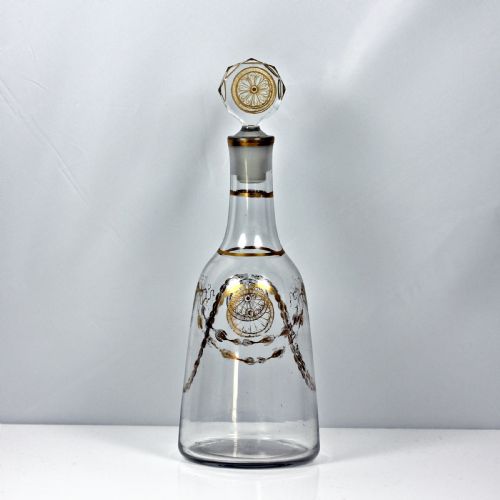


Georgian Spirit Glasses
Georgian spirit glasses bring sturdy drams, cordials, and decanters to the table, offering a tangible link to eighteenth- and nineteenth-century drinking customs.
Georgian Spirit Glasses
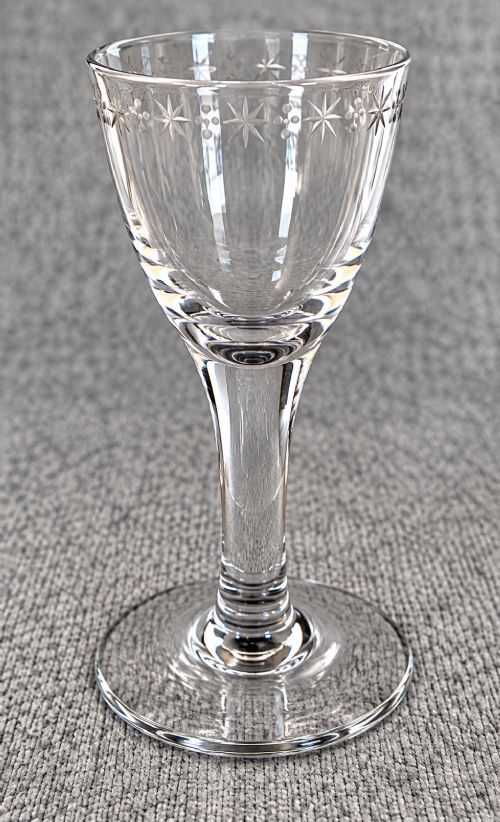
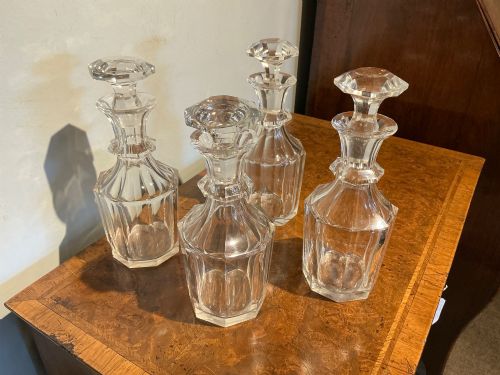
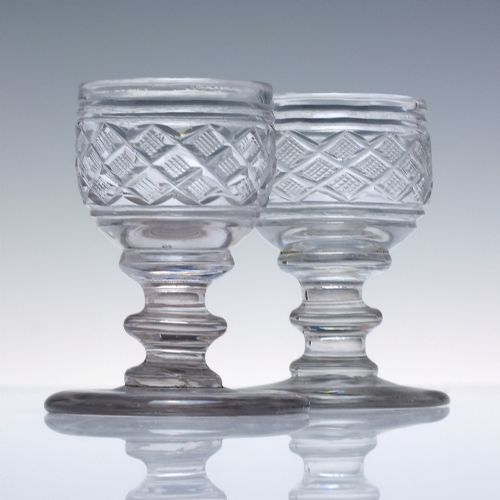
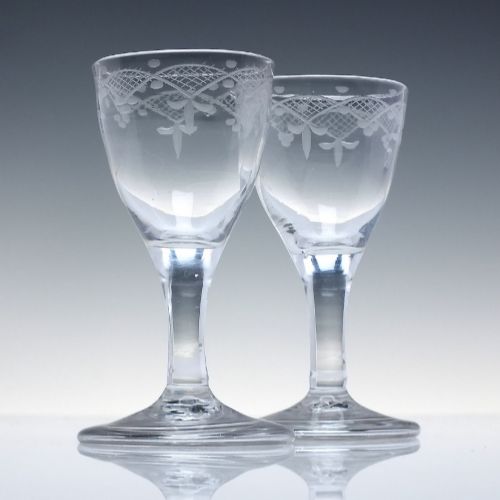
When you search for georgian spirit glasses, you encounter small drinking vessels and serving vessels designed for drams, cordials, and liquors. The selection spans robust dram glasses, baluster stems, and cut-glass containers alongside matching decanters and flasks.
Most items on this page date from the eighteenth and nineteenth centuries, encompassing Georgian, Regency, and early Victorian periods. You will frequently find pieces featuring folded feet, air twists, or deep cutting typical of English and Irish workshops.
How they were made
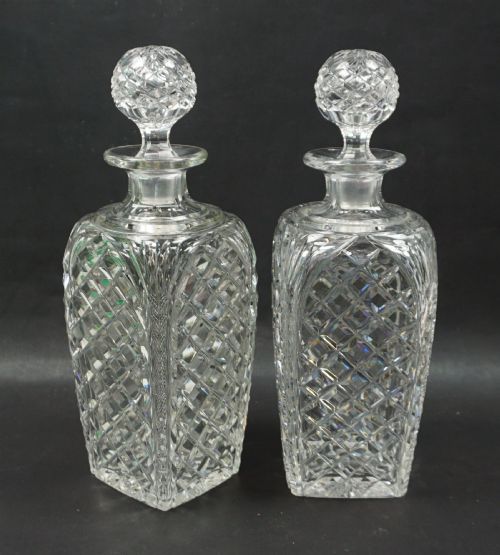
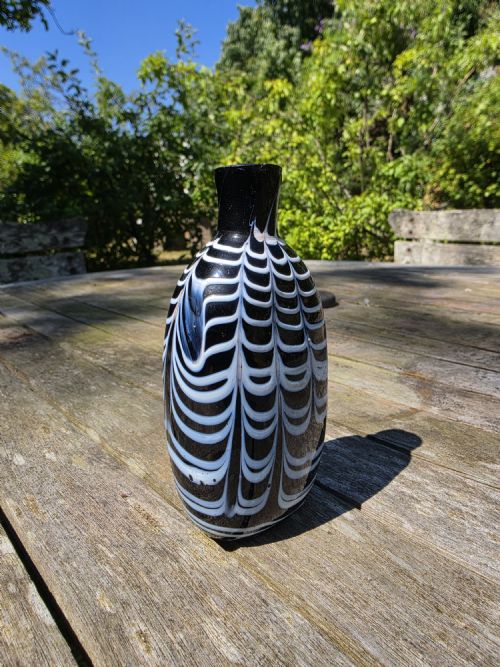
Glassmakers shaped these items using lead glass, clear glass, and lead crystal, occasionally incorporating coloured glass such as Bristol blue or white opaline. Techniques involved free-blowing, moulding, and wheel-cutting to achieve faceted necks, flutes, and panel patterns.
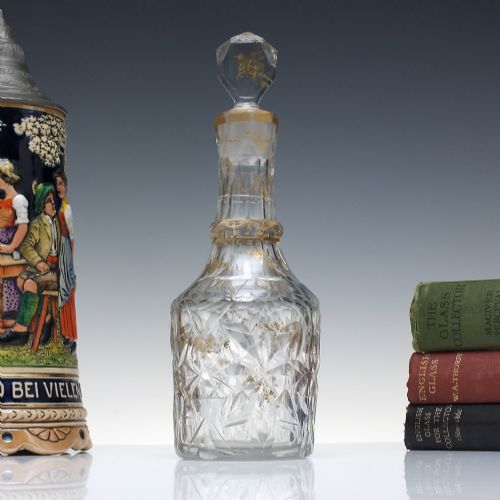
Decoration extended to surface work, including diamond engraving, enamel painting, and gilding applied by independent decorators like James Giles. Some pieces utilised additional materials such as gold leaf, mahogany for boxes, and Old Sheffield Plate for cruet frames.
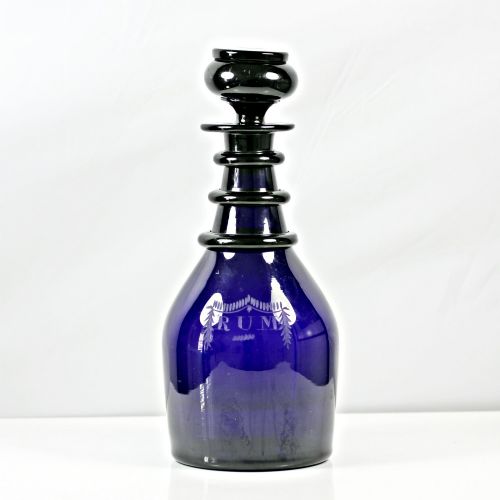
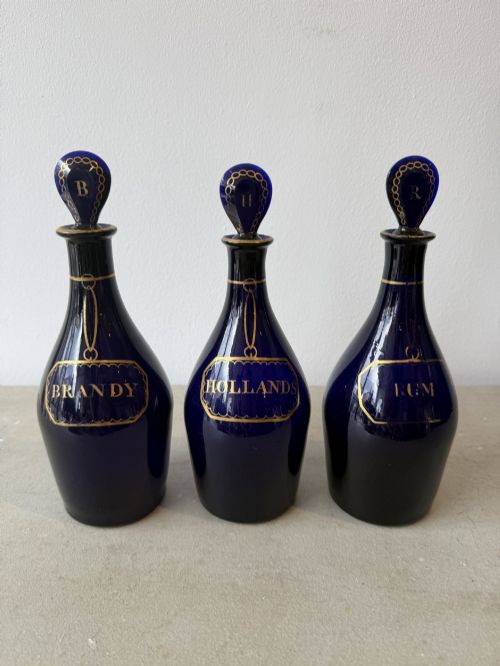
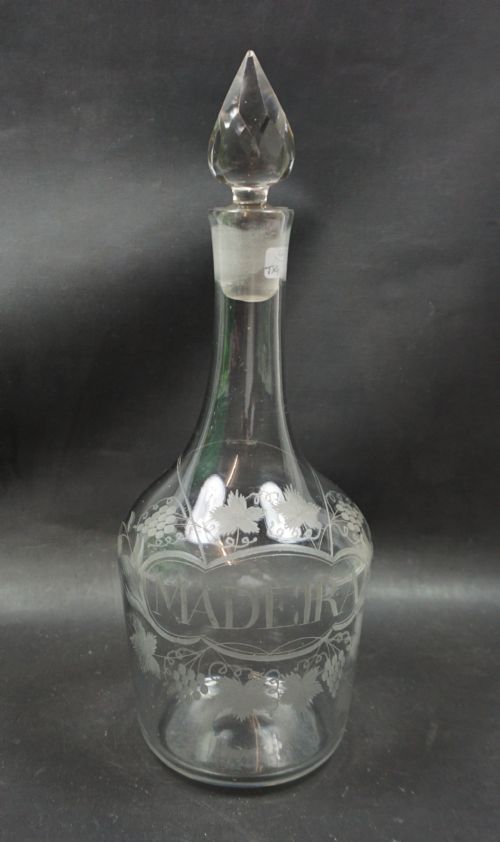
Some Bristol blue decanters were labeled for rum and Madeira, ready for eighteenth-century toasts.
What varies in quality
Quality rests upon the clarity of the metal, the precision of the cutting, and the crispness of any engraved or enameled decoration. Heavier lead glass and deeply faceted surfaces demonstrate superior technical execution by the glasshouse.
Provenance and attribution elevate certain pieces, particularly when connected to notable ateliers or specific regional glassworks such as Nailsea. The presence of undamaged original stoppers, folded feet, and intact gilding distinguishes the finer examples from standard production.
James Giles·Nailsea Glassworks
The Georgian Spirit Glasses Glossary
- Dram glass
- A small drinking vessel intended for a single measure of spirits. These sturdy glasses often feature thick bases or folded feet to withstand regular tavern and domestic use.
- Prussian decanter
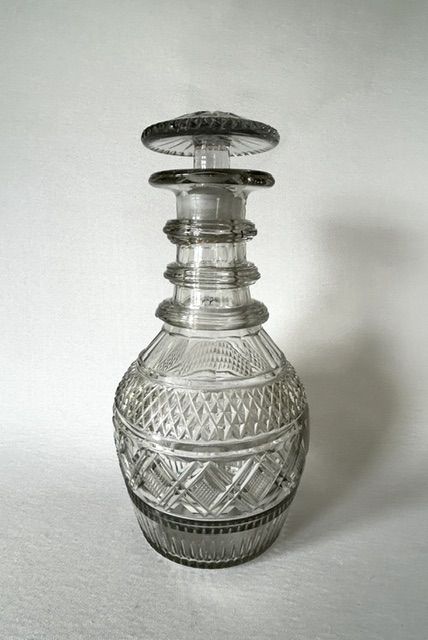
- A serving bottle characterised by a tapering body and three horizontal rings around the neck. This design originated in the eighteenth century to secure the stopper firmly.
- Baluster
- A heavy, swelling stem shape found on early drinking vessels. It gives the piece a low centre of gravity and a substantial feel in the hand.
- Folded foot
- A rim created by doubling the hot glass back underneath itself. This technique strengthens the edge of the foot against chipping.
- Opaque twist
- A decorative stem formation created by drawing out white or coloured enamel rods within clear glass. It produces thread-like patterns inside the stem.
Georgian Spirit Glasses: Frequently Asked Questions
What is a dram glass?
A dram glass is a small, heavy vessel designed for holding a single measure of strong spirits. They were produced in various forms during the eighteenth century.
These pieces often feature thick feet or baluster stems to provide stability on wooden tables.
How do I identify a ship's decanter?
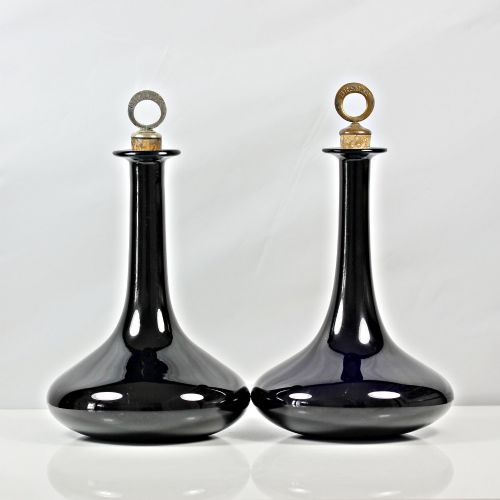
Ship's decanters feature a wide base that tapers outward toward the bottom. This broad footprint prevented them from tipping over during sea voyages.
They also incorporate multiple rings around the neck to secure the stopper against movement.
What is Bristol blue glass?
Bristol blue is a deep cobalt-blue glass popular in English production during the Georgian and Regency eras. It was frequently used for decanters and spirit bottles.
Many of these blue pieces were decorated with gilded labels to identify the contents.
How were twist stems made?
Makers formed twist stems by incorporating threads of opaque white or coloured glass inside a clear glass rod. The gather was then twisted as it was drawn out.
This technique produced intricate internal spiral patterns characteristic of mid-eighteenth-century drinking vessels.