




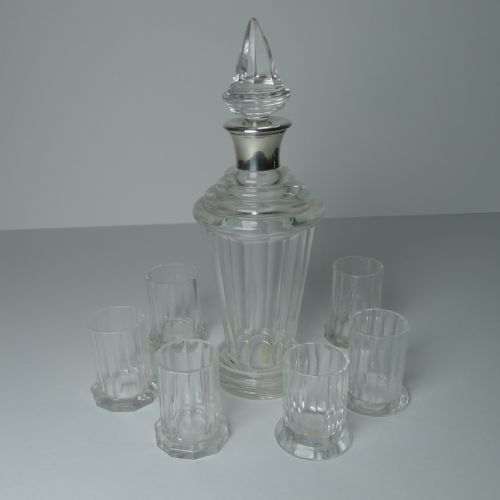


Antique Shot Glasses
Antique shot glasses are small drinking vessels for spirits, collected for their historical charm and craftsmanship.
Antique Shot Glasses
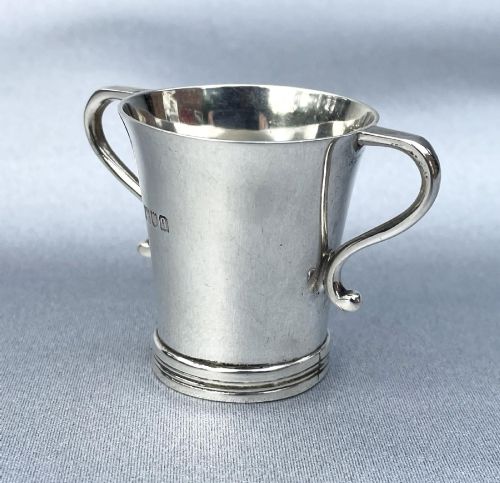
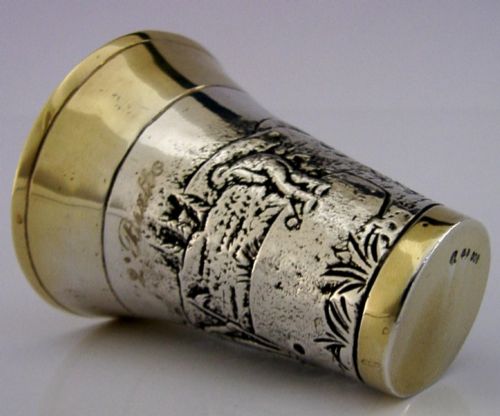
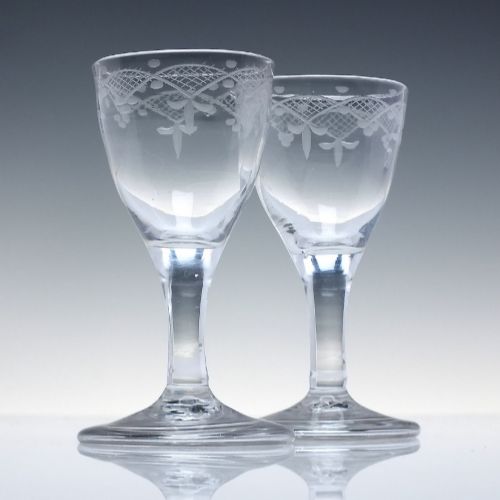
When you search for antique shot glasses, you enter a diverse field of small drinking vessels spanning Georgian, Victorian, and later periods. The items you meet on this page range from early lead crystal dram glasses to silver beakers and complete decanter sets designed for spirits.
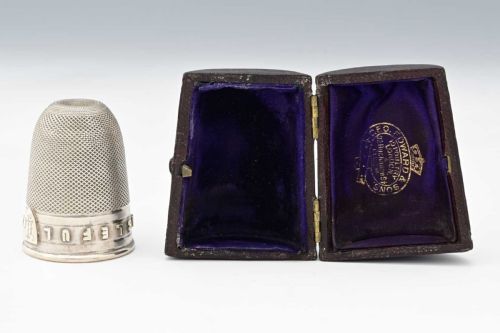
The selection includes specialised forms such as whisky dram glasses, vodka cups, and novelty silver tumblers. Many pieces appear as matched sets or boxed collections, reflecting the social habits of their original owners during the Georgian, Victorian, and Edwardian eras.
Makers and designers from various European traditions contribute to the assortment, encompassing English glasshouses, German silversmiths, and French manufacturers like Rene Lalique. These objects serve both as functional barware and as decorative items representing distinct stylistic movements from Art Nouveau to Art Deco.
How they were made
The manufacture of these pieces relies primarily on glass and silver, often utilising lead crystal, clear glass, and parcel-gilt techniques. Glassware is shaped through blowing, cutting, or moulding, sometimes featuring detailed engraving on the bowl or folded feet.
Silver components are shaped from sterling silver, 800 silver, or incorporate silver mounts paired with glass bodies. Workshops employed techniques such as casting, hammering, and gilding to produce items ranging from plain spirit beakers to elaborate novelty designs.
Antique Shot Glasses Retail Price Guide 2026
Typical asking prices for shot glasses among the pieces listed under this phrase on Sellingantiques today, from the lower quarter to the upper quarter. They describe what is for sale here now, not the wider market.
The object forms include spirit beakers, dram glasses, vodka cups, and complete decanter sets with matching glassware.
What varies in quality
Quality in these drinking vessels rests upon the crispness of the cut or engraved decoration and the purity of the material used. Hand-cut facets on crystal and the weight of the silver mounts distinguish finer examples from standard production pieces.
The completeness of a matched set and the presence of original boxes or associated decanters influence the standing of an item. Superior pieces demonstrate precise balance in the hand and careful attention to proportion, whether in a Georgian dram glass or an Edwardian silver cup.
Rene Lalique·Elkington·Aleksandr Timofeyevich Shevyakov·Moser Glass
The Antique Shot Glasses Glossary
- Dram glass
- A small drinking vessel traditionally used for a measure of whisky or other spirits. These glasses often feature thick bases and cut decoration.
- Beaker
- An open-topped cylindrical drinking cup without a handle, commonly rendered in silver or glass. They appear across various periods from the Victorian era onwards.
- Parcel-gilt
- A decorative technique where specific areas of a silver object are coated in gold leaf while other parts remain plain silver.
- Lead crystal
- A type of glass containing lead oxide, which increases the weight, clarity, and brilliance of the material for cutting.
- Folded foot
- A manufacturing feature where the rim of the base is folded underneath for extra strength and stability. This technique is often seen on eighteenth-century glasses.
Antique Shot Glasses: Frequently Asked Questions
What are antique shot glasses?
Antique shot glasses are small historical vessels intended for consuming spirits like whisky, vodka, or cordials. They include diverse forms such as dram glasses, silver beakers, and cordial cups.
These pieces date from the eighteenth century through the early twentieth century. They reflect the shifting social customs surrounding drinking and hospitality in past eras.
How were they used?
These small vessels were utilised for serving neat spirits, liqueurs, or cordials after meals or during social gatherings. They often formed part of larger barware collections or fitted decanter sets.
Many pieces were designed for specific drinks, such as narrow vodka cups or heavy-bottomed whisky dram glasses. Novelty items were created to add amusement to formal dinner tables and gatherings.
How do I identify periods?
Period identification relies on observing the materials, cutting styles, and manufacturing techniques characteristic of specific eras. Georgian pieces often show heavy lead glass with folded feet, while Victorian items lean towards novelty silver designs.
Reference marks, maker stamps on silver, and stylistic indicators such as Art Deco geometric lines or Art Nouveau organic forms help narrow down the date of manufacture.