




Georgian Whiskey Glass
A georgian whiskey glass is a heavy, hand-formed vessel meant for early spirits, prized by collectors for its touch and period heft.
Georgian Whiskey Glass
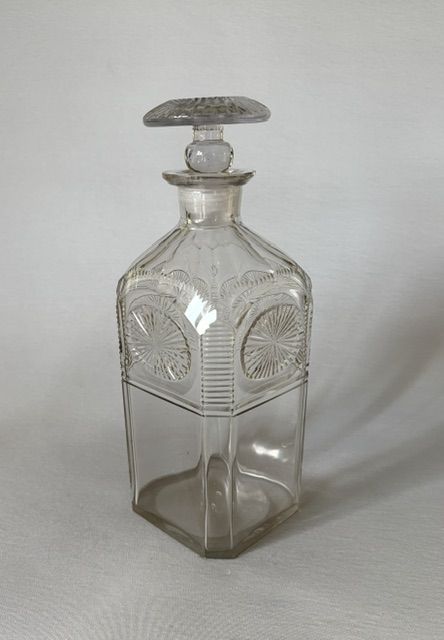
When you search for a georgian whiskey glass, you enter a field defined by small dram glasses, tumblers, and decanters. The pieces listed range from mid-18th century examples with folded feet to late Regency cut lead crystal.
You are most likely to meet small dram glasses and heavy cut tumblers alongside matched decanters. The forms span the Georgian, Regency, and Edwardian periods, reflecting changing domestic habits in British drinking vessels.
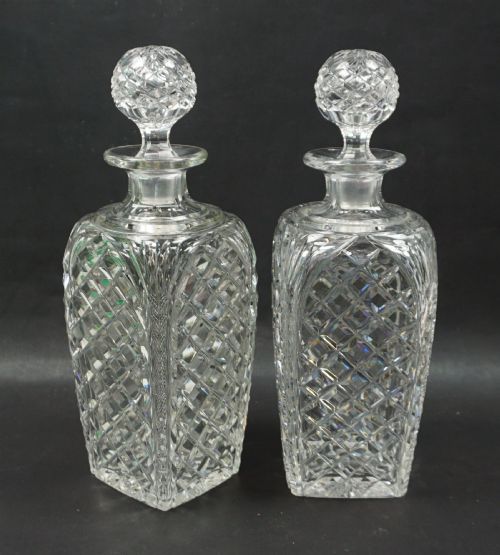
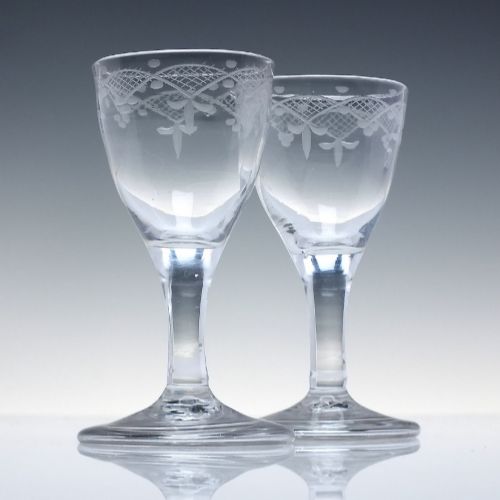
The objects include square section tapered decanters and engraved dram glasses alongside cobalt blue and enamel decorated variants. Each form serves the historic purpose of serving and holding strong spirits.
How they were made
Makers shaped these vessels using lead glass and clear lead crystal, frequently applying deep wheel-cut facets and intricate blaze patterns. Cobalt glass and enamel decoration added rich colour and surface texture to specific examples.
Techniques such as hand-blowing created natural variations in the metal, while folded feet provided added stability to early dram glasses. Cut crystal and engraved details required skilled handwork on the cooled surface.
Georgian Whiskey Glass Retail Price Guide 2026
Typical asking prices for georgian whiskey glass among the pieces listed under this phrase on Sellingantiques today, from the lower quarter to the upper quarter. They describe what is for sale here now, not the wider market.
Listings span the Georgian, Regency, Victorian, and Edwardian periods, utilising materials such as cobalt glass, enamel, and cut lead crystal.
What varies in quality
Quality rests in the crispness of the wheel-cutting and the clarity of the lead glass. Pieces with sharp facet edges and heavy, resonant metal sit above softer, blurred examples.
The Georgian Whiskey Glass Glossary
- Dram glass
- A small drinking vessel designed for a single measure of spirits. These often feature thick bases and simple or engraved bowls.
- Folded foot
- A rim turned under during manufacture to give extra strength and weight to the base. This technique is common on 18th-century drinking vessels.
- Blaze cut
- A pattern of broad, flat vertical facets that reflect light across the surface. This cut is typical of Regency glass design.
- Mell decanter
- A mallet-shaped spirit bottle with a heavy base and tapered neck. They were made to sit securely in cellarets and decanter boxes.
- Lead crystal
- Glass containing lead oxide to increase brilliance, weight, and workability. It allows for deep, sharp cutting.
Georgian Whiskey Glass: Frequently Asked Questions
What is a dram glass?
A dram glass is a small historic vessel sized for a single measure of spirits.
These pieces often feature heavy bases and simple bowls designed for daily use.
How do I date old glass?
Dating relies on observing manufacturing marks, material weight, and cutting styles.
Early pieces often show pontil scars and folded feet, unlike later machine-finished items.
Were these used for whiskey?
These vessels served for strong spirits, including early malt whiskey and cordials.
Their small capacity matches the strength of the drinks consumed in past centuries.
What is lead crystal?
Lead crystal is heavy glass mixed with lead oxide for enhanced brilliance.
This material allowed makers to apply deep, sharp cuts without fracturing the vessel.
Why use folded feet?
Makers folded the rim of the foot under to add structural strength.
This detail protects the vulnerable base edge from chipping during robust tavern or dining use.