





Vintage Dram Glasses
These vintage dram glasses are small vessels for spirits, prized by collectors for their tactile weight and historical charm.
Vintage Dram Glasses
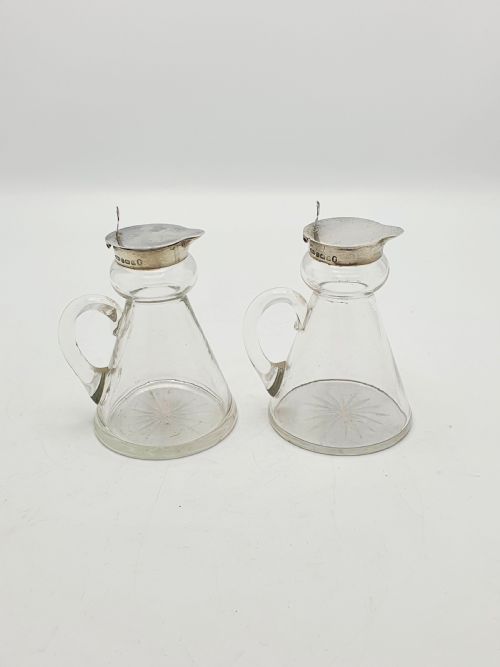
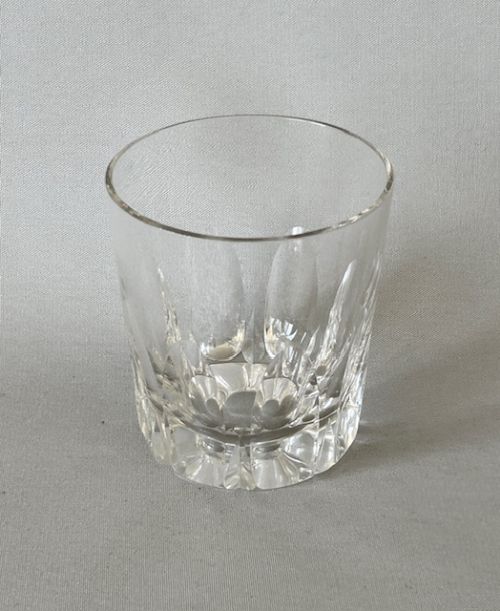
When you search for vintage dram glasses, you encounter a specialised selection of small drinking vessels and spirit containers spanning the Georgian, Victorian, Edwardian, and Art Deco periods. These pieces include cut whiskey tumblers, etched gin glasses, double-ended measures, and silver-mounted whisky noggins designed for serving neat spirits.
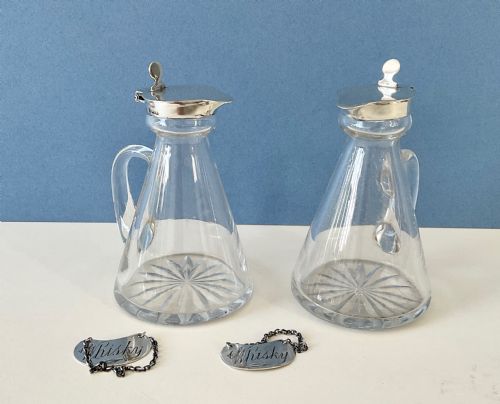
The most common examples on this page are whisky noggins and cut glass tumblers originating from the eighteenth, nineteenth, and early twentieth centuries. Each form reflects the social drinking habits of its era, from eighteenth-century gin glasses to twentieth-century silver-topped noggins bearing hallmarks.
Makers and silversmiths of these periods produced varied barware to suit formal dining and private studies alike. The range covers simple lead glass vessels alongside elaborate sterling silver gilt spirit flasks and cased pairs.
How they were made
Glass production for these pieces relied on hand-blowing and lead crystal formulation to achieve clarity and heft. Artisans employed wheel-cutting techniques to apply geometric facets and decorative motifs to the exterior surface of the vessels.
Metal components such as mounts, lids, and labels utilised sterling silver, often shaped and cast before being fitted to the glass body. Silversmiths stamped these mounts with hallmarks indicating the year of assay and the maker's mark.
Vintage Dram Glasses Retail Price Guide 2026
Typical asking prices for vintage dram glasses among the pieces listed under this phrase on Sellingantiques today, from the lower quarter to the upper quarter. They describe what is for sale here now, not the wider market.
Some double-ended measures permitted a host to pour two different quantities without washing the glass between rounds.
What varies in quality
Quality in these items rests upon the crispness of the glass cutting and the weight of the metal mounts. Superior pieces display deep, sharp facets that catch the light cleanly, while lesser examples show softer edges from worn moulds or simpler engraving.
The integrity of the fit between silver mounts and the glass vessel distinguishes finer works. Complete sets, original stoppers, and clear hallmarks elevate individual pieces within their respective periods.
Hukin & Heath
The Vintage Dram Glasses Glossary
- Noggin
- A small mug or vessel used for measuring and serving spirits, frequently fitted with a silver mount and handle. These often accompanied a decanter on a tray.
- Lead crystal
- Glass containing a proportion of lead oxide that increases refractive index and weight. This material allows for deeper and sharper facet cutting.
- Hallmark
- An official stamp applied to precious metals indicating purity, assay office, and date letter. These marks provide precise dating for the silver components.
- Spirit flask
- A portable container for alcohol, typically featuring a secure cap and sometimes precious metal casing. Larger versions accommodated substantial quantities for travel or hunting.
Vintage Dram Glasses: Frequently Asked Questions
What is a whisky noggin?
A whisky noggin is a small, handled drinking vessel or decanter used for measuring out individual portions of spirit. They frequently feature silver mounts and lids, sometimes accompanied by a small label.
These pieces were typically kept on a sideboard or tray alongside larger decanters for convenient pouring during the eighteenth and nineteenth centuries.
How do I date a glass dram measure?
Dating relies on examining the manufacturing techniques, the thickness and composition of the glass, and any accompanying silver mounts. Hand-blown glass often exhibits pontil marks on the base.
Silver mounts stamped with assay office marks and date letters provide the most precise chronology for pieces produced after the introduction of standard hallmarking.
Are these glasses safe for daily use?
Many antique glass vessels remain robust enough for occasional use, though older lead glass requires careful handling and hand washing. Sudden temperature changes can crack historic glass.
Collectors often reserve these pieces for display or gentle use with spirits, protecting the delicate cut surfaces and silver mounts from wear.
What distinguishes Georgian glass from Victorian pieces?
Georgian glass often displays distinct characteristics such as pontil scars, darker metal tones, and specific facet-cutting styles common to Anglo-Irish production. The forms tend to reflect earlier social dining rituals.
Victorian and later pieces frequently incorporate machine-assisted finishing, heavier silver mounts, and varied decorative motifs influenced by changing artistic movements like Art Deco.