
Small Georgian Glass
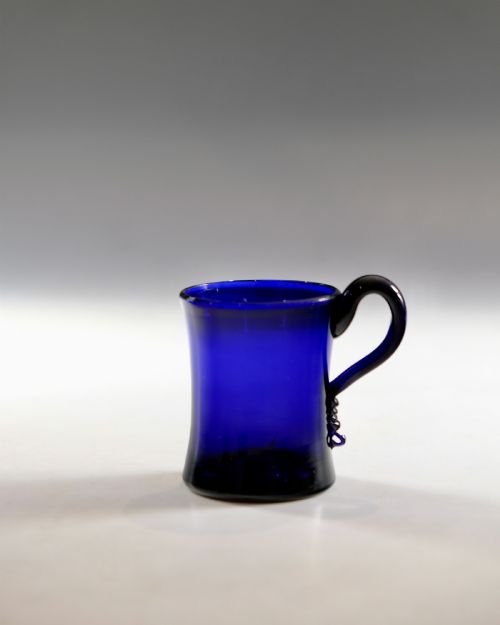
Small georgian glass items span delicate tablewares and vessels crafted during the eighteenth and early nineteenth centuries.
Small Georgian Glass
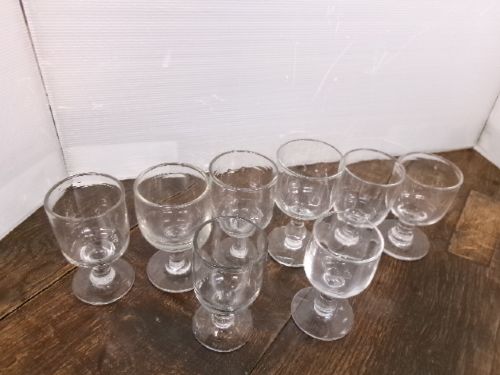
When you search for small georgian glass, you discover vessels made for dining, drinking, and domestic display. The pieces include dram glasses, rummers, decanters, cream jugs, and sweetmeat glasses originating from the eighteenth and nineteenth centuries.
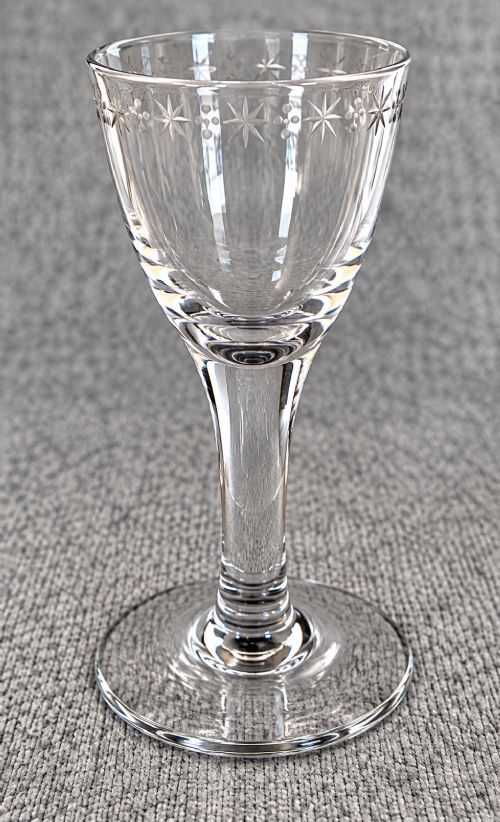
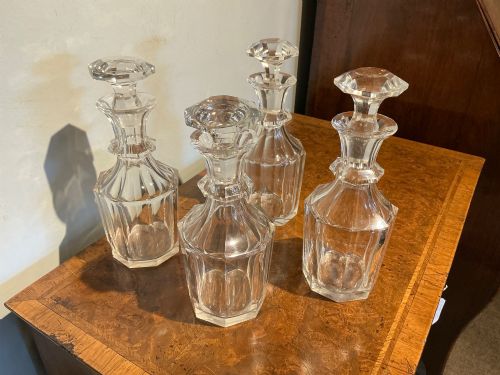
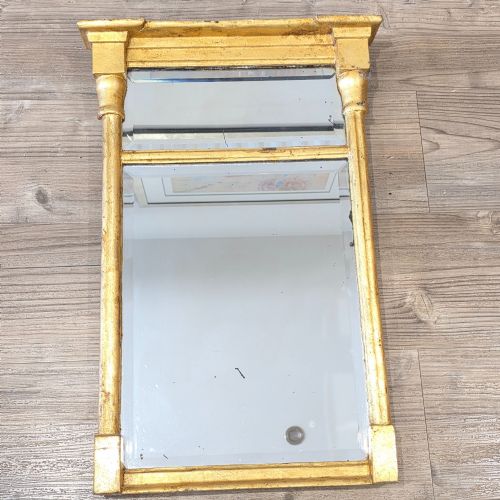
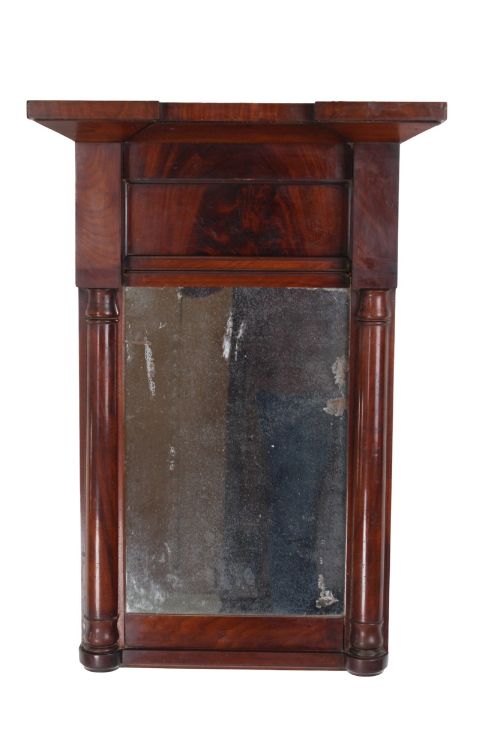
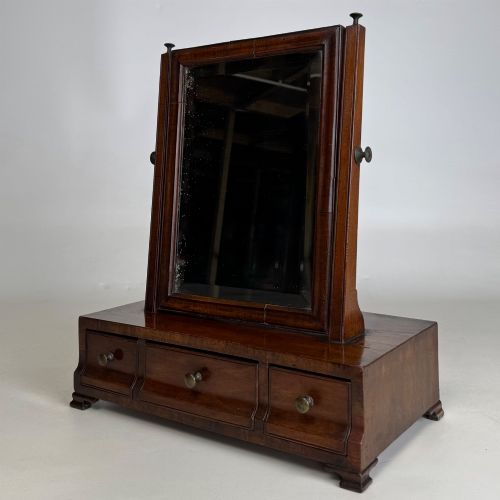
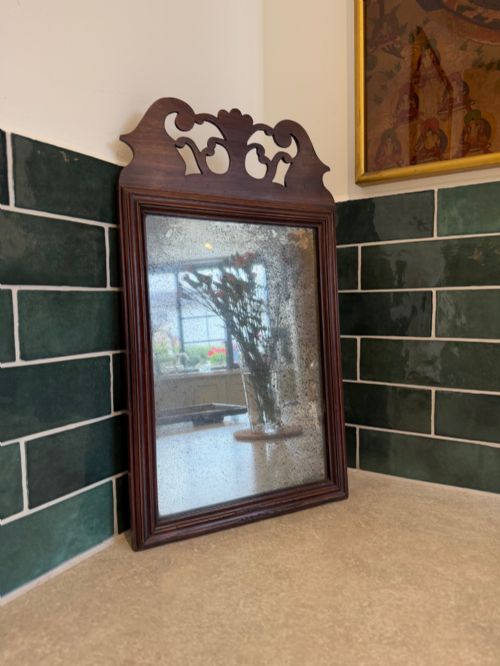
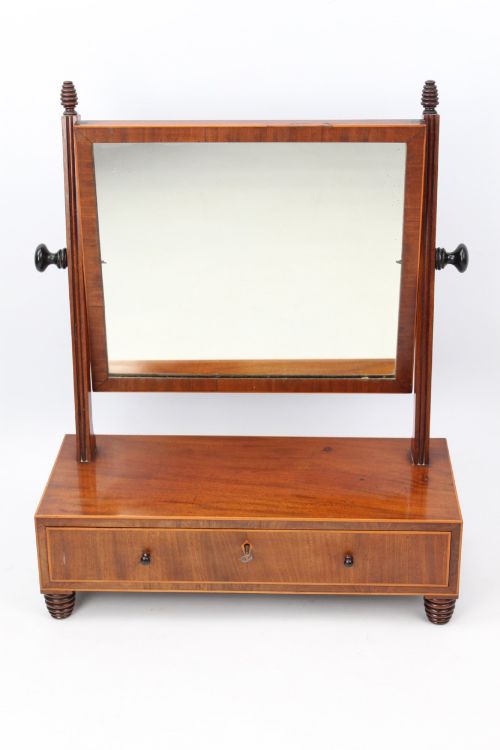
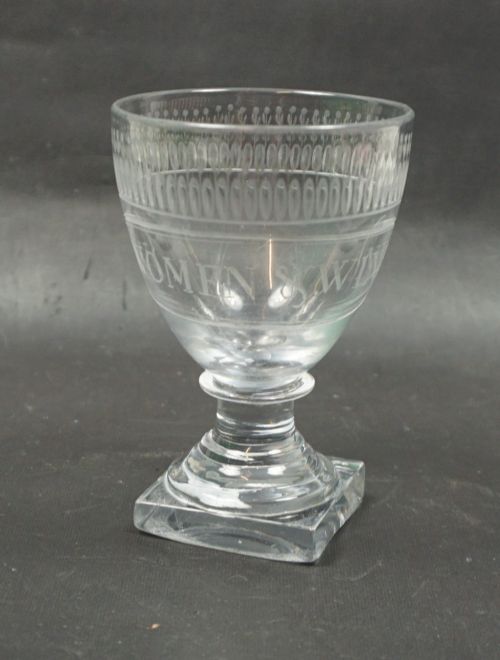
Drinking vessels dominate the selection, particularly engraved dram glasses, firing glasses, and wine glasses featuring opaque twist stems. Tableware forms such as small jugs, tazzas, and decanters appear frequently alongside mirrors housed in mahogany or gilded frames.
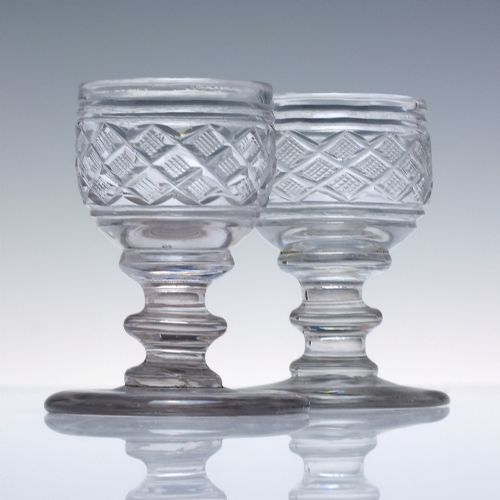
Most examples date from the Georgian and Regency periods, though later revivals also emerge in the records. Buyers encounter everything from simple mould-blown tumblers to deeply cut lead glass items intended for daily use or sideboard display.
How they were made
Makers utilised lead glass and lead crystal to achieve the weight and brilliance characteristic of the era. Glassblowers formed vessels by free-blowing into moulds or manipulating molten metal on a pontil iron before finishing the surface.
Surface ornamentation involved wheel-engraving, rib-moulding, and deep cutting to catch the candlelight. Wooden elements such as mahogany and gesso frames paired with mirror plates complemented the glassware.
Craftsmen applied techniques like air twist and opaque twist stems to wine glasses, while decanters received heavy cut fluting and polished pontil marks.
What varies in quality
Quality rests upon the clarity of the metal, the crispness of the cutting, and the delicacy of any engraved detail. Superior glass exhibits a resonant ring and freedom from excessive bubbles or clouding.
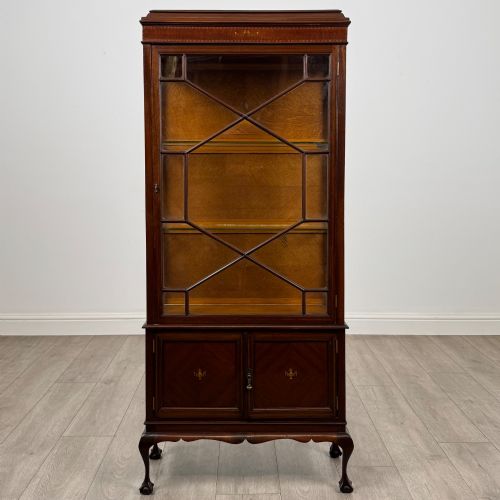
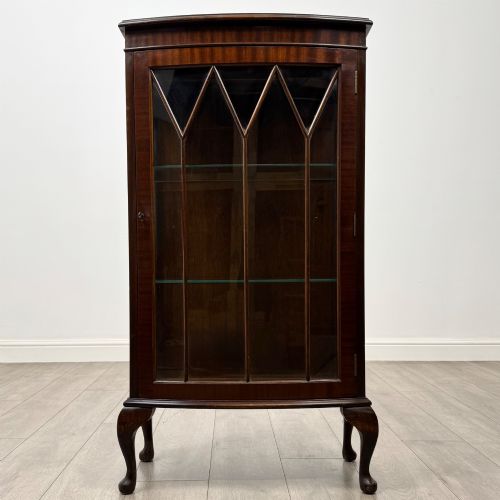
The precision of the stem formation and the stability of the foot rim distinguish finer drinking vessels from utilitarian wares. In mirrors and cabinets, the quality of the mahogany grain and the depth of the gilding elevate the piece.
Proportion and balance define the better examples, where small vessels retain a pleasing weight and harmony of form without appearing heavy or clumsy.
The Small Georgian Glass Glossary
- Dram glass
- A small drinking vessel used for spirits, often featuring engraved decoration along the bowl. These small glasses date predominantly to the eighteenth century.
- Rummer
- A large drinking glass introduced in the eighteenth and nineteenth centuries for ale, wine, or punch, usually with a short stem and stout bowl. They frequently appear in smaller sizes within tavern and domestic contexts.
- Firing glass
- A stout drinking vessel with a thick base designed to be banged on a table rather than set down gently. The heavy foot absorbed the impact during toasts.
- Opaque twist
- A stem formation in wine glasses created by enclosing white or coloured enamel threads within clear glass. This technique gained popularity during the mid-eighteenth century.
- Sweetmeat glass
- An ornamental glass vessel with a shallow bowl used for serving small confections or dry sweetmeats. They often feature moulded rims and pedestal feet.
Small Georgian Glass: Frequently Asked Questions
What were small georgian glass dram glasses used for?
These miniature vessels served strong spirits like whisky or brandy during social gatherings. Guests drank small portions directly from them before the vessels were cleared.
Their compact size reflected the potency of the drinks poured inside them.
How do you clean antique glass safely?
Wash pieces by hand in warm water using a mild detergent, supporting the base and bowl carefully. Avoid sudden temperature changes to prevent thermal shock and cracking.
Dry them immediately with a soft lint-free cloth to maintain their clarity.
How can you tell an 18th century glass from a later copy?
Examine the base for a rough pontil mark where the glassblower detached the pontil iron. Genuine eighteenth-century pieces also exhibit wear scratches on the foot rim from decades of movement.
The weight, metal colour, and manufacturing irregularities offer further clues to their age.