

Clear Flint Glass Stemware
Clear flint glass stemware brings heavy handle and brilliant refraction to the table, mostly through eighteenth-century drinking vessels.
Clear Flint Glass Stemware
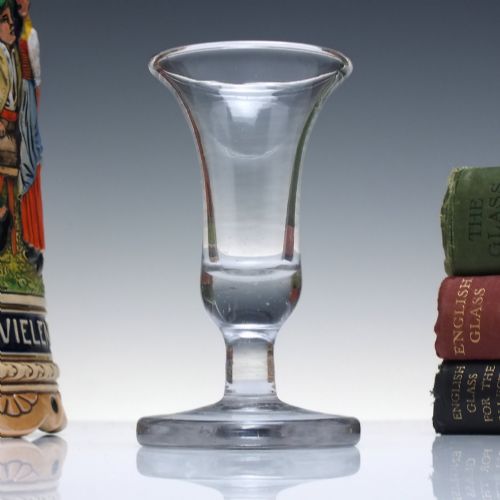
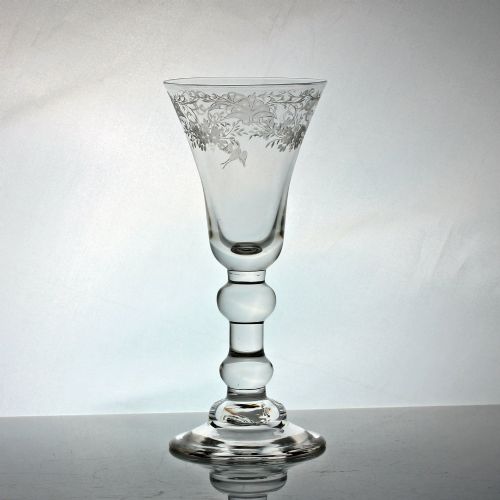
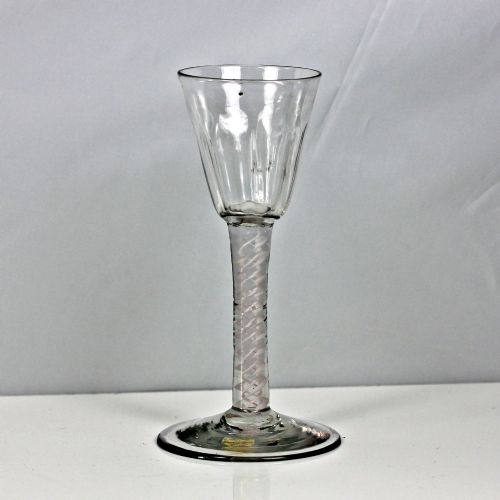
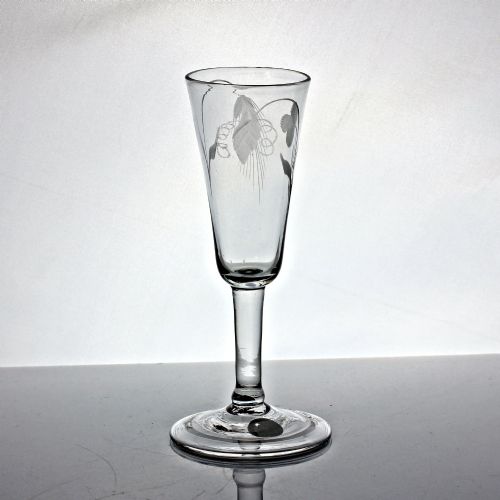
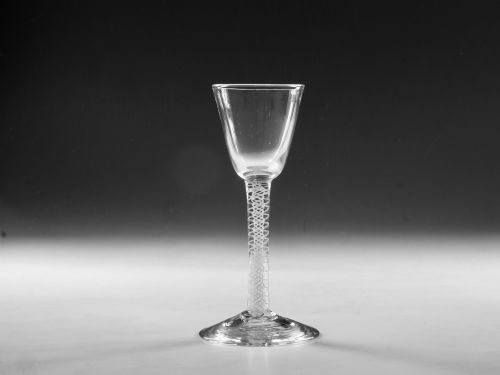
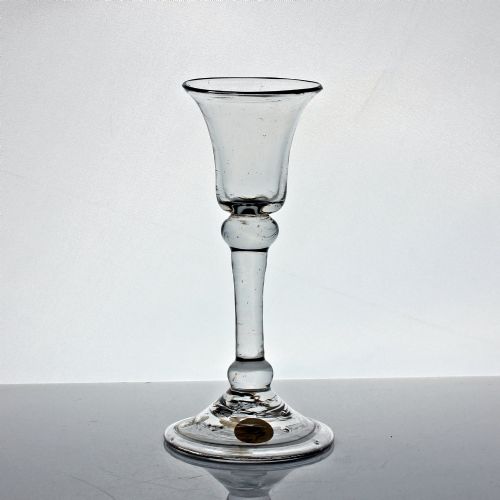
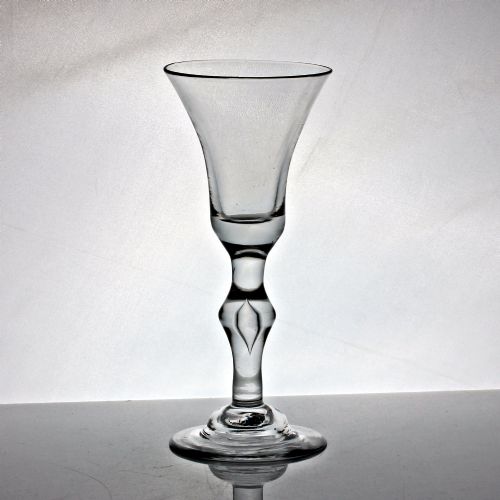
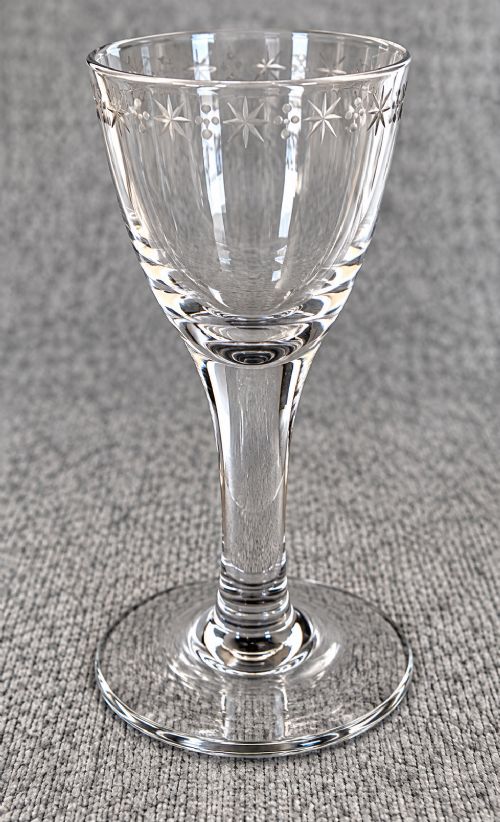
Clear flint glass stemware primarily comprises eighteenth-century drinking vessels originating from English workshops. Buyers encounter wine glasses, ale glasses, dram glasses, and rummers shaped with baluster, balustroid, or twisted stems.
The material spans lead glass, clear glass, lead crystal, and flint glass, occasionally embellished with enamel decoration. Surviving examples reflect periods from the early seventeen hundreds into the nineteen thirties.
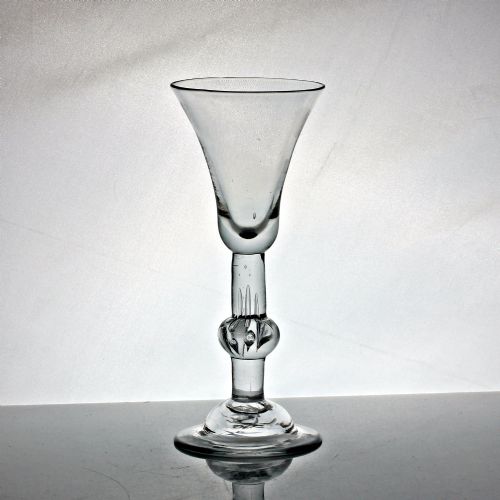
Most pieces date to the Georgian era, displaying forms such as trumpet, bell, ogee, and funnel bowls supported by folded, domed, or plain feet.
Materials and Technique
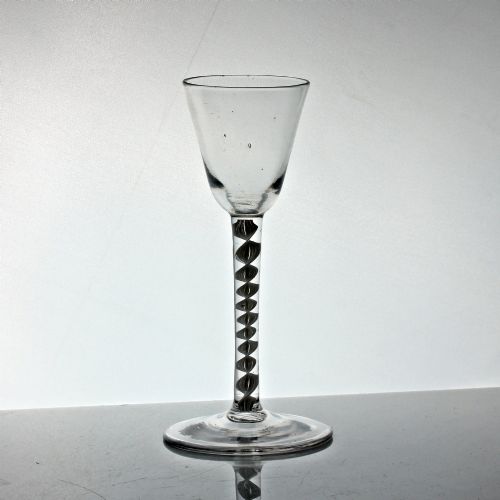
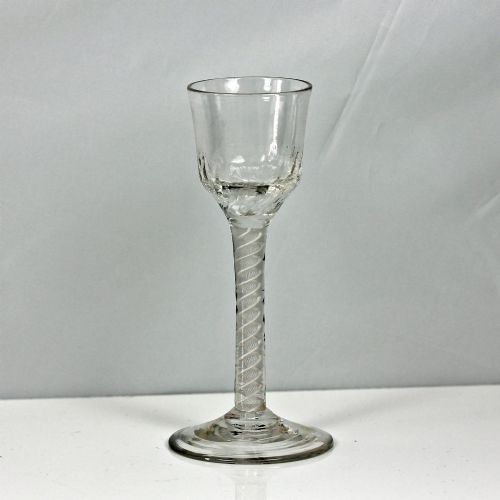
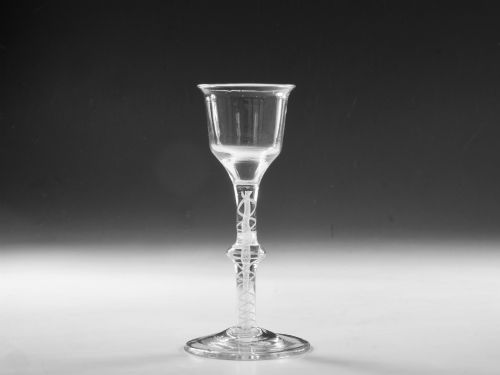
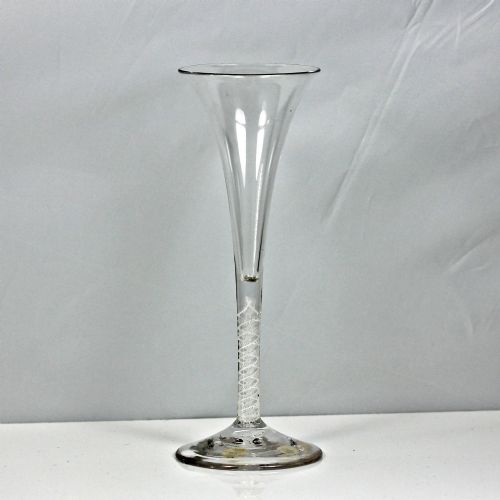
Makers utilised lead glass and flint glass formulations to achieve high refractive index and weight. Molten metal was blown into form, often incorporating air tears, air twists, or opaque white glass threads drawn through the stem.
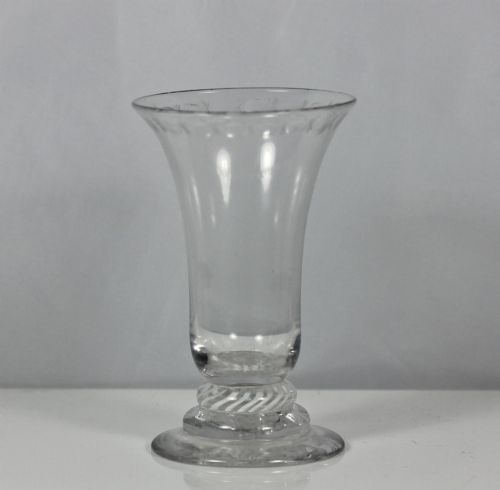
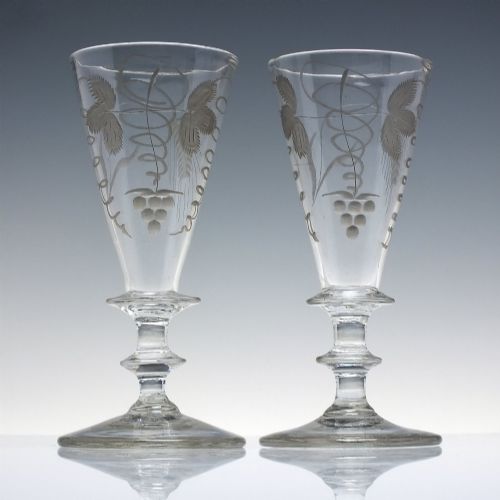
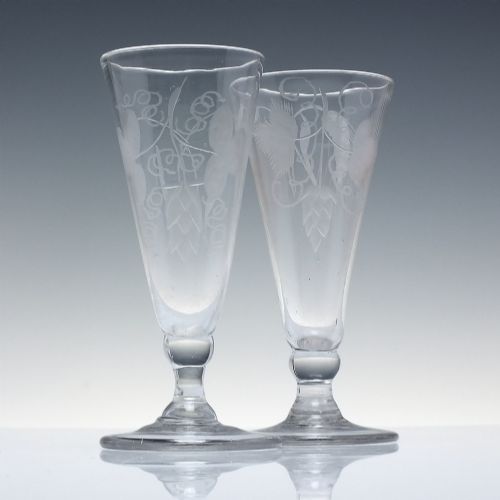
Surface details emerged through moulding, such as wrythen and flute patterns, alongside wheel engraving depicting hops, barley, or Jacobite symbols. Feet were frequently formed with folded rims to provide extra strength at the base.
Clear Flint Glass Stemware Retail Price Guide 2026
Typical asking prices for clear flint glass stemware among the pieces listed under this phrase on Sellingantiques today, from the lower quarter to the upper quarter. They describe what is for sale here now, not the wider market.
Listings feature lead glass, flint glass, and enamel glass across periods from seventeen hundred to nineteen thirty, including Georgian and Queen Anne styles.
Distinguishing Quality
Refinement rests on the clarity of the metal and the dexterity shown in forming the stem twist or baluster knop. Crispness of wheel engraving and the balance between bowl and foot dictate the standing of a vessel.
Proportion and weight separate standard drinking vessels from exhibition pieces like heavy baluster goblets and marriage wine goblets.
The Clear Flint Glass Stemware Glossary
- Flint glass
- A heavy, bright glass containing lead oxide, known for clarity and light dispersion. This material allowed eighteenth-century makers to produce sharp facets and heavy stems.
- Opaque twist
- A stem containing threads of white or coloured enamel glass drawn into spirals. Single and double series twists define much of the Georgian output.
- Folded foot
- A glass foot where the outer rim is turned underneath to create a thickened double layer. This technique added durability to fragile vessel edges.
- Rummer
- A large, robust drinking glass popular for ale and wine from the Georgian period onward. They typically feature ovoid or round bowls on short stems.
Clear Flint Glass Stemware: Frequently Asked Questions
How do I date a clear flint glass stemware piece?
Dating relies on stylistic shifts in bowl shapes, foot construction, and stem formations. Eighteenth-century pieces frequently exhibit heavy lead metal, folded feet, and baluster or twist stems.
Later nineteenth-century examples tend toward larger rummers and heavier proportions. Comparing bowl profiles against documented period types helps narrow the decade of manufacture.
What is the difference between an air twist and an opaque twist?
An air twist contains elongated spiral bubbles trapped inside the stem during manufacture. Makers pulled and twisted the hot glass to stretch these air channels into delicate threads.
An opaque twist incorporates solid rods of white or coloured enamel glass within the clear stem. These threads appear as single or double series spirals.
Why do some glasses have folded feet?
Makers folded the rim of the foot underneath during blowing to reinforce the most vulnerable part of the vessel. This technique provided stability and prevented chipping during daily use in taverns and dining rooms.
Folded feet appear frequently on eighteenth-century dram, ale, and wine glasses.
Were these glasses used for everyday drinking?
Georgian drinking vessels served wine, ale, drams, and beer at meals and social gatherings. Their heavy lead composition made them durable enough for regular service.
Today, collectors use or display them to appreciate Georgian glassmaking techniques and tavern history.