


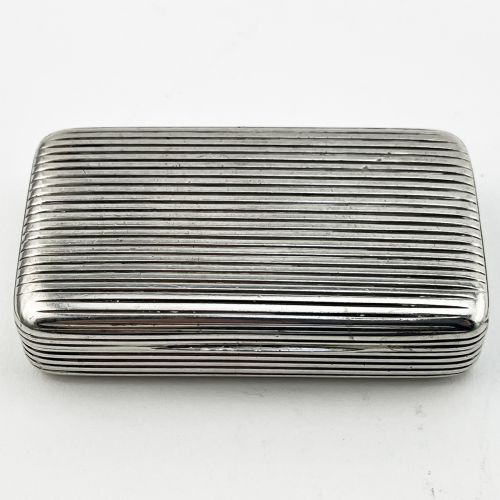

Georgian Silver Trinket Box
These small metal and stone containers provide a glimpse into past habits of carrying snuff, patches, and small valuables.
Georgian Silver Trinket Box
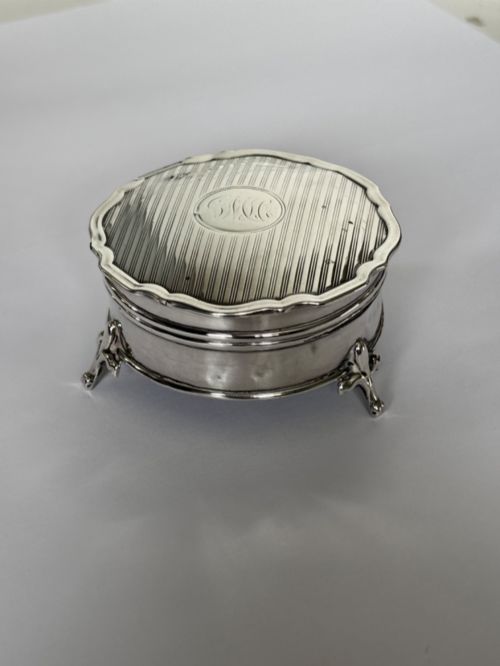
A georgian silver trinket box encompasses pocket snuff boxes, vinaigrettes, patch boxes, and small desktop containers originating from the eighteenth and nineteenth centuries. Buyers searching for a georgian silver trinket box typically encounter sterling silver items alongside silver gilt, tortoiseshell, and agate pieces designed for personal use.
The assortment includes regional British items from London, Birmingham, and Edinburgh, alongside occasional continental and Irish examples. Forms range from miniature pocket pill boxes to larger table boxes and dressing table pieces.
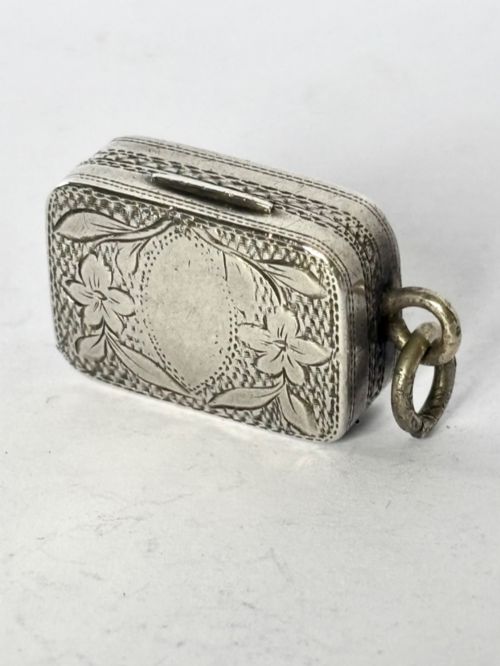
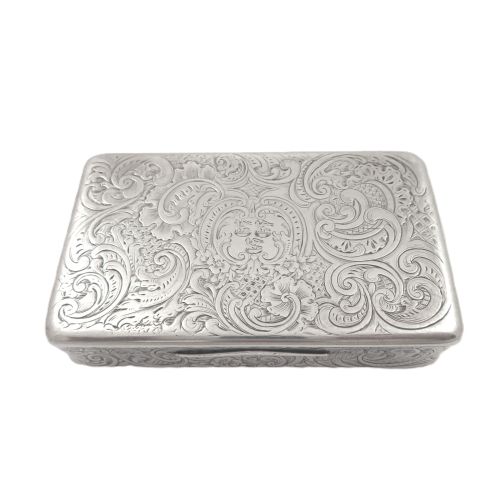
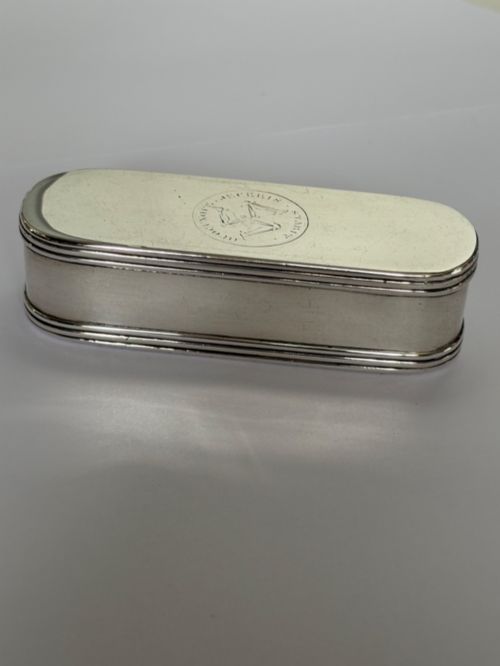
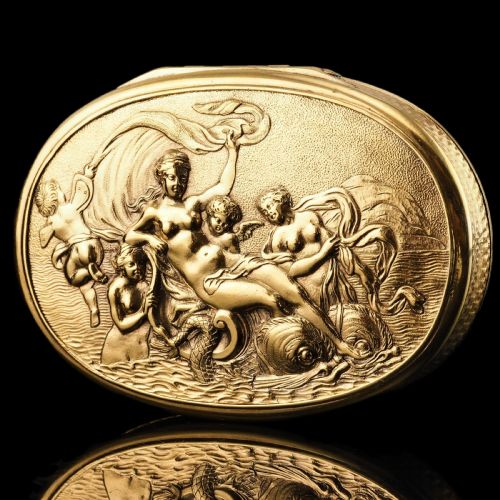
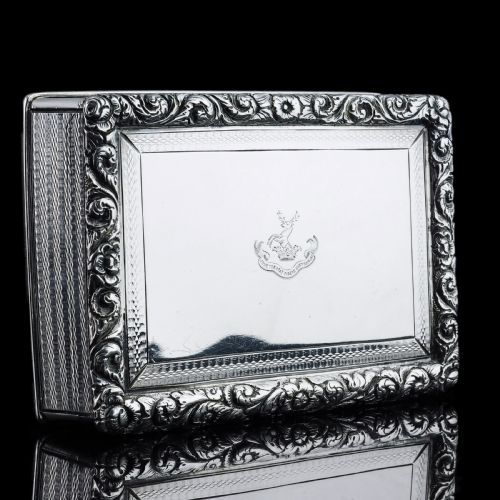
Makers fashioned these containers for specific daily functions, housing tobacco, scented sponges in pierced vinaigrettes, or small personal items. Surviving examples often display crests, chased floral borders, or figural scenes upon their lids.
Materials and technique
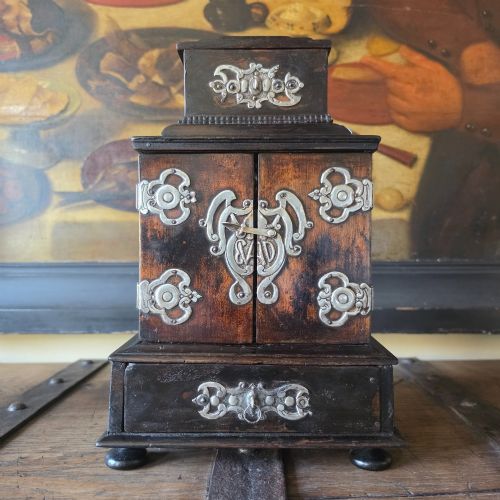
Silversmiths utilised sterling silver and silver gilt as the primary structural materials, often combining them with organic elements like tortoiseshell, wood, and agate. Metalwork techniques involved casting, bright-cut engraving, and floral chasing to ornament the exterior surfaces.
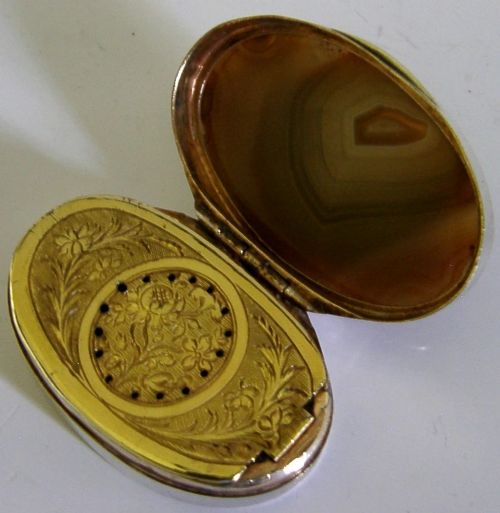
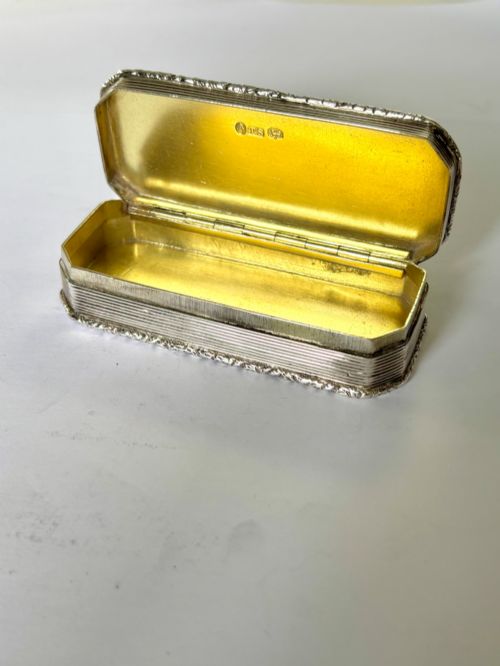
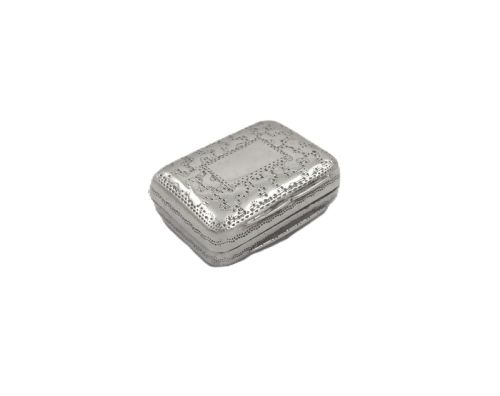
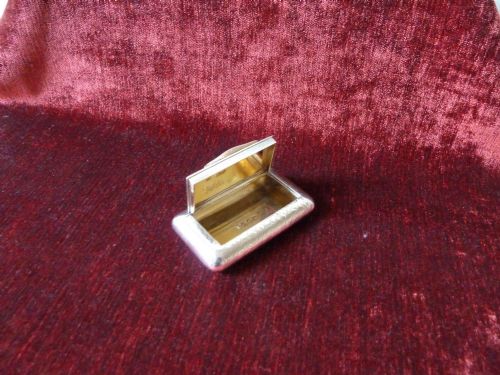
Vinaigrettes required internal pierced grilles fitted behind the lid to hold sponge soaked in perfume. Makers also applied gold gilt highlights over silver surfaces to create contrast on decorative scenes and crests.
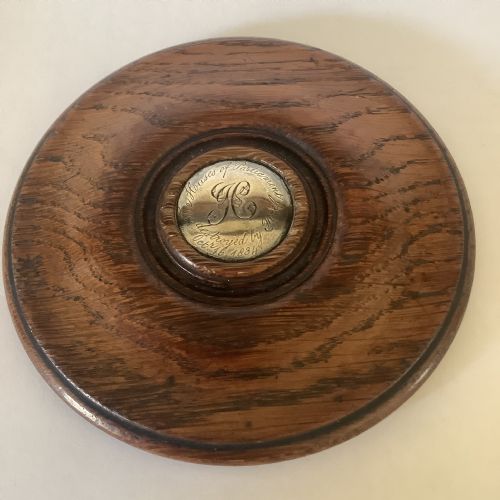
One listed oak snuff box survived the burning of the Houses of Parliament in 1834.
Quality and execution
Superior examples display crispness in chased floral borders and detailed engraving on figural scenes, whereas lower quality items show softened or worn surface patterns. The precision of the hinge fitting and the weight of the silver distinguish standard production pieces from master silversmith output.
The integration of decorative stones like agate and organic materials such as tortoiseshell dictates the refinement of the piece. Well-preserved interior gilding and legible hallmarks from known silversmiths elevate the standing of a container.
Samuel Pemberton·Cornelius Bland·Paul Storr·Thomas Shaw·Joseph Willmore·John Bettridge·Matthew Linwood·Joseph Ash
The Georgian Silver Trinket Box Glossary
- Vinaigrette
- A small hinged box containing a perforated internal grille intended to hold a scented sponge. These containers were carried in pockets during the Georgian period.
- Silver Gilt
- Silver that has been coated with a thin layer of gold on its surface. This technique provided a rich golden appearance to the interior or exterior of boxes.
- Patch Box
- A tiny container used to hold cosmetic silk patches fashionable in the eighteenth century. They frequently featured mirrors fitted inside the lid.
- Bright-Cut Engraving
- A surface decoration technique utilising faceted angular cuts to reflect light. Silversmiths employed this method to create geometric and floral patterns.
- Hallmark
- Official stamps struck into precious metals indicating the standard of silver, the assay office, and the date letter. These marks verify the origin of British pieces.
Georgian Silver Trinket Box: Frequently Asked Questions
What is a vinaigrette?
A vinaigrette is a small pocket container fitted with an internal pierced grille. It held a sponge soaked in aromatic vinegar to mask unpleasant odours.
These pieces resemble standard snuff boxes but serve a different aromatic purpose.
How do I date a silver box?
Dating relies on identifying the hallmarks stamped into the metal by assay offices. Date letters and maker marks provide the exact year of manufacture.
Stylistic clues like rococo motifs or bright-cut engraving also indicate the period.
Were these boxes used for tobacco?
Many of the larger pocket containers served as snuff boxes for powdered tobacco. Owners carried them daily for consumption during social gatherings.
Smaller versions held pills, patches, or dry cosmetics rather than tobacco.
How do I clean antique silver?
Antique silver requires minimal intervention to preserve original patination and gilding. Gentle dusting and occasional use of specialised silver cloth prevent tarnish build-up.
Harsh chemical dips damage fine engravings and remove historic wear.