



Georgian Silver Pendant
When you handle a georgian silver pendant, you touch pieces shaped by eighteenth and nineteenth century hands using foil backed paste and old cut stones.
Georgian Silver Pendant
A georgian silver pendant encompasses small devotional crosses, foiled paste lockets, and rock crystal drops from the eighteenth and early nineteenth centuries. These items trace their origins through Georgian, Victorian, and Edwardian periods, surviving alongside later nineteenth century Viennese and French works.
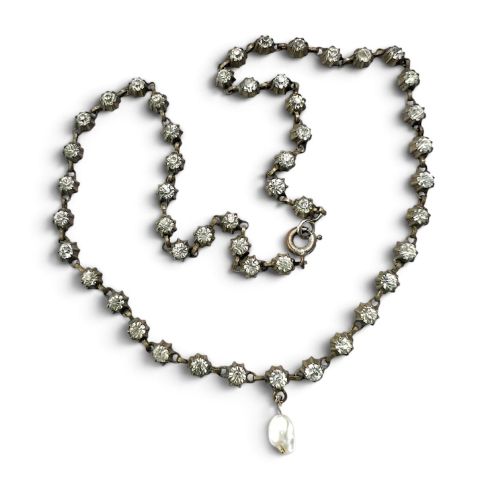
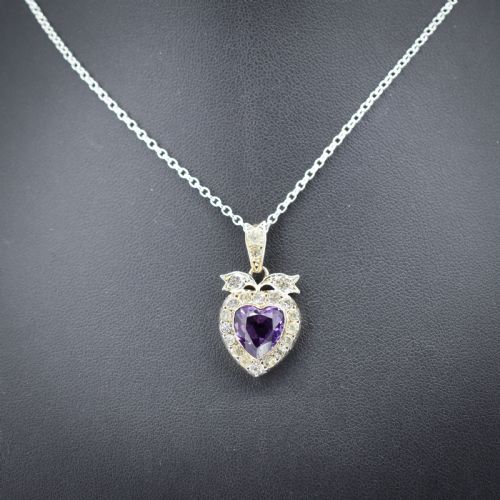
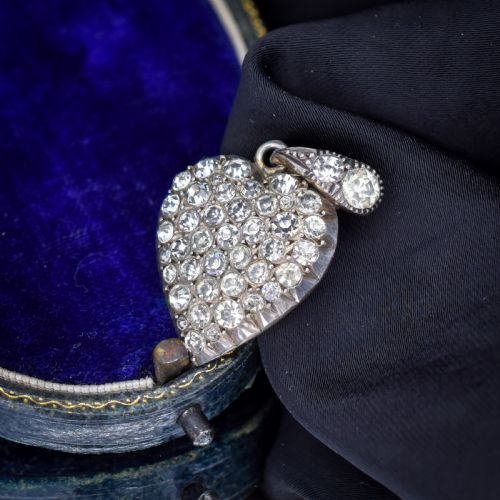
The version most commonly met on this page is the silver and paste pendant, often featuring black dot paste or foiled amethyst set in silver over gold. Crosses, hearts, and sunburst motifs dominate the surviving examples, alongside pendant conversions and charms.
Makers and marks appear occasionally on vinaigrettes and similar small silver pieces from the period, but many pendants remain unsigned. Their survival relies on sturdy settings of silver and gold that protected delicate stones and foils across the centuries.
How they were made
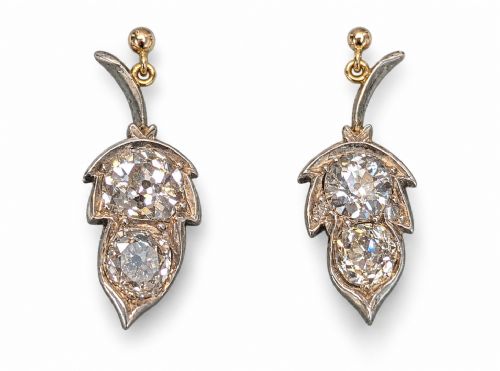
Silversmiths constructed these pieces using sterling silver and gold, frequently combining both metals to mount diamonds, paste glass, and rock crystal. Settings utilised closed backs with coloured foil placed beneath glass or paste to enhance the reflection and depth of the stones.
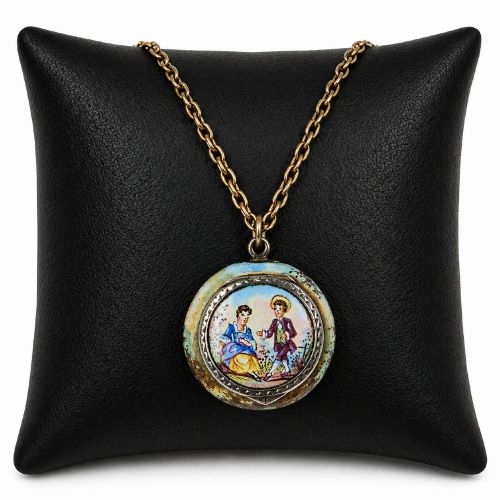
Stones like old cut diamonds, turquoise, and rock crystal were hand cut and secured in collet settings that required precise metalwork. Enamel work and gilding further enriched pieces such as vinaigrettes and lockets, showing the detailed labour of period workshops.
Listings feature silver, gold, paste glass, and rock crystal across Georgian, Victorian, and Edwardian periods.
What varies in quality
Quality rests upon the crispness of the metalwork and the integrity of the foil backing behind paste or crystal stones. Superior pieces display finely proportioned collets and stones cut with sharp facets that catch the light without dullness.
The depth of hand engraving on silver mounts and the survival of original gold washes or gilding distinguish finer examples from standard production. Execution of complex motifs like articulated fish or figural locket framing marks the work of skilled hands.
Samuel Pemberton·John Bettridge·John Barry
The Georgian Silver Pendant Glossary
- Paste glass
- Hand cut glass used to imitate gemstones, often backed with coloured foil to increase brilliance. It represents a high form of eighteenth century lapidary skill.
- Black dot paste
- A specific type of paste stone featuring a tiny painted dot on the culet to mimic the natural culet of an old cut diamond.
- Vinaigrette
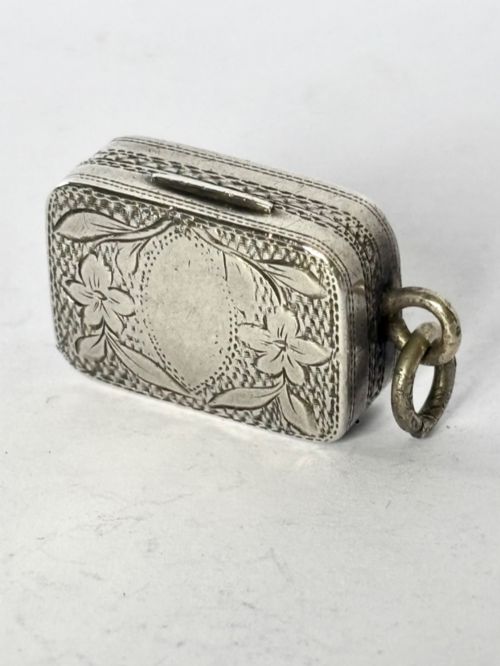
- A small hinged silver box with a pierced inner grille, used to hold a sponge soaked in aromatic vinegar. These portable containers often featured gilt interiors and detailed repoussé decoration.
- Rock crystal
- Colourless natural quartz carved and polished by hand for jewellery, predating modern synthetic stones. It appears in square crosses and faceted drops.
- Collet setting
- A band of metal pressed closely around the edge of a gemstone to hold it in place. This technique defined Georgian stone setting before the invention of prong mounts.
Georgian Silver Pendant: Frequently Asked Questions
How do I wear a pendant safely?
Pendants from the Georgian period suit delicate chains or ribbons that match the historic weight of the piece. Secure clasps ensure these fragile silver and paste items remain safe during regular wear.
Because many pieces feature foiled backs that can be damaged by water, remove pendants before bathing or swimming. Gentle cleaning with a dry cloth preserves the silver surface and the vulnerable foil beneath the stones.
Were these pendants originally brooches?
Many surviving examples served dual purposes as both brooches and pendants, featuring removable or fold down loops alongside pin stems. This versatility was common in Georgian and Victorian jewellery design.
Conversions also occurred later, where pieces like buttons or chatelaine attachments were fitted with suspension rings. Examining the reverse of a pendant reveals the original pin fittings and hinge mechanisms.
What is black dot paste?
Black dot paste is an eighteenth century technique where makers painted a small dark spot on the back of a glass paste stone. This imitated the open culet found in genuine old cut diamonds of the era.
Under magnification, this dot helps distinguish genuine period paste from later reproductions. It demonstrates the meticulous attention to detail applied by Georgian jewellers.
How do I date a silver pendant?
Dating relies on stylistic clues such as the cut of the stones, the construction of the metal settings, and any official hallmarks present on the piece. Closed back settings and foil treatments strongly suggest eighteenth or early nineteenth century origins.
Matching motifs like crosses, hearts, and starbursts against known period examples narrows the timeline further. Maker marks on silver mounts provide definitive years where hallmarking laws applied.