
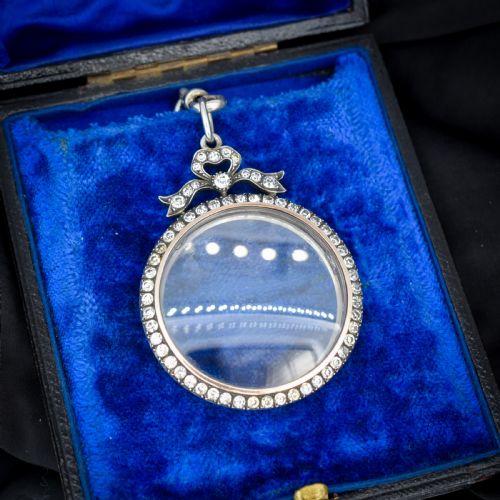
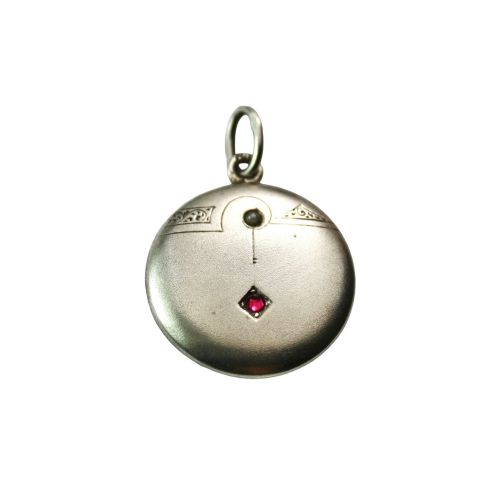


Silver Paste Pendant
These silver paste pendant pieces offer the brilliant sparkle of high-period gems through carefully faceted glass set in bright metal.
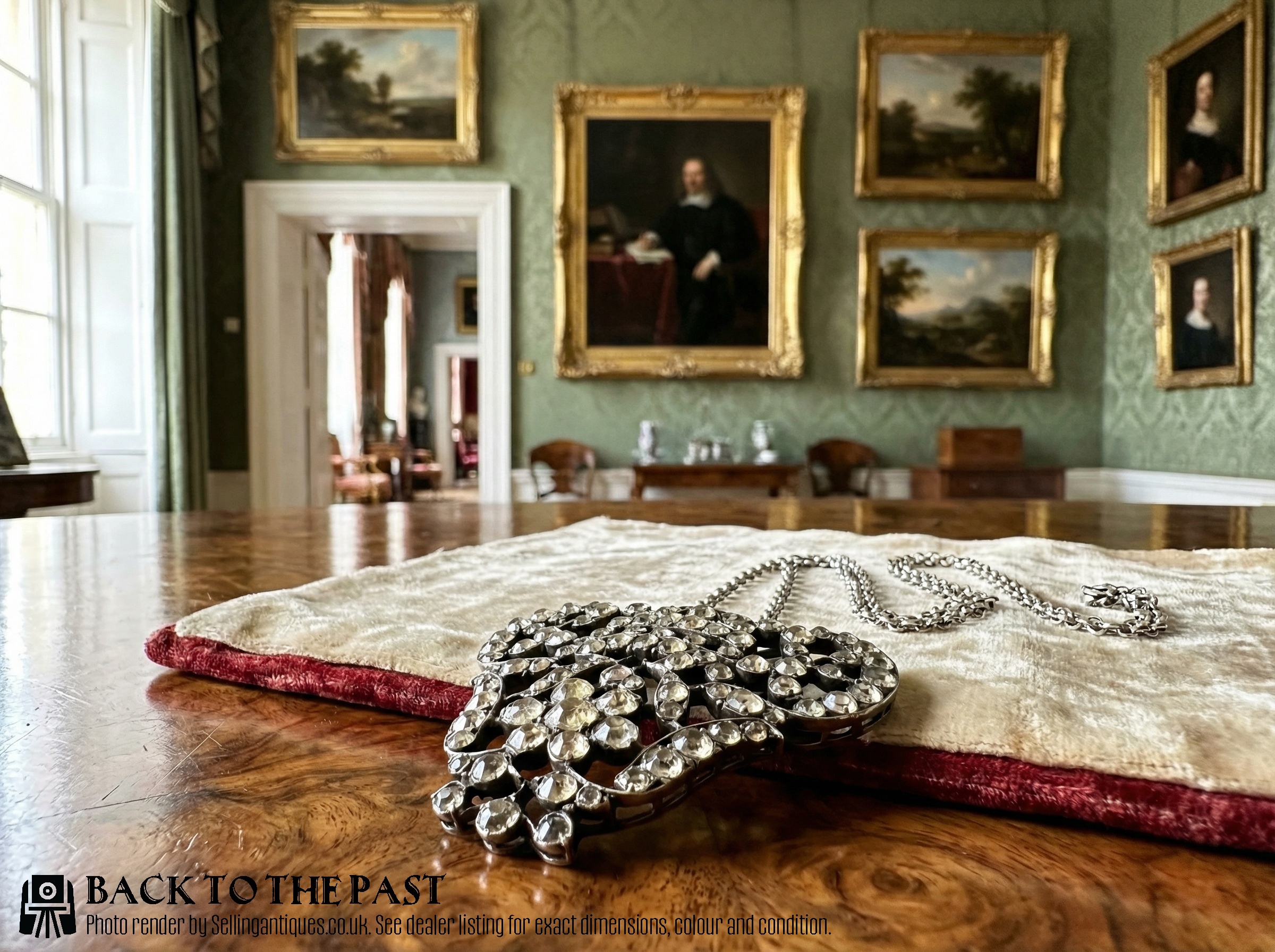
Identifying silver paste pendant items
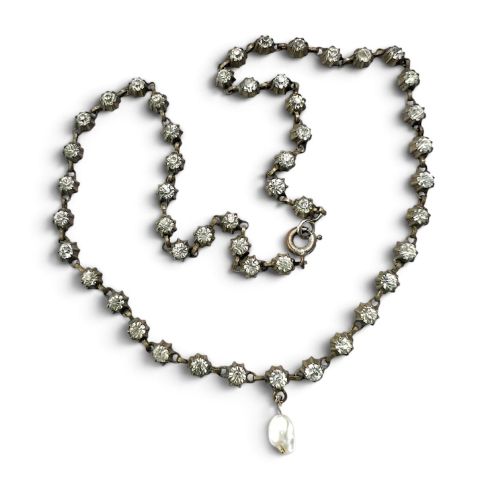
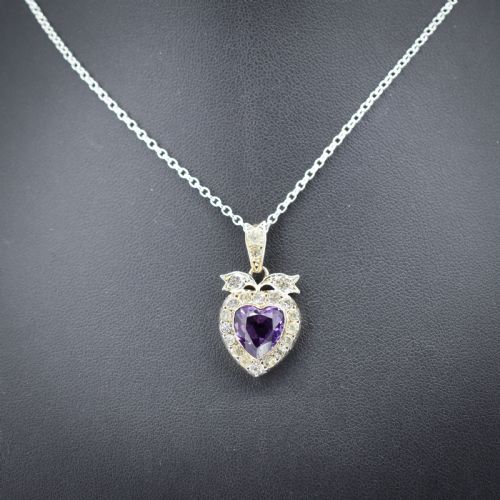
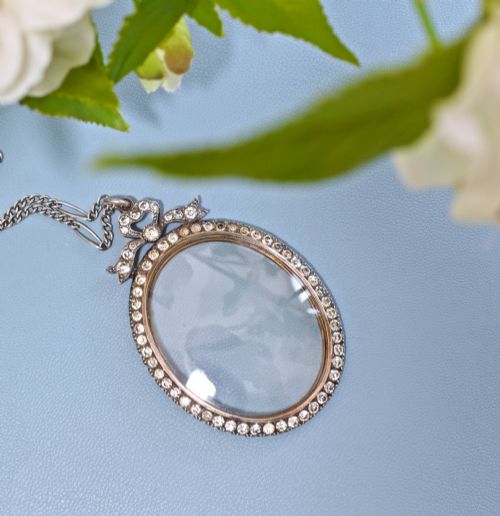
A silver paste pendant brings together centuries of decorative metalwork and hand-cut glass designed to mimic precious stones. The pieces found here span Georgian, Victorian, and Edwardian eras, reflecting changing tastes from formal geometric crosses to romantic bows, birds, and floral motifs.
Buyers encounter numerous forms ranging from simple teardrop drops and sunbursts to elaborate lavalier necklaces and figural animal designs. The materials consistently pair sterling silver with glass paste, occasionally incorporating gold highlights or pearls to enhance the visual depth.
Materials and construction methods
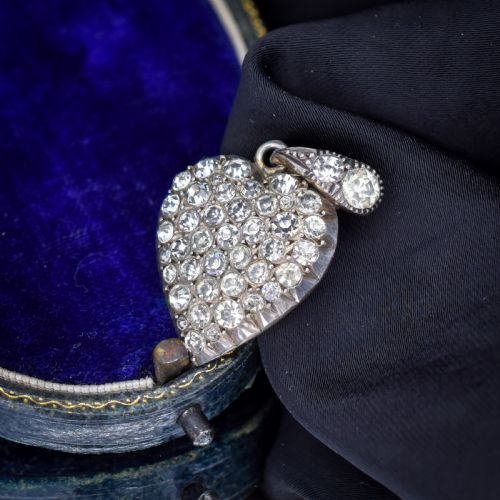
The physical construction relies heavily on hand-cut glass paste secured within silver settings, frequently utilising closed-back foils in earlier Georgian examples to intensify the reflected light. Artisans shaped the metal to follow the contours of the stones, employing collet settings that hold each paste piece firmly in place.
Many items incorporate additional elements such as marcasite, enamel, or small pearls alongside the primary glass stones. Metalwork techniques progress from heavier cast and chased Georgian frames to lighter, more intricate wirework typical of the Edwardian period.
Retail Price Guide 2026
Typical UK retail prices for silver paste pendant, calculated from the Sellingantiques database of over a million retail prices indexed since 2003. This retail price guide relies exclusively on Sellingantiques data; no external sources or auction records are used, so the figures do not describe the wider market.
Distinguishing quality across the range
The refinement of the stone cutting and the precision of the foil backing govern the overall brilliance and visual depth of the piece. Superior examples display crisp facet edges and secure stone placement that maintain their integrity under close inspection.
Design complexity and the integrity of the original metalwork separate standard productions from exceptional workshop items. The harmony between the silver frame and the arrangement of the paste stones determines the visual success of the finished jewel.
Liberty & Co
The Silver Paste Pendant Glossary
- Paste
- Hand-cut and polished lead glass designed to imitate gemstones. It captures light with remarkable clarity when shaped by skilled hands.
- Black dot paste
- A specific Georgian technique where a small dark spot is applied to the pavilion of the stone to simulate the culet of a real diamond.
- Lavalier
- A necklace featuring a pendant that drops below the main chain line, often with multiple articulated hanging elements popular during the Edwardian period.
- Collet setting
- A band of metal that encircles the edge of a stone to hold it securely in place. It forms a clean, continuous border around the paste.
- Saint Esprit
- A traditional French dove design representing the Holy Spirit, frequently rendered in silver and paste with articulated wings and drop components.
Frequently Asked Questions
What is a silver paste pendant?
A silver paste pendant is an antique ornament featuring hand-cut lead glass stones mounted in silver settings. These pieces were created across the Georgian, Victorian, and Edwardian eras to provide the elegance of fine gemstone jewellery.
The materials used combine bright sterling silver with brilliant glass paste, sometimes enhanced with gold, pearls, or enamel. Each piece reflects the distinct aesthetic preferences of its period, from formal crosses to playful animal figures.
How do I date a silver paste pendant?
Dating relies on observing the overall design style, the shape of the stones, and the mounting techniques employed by the maker. Georgian pieces often feature closed-back settings and black dot inclusions, while Edwardian examples tend toward lighter floral and bow motifs.
Examining the construction of the chain loops and the rear of the silver mount provides further clues. Earlier items display heavier hand-formed frames, whereas later Victorian and Edwardian pieces show more delicate wirework and integrated settings.
How were these pendants worn historically?
These ornaments hung from matching silver chains, ribbons, or collars depending on the fashion of the specific decade. Many examples functioned as both pendants and brooches, offering versatile wearability for different types of formal or daily attire.
The inclusion of loops or pins allowed owners to adapt the pieces to neckchains or fasten them directly to garments. This dual functionality was particularly common in Georgian and Victorian multi-use designs.
How do I care for antique paste jewellery?
Antique paste items require gentle handling because the glass stones and their historical foil backings are sensitive to moisture. Cleaning should be done with a soft, dry cloth rather than liquid immersion to protect the interior foils from tarnishing or lifting.
Storing each piece separately in a lined box prevents the silver and glass from scratching against other items. Avoiding contact with perfumes and water ensures the longevity of both the metal and the paste.