


Openwork Silver Pendant
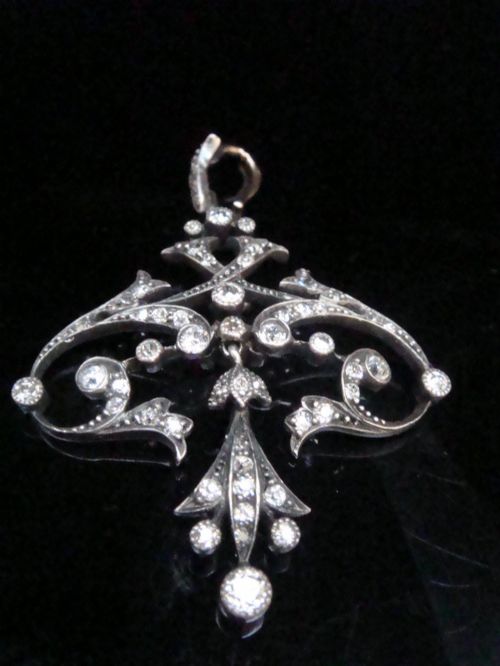
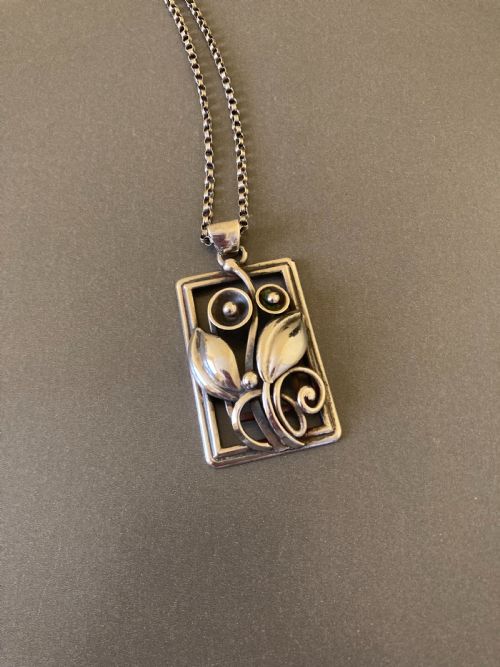
These openwork silver pendant pieces combine metalwork and stone settings to offer versatile wear, ranging from Georgian paste to Scandinavian modern forms.
Identifying openwork silver pendant designs
When you search for an openwork silver pendant, you encounter varied designs spanning the Georgian, Victorian, Art Nouveau, and 1940s periods. These items encompass necklaces and pendants created across different historical eras and stylistic movements.
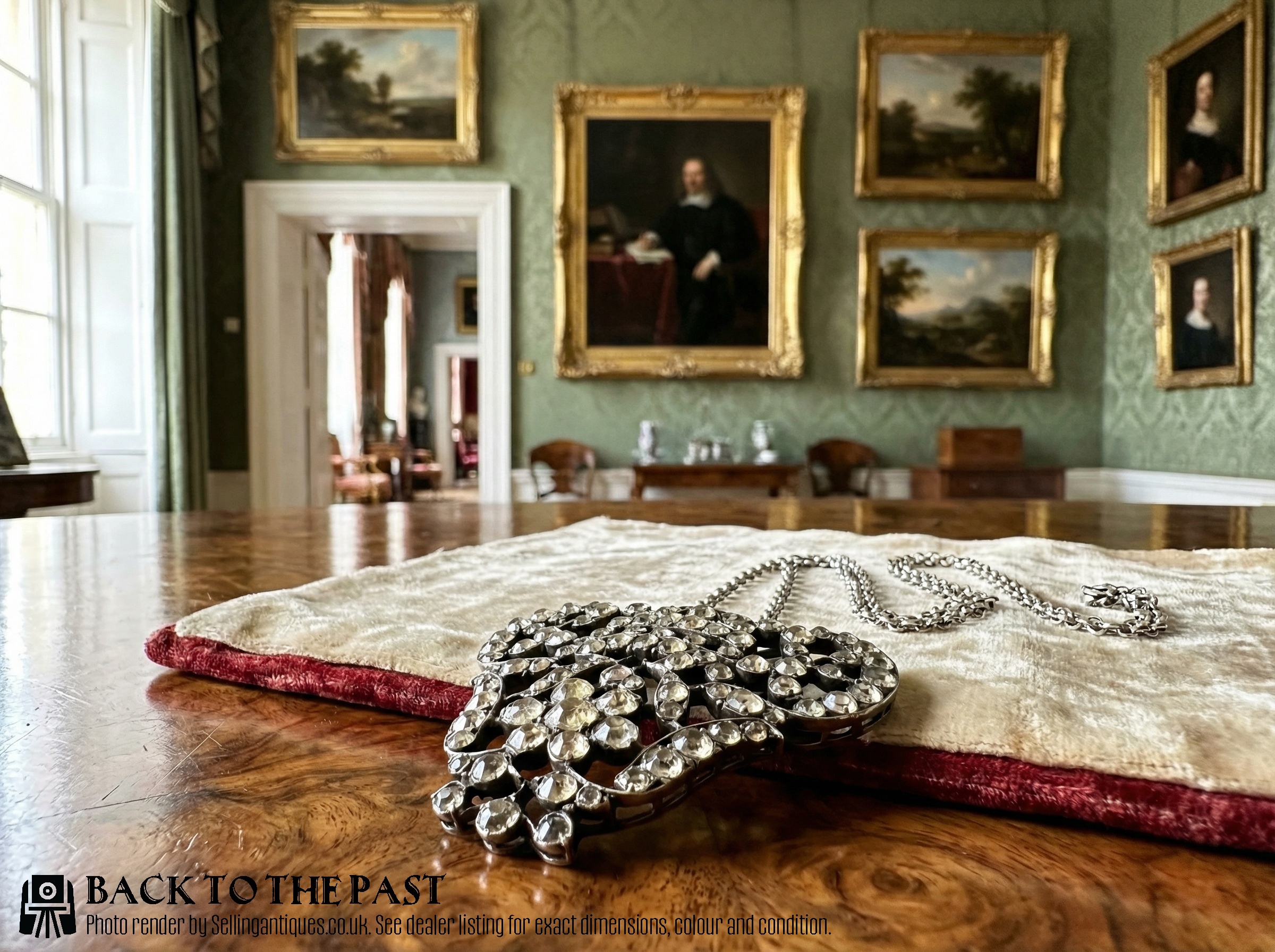
The Scandinavian Modern pieces from the 1940s sit alongside Victorian teardrop necklaces and Georgian paste items. Theodor Fahrner examples represent the Art Nouveau style within this selection.
Forms vary from simple silver drops to elaborate multi-stone compositions incorporating glass paste, amazonite, and pearl. Each era brings distinct characteristics to the construction of the pendant frame.
Materials and construction methods
Makers utilised silver and sterling silver as the primary structural metals, sometimes applying silver gilt for a warm finish. Openwork techniques required precise piercing and wirework to create intricate frames.
Settings frequently incorporate glass paste, amazonite, and pearl to add colour and contrast against the silver. These stones and drops are secured within bezels or dangling from delicate loops integrated into the openwork design.
Retail Price Guide 2026
Typical UK retail prices for openwork silver pendant, calculated from the Sellingantiques database of over a million retail prices indexed since 2003. This retail price guide relies exclusively on Sellingantiques data; no external sources or auction records are used, so the figures do not describe the wider market.
Listings feature four distinct periods: Georgian, Victorian, Art Nouveau, and 1940s.
Assessing craftsmanship and design
Quality reveals itself in the precision of the piercing and the balance of the openwork composition. Finer examples display meticulous attention to detail in the handling of both the metal and the set stones.
The integration of specific materials, such as genuine amazonite or matched pearls, elevates a piece beyond standard production. Maker attribution, as seen in works by designated designers, further distinguishes the top of the range.
G. Hoppe·Theodor Fahrner
The Openwork Silver Pendant Glossary
- Openwork
- Metalwork designed with perforations or negative space to create a pattern. This technique lightens the visual weight of the piece.
- Paste
- Hand-cut glass used to imitate gemstones in historic jewellery. Georgian paste is particularly prized for its lively light reflection.
- Silver Gilt
- Silver that has been coated with a thin layer of gold. This finish provides the appearance of gold while maintaining a silver base.
- Amazonite
- A green microcline feldspar variety utilised as a decorative gemstone. It appears in cabochon form within specific period designs.
- Teardrop
- A drop shape resembling a tear, frequently used for stones or pendant bodies. This form became popular in Victorian necklace designs.
Frequently Asked Questions
What periods do these pendants span?
The pieces span multiple eras, including Georgian, Victorian, Art Nouveau, and the 1940s.
Each period introduces distinct aesthetic choices and construction techniques.
What materials are used in the pendants?
Materials include silver, sterling silver, and silver gilt.
Gemstones and embellishments feature paste, glass paste, amazonite, and pearls.
How do Art Nouveau designs differ?
Art Nouveau examples often incorporate natural motifs and specific stones like amazonite.
Maker-attributed pieces from this era show characteristic fluid metalwork.
Are these items supplied with chains?
Listings categorize the items as necklaces and pendants, or necklaces and pendant.
Some configurations include integrated chains or cord fittings.