


Silver Cross Pendant
These silver cross pendant options span Victorian, Georgian, 1920 and 1960 periods, offering sterling silver, moonstone and paste glass designs to wear today.
Understanding silver cross pendant examples
A silver cross pendant spans several distinct periods, most commonly appearing in Victorian, Georgian, nineteen-twenty and nineteen-sixty iterations across the market listings. Buyers encounter forms ranging from simple devotional items to elaborate statement drops.
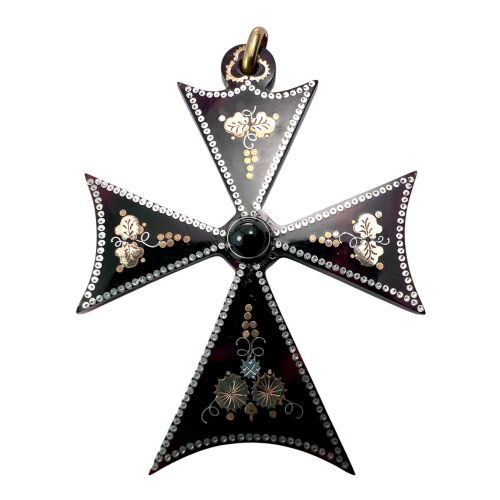
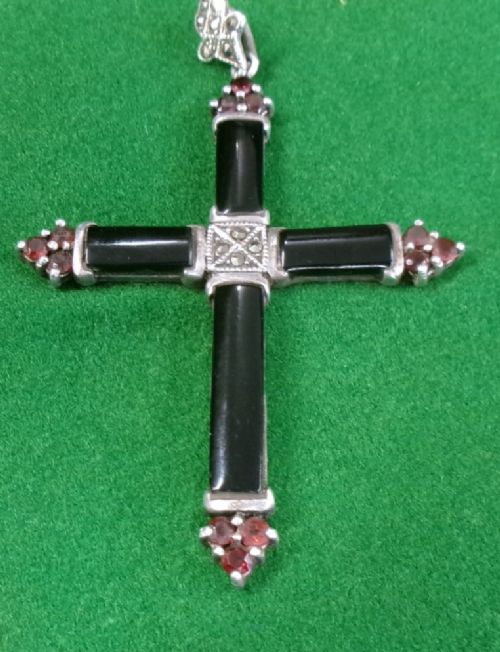
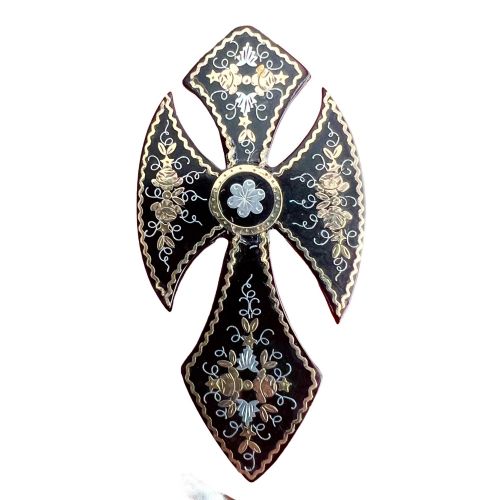
The objects take several shapes, including crucifix lockets, Maltese crosses, pectoral crosses and square cross pendants that double as brooches. Materials span standard silver, sterling silver, continental silver and silver gilt.
Gemstone embellishments frequently accompany the metalwork, with listings recording moonstone, paste glass, foiled amethyst paste, rose-cut rock crystal, agate and micro mosaic. These variations reflect the aesthetic priorities of their respective eras.
Materials and construction
Silversmiths constructed these pieces using silver, sterling silver, continental silver and silver gilt. Construction techniques paired sheet metal and wirework with settings for stones.
Maker execution incorporated specialised decorative elements such as enamel, micro mosaic work, and stone settings including paste glass, rock crystal, agate and moonstone. Some examples double as lockets or convertible brooch-pendants.
Retail Price Guide 2026
Typical UK retail prices for silver cross pendant, calculated from the Sellingantiques database of over a million retail prices indexed since 2003. This retail price guide relies exclusively on Sellingantiques data; no external sources or auction records are used, so the figures do not describe the wider market.
One recorded Victorian piece functions simultaneously as a cross and a pencil.
Assessing quality
Quality rests upon the crispness of the metalwork and the integration of decorative elements like stone settings, enamel or micro mosaic work. Superior examples demonstrate secure stone mounting and thoughtful proportions.
The distinction between standard items and more ambitious pieces involves the complexity of the design, such as multi-stone foil-backed paste work, gilt surfaces or convertible functions like locket compartments.
Sampson Morden
The Silver Cross Pendant Glossary
- Crucifix locket
- A hinged cross pendant designed to open and hold small mementos or portraits inside the metal casing.
- Paste glass
- Faceted glass created to imitate gemstones, frequently foiled at the back to increase brilliance.
- Micro mosaic
- Miniature glass tesserae assembled to form pictorial motifs, often seen on nineteenth-century devotional items.
- Pectoral cross
- A large cross pendant traditionally worn suspended from the neck on a chain or cord.
- Continental silver
- Silver items manufactured outside Britain, often bearing foreign assay marks and distinct regional styles.
Frequently Asked Questions
What periods do these pendants cover?
The available evidence records pieces originating from the Georgian and Victorian eras, alongside nineteen-twenty Arts and Crafts examples and nineteen-sixty designs.
Each period imparts distinct stylistic markers, from foiled paste stones to modernist metalwork.
Are they worn on chains?
Many examples function as pendant necklaces, while others serve as drop pendants or convert into brooches.
Their attachment loops accommodate various chain thicknesses depending on the original design.
What stones are used?
Listings feature moonstone, agate, rock crystal and various paste glass configurations including black dot paste and foiled amethyst.
These materials vary according to the date and region of manufacture.
Do silver crosses open?
Certain examples take the form of crucifix lockets with internal compartments for small keepsakes.
Other variations remain solid decorative drops without opening sections.