


Georgian Glass Pendant
A georgian glass pendant brings historic illumination and delicate sparkle, offering authentic period character for traditional and contemporary interiors alike.
Georgian Glass Pendant
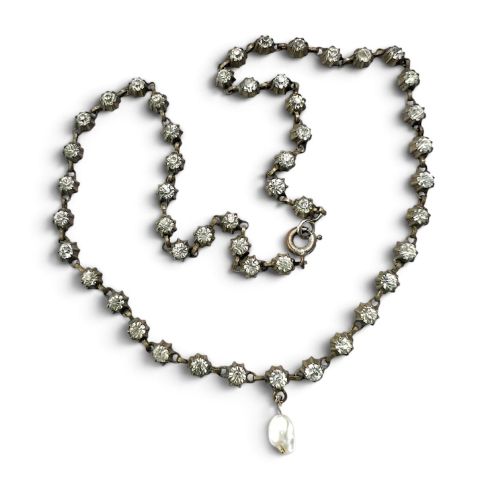
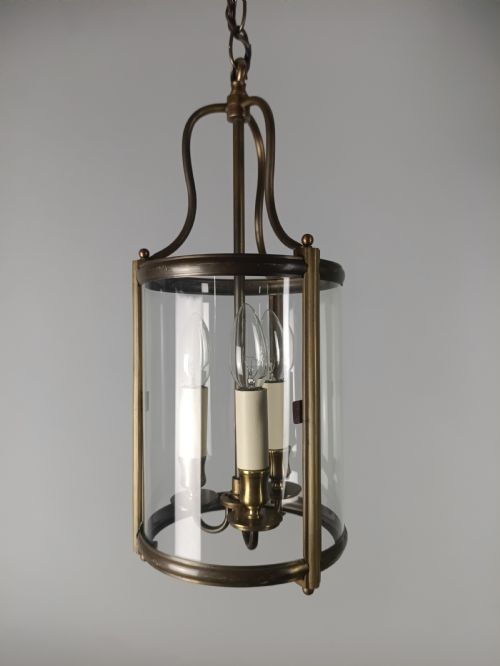
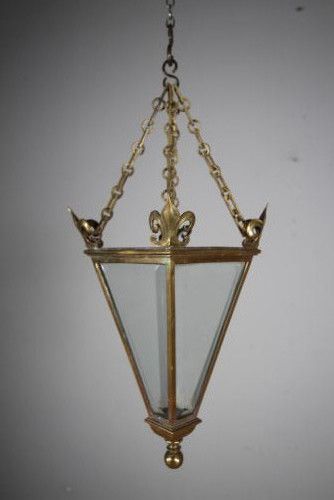
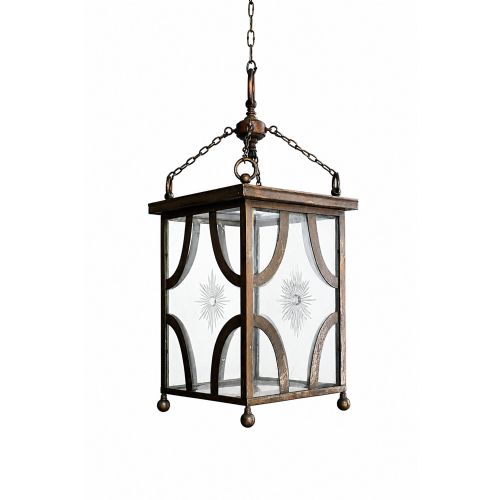
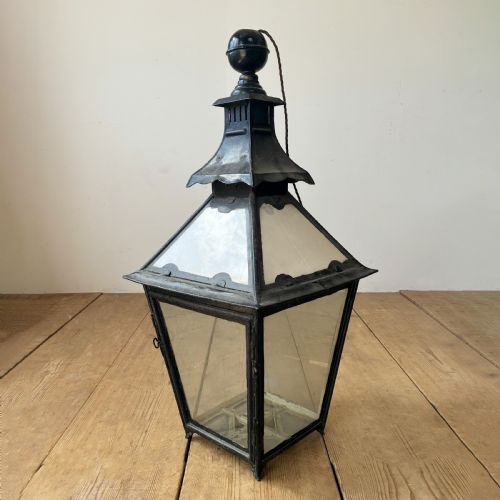
When you search for a georgian glass pendant, you encounter a fascinating mix of architectural lighting and fine personal jewellery spanning multiple centuries. The selection encompasses grand hanging lanterns, intricate cut glass chandeliers, and delicate paste stone necklaces.
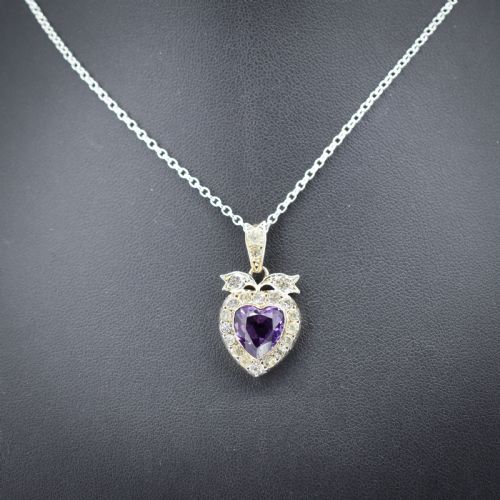
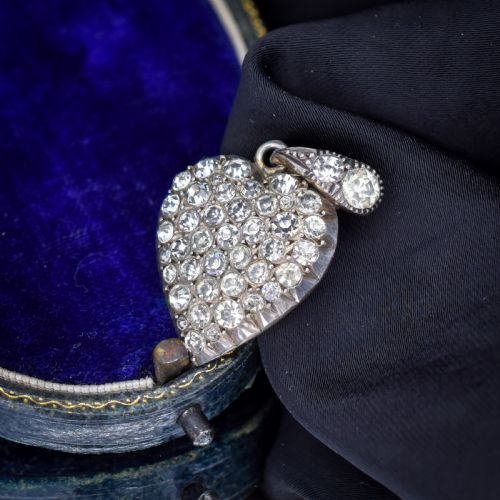
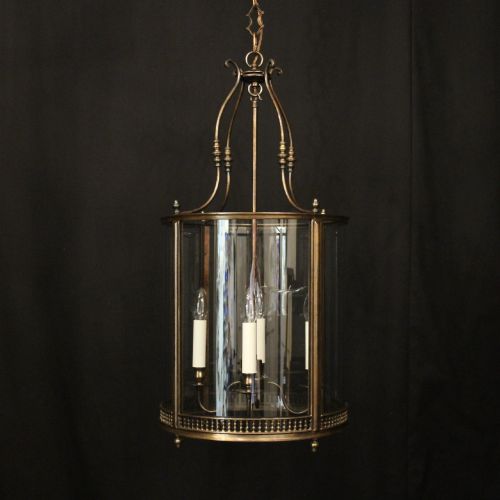
Lighting forms within this grouping range from small convex hall lanterns to multi-light English chandeliers featuring cut glass, crystal, and gilded bronze. Jewellery examples include silver heart pendants, paste drop necklaces, and gold mourning lockets.
The objects derive primarily from the Georgian, Victorian, and Edwardian eras, alongside later revivals from the twentieth century. Buyers will most frequently discover hanging hall lanterns and paste glass necklaces on this page.
Materials and construction methods
The physical construction relies heavily on combinations of glass, crystal, and cut glass mounted in brass, silver, gold, and bronze settings. Metalwork techniques involve casting, gilding, and silver-gilding to support heavy glass components and delicate paste stones.
Lighting fixtures utilise brass or bronze frameworks fitted with convex or flat glass panes, while decorative pendants employ sterling silver and yellow gold to secure foil-backed paste stones, amethysts, and pearls.
Some paste stones feature a painted black dot underneath to mimic the natural dark inclusions found in genuine antique diamonds.
Distinguishing quality across the range
Quality reveals itself in the precision of the glass cutting, the clarity of the crystal, and the substance of the metal mountings. Finer lighting fixtures display substantial bronze or brass frames with complex multi-light configurations.
In jewellery, superior examples demonstrate meticulous stone setting, particularly with old cut paste and black dot paste techniques. The integrity of original gilding and the weight of the precious metals further separate standard items from exceptional ones.
Elizabeth Hudson·John Barry·Wedgwood
The Georgian Glass Pendant Glossary
- Paste glass
- Faceted glass created to imitate precious gemstones, frequently foil-backed to enhance brilliance. It holds an independent history of fine craftsmanship separate from genuine stones.
- Hall lantern
- An enclosed hanging light fixture designed specifically for entranceways and corridors. These pieces often feature glass panels supported by brass or bronze frameworks.
- Old cut
- A historic diamond-cutting method characterised by a smaller table, higher crown, and open culet. This style predates modern brilliant cutting techniques.
- Black dot paste
- A specific eighteenth-century paste stone technique featuring a tiny dark foil spot applied to the culet to simulate the natural culet decay of genuine diamonds.
- Lavalier
- A pendant necklace featuring a central drop stone or ornament suspended from a chain. This decorative style gained popularity during the Edwardian period.
Georgian Glass Pendant: Frequently Asked Questions
How do I clean a glass pendant?
Carefully wipe glass and crystal elements with a soft, lint-free cloth dampened with a mild, neutral solution. Avoid harsh chemicals that might damage aged metal or foil-backed stones.
For hanging lanterns, dismantle removable glass panels if necessary to clean both sides thoroughly before reassembly.
Are these items strictly Georgian?
The selection includes genuine Georgian pieces alongside Victorian, Edwardian, and twentieth-century revivals. Stylistic influences often span multiple eras.
Examine the materials, construction techniques, and hallmarks to determine the exact period of manufacture for each individual piece.
Can antique lanterns be wired safely?
Most antique lanterns accommodate modern electrical components through professional rewiring by a qualified electrician. Original socket fittings can often be adapted discreetly.
Consult a specialist conservator to ensure internal wiring meets current safety standards without altering the historic frame.