






Georgian Pocket Vinaigrette
A Georgian pocket vinaigrette is a small silver box made to hold a perfume-soaked sponge, offering a portable defence against foul odours.
Georgian Pocket Vinaigrette
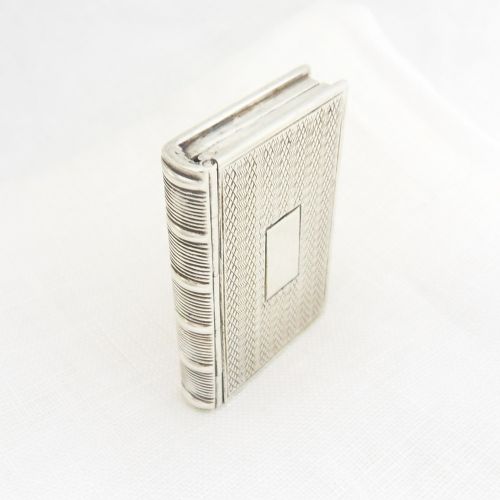
A Georgian pocket vinaigrette is a small container designed to carry a sponge soaked in aromatic vinegar, which owners held to their noses when confronted with unpleasant smells in public spaces. These items belong to the broader category of small silver boxes, which also includes pill boxes, snuff boxes and nutmeg graters from the same era.
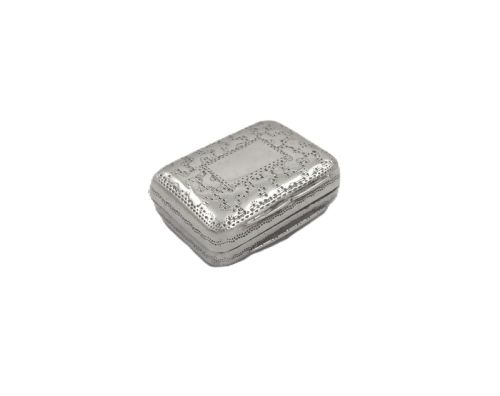
The versions most commonly met on this page date from the Georgian period through the early nineteenth century, fashioned primarily in sterling silver and silver gilt. Alongside standard silver boxes, examples incorporate decorative panels of agate or survive inside their original leather and silk cases.
How They Were Made
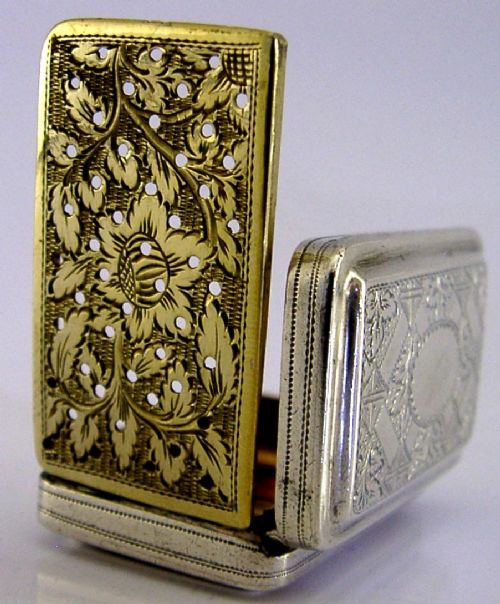
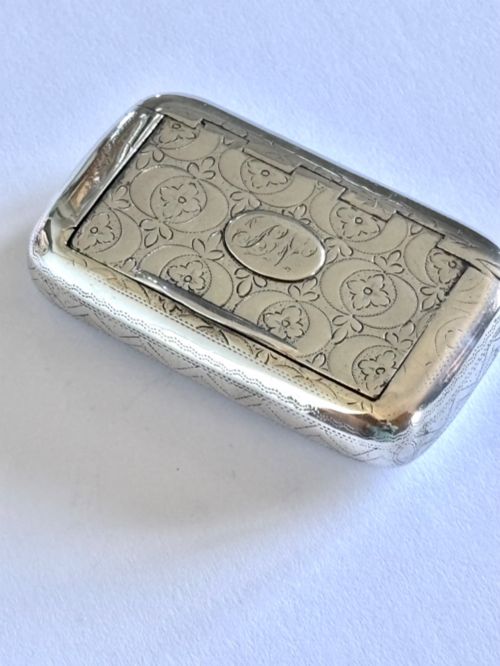
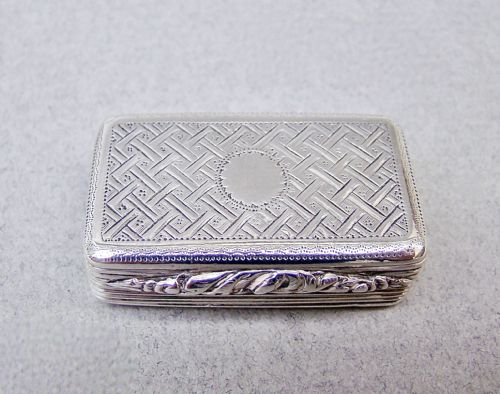
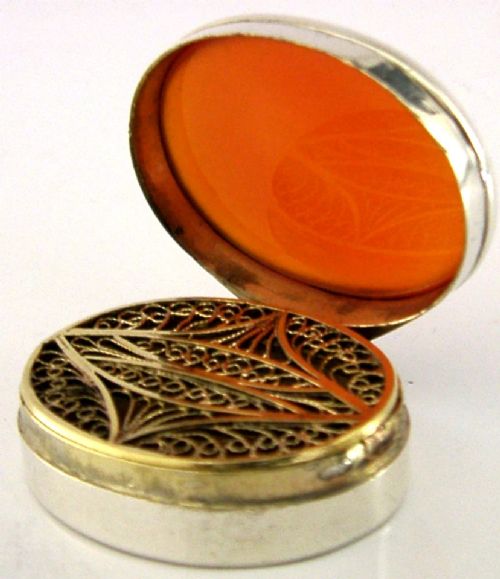
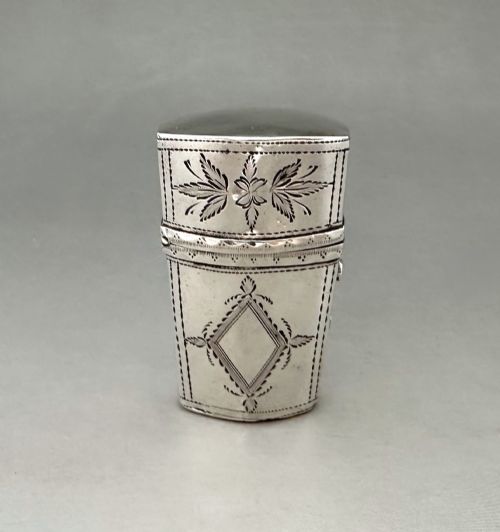
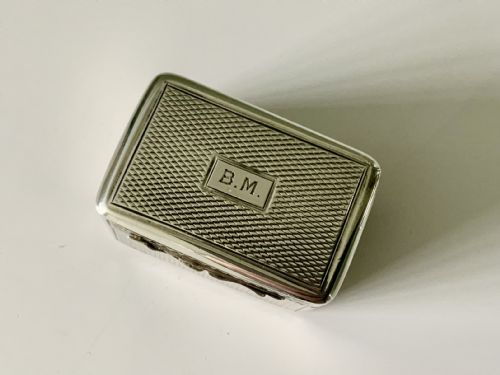
Silversmiths constructed these boxes using sterling silver and silver gilt, often applying bright-cut engraving to create intricate geometric and floral patterns across the exterior surfaces. Many pieces feature hinged lids that open to reveal internal pierced grilles, executed in floral or scrollwork designs to allow the scent of the vinegar to escape while holding the sponge in place.
Specialist materials appear alongside metalwork, notably orange agate inset into the silver lids for added visual contrast and colour. Surviving accessories include original red Moroccan leather cases lined with silk, designed to protect the delicate pocket containers when not in use.
Georgian Pocket Vinaigrette Retail Price Guide 2026
Typical asking prices for georgian pocket vinaigrette among the pieces listed under this phrase on Sellingantiques today, from the lower quarter to the upper quarter. They describe what is for sale here now, not the wider market.
A tiny sponge tucked inside a silver box could outlast a bad smell on a muddy London street.
What Varies in Quality
The standard of a vinaigrette rests heavily on the execution of the internal pierced grille, where finer examples feature delicately hand-pierced and engraved floral motifs rather than simple machine-cut slots. The crispness of the exterior bright-cut engraving and the tightness of the lid closure further distinguish superior pieces from standard workshop output.
Attribution to named makers working in Birmingham, London or Edinburgh adds distinct interest, particularly when accompanied by clear hallmarks for makers such as Nathaniel Mills or Thomas Johnson. The integration of decorative hardstones like agate, paired with the survival of fitted leather cases, elevates the overall standing of an individual box.
THOMAS JOHNSON·Nathaniel Mills·John Bettridge·Samuel Pemberton
The Georgian Pocket Vinaigrette Glossary
- Vinaigrette
- A small pocket container fitted with an internal sponge soaked in aromatic vinegar. These objects were carried during the Georgian era to neutralise unpleasant odours.
- Silver-gilt
- Silver that has been coated with a thin layer of gold on its surface. This technique provided the rich yellow appearance seen inside many vinaigrette bowls.
- Bright-cut engraving
- A surface decoration technique using faceted cuts made with a graver to reflect light. This style creates sparkling geometric or floral patterns on silver boxes.
- Agate
- A form of chalcedony quartz showing coloured bands or cloudy patches. Makers set polished panels of this stone into silver box lids.
- Nutmeg grater
- A small pocket utensil used to grate spice before the introduction of pre-ground varieties. These silver implements often share similar sizes and forms with vinaigrettes.
Georgian Pocket Vinaigrette: Frequently Asked Questions
What was inside a vinaigrette?
These boxes held a small natural sponge saturated with aromatic vinegar or scented liquid. The vinegar provided a strong, refreshing fragrance to counteract foul street smells.
Owners kept the sponge tucked securely beneath a hinged, pierced internal grille inside the silver box.
How do I spot a maker's mark?
Maker marks appear as small stamped initials or names struck into the silver surface, usually near the lid rim or base edge. These punches identify the silversmith responsible for the piece.
Additional stamps typically include a city mark, a standard mark and a date letter.
Were vinaigrettes only made of silver?
Sterling silver and silver-gilt form the vast majority of surviving pieces from this period. Makers also incorporated decorative hardstones like orange agate into the lids.
Leather and silk served as protective materials for the fitted outer cases housing finer examples.