


Georgian Silver Sifter
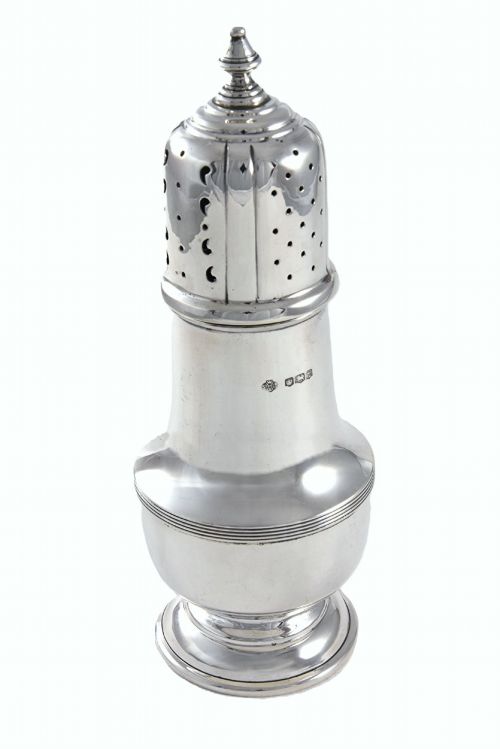
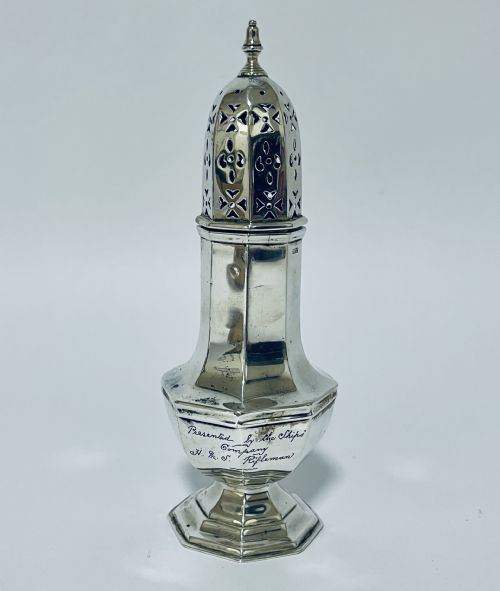
A georgian silver sifter brings functional elegance to the table, taking the form of casters and perforated spoons used for dusting sugar or spice.
Georgian Silver Sifter
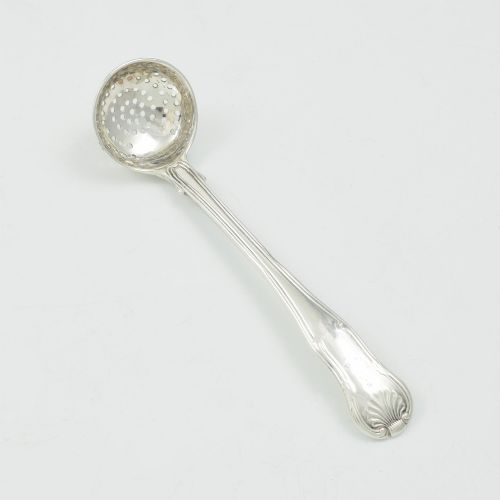
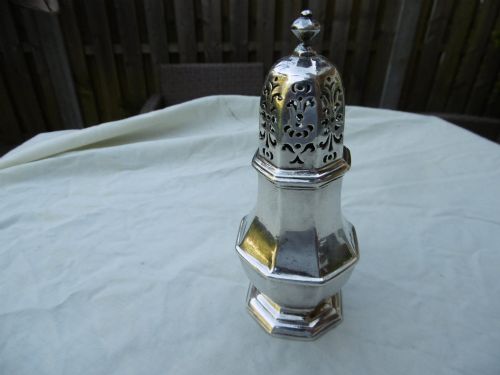
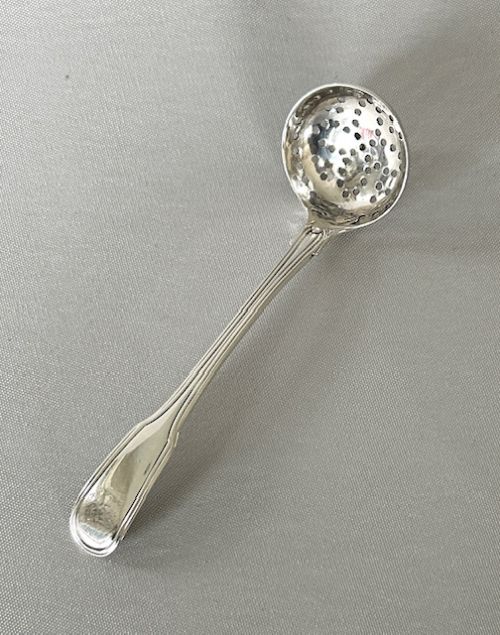
When searching for a georgian silver sifter, buyers encounter a dual category split primarily between tall standing casters and flatware spoons. The spoons dominate the selection, often appearing as dedicated spice sifters, caddy spoons, or larger serving utensils with pierced bowls.
Standing examples range from octagonal vessels to rounded shakers and muffineers, while spoons display regional patterns like King's Hourglass, Onslow, and Fiddle. Alongside authentic eighteenth and early nineteenth century pieces, the inventory includes later Victorian interpretations and Georgian Revival reproductions.
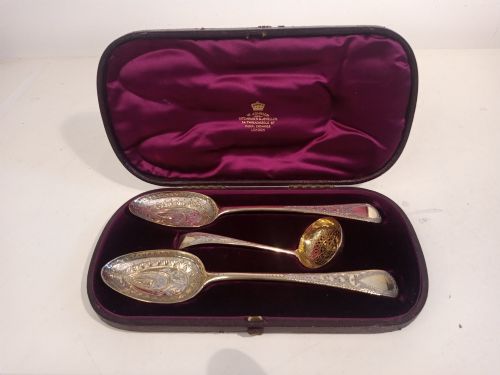
Origin points cluster tightly around London and provincial hubs such as Exeter, with occasional Scottish variants appearing in the record. Forms vary from simple utilitarian shapes to parcel gilt ladles and pieces housed in original presentation cases.
Materials and construction
Makers utilised sterling silver as the primary medium, frequently enhancing specific items with silver-gilt finishes or parcel gilt highlights. Construction methods combined traditional silversmithing techniques such as raising, casting, and piercing for the bowl perforations.
Beyond solid metal, certain standing casters incorporate cut glass bodies, while cased sets introduce interior linings of velvet, silk, fabric, and leatherette. Handle designs and decorative elements often rely on applied crests, feather edges, and scallop shell motifs.
Listings demonstrate materials spanning sterling silver, silver-gilt, cut glass, velvet, silk, fabric, and leatherette across multiple centuries.
What separates the finest examples
Quality rests upon the crispness of the piercing in the sifter bowl and the integrity of the maker's mark stamped into the metal. Sharp execution of ornamental patterns, such as feather edges or crest engravings, distinguishes superior workshop production.
The survival of original fitted cases, paired elements within sets, and heavy gauge silver contribute significantly to an item's standing. Proportion and balance in standing casters, alongside the weight of the silver, mark the division between standard utility pieces and exceptional items.
Stephen Adams·The Barker Brothers·Roberts & Belk·William Sumner I
The Georgian Silver Sifter Glossary
- Caster
- A small standing vessel with a perforated top used for sprinkling sugar or spices over food. These appear in octagonal and rounded polygon forms.
- Sifter spoon
- A flatware utensil featuring a pierced or slotted bowl designed to scatter dry condiments. They frequently appear in patterns like Fiddle and Onslow.
- Muffineer
- A specific variant of the sugar caster traditionally used to dust muffins or bread with sugar. They share the tall profile of standard shakers.
- Parcel gilt
- Silver objects that are partially gilded with a thin layer of gold on the interior or decorative details. This technique creates a striking contrast against the polished sterling surface.
- Caddy spoon
- A short-handled spoon used originally for measuring loose tea from a caddy into a teapot. These frequently share stylistic traits with smaller sifter spoons.
Georgian Silver Sifter: Frequently Asked Questions
How do I use a silver sifter spoon?
These spoons serve to dust fine sugar or spices evenly over desserts or hot beverages using their perforated bowls.
In modern settings, they function practically for powdered sugar or presentation use during formal dining.
What is the difference between a caster and a spoon?
A caster stands vertically on a flat base with a pierced dome top for shaking contents directly onto food.
A sifter spoon is a flatware item held in the hand to scoop and scatter dry ingredients through slotted openings.
How do I date a Georgian piece?
Dating relies upon examining the hallmarks stamped into the silver, which record the assay office, date letter, and maker's mark.
Stylistic cues such as Onslow patterns or octagonal bodies also point toward specific manufacturing decades.
Are cased sets common?
Presentation sets pairing berry spoons and sifters inside fitted boxes do appear within the historical record.
These velvet and silk lined containers were typically intended for gifting or safe storage of specialised silver.