



Silver Cut Glass Shaker
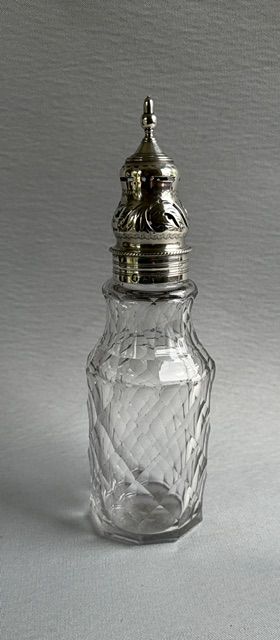
A silver cut glass shaker brings weight and brilliance to the table, combining heavy faceted crystal with polished precious metal.
Silver Cut Glass Shaker
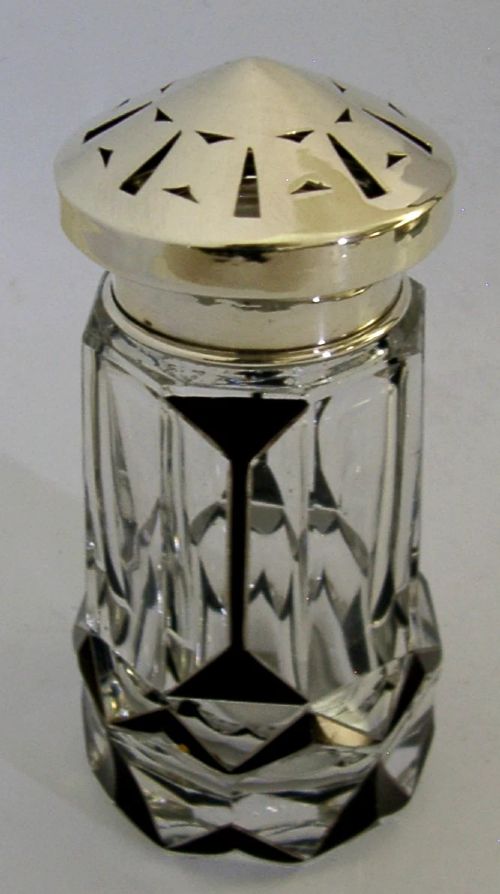
When you search for a silver cut glass shaker, you encounter items designed for condiments and beverages across multiple periods, including Georgian examples, Edwardian designs, and Art Deco pieces from the nineteen thirties. The selection spans single sugar sifters and casters alongside broader forms such as cocktail shakers and multi-bottle cruet sets.
The most frequent examples on this page comprise sugar casters and pepper pots pairing cut glass bodies with silver or silver-plated mounts. These table wares combine the refractive quality of faceted crystal with secure metal screw tops or pierced lids.
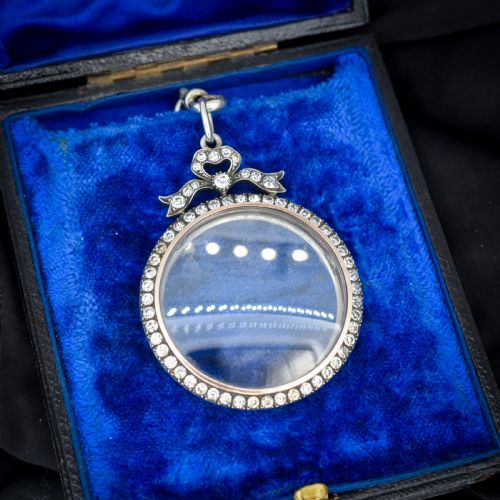
Beyond standard dining table vessels, the broader grouping touches upon novelty carriage cruets and even pendant jewellery incorporating glass and silver elements. The core remains functional tableware intended for sugar, salt, and pepper dispensing during formal meals.
Materials and construction
The primary materials uniting these pieces are cut glass and silver, appearing either as solid sterling silver or silver plate. Glass bodies are deeply faceted or wheel-cut to catch the light, while the metal components provide structural collars and pierced lids for dispensing contents.
Mid-century and Art Deco iterations often introduce coloured enamel accents alongside the sterling silver mounts. Period pieces rely on traditional silversmithing techniques, including casting, piercing, and hand-engraving for the top sections.
Silver Cut Glass Shaker Retail Price Guide 2026
Typical asking prices for silver cut glass shaker among the pieces listed under this phrase on Sellingantiques today, from the lower quarter to the upper quarter. They describe what is for sale here now, not the wider market.
Listings feature cut glass shakers and cruets spanning the Georgian era, Victorian period, and nineteen thirties Art Deco movement.
Distinctions in quality
Quality rests primarily on the depth and crispness of the glass cutting and the gauge of the silver used for the mounts. Heavier glass bodies with sharp, distinct facets demonstrate superior craftsmanship compared to simpler moulded alternatives.
The integrity of the metal top also dictates overall standard, particularly where fine piercing is employed on sugar sifters and pepper pots. Well-preserved hallmarks and robust threading on screw-on caps indicate higher manufacturing origin.
Hukin & Heath·Preece & Willicombe
The Silver Cut Glass Shaker Glossary
- Caster
- A small container with a perforated top used for sprinkling sugar or spices over food. These vessels often feature silver tops paired with glass bodies.
- Cruet set
- A matched collection of condiment bottles or shakers held in a stand. They typically contain oil, vinegar, mustard, pepper, and salt containers.
- Silver plate
- A base metal coated with a thin layer of silver. This technique offered the appearance of solid silver at a lower cost for larger dining sets.
- Sterling silver
- An alloy of silver containing ninety-two point five percent silver and seven point five percent other metals, usually copper. It provides the standard composition for high-grade British table wares.
- Sifter
- A utensil or vessel with a perforated lid designed for dusting powdered sugar onto desserts. They share similar forms with standard sugar casters.
Silver Cut Glass Shaker: Frequently Asked Questions
How do I clean the glass body?
Wash the glass gently in warm soapy water using a soft brush to reach the cut facets. Avoid harsh abrasives that might scratch the surface.
Keep silver polish away from the glass to prevent residue accumulation in the deep cuts.
Are the tops interchangeable?
Mounts and lids are custom-fitted to individual glass bodies during manufacture. Threading and collar diameters vary significantly between makers and periods.
Attempting to swap caps usually results in a poor fit due to small historical variations in glass blowing.
What is the difference between a caster and a shaker?
Casters traditionally feature a tall, tapered silhouette with a secure pierced top designed specifically for dispensing caster sugar. Shakers often encompass broader condiment pots for salt and pepper.
Both types rely on the combination of a glass reservoir and a removable metal lid.
How do I date an unmarked piece?
Examine the style of the glass cutting and the shape of the silver collar for period characteristics. Art Deco items display geometric lines, while Georgian examples favour heavier, simpler proportions.
Completely unmarked pieces are usually judged by manufacturing techniques and wear patterns on the base.