
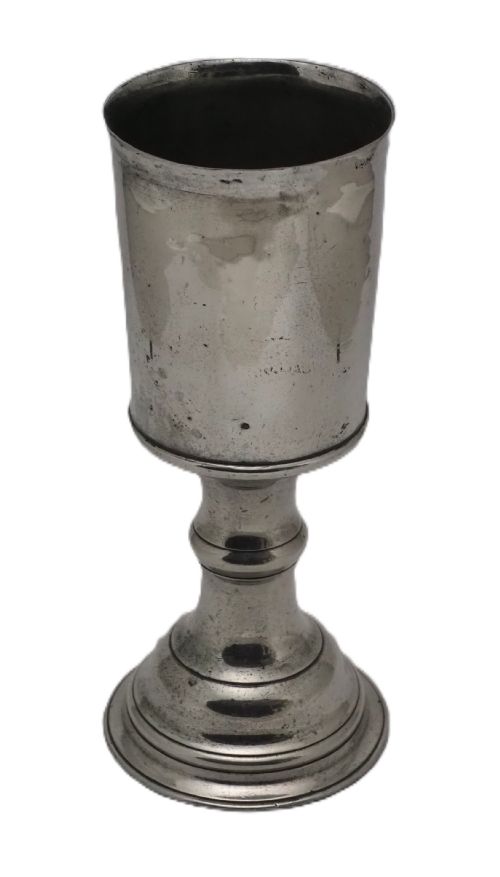
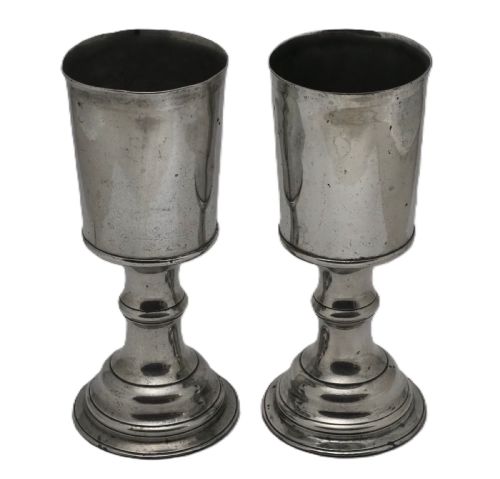


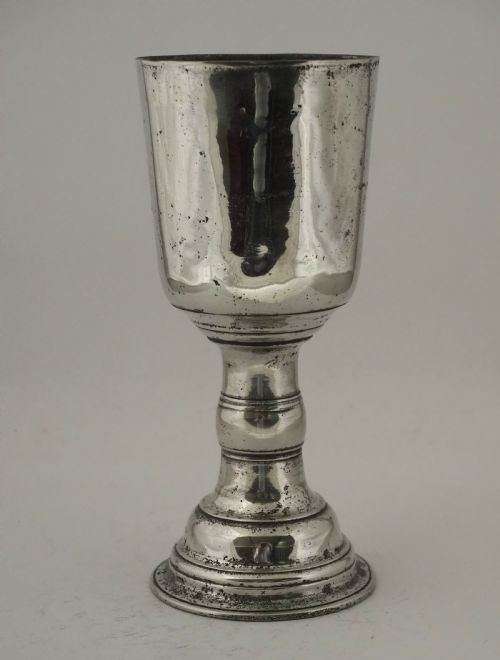


Georgian Silver Goblet
A georgian silver goblet brings substantial weight and bright metal to the table, offering a direct link to eighteenth-century dining.
Georgian Silver Goblet
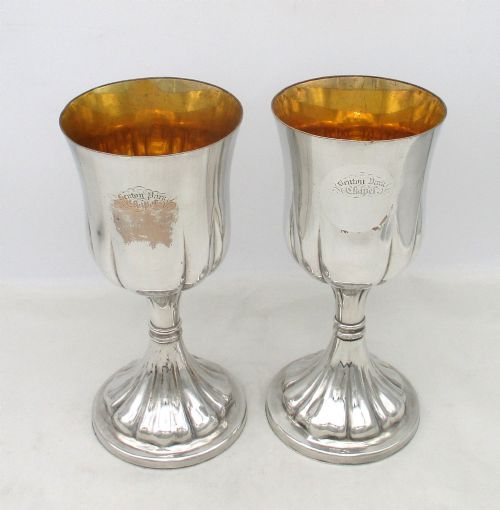
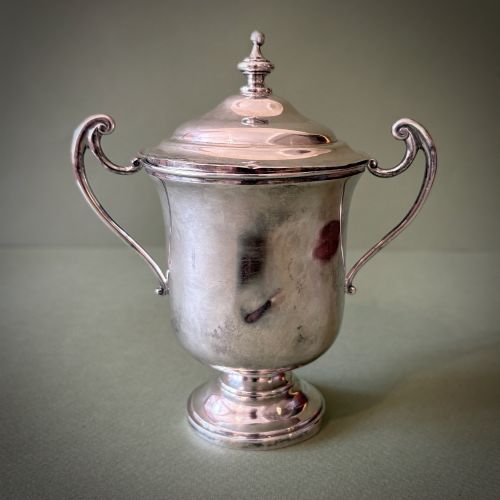
When you search for a georgian silver goblet, you encounter drinking vessels, chalices, and trophy cups spanning the eighteenth and nineteenth centuries. These drinking vessels serve formal occasions, sacramental use, and competitive sports, taking forms from plain vase-shaped bowls to heavily embossed chalices.
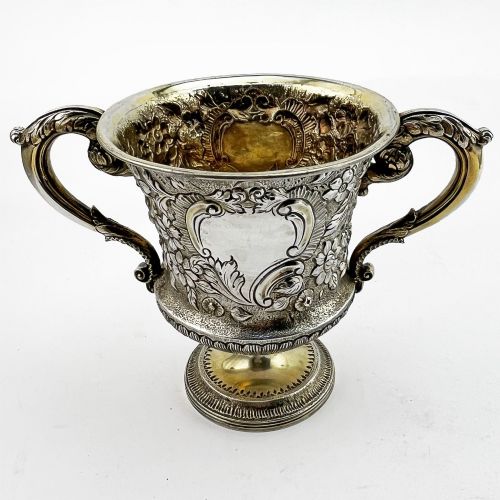
The items found here range from sterling silver examples bearing hallmarks to Old Sheffield Plate and pewter alternatives. Alongside domestic wine goblets, you will find two-handled campana cups and loving cups originating from Irish, English, and early American workshops.
How they were made
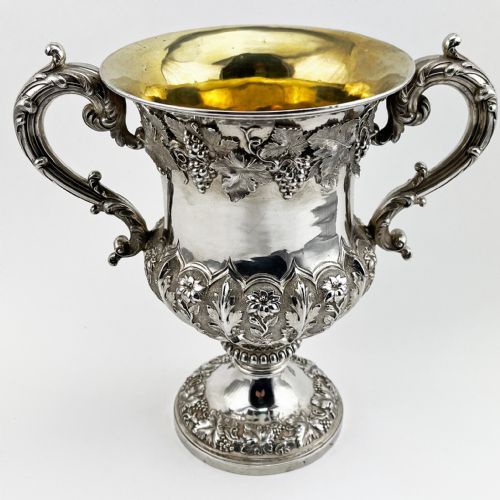
Silversmiths shaped sterling silver and silver gilt through hammering, raising, and chasing to form deep bowls set on domed feet. Many pieces utilise bright cut engraving or high emboss chasing to decorate the exterior surface with floral or geometric motifs.
Alternative materials include Old Sheffield Plate, fusing copper and silver layers, alongside traditional pewter and applied silver gilt liners found within Irish cups.
Georgian Silver Goblet Retail Price Guide 2026
Typical asking prices for georgian silver goblet among the pieces listed under this phrase on Sellingantiques today, from the lower quarter to the upper quarter. They describe what is for sale here now, not the wider market.
Several chalices hold precisely one pint, ensuring eighteenth-century churchgoers and diners maintained an exact measure.
What varies in quality
Weight and gauge of the metal dictate the structural integrity of the vessel, separating thin-walled items from substantial heavy-gauge silver. Crispness in chased decoration and bright cut engraving demonstrates the skill of the original hand.
The legibility of hallmarks and maker marks anchors the provenance of the piece, while survival of the original gilding on silver gilt interiors preserves the intended visual contrast.
Richard Morton·James Deakin and Sons·Richard Gurney·Thomas Sutton·Solomon Hougham·William Eaton·Napthali Hart
The Georgian Silver Goblet Glossary
- Sterling Silver
- An alloy consisting of 92.5 percent silver and 7.5 percent other metals, typically copper, used to meet official standard requirements. British pieces carry hallmark stamps indicating the assay office and date.
- Old Sheffield Plate
- A composite material made by fusing a thin sheet of silver onto a thicker copper base. This technique preceded modern electroplating and leaves a characteristic thin silver edge where seams meet.
- Bright Cut Engraving
- A faceted engraving technique executed with flat-bottomed chisels that catch the light. It produces sharp, angular geometric patterns popular on late eighteenth-century silver.
- Campana
- A bell-shaped vessel form with an everted rim, frequently seen on two-handled trophy cups and large wine vessels from the Georgian period.
- Chasing
- The art of hammering metal from the outside to push the design inward and create raised relief decoration. This differs from repoussé, which works the metal from the reverse side.
Georgian Silver Goblet: Frequently Asked Questions
How were silver goblets used originally?
These vessels served at formal dinner tables for drinking wine, as well as functioning as communion chalices in churches and trophy cups awarded in competitions.
Heavier two-handled examples often held pride of place on a sideboard or commemorated military and civic events.
Can I still drink from a Georgian goblet?
Solid silver and silver gilt vessels remain safe for occasional drinking use provided the interior is clean and free from heavy tarnish.
Silver plate and pewter items require more careful consideration depending on the condition of the underlying metal surfaces.
How do I identify a Georgian date?
British items carry a series of hallmarks including a maker stamp, a lion passant indicating sterling standard, and a date letter corresponding to specific assay office cycles.
Stylistic cues such as bright cut borders and vase-shaped bodies also point toward the late eighteenth and early nineteenth centuries.
What is the difference between silver and Old Sheffield Plate?
Sterling silver consists of solid alloy throughout the entire structure, whereas Old Sheffield Plate fuses a thin layer of silver over a copper core.
Under magnification or along exposed rims, the copper core beneath the plate becomes visible on older fused items.