



Georgian Silk Needlework
Georgian silk needlework combines delicate threadwork with historical narrative, offering intimate windows into domestic life centuries ago.
Georgian Silk Needlework
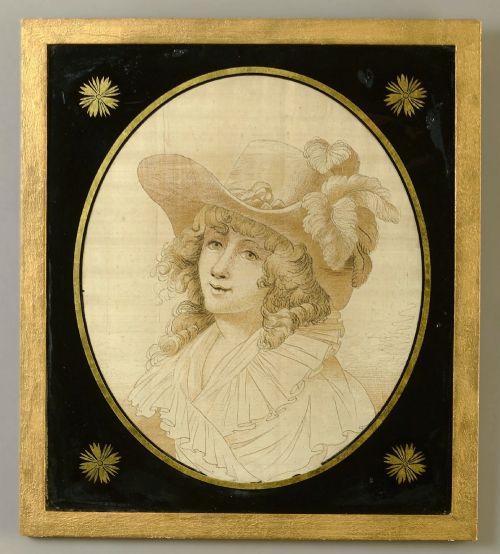
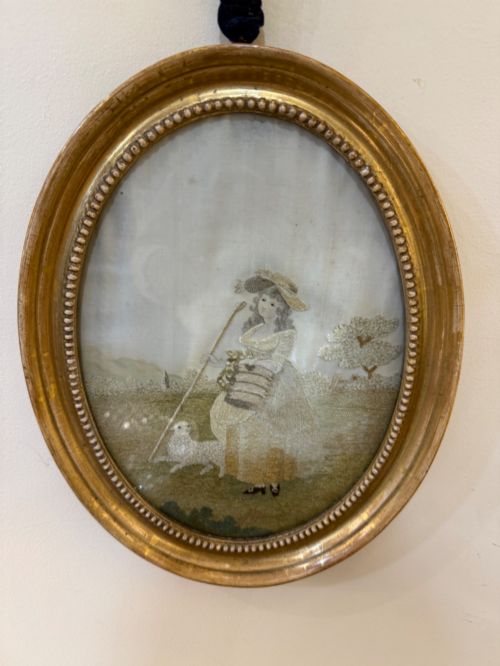
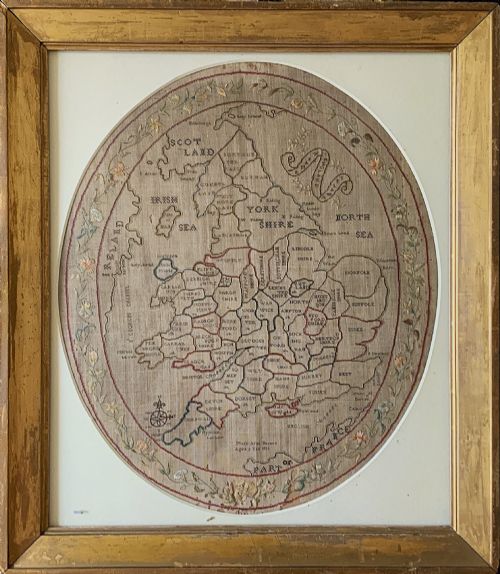
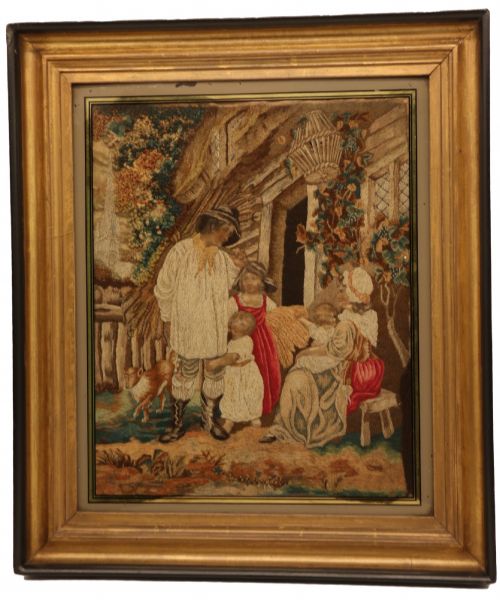
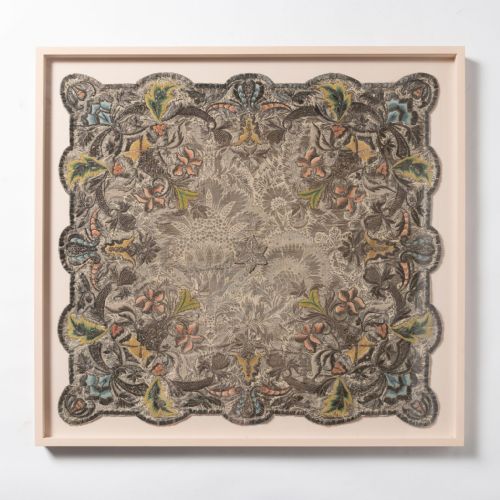
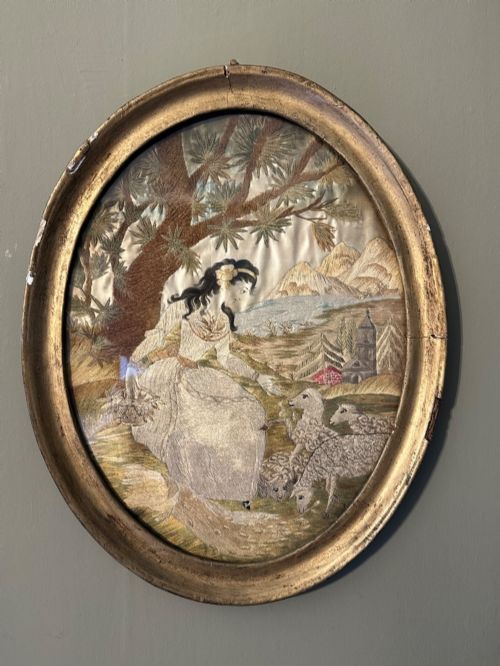
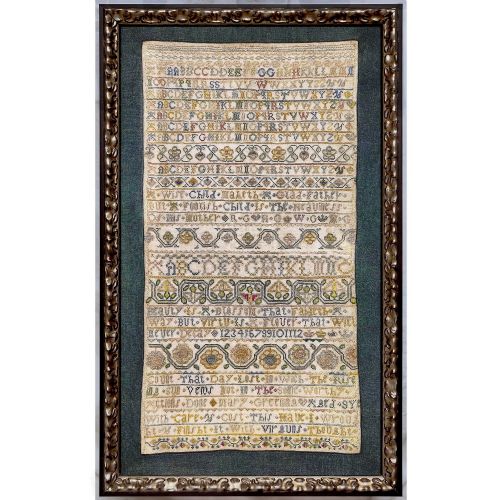
When you search for georgian silk needlework, you encounter framed pictures, maps, and samplers created by hand. These textile works capture pastoral scenes, portraits, and cartography through careful stitching.
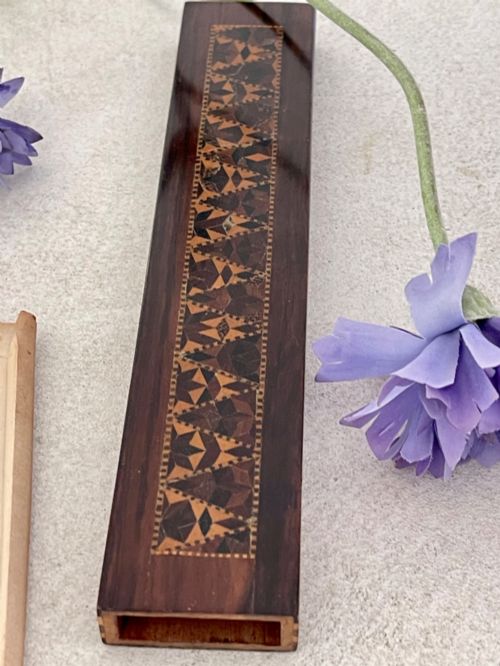
The pieces appearing most often span the eighteenth and nineteenth centuries, including Regency examples and educational samplers worked by young girls. Framed embroidered panels and specialised sewing tables also emerge frequently across the selection.
Makers ranged from schoolgirls learning basic geography and religion to skilled artisans producing elaborate framed pictures. Their creations reflect the domestic pursuits and educational standards of the period.
Materials and Technique
Many works rely on specialised stitches like long stitch and crewel work, secured within wooden frames often incorporating verre églomisé glass or giltwood mouldings.
Georgian Silk Needlework Retail Price Guide 2026
Typical asking prices for georgian silk needlework among the pieces listed under this phrase on Sellingantiques today, from the lower quarter to the upper quarter. They describe what is for sale here now, not the wider market.
Listings feature textile art, framed embroidery, maps, and specialised sewing tables utilising silk, wool, linen, and giltwood.
Distinctions in Quality
Quality rests upon the precision of the stitching and the preservation of the delicate silk threads. Superior examples retain vibrant colour and clear pictorial detail without excessive fading or ground distortion.
The sophistication of the original design and the quality of the surrounding period frame further elevate a piece. Samplers with well-documented makers and legible dates command greater scholarly interest.
Mary Banion·Mary Greening·Elizabeth Horn·Sarah Baker·Mary Mason·Martha Hall·Mary Street·Rachel·Sarah Reading
The Georgian Silk Needlework Glossary
- Sampler
- A piece of needlework produced as a demonstration or test of skill in various stitches. These frequently record the maker's name, age, and date.
- Verre Églomisé
- A process of applying gold or silver leaf to glass combined with engraving and painting. It creates a distinctive decorative border on historical picture frames.
- Crewel Work
- Embroidery executed using wool yarn on a heavy linen twill fabric. This technique produces rich texture and robust pictorial depth.
- Band Sampler
- An early form of sampler displaying horizontal strips of disparate embroidery patterns. Girls stitched these to preserve stitching examples for future reference.
- Giltwood
- Wood that has been coated with a thin layer of gold leaf or gilt powder. It provides a bright, reflective finish to period picture frames.
Georgian Silk Needlework: Frequently Asked Questions
How old are these pieces?
The works span from the late seventeenth century through the nineteenth century, encompassing Georgian, Regency, and early Victorian periods. Many carry stitched dates that pinpoint their exact year of creation.
Specific eras like the reign of George III or the Regency period define the stylistic traits of the frames and the subjects depicted.
How should I hang silk needlework?
Keep textile art away from direct sunlight to prevent the silk threads from fading and becoming brittle. Stable indoor humidity protects both the fabric ground and the wooden frame.
Professional framing with conservation-grade glass provides a necessary barrier against dust and atmospheric pollutants.
What do map samplers show?
Map samplers depict geographical regions such as England and Wales, embroidered as educational exercises by schoolgirls. They combine geography lessons with mastery of lettering and border stitches.
These pieces offer a fascinating record of historical cartography interpreted through domestic needlecraft.
Why are some pictures painted?
Many pictorial works combine silk embroidery with hand-painted backgrounds, particularly for human faces, hands, and distant skies. This technique allowed makers to achieve subtle flesh tones and perspective without complex stitching.
The paint was applied directly to the silk or linen ground before the surrounding elements were embroidered.