



Georgian Silk Embroidery
Georgian silk embroidery brings together delicate threadwork and textile art from the eighteenth and nineteenth centuries, offering a tangible link to historical needlecraft.
Georgian Silk Embroidery
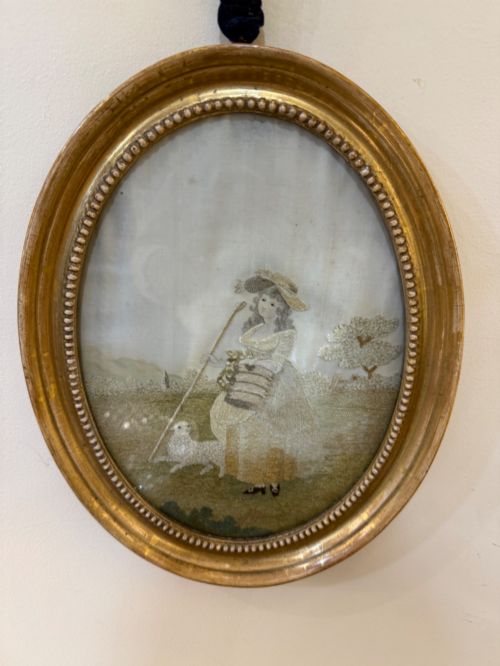
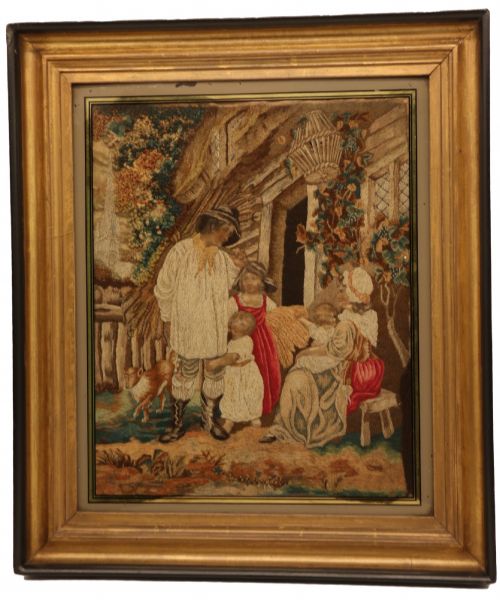
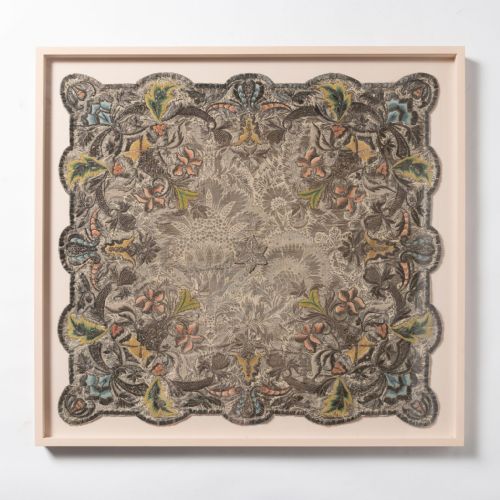
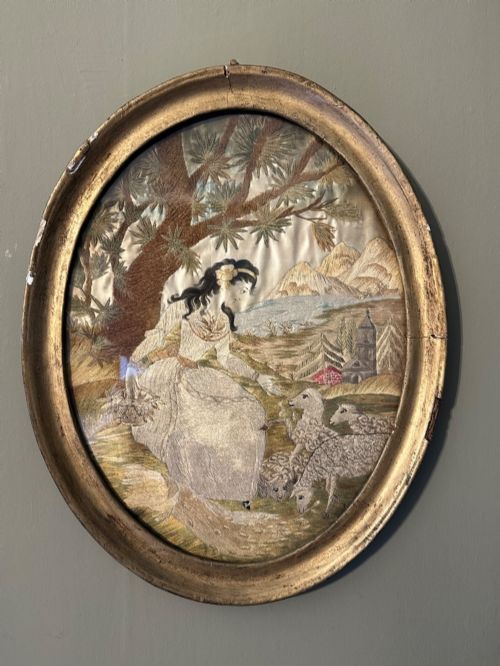
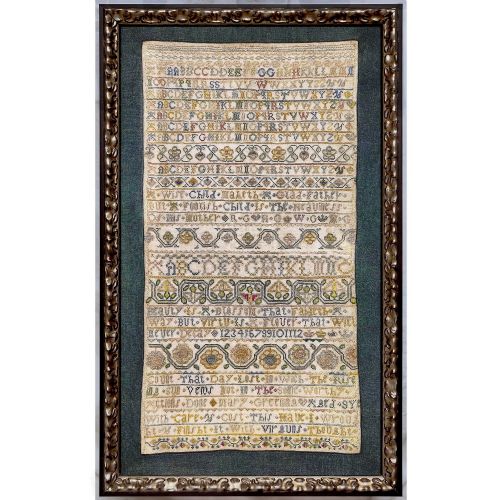
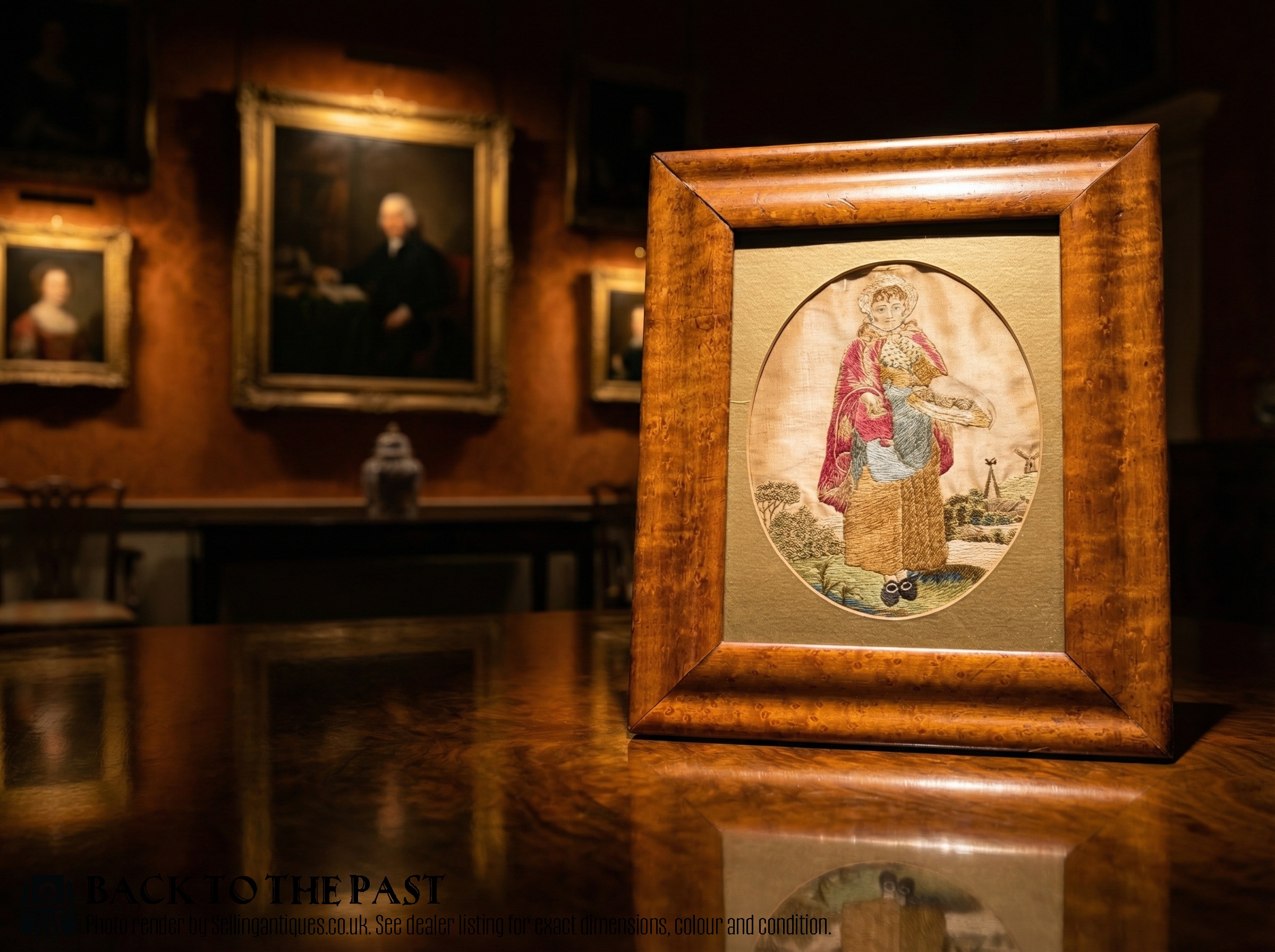
When you search for georgian silk embroidery, you encounter needlework pictures, framed textile art, and detailed samplers created during the Georgian and Regency periods. These pieces frequently depict pastoral scenes, maps, religious subjects, and figure studies worked in silk thread upon linen.
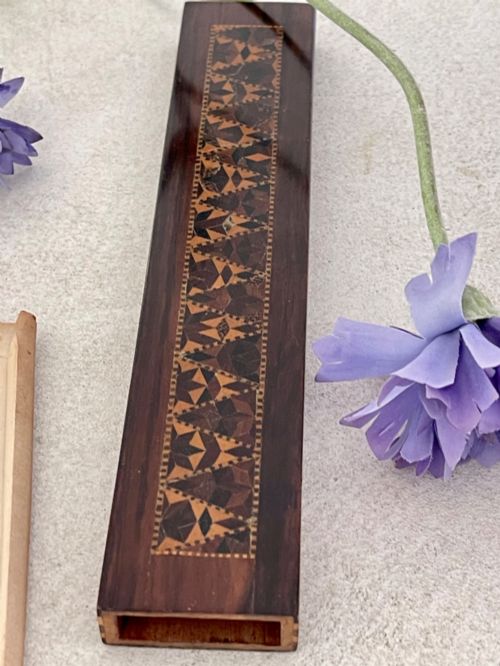
You will also find functional items and related tools such as sewing tables and silk skein holders associated with the practice of needlework. The selection spans from band samplers of the early eighteenth century to narrative pictorial works and woolwork pictures of the nineteenth century.
Makers recorded in the evidence include young practitioners such as Mary Banion, Mary Greening, Elizabeth Horn, Sarah Baker, Mary Mason, Martha Hall, Mary Street, Sarah Reading, and Susan Mary Williams, who stitched their names and ages into their works.
What varies in quality
The sophistication of the needlework and the precision of the stitching determine the distinction between ordinary and exceptional examples. Pictorial works that combine fine silk embroidery with detailed hand-painted elements demonstrate higher levels of execution.
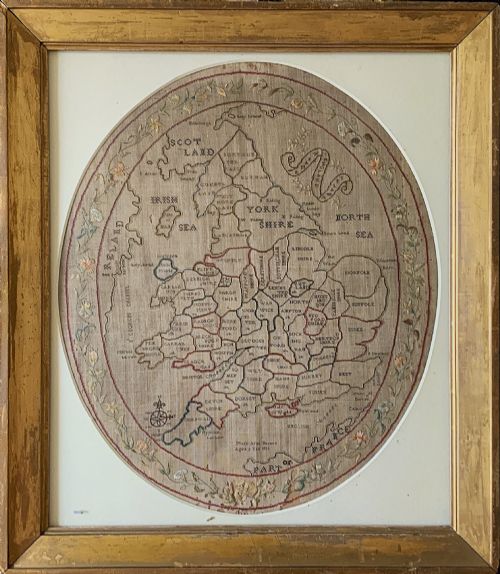
The preservation of the original materials, including the vibrancy of the silk threads and the integrity of the period frame, influences the standing of the piece. Samplers featuring complex cartography, such as detailed maps of England and Wales, demand superior technical skill compared to standard band samplers.
Georgian Silk Embroidery Retail Price Guide 2026
Typical asking prices for georgian silk embroidery among the pieces listed under this phrase on Sellingantiques today, from the lower quarter to the upper quarter. They describe what is for sale here now, not the wider market.
Young makers recorded their precise ages directly into the cloth, leaving behind permanent signatures of childhood patience.
Mary Banion·Mary Greening·Elizabeth Horn·Sarah Baker·Mary Mason·Martha Hall·Mary Street·Sarah Reading·Susan Mary Williams
The Georgian Silk Embroidery Glossary
- Sampler
- A piece of needlework produced as a demonstration or test of skill in various stitches. These often record the maker's name, age, and date alongside alphabets, numbers, or map designs.
- Verre Églomisé
- A process of applying cold painting and gold leaf or metal leaf to the reverse of glass. It provides a decorative, reflective border often seen on Regency frames.
- Crewel Work
- Embroidery executed using wool yarn on linen or cotton twill. This technique creates textured, robust surface patterns.
- Band Sampler
- An early format of sampler featuring horizontal bands of diverse patterned stitches. They served as reference libraries for stitches before pictorial samplers became popular.
- Long Stitch
- An embroidery stitch where threads span considerable distances across the canvas. It creates smooth blocks of colour and texture in pictorial silk works.
Georgian Silk Embroidery: Frequently Asked Questions
How do I date a Georgian silk embroidery?
Many samplers and pictorial works include stitched dates and the names or ages of their makers. Stylistic clues, such as Regency framing methods and costume details, also help establish the period.
Examination of the backing materials, threads, and glass types provides further confirmation of the manufacturing era.
What subjects are common in these embroideries?
Needlework samplers frequently display alphabets, religious texts, and detailed maps of England and Wales. Pictorial pieces often show pastoral farming scenes, literary narratives, and figures in gardens.
Historical, theatrical, and commemorative subjects also appear, reflecting the educational pursuits and artistic interests of the period.
How should I display silk embroidery at home?
Protect fragile silk threads and painted details by hanging pieces away from direct sunlight and high humidity. UV-filtering museum glass helps prevent the fading of natural silk dyes over time.
Keep framed textiles in stable environmental conditions to preserve the integrity of the linen ground and the wooden frame.
What is the difference between a sampler and a picture?
Samplers function primarily as练习 or records of stitches, alphabets, and institutional schooling, often signed by young makers. Pictures are composed as complete decorative artworks, frequently combining silk embroidery with hand-painted elements.
Both forms utilise similar needlework techniques but serve distinct ornamental and educational purposes.