

Georgian Sheffield Plate Silver
Georgian Sheffield plate silver offers the rich lustre of solid precious metal fused onto a sturdy copper base through a clever historical technique.
Georgian Sheffield Plate Silver
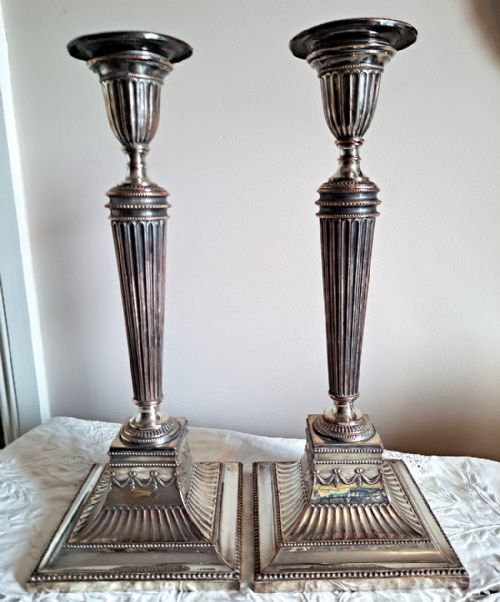
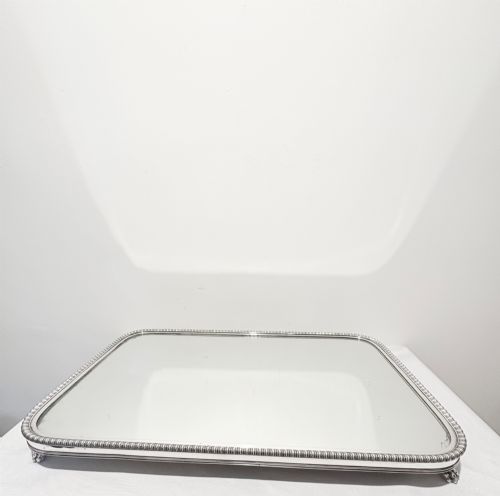
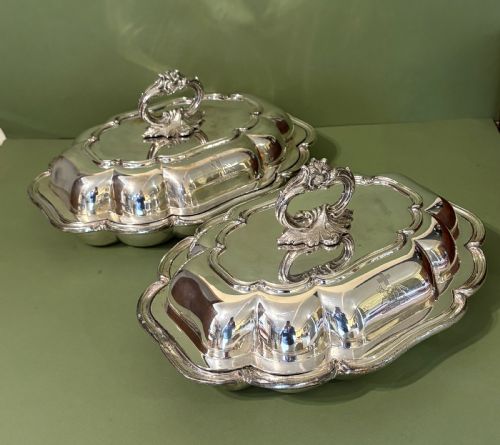
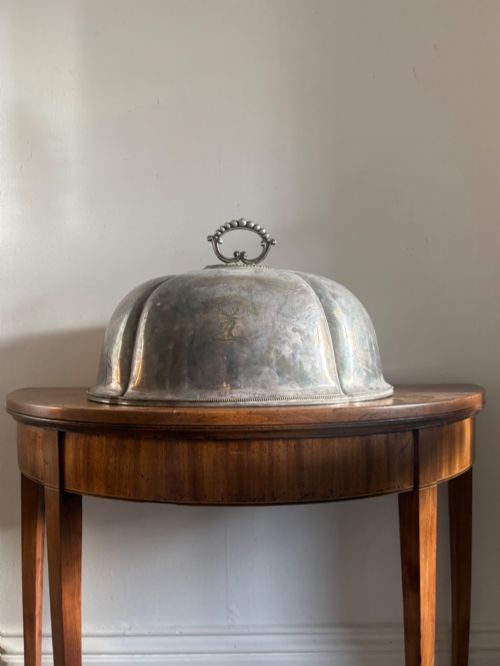
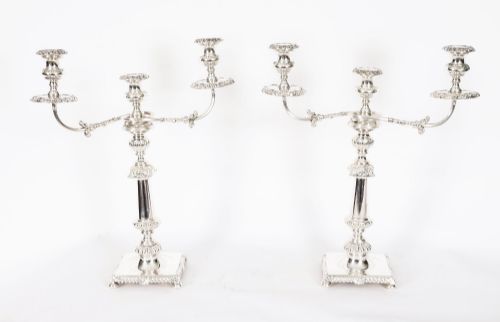
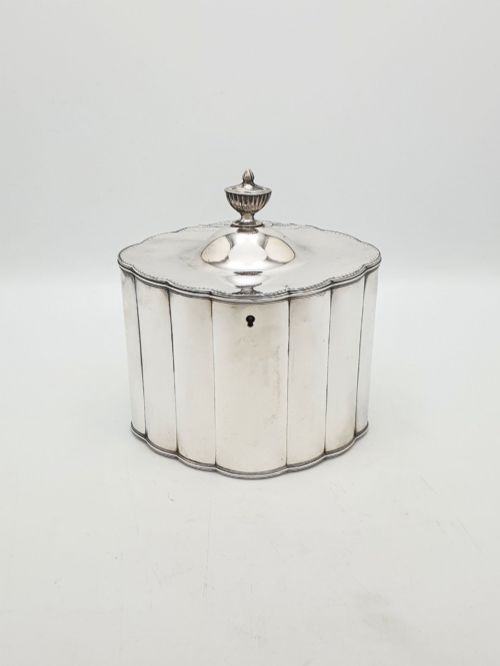
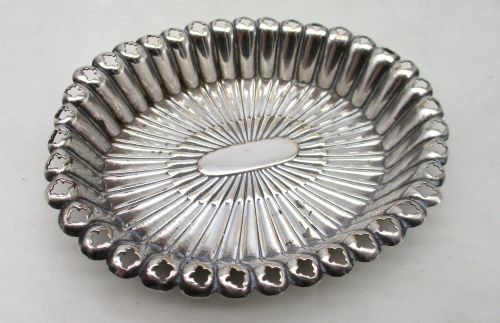
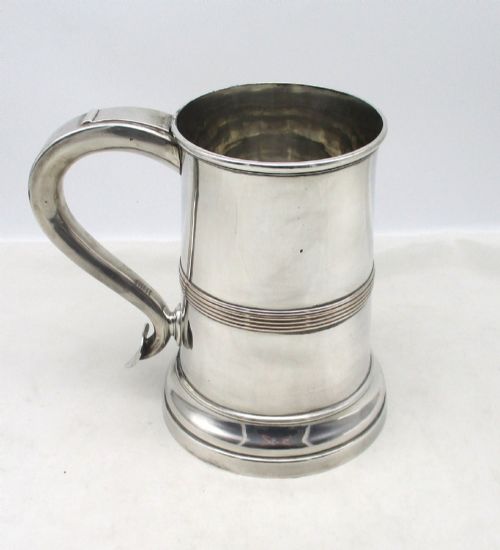
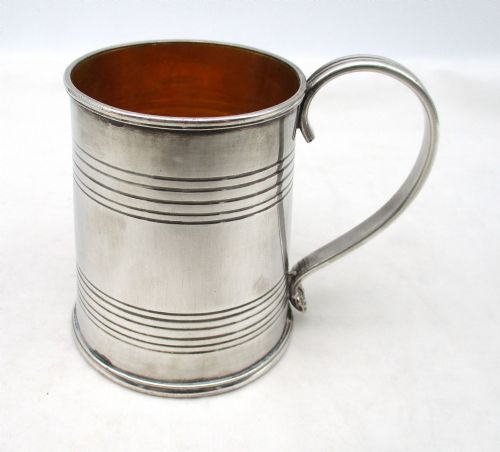
When you search for georgian sheffield plate silver, you encounter items designed for formal dining, tea service, and domestic display from the eighteenth and nineteenth centuries. The selection spans utilitarian vessels like tankards and coffee pots alongside decorative showpieces including candelabra, wine coolers, and meat domes.
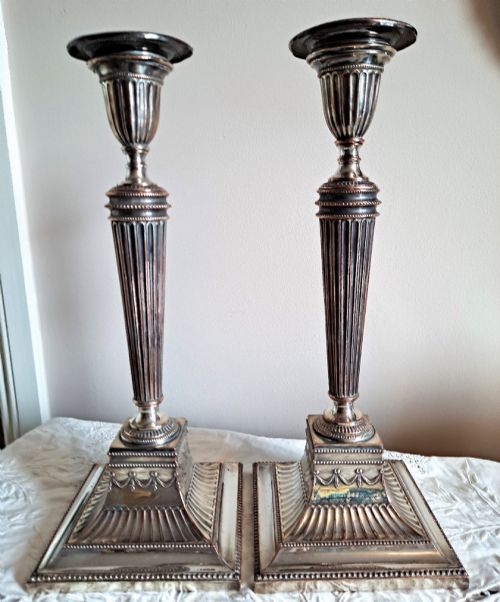
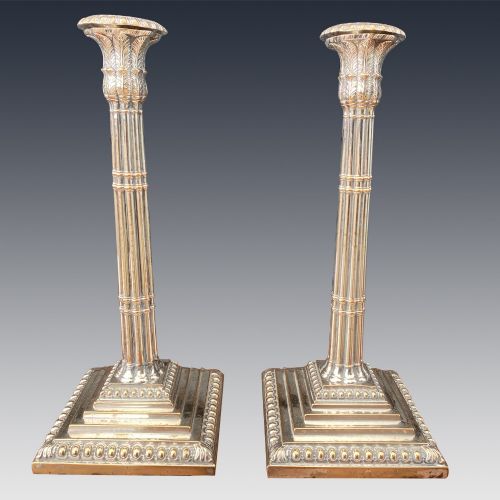
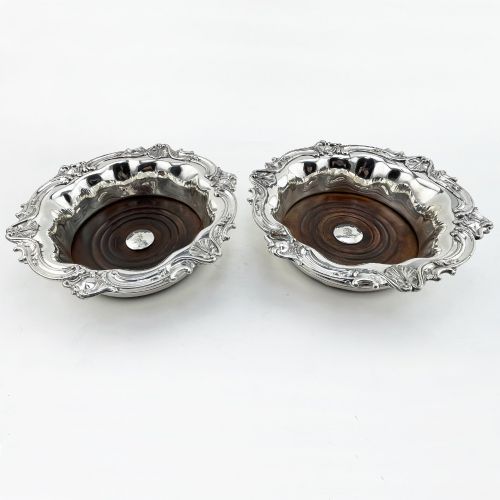
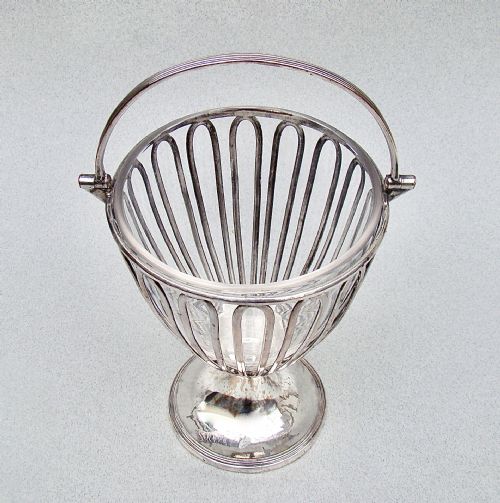
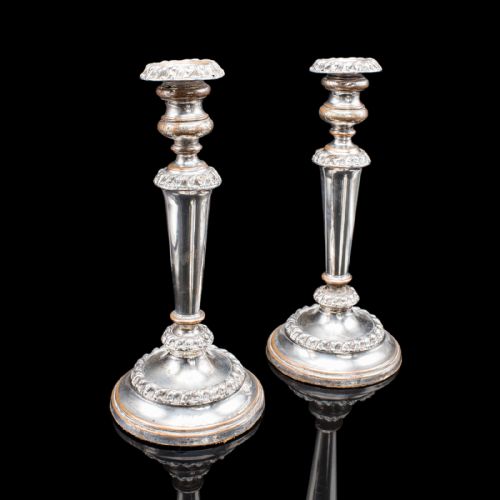
Candlesticks, wine coasters, and baskets appear frequently in the current listings, reflecting the Georgian appetite for elegant table settings. These objects bring historical weight and brightness to a room, bridging the gap between everyday utility and ornamental display.
How they were made
The method relies on heat fusion, binding a thin sheet of silver to a thicker copper core before shaping the combined metal into domestic objects. Makers often incorporated silver wirework or added solid silver borders to conceal the exposed copper edges at the rims and seams.
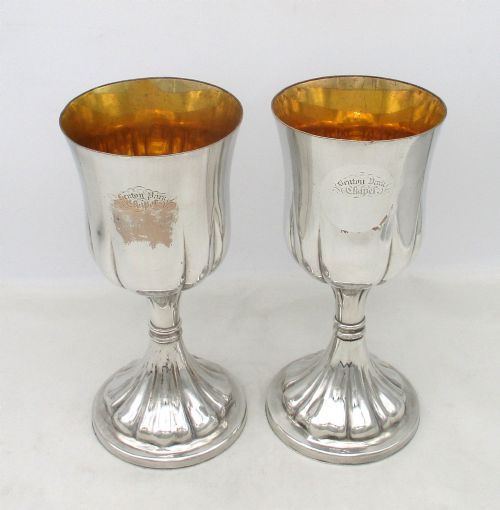
Wood and gold gilt occasionally appear as secondary materials in handles or interior linings, complementing the dominant combination of copper and silver plate. Craftsmen shaped these materials into intricate forms like lyre-shaped candelabra and wirework baskets using specialised hammering and soldering techniques.
Georgian Sheffield Plate Silver Retail Price Guide 2026
Typical asking prices for georgian sheffield plate silver among the pieces listed under this phrase on Sellingantiques today, from the lower quarter to the upper quarter. They describe what is for sale here now, not the wider market.
Listings feature items from the eighteenth and nineteenth centuries, spanning the Georgian, Regency, William IV, and Victorian periods.
What varies in quality
The distinction between standard items and exceptional work rests on the crispness of the chased or engraved detail and the restraint in design. Pieces originating from prominent workshops display heavier silver gauges and more deliberate proportions that retain their authority after centuries of use.
Wear patterns reveal the underlying copper core to varying degrees, but the visual harmony of the original form dictates the piece's standing. Proportion and balance in complex multi-light candelabra or large meat domes separate ambitious studio output from simpler domestic wares.
Matthew Boulton·Roberts Cadman·Henry Wilkinson·Creswick·Richard Morton·John Hoyland
The Georgian Sheffield Plate Silver Glossary
- Old Sheffield Plate
- A composite material made by fusing a sheet of silver to a copper ingot, developed in the eighteenth century before the invention of electroplating.
- Meat Dome
- A large domed cover used to keep roasted joints warm on the dining table, often fitted with a sturdy handle.
- Wine Cooler
- A vessel designed to chill wine bottles at the table, frequently featuring robust handles and deep body proportions.
- Sconce
- A detachable nozzle fitted into the top of a candlestick to catch dripping wax and ease cleaning.
- Argyle
- A specialised vessel designed to keep gravy warm by means of an internal compartment for hot water.
- Wirework
- An open lattice construction formed from drawn metal wires, seen frequently in baskets and sugar vases.
Georgian Sheffield Plate Silver: Frequently Asked Questions
How do I clean old sheffield plate?
Gentle washing with warm soapy water and a soft cloth preserves the remaining silver layer without exposing the copper underneath.
Harsh abrasive polishes strip away the thin silver skin over time, so specialised silver care products applied with minimal pressure work best.
How can I tell copper is underneath?
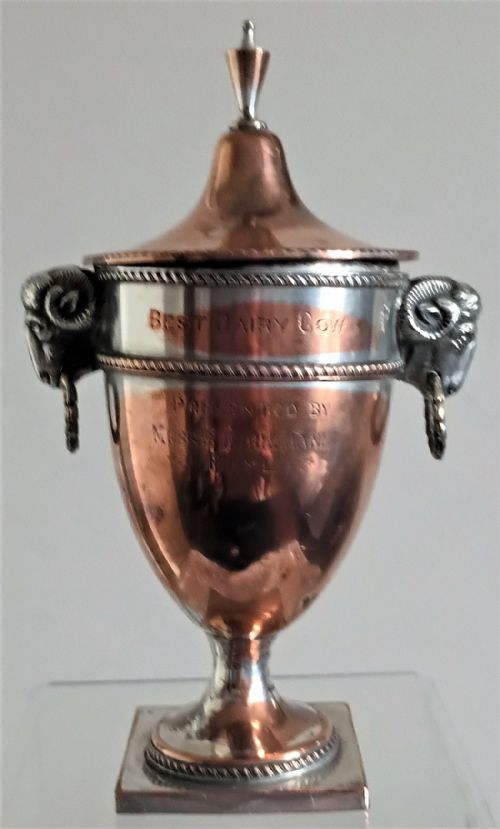
A faint pinkish or reddish hue showing through the silver surface, particularly along raised edges and high-wear points, indicates the copper base.
This telegraphing of the base metal is a natural characteristic of old fused plate rather than a modern defect.
How do these pieces differ from electroplate?
Fused plate involves mechanically heating and rolling solid silver and copper together before fabrication, creating a thick and durable bond.
Electroplating applies a thin silver coating via an electrical current onto a pre-formed base metal, a method that became common only in the Victorian era.