


Georgian Sheffield Plate Coaster
Georgian Sheffield plate coasters are sophisticated wine accessories that bring period elegance to the dining table.
Georgian Sheffield Plate Coaster
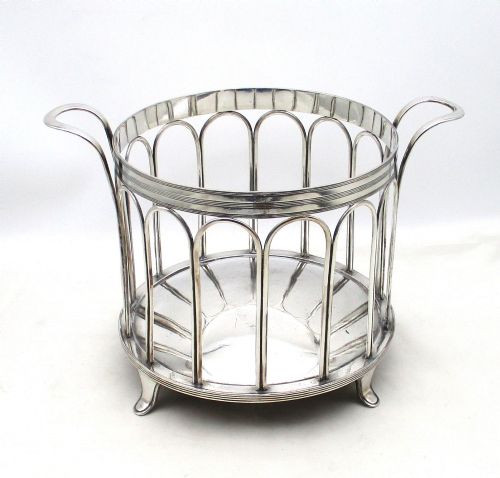
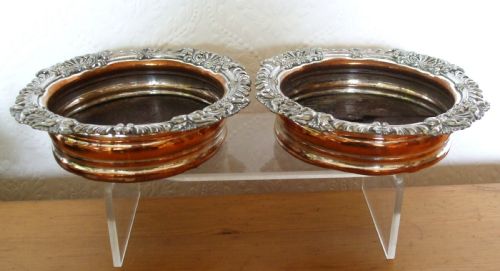
When you search for georgian sheffield plate coaster, you encounter functional wine accessories designed to protect polished dining tables from bottle moisture and scratches. These pieces typically take the form of circular holders created during the Georgian and Regency periods.
The selection frequently includes pairs or larger sets of wine bottle coasters, alongside more elaborate wine trolleys designed to glide across the table. They originate mainly from the late eighteenth and early nineteenth centuries, encompassing George III and nineteenth-century eras.
Most examples serve bottles directly, though variations include wirework designs and pieces featuring grape and vine decoration. Wooden bases frequently line the interior to support the bottle and absorb sound when placed on timber surfaces.
How they were made
Old Sheffield plate involves fusing a thin layer of silver to a thicker copper core, a technique developed in the eighteenth century. This fused metal is then shaped into the circular bodies of the coasters.
Makers often incorporate turned wood bases made from mahogany into the centre of the silver-plated frame. Decorative borders and pierced wirework sections are applied separately to complete the construction.
The selection includes items from the Georgian, Regency, and nineteenth-century periods, utilising silver plate, copper, and mahogany.
What varies in quality
The crispness of the applied decoration and wirework forms a primary distinction between standard items and superior examples. Finer pieces display sharply cast floral or grape and vine motifs along the rim.
The integrity of the fused silver layer over the copper core dictates the overall visual success of the piece. Substantial weight and sturdy integration with the wooden base also separate robust table pieces from lighter counterparts.
Matthew Boulton
The Georgian Sheffield Plate Coaster Glossary
- Old Sheffield Plate
- A composite material formed by fusing silver to a copper base before rolling the metal into sheets. This method predates electroplating and produces a distinct warm lustre.
- Wine Trolley
- A wheeled carriage designed to transport wine bottles across the dining table between guests. These wheeled frames often hold one or more coasters.
- Wirework
- An open framework constructed from shaped metal wires soldered together to form the sides of the vessel. This technique creates a lighter visual appearance.
- Turned Wood
- Timber shaped on a lathe to create flat or slightly dished circular bases fitted inside the metal coaster rim. Mahogany is frequently utilised for this purpose.
Georgian Sheffield Plate Coaster: Frequently Asked Questions
How do you use them today?
Modern owners place them on dining tables to hold wine or decanters during meals. They serve both a practical protective function and a decorative role.
They also function well on sideboards or serving tables to display vintage bottles. Care involves gentle cleaning suitable for old plated silver.
How do I spot old sheffield plate?
Old Sheffield plate often reveals faint traces of copper showing through where the silver layer has worn thin over time. This edge wear helps distinguish fused plate from later electroplated wares.
The manufacturing method sandwiches copper between silver, a detail visible at unplated edges or seams. Makers from the period rarely used standard electroplate marks.
What is a wine trolley?
A wine trolley is a wheeled chassis carrying one or more coasters designed to roll across the dining table. This allows diners to pass wine effortlessly.
These accessories date to the Georgian and Regency eras and represent more elaborate dining customs. They run on small metal wheels fitted beneath the frame.