




Georgian Royal Portrait Art
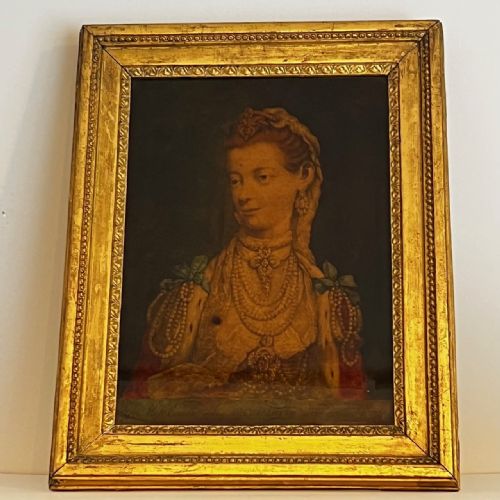
Georgian royal portrait art captures the likenesses of monarchs and nobility through oils, mezzotints, and reverse glass prints.
Georgian Royal Portrait Art
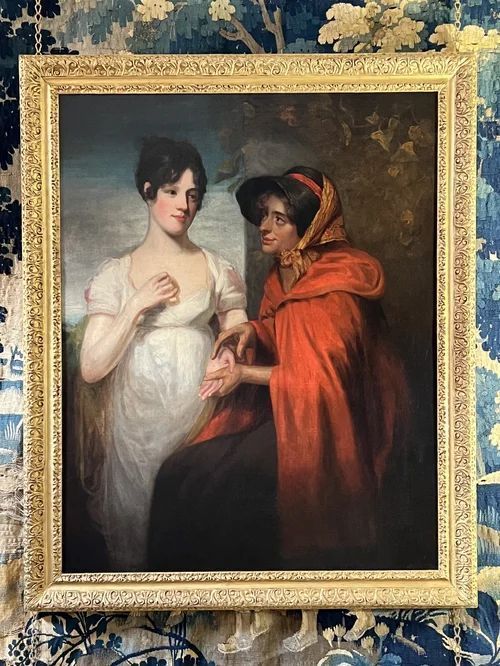
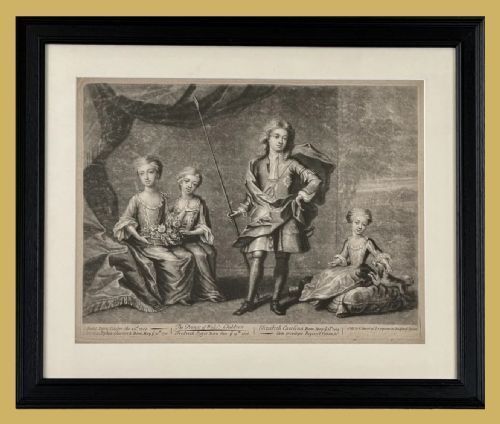
Georgian royal portrait art encompasses framed wall art, oil paintings, and prints depicting figures from the monarchy and aristocracy. Buyers seeking these pieces will find works originating from the eighteenth and nineteenth centuries, including the Georgian and Regency periods.
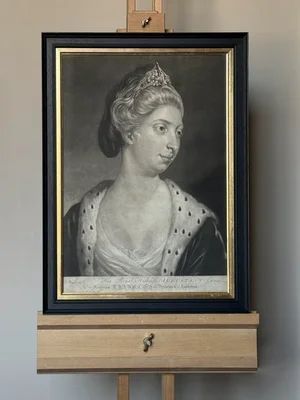
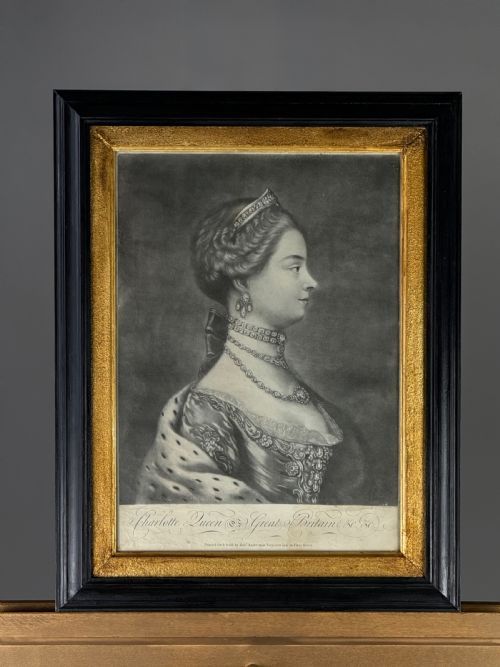
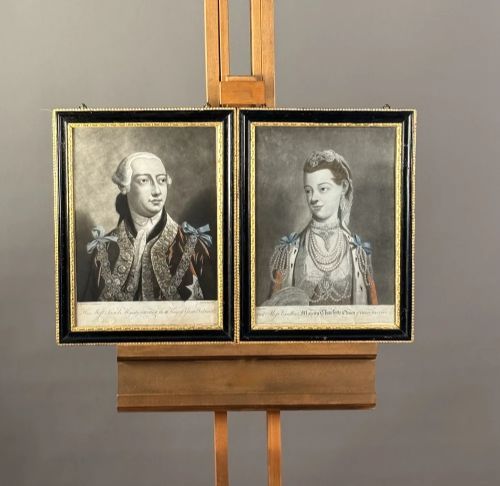
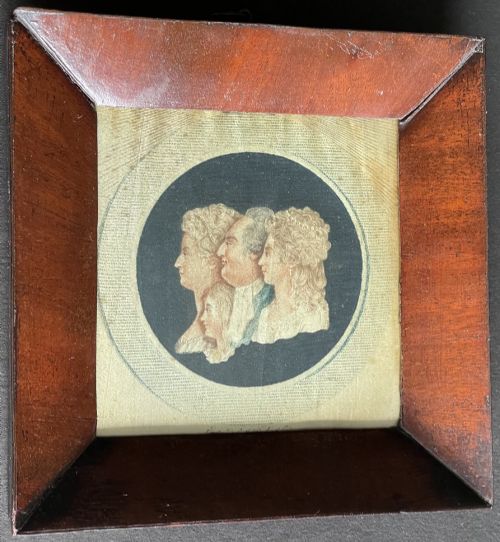
The selections span from intimate portrait miniatures and silhouette conversation pieces to larger oil on canvas works and mezzotint engravings. Subjects include monarchs such as King George III and Queen Charlotte alongside political allegories and military figures.
Most items on this page adhere to eighteenth-century and nineteenth-century aesthetics, frequently employing Neoclassical and Baroque visual languages. These portrayals serve as historical records of rulers and nobility executed in print and paint.
Materials and Methods
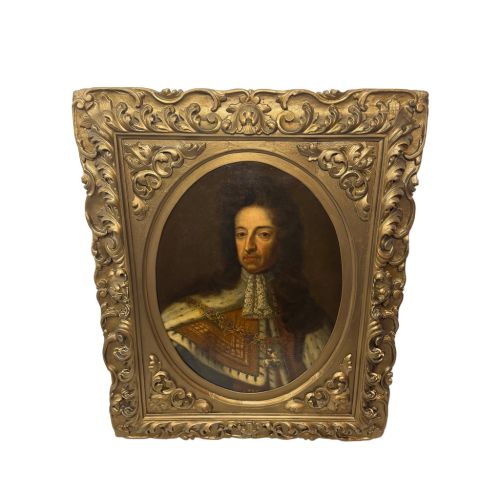
Makers utilised oil paint on canvas and wood panels, alongside enamel for miniature portraits. Engravers and printers worked with paper, glass, and silk to produce mezzotints and reverse glass prints.
Frames incorporated gold leaf and wood, while specific pieces utilised specialised techniques such as reverse glass painting. Canvases frequently featured hand-applied oil mediums signed by portraitists.
Several portraits feature royal subjects caught mid-gaze, seemingly unimpressed by the artists tasked with immortalising them.
Assessing Quality in Portraiture
The choice of medium and the preservation of the original surface, whether glass, canvas, or paper, dictate the overall standard. Original framing and contemporary signatures further distinguish superior pieces within the genre.
SIR WILLIAM BEECHEY R.A·JOHN SMITH·G. KNELLER·Henry Bone ARA·JOHN OPIE R.A·PURCELL·REYNOLDS·JAMES MCCARDELL·JEREMIAH MEYER·THOMAS FRYE·RICHARD PURCELL·Henry Pierce Bone·William Owen RA·Kershaw Schofield·Edward Bird R.A.·Henry Walton·John Russell RA·Samuel Lane·George Dawe
The Georgian Royal Portrait Art Glossary
- Mezzotint
- A printmaking process of the print family where the plate is roughened to produce dark tones and scraped to create light areas. This technique allowed for subtle gradations in portraits of royalty.
- Portrait Miniature
- A small, highly detailed painting on ivory, vellum, or card, often executed in enamel. These portable likenesses were frequently commissioned to commemorate family members or monarchs.
- Reverse Glass Print
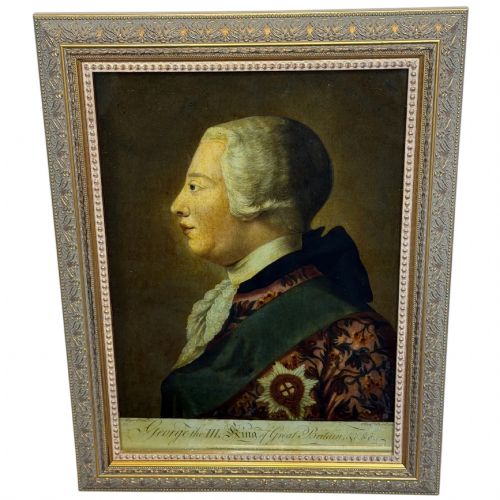
- An image transferred to glass and painted from behind, creating a glossy finish visible through the front. This delicate method was popular for decorative royal portraits.
- Conversation Piece
- An informal group portrait, often depicting family members engaged in conversation or shared activities. These works combine portraiture with genre painting elements.
- Neoclassical
- An artistic style drawing inspiration from the classical art and culture of ancient Greece and Rome. It manifests in royal portraiture through restrained drapery and classical architectural backdrops.
Georgian Royal Portrait Art: Frequently Asked Questions
What is a reverse glass print?
A reverse glass print involves applying an engraving directly to glass and painting it from the rear perspective. This technique produces a distinct reflective sheen when viewed from the front.
Such prints were commonly utilised for decorative royal portraits during the Georgian period, offering an alternative finish to traditional paper engravings.
How were portrait miniatures used?
Portrait miniatures served as intimate, portable keepsakes that individuals could carry or wear close to the person. They recorded the likenesses of family members and monarchs with microscopic precision.
Artists frequently employed enamel or oil on specialised supports to achieve the minute detail required for these small-scale works.
What distinguishes a conversation piece?
A conversation piece portrays figures in an informal, narrative setting rather than a formal, stiff pose. These works often show subjects interacting within a domestic interior or a landscape.
In royal and noble contexts, these paintings combined portraiture with storytelling elements to reflect the refined leisure of the period.
How do you identify Regency pieces?
Regency pieces originate from the early nineteenth century during the regency and reign of King George IV. They often reflect evolving Neoclassical tastes in fashion, posture, and interior decor.
Artists from this era typically employed oil on canvas or detailed enamel work to capture the distinct aesthetic of the period.