




Georgian Pottery Plate
A georgian pottery plate brings domestic history to the table through blue and white transfer printing, creamware bodies, and hand-painted delftware.
Georgian Pottery Plate
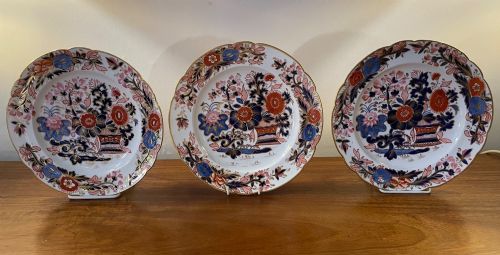
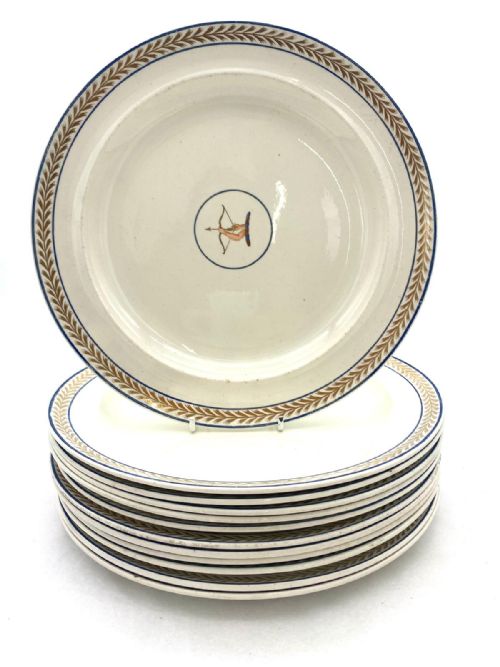
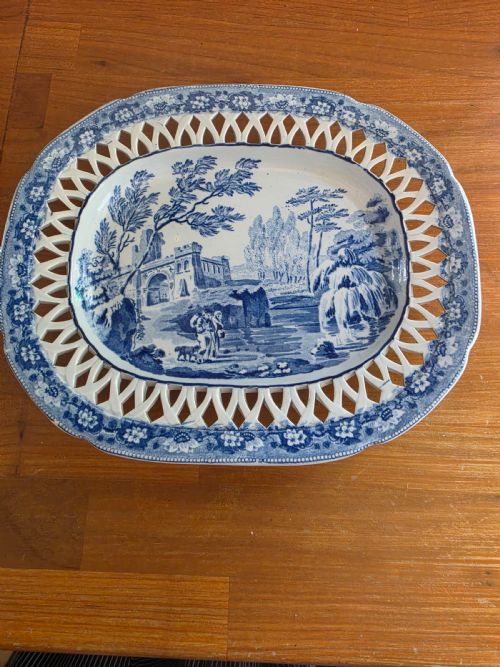
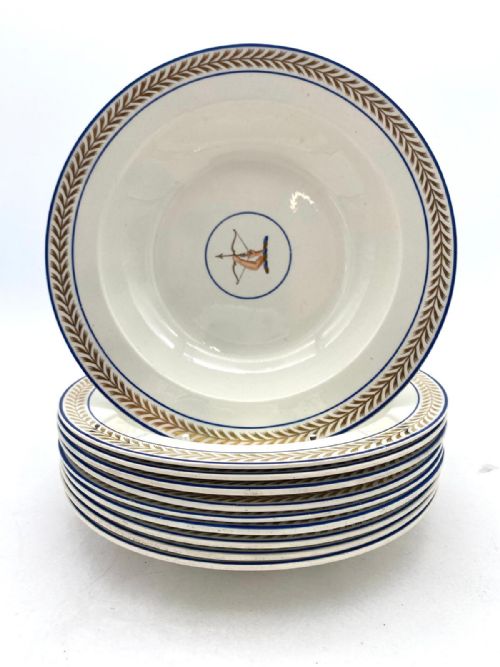
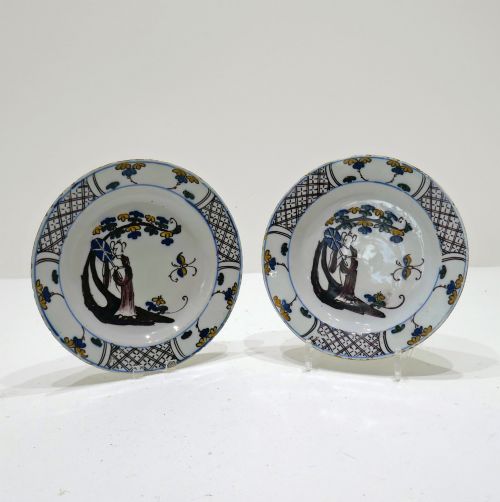
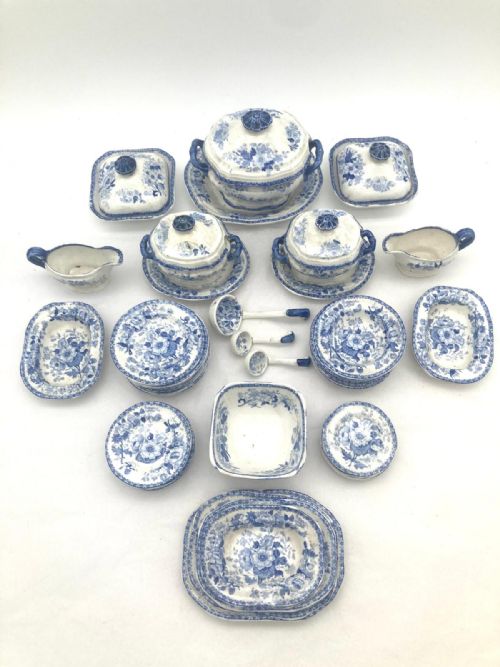
Buyers frequently encounter blue and white transfer-printed earthenware alongside polychrome delft plates and armorial creamware. These items served dining and display functions in period households, ranging from small dessert plates to large serving platters.
How they were made
Potters shaped ceramic bodies from earthenware clays, applying tin glaze or lead-based glazes before firing. Cobalt oxide provided the deep blue pigment utilised in transfer printing and hand-painted designs.
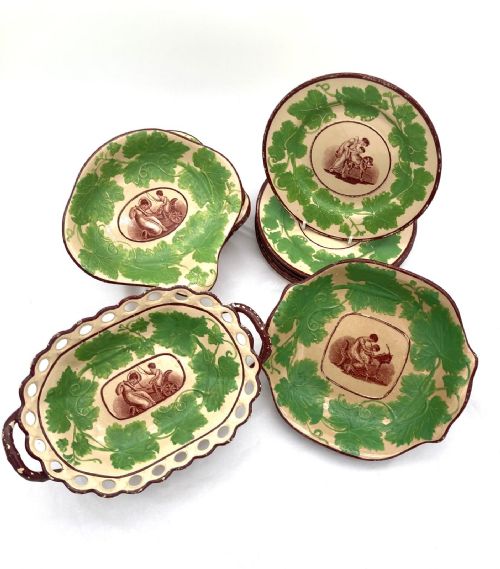
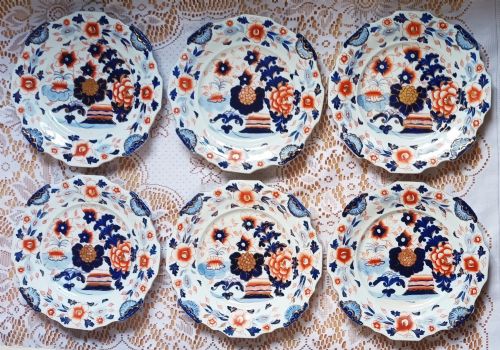
Decoration relied on hand-brushing pigments for polychrome delftware or transferring engraved copperplate designs onto pearlware and creamware surfaces. Enamel colours were often added over the glaze to enrich specific patterns.
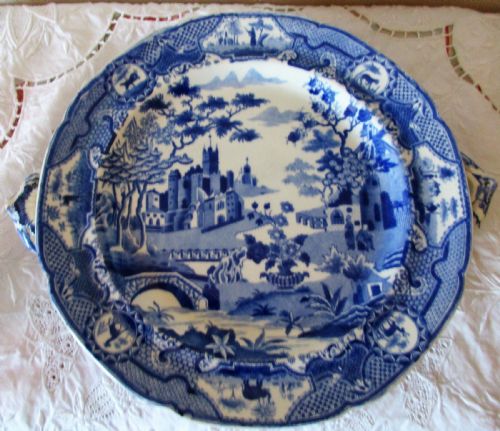
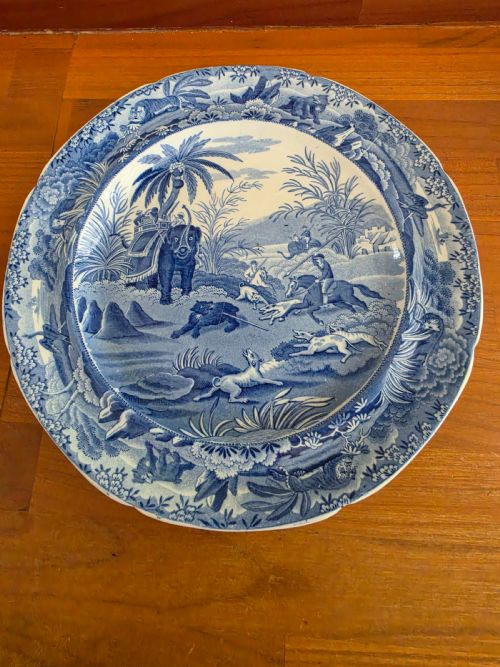
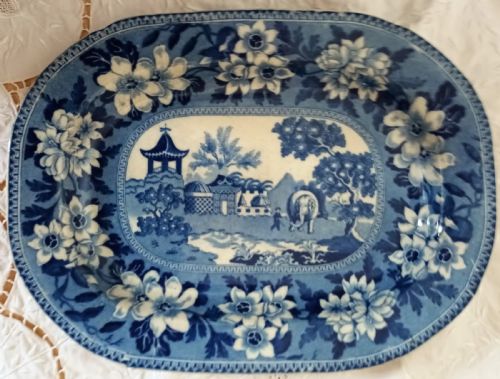
Bears, elephants, and castle ruins share plate surfaces with polite floral borders.
What varies in quality
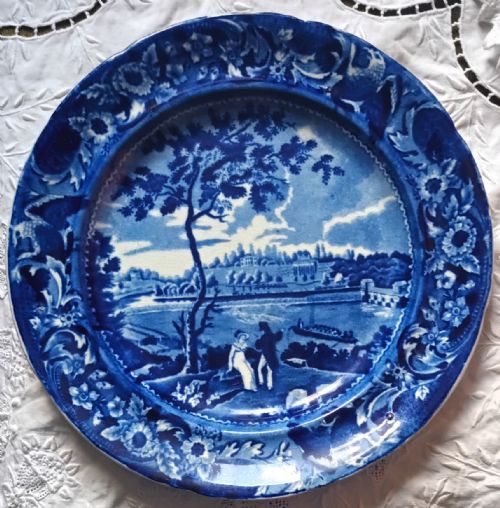
The refinement of the ceramic body and the clarity of the transfer print dictate the upper tier of pieces. Crisp lines in complex pictorial scenes demonstrate superior workshop output compared to blurred or smudged transfers.
Hand-painted depth in polychrome delftware and the complexity of armorial or topographical subjects distinguish standard tableware from exceptional examples. Potteries achieved different levels of smoothness in the glaze finish and precision in the initial moulding.
Wedgwood·Davenport·Spode·Minton·John Rogers and Son·Stubbs·Caughley·Herculaneum·Zacharia Boyle of Hanley·James and Ralph Clews
The Georgian Pottery Plate Glossary
- Creamware
- A refined earthenware with a pale yellow or cream-coloured tone, developed during the eighteenth century and widely utilised for dinner services.
- Pearlware
- An improved earthenware body featuring a slight bluish tinge in the glaze, created to imitate the whiteness of Chinese porcelain.
- Transfer printing
- A decoration technique where an engraved copper plate applied ink to tissue paper, which was then pressed onto the ceramic biscuit or glaze.
- Tin glaze
- An opaque white glaze containing tin oxide, providing the characteristic surface for English and Dutch delftware production.
Georgian Pottery Plate: Frequently Asked Questions
What is a georgian pottery plate made of?
These items consist primarily of earthenware bodies finished with tin glaze, lead glaze, or transparent enamel. Workshops utilised ceramic pastes like creamware and pearlware to form the plates.
Potters then applied cobalt oxide for blue designs or used multi-coloured enamels for polychrome decoration before kiln firing.
How do I identify a transfer-printed plate?
Transfer-printed examples display repeating patterned borders and pictorial scenes applied mechanically via engraved copper plates rather than freehand brushwork. Close inspection reveals fine stippling or continuous lines characteristic of printed tissue transfer.
Subjects frequently include British landscapes, Asian-inspired chinoiserie, and historical views.
Were these plates used for daily dining?
Many of these pieces served practical functions in period dining rooms as dinner plates, soup plates, and serving platters. Sturdier earthenware bodies accommodated regular household use during meals.
Larger chargers and decorated dessert services were additionally utilised for display or special courses.