
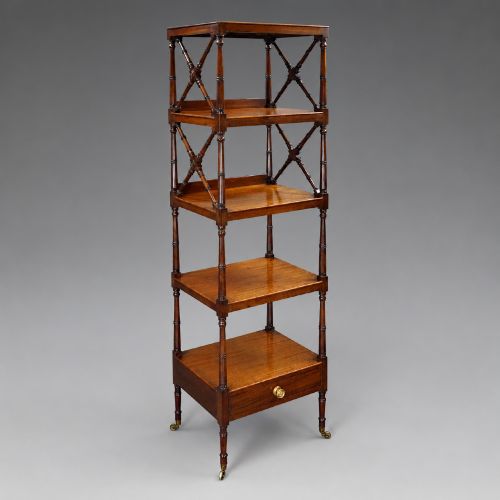


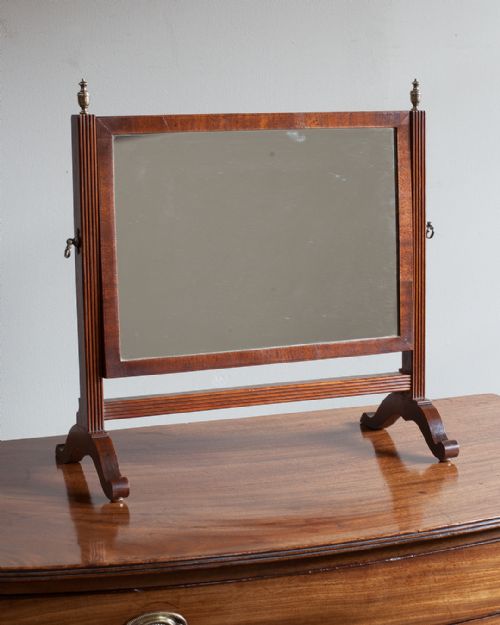
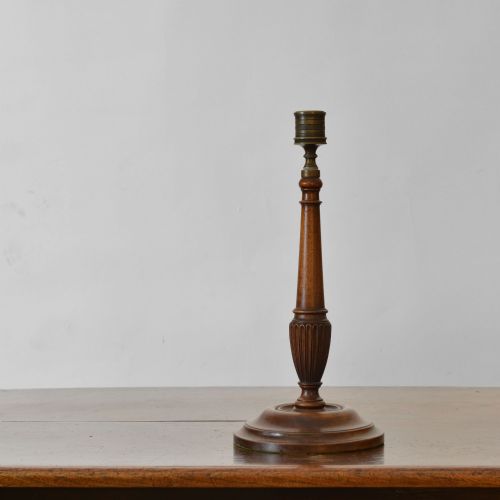
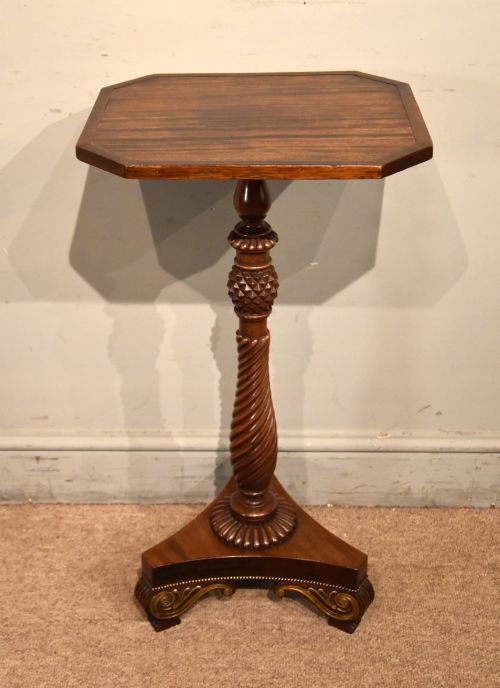
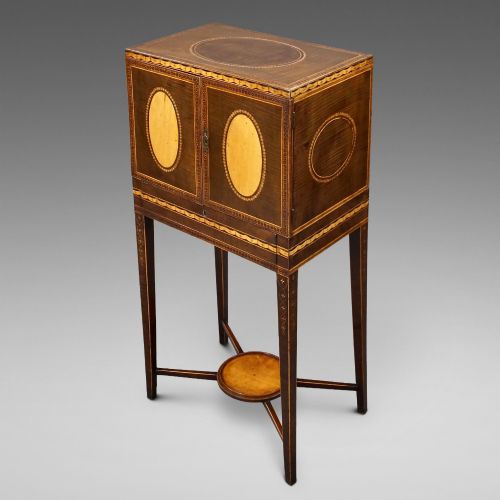
Georgian Period Table
A georgian period table brings domestic timber, centuries of utility and considered proportions into any room.
Georgian Period Table
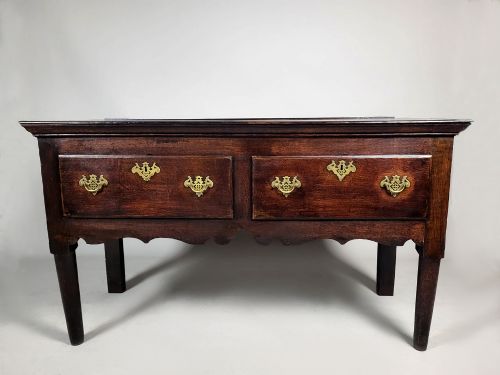
A georgian period table encompasses dining tables, sideboards, lowboys, card tables and occasional pieces spanning the eighteenth and early nineteenth centuries. These items reflect the domestic routines and social habits of georgian and regency households.
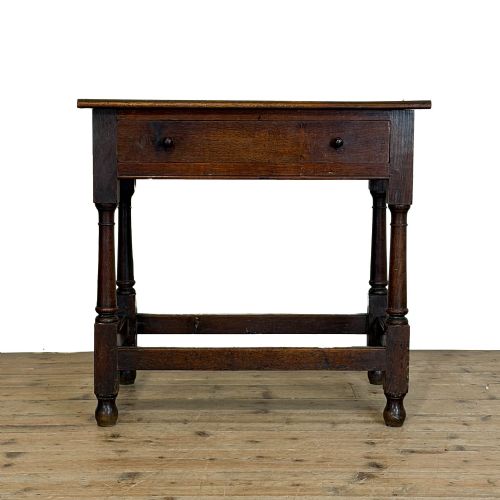
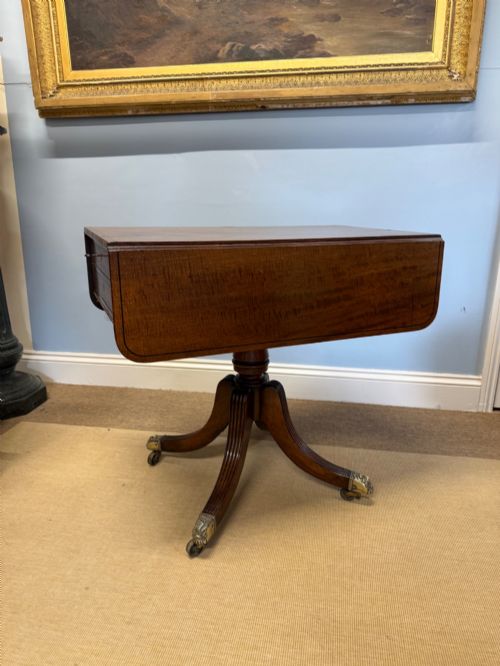
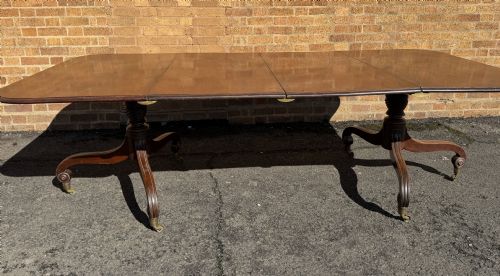
The most common examples on this page are mahogany side tables and oak occasional pieces, often dating from the reigns of George II and George III. Dining tables with multiple pillars and drop-leaf tea tables also appear regularly in timber such as walnut and oak.
Makers and craftsmen utilised native and imported woods to construct furniture ranging from robust country kitchen tables to refined metropolitan pier and card tables. The design vocabulary shifts from early oak simplicity towards Sheraton inlay and Regency mahogany elegance.
Materials and Construction
Makers constructed these tables primarily from solid mahogany, oak and walnut, frequently applying flame mahogany veneer, satinwood and boxwood stringing for decorative contrast. Secondary timbers such as elm and pine appear in lesser structural components.
Joinery relied on traditional methods including mortise and tenon joints, dovetailing in drawer construction and concertina actions for folding card tables. Turning, carving and cross-banding completed the surfaces of tripod, pedestal and gate-leg forms.
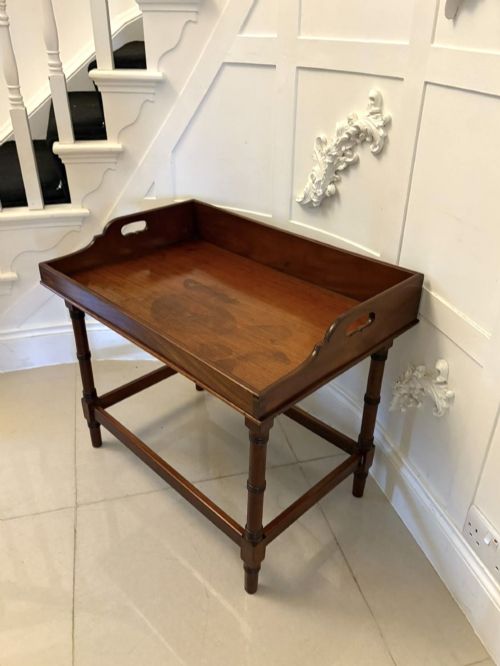
Some nineteenth-century occasional tables feature hand-painted faux bamboo, reflecting a Victorian fascination with exotic oriental design.
Craftsmanship and Proportion
Quality separates pieces by the selection of figured timber grain, the precision of inlaid borders and the integrity of original surface finishes. Superior examples retain crisp carving on tripod legs and crisp cock-beading around drawers.
Proportion and structural balance dictate the desirability of a table, distinguishing regional vernacular work from sophisticated urban cabinet-making. Original hardware, undisturbed timber patination and minimal structural alteration elevate value among collectors.
William Gard·Gillow·Giles Grendey
The Georgian Period Table Glossary
- Tripod Table
- A small occasional table supported by a central pillar on three diverging legs, frequently incorporating a tilt-top mechanism. They gained popularity during the mid eighteenth century.
- Concertina Action
- An expanding framework used on card and dining tables to support an unfolded leaf evenly. This mechanism allows the table to double its surface area securely.
- Cricket Table
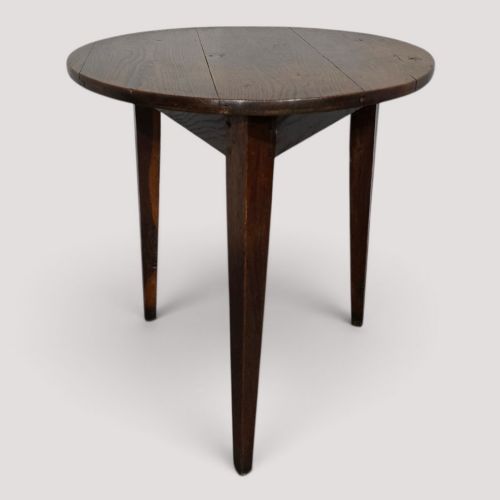
- A small, lightweight three-legged table with a round top, traditionally constructed in oak. The three-legged design provided stability on uneven floors.
- Satinwood
- A pale, hard timber native to Ceylon and India, used extensively for banding and inlay during the Sheraton and Regency periods. It provides a bright contrast against darker woods like mahogany.
Georgian Period Table: Frequently Asked Questions
How do I date a georgian table?
Dating relies on identifying timber choices, construction techniques and stylistic motifs characteristic of specific reigns. Oak and walnut predominate in the early eighteenth century, while mahogany and exotic veneers become standard later.
Secondary woods and drawer dovetailing methods also offer clues to the era of manufacture. Examining secondary elements helps confirm whether a piece belongs to the early georgian or later regency period.
What is the difference between a side table and a lowboy?
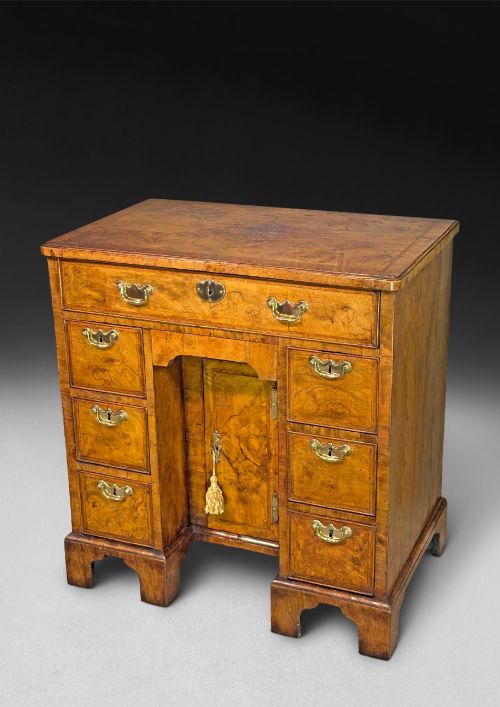
A side table is a general term for any table designed to stand against a wall, encompassing various sizes and drawer configurations. A lowboy specifically denotes a small dressing or side table featuring one or more rows of drawers beneath a compact top.
Lowboys usually date from the earlier part of the georgian era and often stand on cabriole legs. Side tables span a wider chronological range and display a greater variety of leg styles.
How were card tables used?
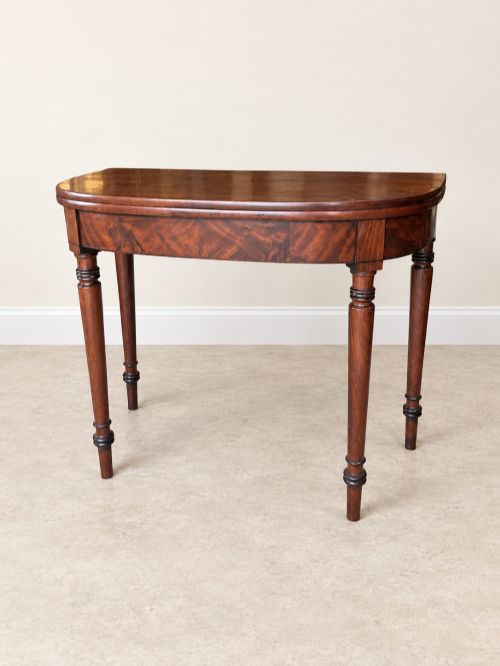
Card tables served for evening entertainment, specifically hosting games such as whist, quadrille or hazard in the drawing room. They feature a folding top that opens to reveal a baize or leather playing surface.
During the day, these tables stood closed against the wall as decorative console or side pieces. Their dual function made them essential items in fashionable georgian interiors.
Are these tables suitable for daily use?
Most georgian tables were built for rigorous domestic service using durable hardwoods like mahogany and oak. Their robust construction allows them to endure regular placement in modern living spaces.
Maintenance requires basic care such as avoiding excessive moisture and direct sunlight. Proper upkeep preserves the antique finish and structural integrity for years to come.