





Georgian Period Lowboy
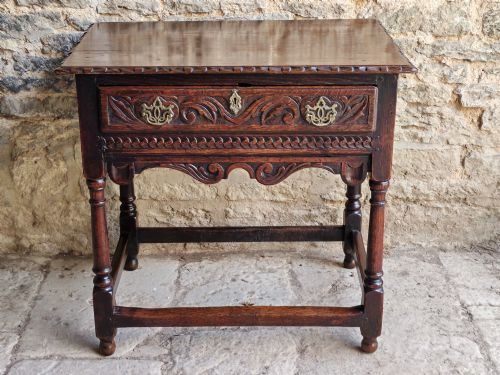
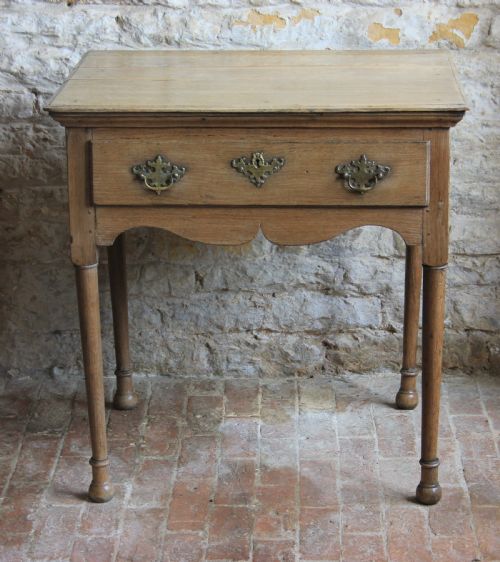
A georgian period lowboy is a low side table with drawers, prized for compact proportions and fine timber work.
Georgian Period Lowboy
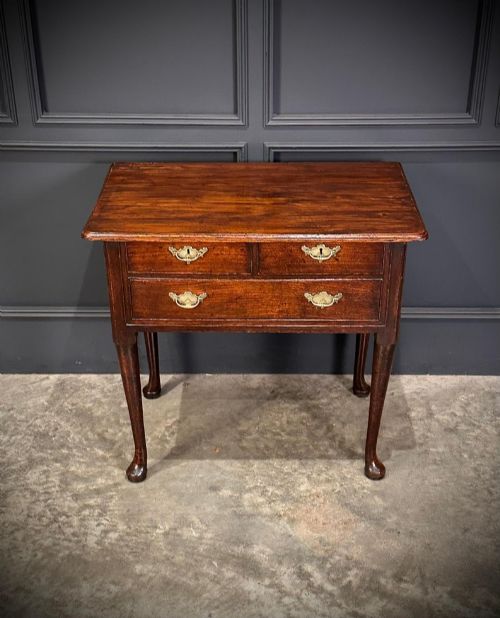
When you search for a georgian period lowboy, you encounter low tables primarily designed for dressing or writing, typically fitted with one to three drawers beneath the surface.
The examples on this page are heavily represented by eighteenth century forms, spanning the reigns of George I, George II, and George III, alongside Queen Anne and earlier periods.
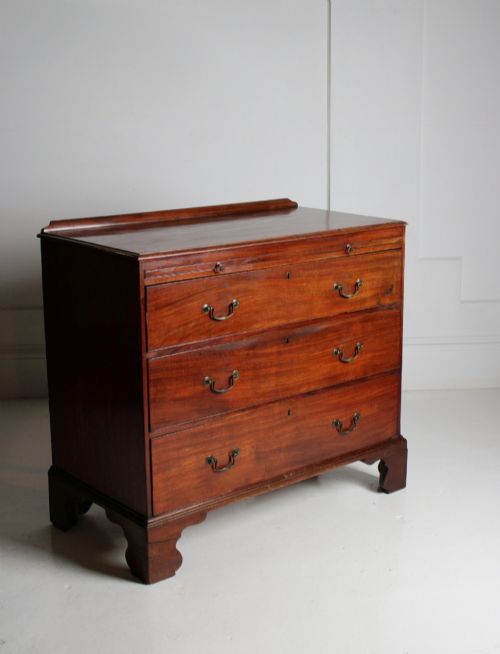
Oak and mahogany dominate the offerings, often complemented by walnut, burr elm, and fruitwood, reflecting the domestic woods utilised by makers of the era.
How they were made
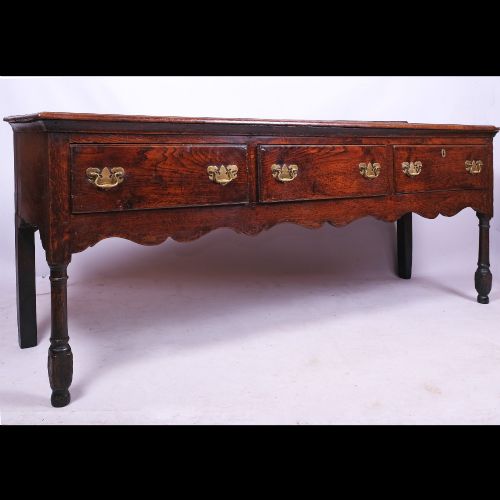
Construction relies heavily on solid timber boards joined with traditional methods, utilising native oak and imported mahogany depending on the workshop and period.
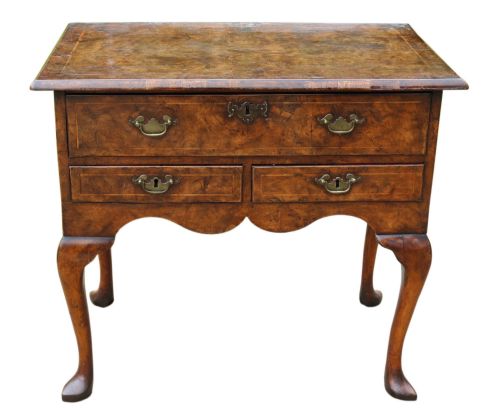
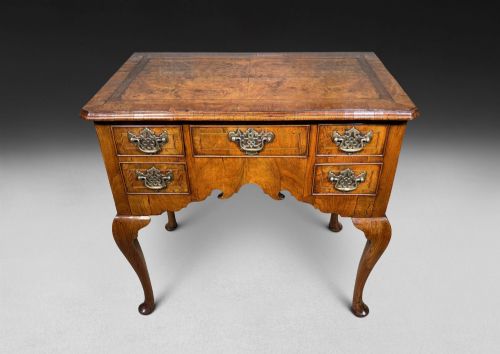
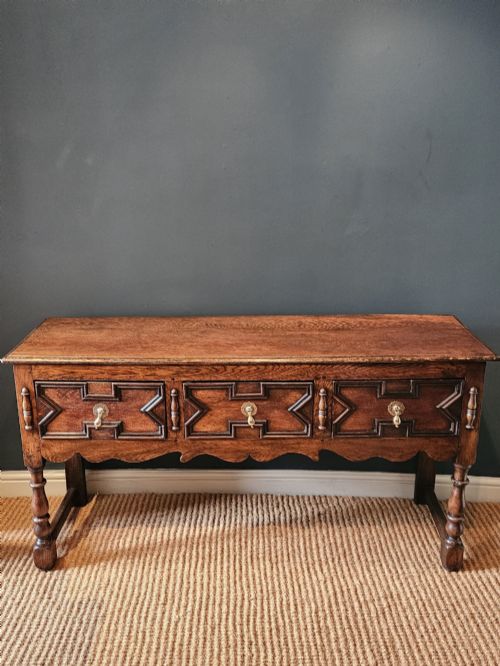
Surface ornamentation incorporates figured walnut veneers, burr elm panels, inlay, and geometric moulding to enhance the visual depth of the timber.
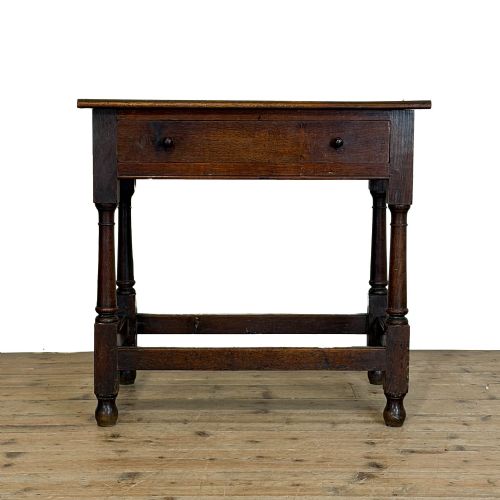
Drawer fronts are framed by pegged joints and fitted with brass handles, supported by turned or cabriole legs characteristic of the style.
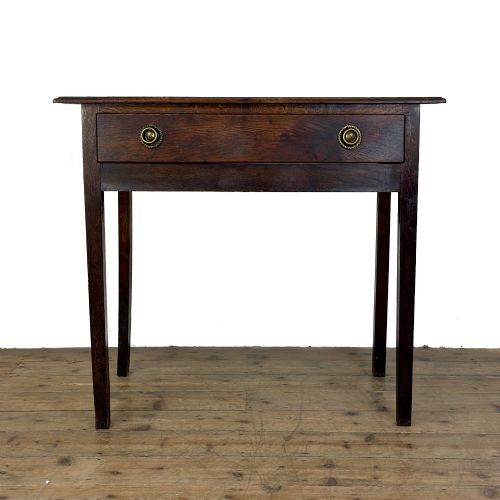
Form variations on this page include simple turned leg oak tables, inlaid mahogany side tables, and figured walnut dressing pieces.
What varies in quality
The grade of the timber fundamentally sets pieces apart, with highly figured walnut and burr elm commanding attention compared to plain domestic oak.
Refinement of the leg profiles and the crispness of mouldings distinguish sophisticated metropolitan workshops from simpler regional cabinet makers.
The Georgian Period Lowboy Glossary
- Lowboy
- A small side table or dressing table fitted with drawers, standing on relatively short legs. These tables often served secondary roles in bedrooms and parlours.
- Cabriole leg
- A furniture leg that curves out and then in, resembling the leg of an animal. This form became popular during the early eighteenth century.
- Burr elm
- A woody growth on an elm tree that produces swirling, highly decorative grain patterns. Cabinet makers prized this timber for veneering prominent surfaces.
- Geometric moulding
- Raised wooden framing applied in geometric patterns to drawer fronts or panels. It provides architectural relief on pieces from the late seventeenth and early eighteenth centuries.
- Dresser base
- The lower section of a kitchen or dining room dresser, functioning similarly to a heavy sideboard with drawers and cupboards.
Georgian Period Lowboy: Frequently Asked Questions
What is a lowboy used for?
A lowboy served historically as a dressing table for grooming or as a small writing desk in private chambers. The fitted drawers held small personal items, linens, or writing materials.
Today, these compact tables find places in hallways, living rooms, and bedrooms as lamp tables or decorative side surfaces.
Are all lowboys from the Georgian era?
While the majority date from the eighteenth century under Georgian reigns, production also spans the late seventeenth century into the nineteenth century. Earlier examples often align with Queen Anne or William and Mary styles.
Construction details, timber choice, and leg design help differentiate pieces made during the actual reign from later nineteenth century interpretations.
Where were lowboys placed in a home?
In period interiors, these tables occupied bedrooms, dressing rooms, and withdrawing rooms where space was managed carefully. Their low profile kept them from obstructing windows or wall hangings.
Modern interiors utilise their shallow depth behind sofas, in narrow entryways, or against plain walls to anchor a room.