


Georgian Period Glassware
Georgian period glassware brings the genuine weight and brilliance of eighteenth- and early nineteenth-century tables straight to your hand.
Georgian Period Glassware
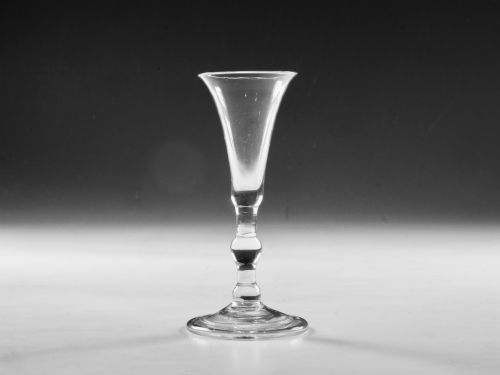
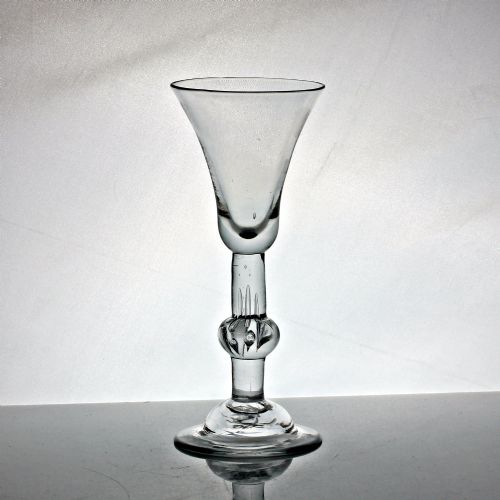
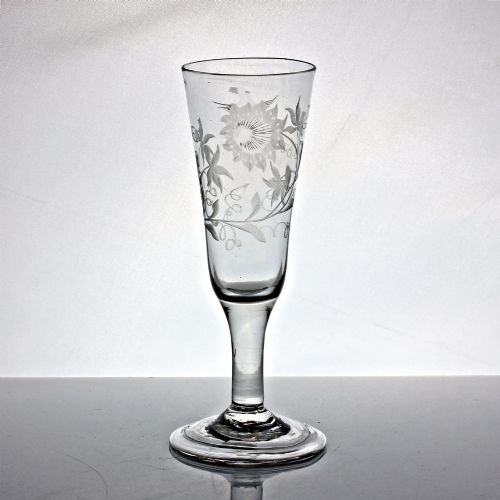
When you search for georgian period glassware, you are looking at drinking vessels, bowls, vases, and patch stands spanning the eighteenth and early nineteenth centuries. These pieces encompass English, Irish, and continental origins, dating from the mid-eighteenth century through to the Regency era. The examples you meet most often on this page are wine glasses featuring various stem formations, alongside rummers, finger bowls, and celery vases.
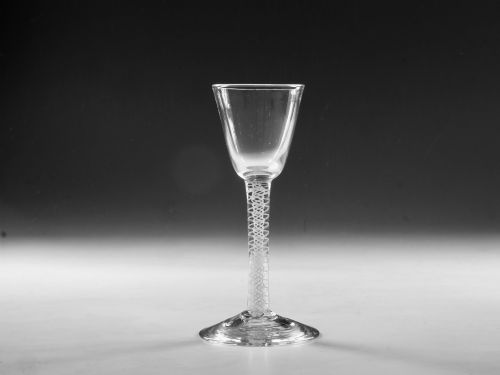
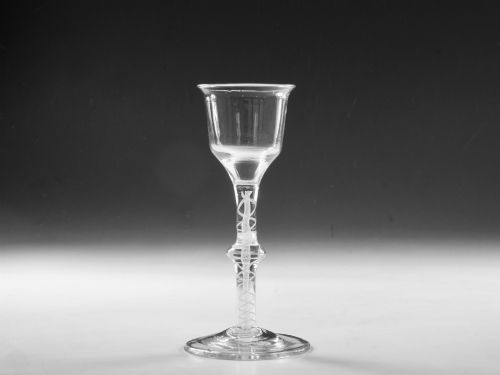
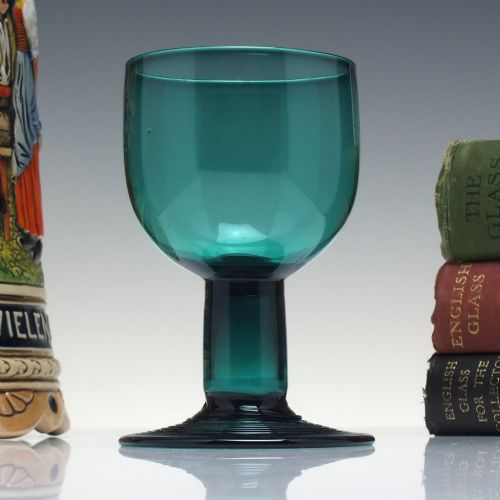
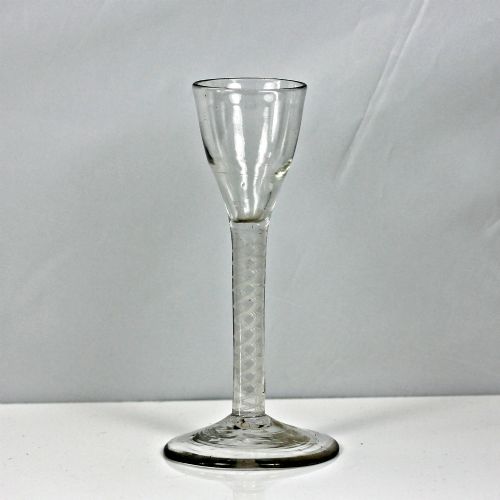
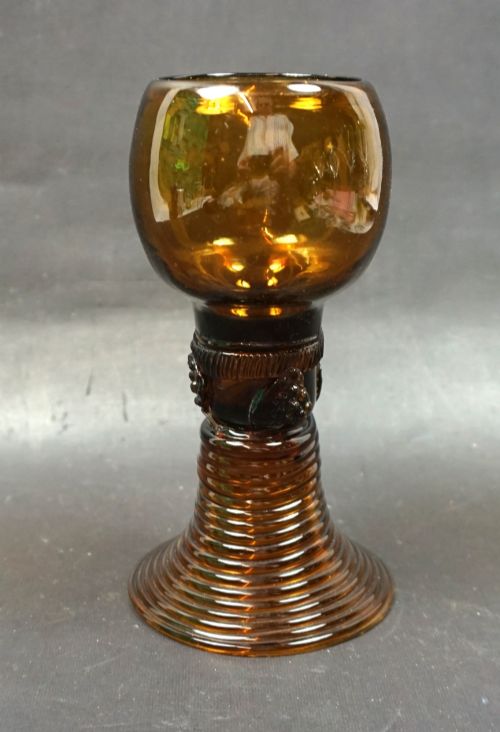
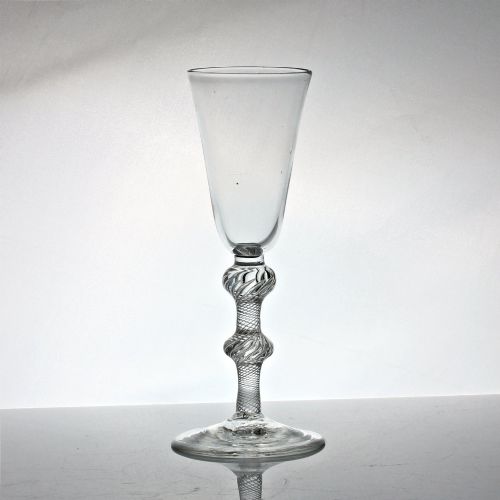
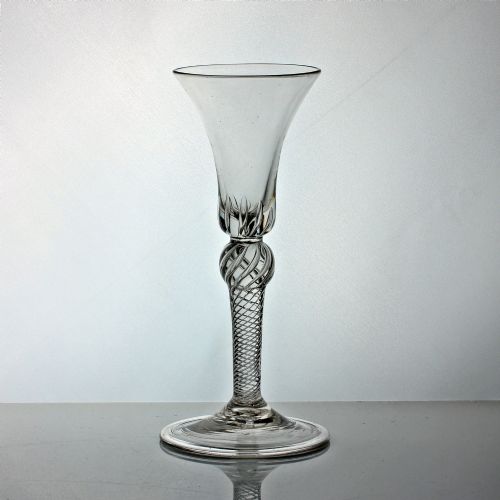
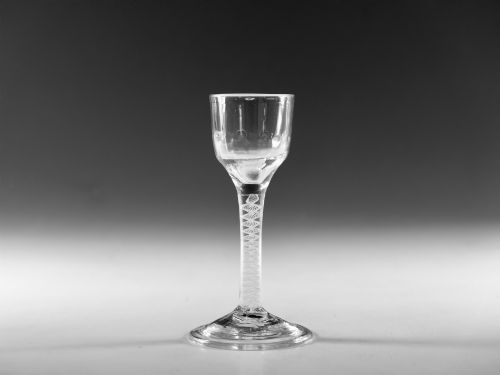
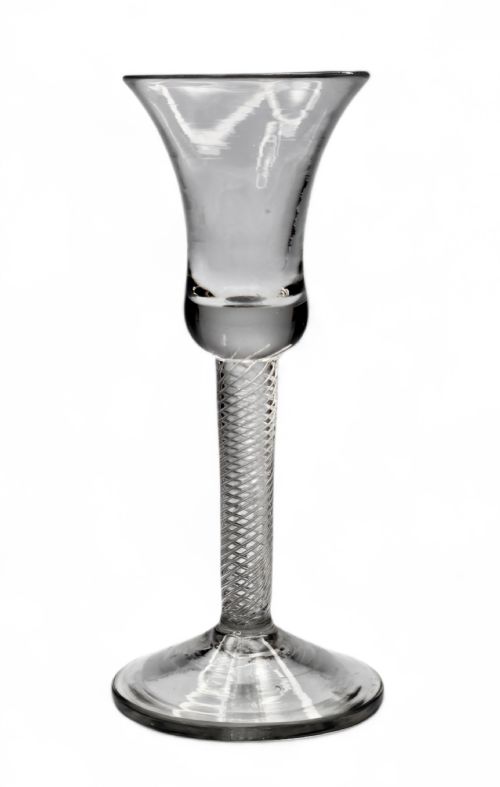
Forms range from simple plain stem goblets and dwarf ale glasses to complex creations with multi-spiral air twists, opaque twists, and mixed twists. Coloured pieces also appear, including deep green wine glasses, amber roemers, and peacock blue sets. Collectors encounter everything from delicate baluster wine glasses to heavy cut crystal bucket rummers.
How they were made
The material foundation of these pieces rests on lead glass and lead crystal, shaped primarily through hand-blowing techniques. Artisans manipulated the molten metal to form bell, trumpet, or ogee bowls, often integrating knops and folded feet for structural balance and visual weight.
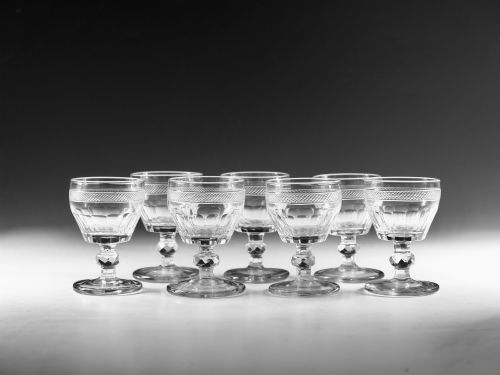
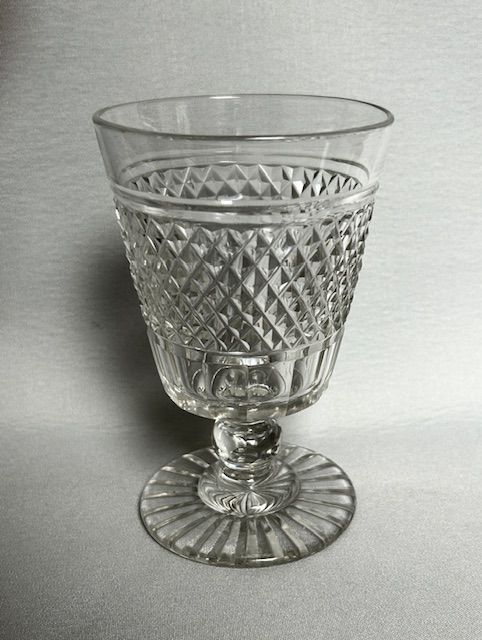
Surface treatment frequently involved wheel-cutting, seen in the distinct hobnail patterns on rummers and finger bowls, or enamel decoration. Twist stems were achieved through intricate internal glass manipulation, creating single series opaque twists or multi-spiral air twists within the molten core.
Georgian Period Glassware Retail Price Guide 2026
Typical asking prices for georgian period glassware among the pieces listed under this phrase on Sellingantiques today, from the lower quarter to the upper quarter. They describe what is for sale here now, not the wider market.
A tiny patch stand sits ready to hold the small fabric beauty spots once worn on Georgian cheeks.
What varies in quality
Clarity of the metal sets the baseline for quality, distinguishing dense, brilliant lead crystal from standard clear glass. The precision of internal stem formations, such as clean multi-spiral air twists or exact opaque threads, demonstrates the maker's technical mastery.
Depth and crispness of wheel-cutting define the finer cut crystal pieces, where facets catch the light sharply without blurring. Proportions between bowl, stem, and foot also dictate the overall elegance and balance of the vessel.
The Georgian Period Glassware Glossary
- Air twist
- A stem containing spiral channels of trapped air formed during the drawing process. These delicate optical effects define many mid-eighteenth-century English drinking vessels.
- Baluster
- A sturdy, heavy stem form reminiscent of architectural balusters, featuring pronounced swellings or knops. This style dominated earlier eighteenth-century drinking glass design.
- Opaque twist
- A stem enclosing white or coloured enamel glass threads twisted into spiral patterns. This technique became popular in English glasshouses from the mid-eighteenth century.
- Roemer
- A continental drinking vessel, typically in green or amber glass, featuring a ribbed or coiled foot and a rounded bowl. These Germanic forms appear alongside native English lead glass.
- Rummer
- A capacious drinking glass with a thick bowl, often heavily cut, sitting on a short stem and foot. They gained widespread favour during the Regency period for ale and wine.
- Folded foot
- A base edge turned under and fused back to the underside to provide extra rim strength and stability. This feature frequently appears on eighteenth-century wine and ale glasses.
Georgian Period Glassware: Frequently Asked Questions
What is lead crystal?
Lead crystal is a heavy glass containing lead oxide, which increases brilliance, weight, and refractive index.
This composition allows artisans to achieve deep, sharp wheel-cutting without compromising the structural integrity of the vessel.
How do air twists differ from opaque twists?
Air twists contain internal threads of trapped air stretched into spirals within the clear stem metal.
Opaque twists utilise solid white or coloured glass rods manipulated inside the molten metal during formation.
What are finger bowls used for?
Finger bowls are small, bowl-shaped vessels historically filled with water for rinsing fingers between courses at formal dining tables.
Regency examples often feature heavy cut crystal patterns that match other dining table glassware.
Why do some glasses have folded feet?
Makers folded the rim of the foot under to create a reinforced edge that protected the fragile base from chipping.
This practice is a frequent characteristic of eighteenth-century drinking vessels.