


Georgian Period Furniture
Georgian period furniture brings together mahogany chests, oak tables and walnut chairs shaped by eighteenth and nineteenth century makers.
Georgian Period Furniture
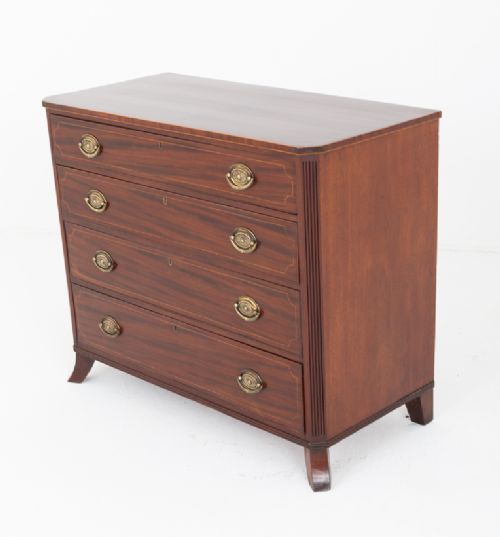
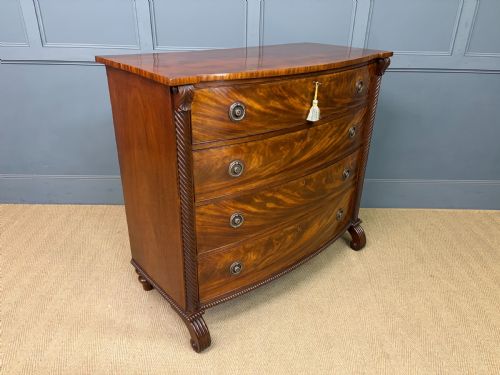
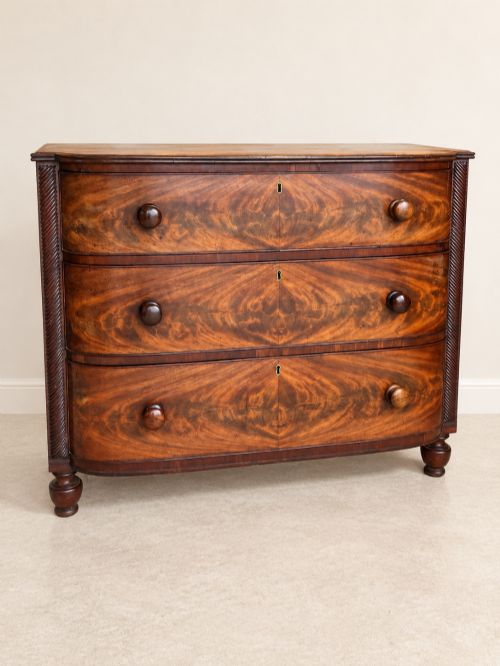
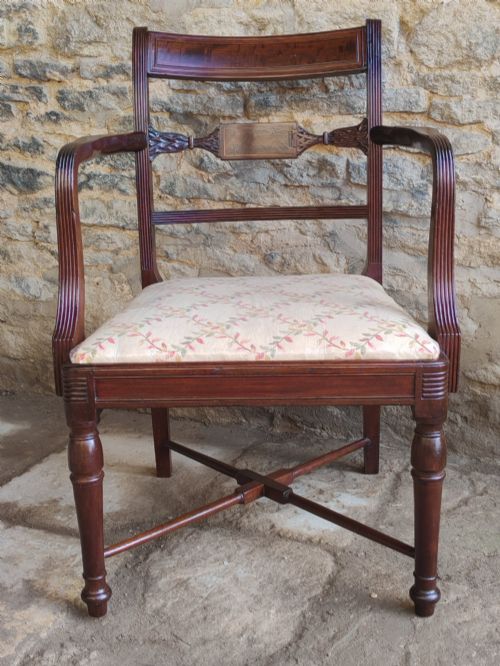
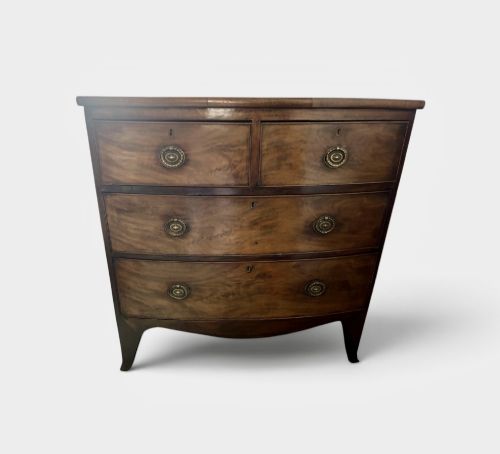
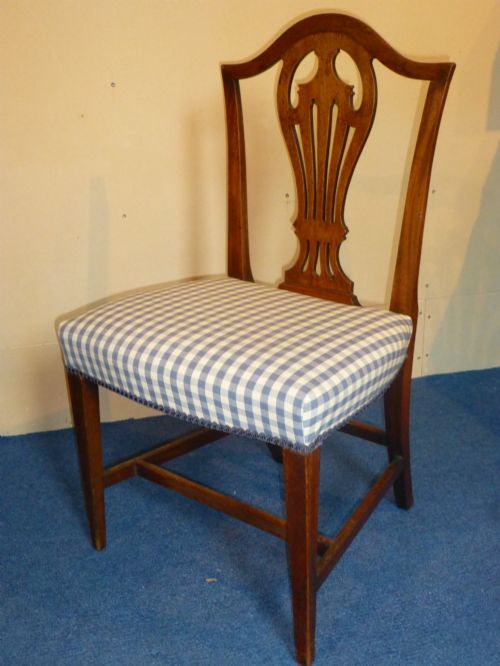
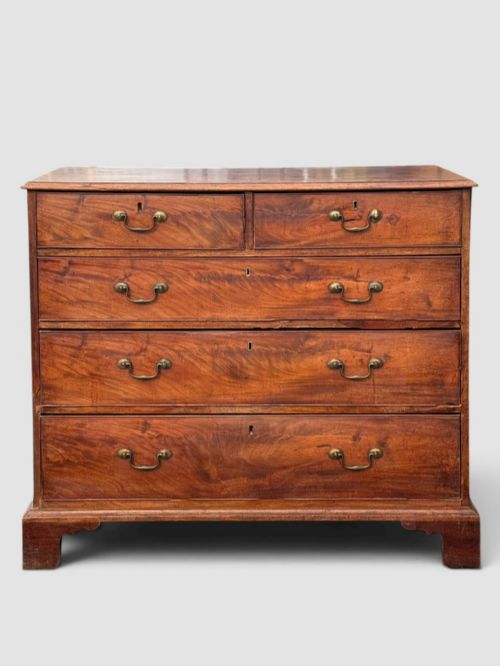
When you search for georgian period furniture, you encounter items originating from the 18th century, the Regency era and the early 19th century. The selection on this page centres heavily on chests of drawers, armchairs, occasional tables and dining chairs produced in these formative periods.
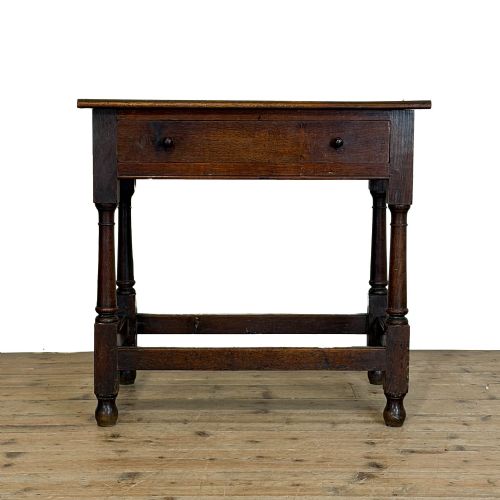
You meet variations spanning formal George III mahogany pieces to English country vernacular items in oak, elm and ash. Many examples take the form of side tables, lowboys, bookcases and sideboards intended for domestic utility.
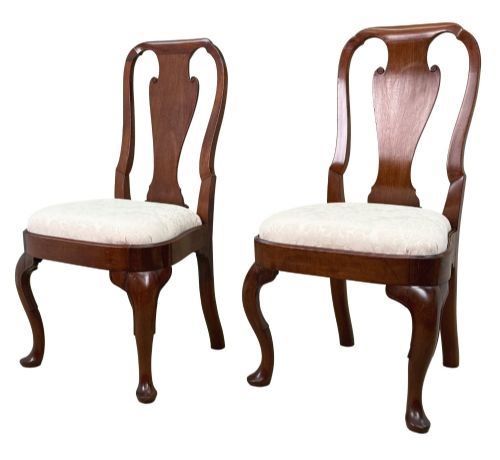
The objects stem from distinct aesthetic phases including Queen Anne, George II, George III and Sheraton styles. Walnut, mahogany and oak dominate the forms, reflecting the timber choices of the eras.
How they were made
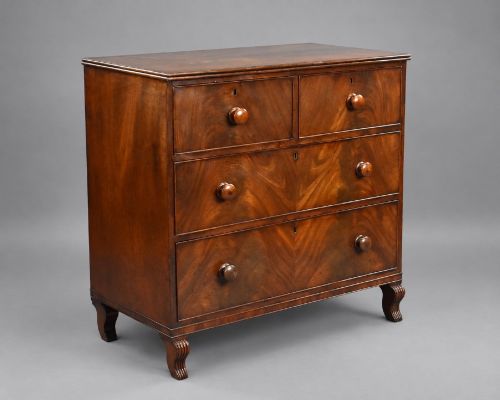
Cabinet makers utilised solid timbers alongside veneers, applying flame mahogany, figured walnut and burr elm to primary surfaces. Brass handles, brass accents and leather inserts complete the construction of drawers, desks and tables.
Joinery techniques relied on pegged frames, dovetailed drawer construction and turned stretchers as seen on cricket tables and Windsor armchairs. Secondary woods such as ash support the primary elm and oak frameworks in vernacular seating.
Georgian Period Furniture Retail Price Guide 2026
Typical asking prices for georgian period furniture among the pieces listed under this phrase on Sellingantiques today, from the lower quarter to the upper quarter. They describe what is for sale here now, not the wider market.
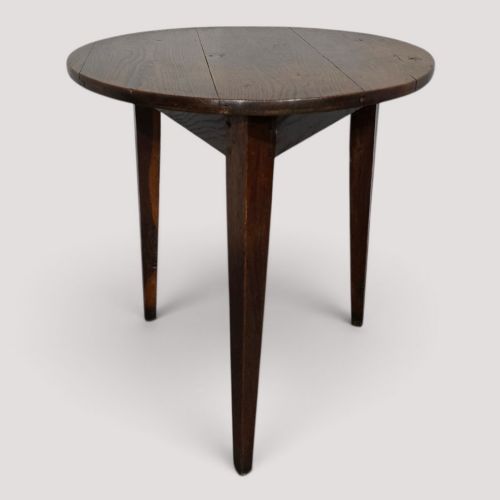
Cricket tables earned their name because their three legs resembled the wickets of the game, or simply because they stood steady on uneven tavern floors.
What varies in quality
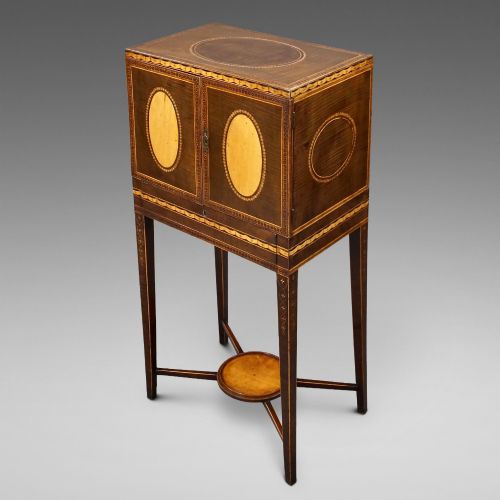
The grade of timber grain dictates much of the visual merit, distinguishing plain boards from highly figured mahogany, burr walnut and birdseye maple veneers. Finer pieces demonstrate restraint in inlay work, such as harewood details on cabinets.
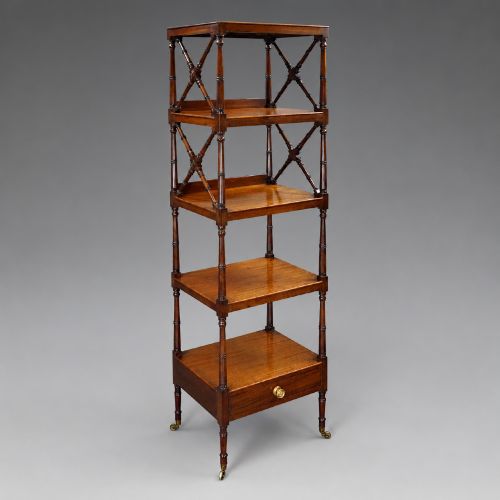
Proportion and structural integrity separate standard utility items from works of notable design, such as a George III whatnot of unusual form or a crinoline stretcher Windsor armchair.
The Georgian Period Furniture Glossary
- Cricket table
- A small, three-legged occasional table typically constructed from oak during the 18th century. These utility tables often feature circular tops supported by raked legs.
- Lowboy
- A small side table with drawers, frequently constructed from walnut or burr elm during the George II period. They served various domestic functions in bedchambers and parlours.
- Linen press
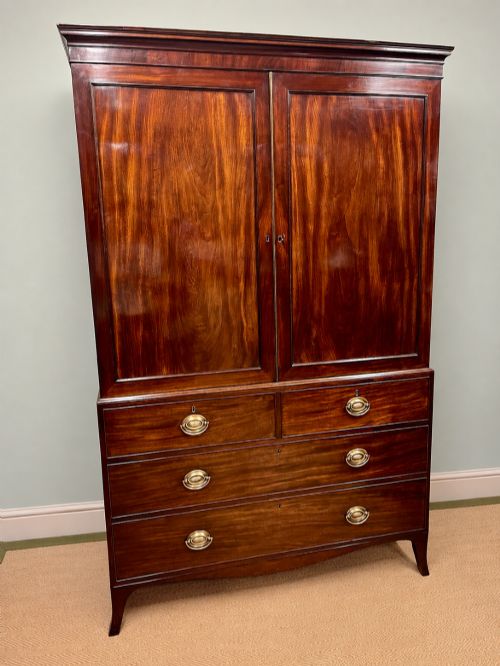
- A tall piece of case furniture designed for storing textiles and garments, often enclosed by panelled doors above a chest of drawers base. Regency examples frequently utilise mahogany.
- Canterbury
- A low, partitioned stand designed for holding sheet music, books or portfolios, commonly mounted on castors during the Regency period.
- Windsor armchair
- A wooden seating form featuring a hooped back and turned spindles socketed into a solid carved seat. Elm and ash represent the typical timbers used in West Country examples.
Georgian Period Furniture: Frequently Asked Questions
What defines georgian period furniture?
Georgian period furniture encompasses pieces produced during the reigns of the Georges, stretching from the early 18th century through the Regency era. The style ranges from early walnut designs to later mahogany and satinwood pieces.
Craftsmanship during this span evolved from heavy, sculptural walnut forms to refined mahogany case pieces and delicate Sheraton occasional tables.
How do I identify a lowboy?
A lowboy is a small table equipped with one or more rows of drawers beneath the work surface. They typically stand on four legs and date from the 18th century.
Cabinet makers constructed them in walnut, oak and mahogany, using them primarily as dressing tables or auxiliary surfaces.
What is an 18th century cricket table?
A cricket table is a light, three-legged circular table dating mostly to the 18th century. The three-legged design provided stability on uneven cottage floors.
Most surviving examples feature simple oak construction with round tops and triangular underframing.
How should I care for antique mahogany furniture?
Antique mahogany benefits from consistent indoor humidity and protection from direct sunlight to preserve the rich timber tone. Regular dusting with a dry lint-free cloth maintains the polished surface.
Avoid placing these items near direct heat sources which can cause timber shrinkage and veneer separation.