
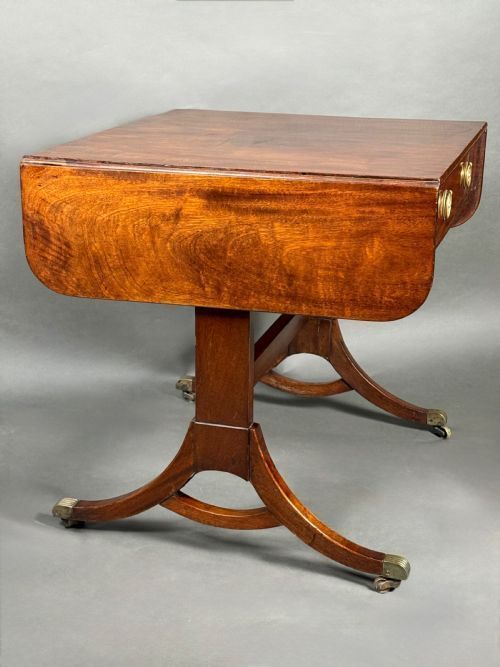
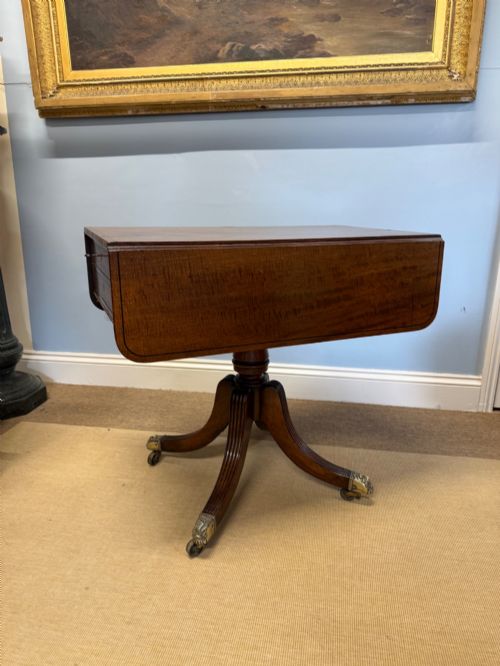
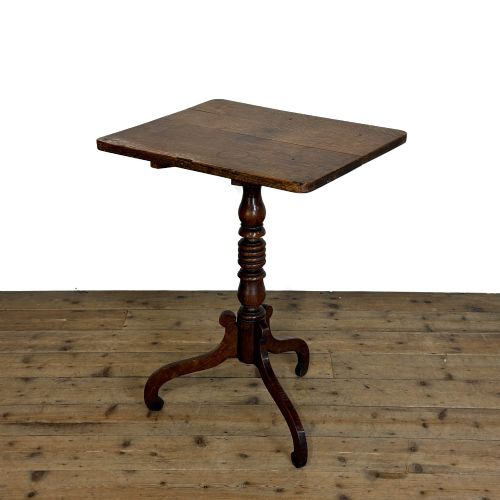
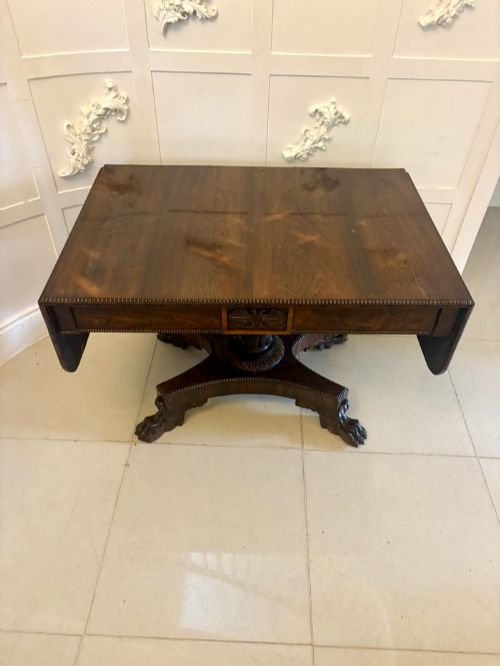
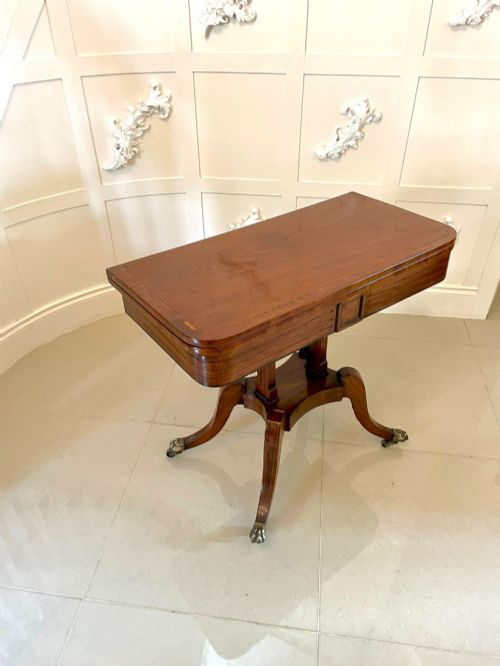
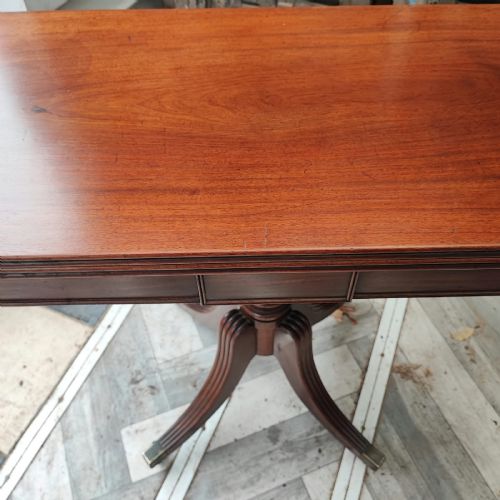

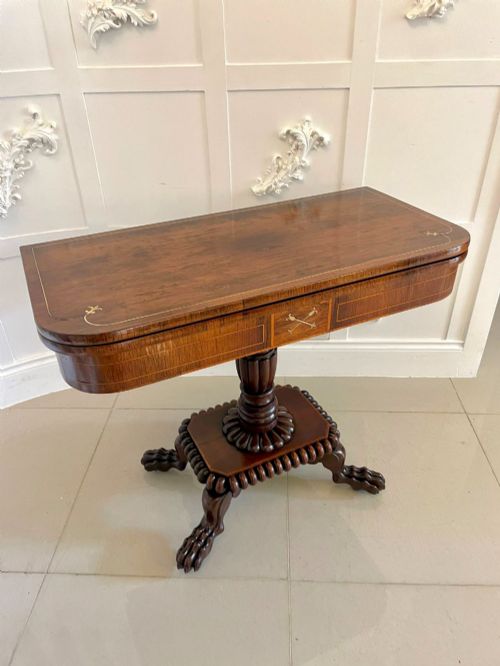
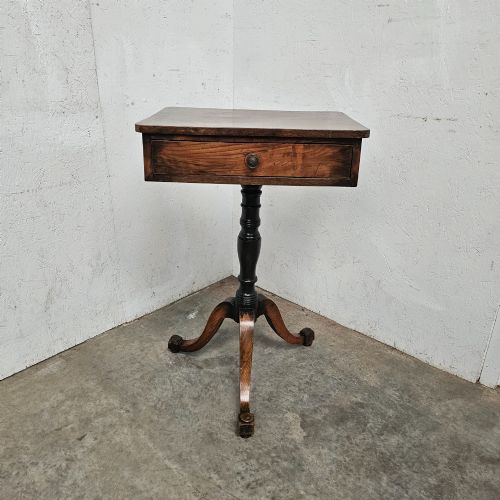
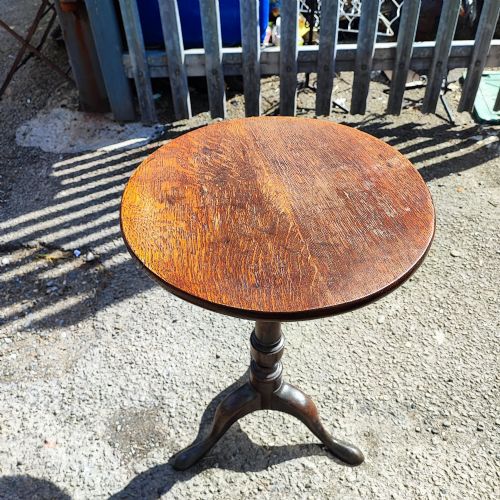
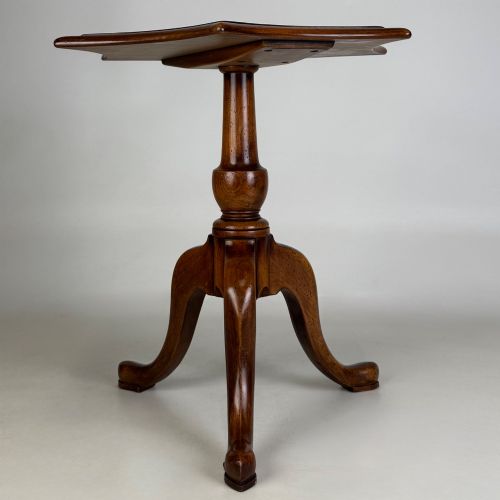
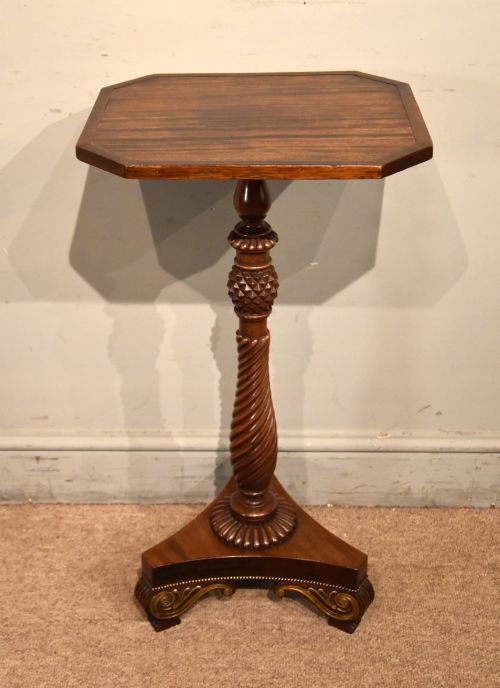
Georgian Pedestal Side Table
A georgian pedestal side table brings compact elegance to a room, offering a sturdy central pillar and a practical surface for daily use.
Georgian Pedestal Side Table
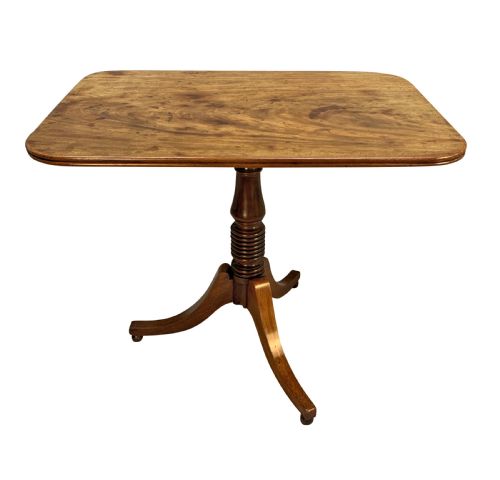
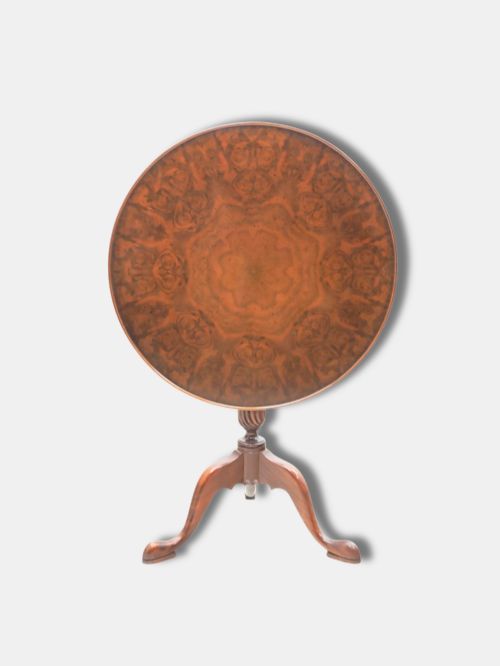
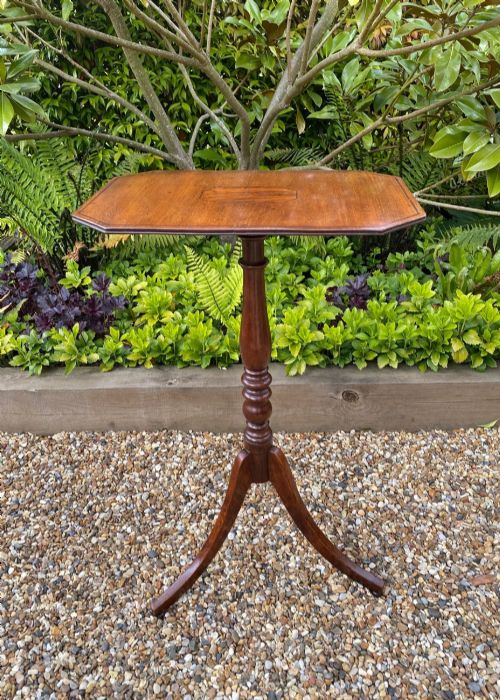
A georgian pedestal side table spans forms from tilt-top wine tables and tripod lamp stands to card tables and drum tables. These pieces serve as versatile furniture for holding small items, drinks, or books beside seating.
The selections here range across authentic Georgian and Regency periods, alongside later revivals from the Edwardian era and the twentieth century. Mahogany and oak appear frequently, joined by rosewood and walnut in finer examples.
Buyers meet both original period antiques and later interpretations built in the Georgian design. Tripod bases with three legs and tilt-top mechanisms dominate the smaller tables on this page.
How They Were Made
Cabinetmakers utilised solid timbers such as mahogany, oak, elm, and fruitwood, often selecting figured veneers and flame mahogany for prominent surfaces. Brass inlay, leather panels, and hand-carved details accent certain tables.
Construction relies on stable tripod bases joined to turned central pedestals, frequently featuring tilt-top mechanisms for storage convenience. Joinery techniques include dovetails and sturdy box framing for drawers on card and bedside tables.
Georgian Pedestal Side Table Retail Price Guide 2026
Typical asking prices for georgian pedestal side table among the pieces listed under this phrase on Sellingantiques today, from the lower quarter to the upper quarter. They describe what is for sale here now, not the wider market.
Ladies hobby tables provided dedicated compartments for sewing needles and threads, keeping embroidery out of sight when unexpected callers knocked.
What Varies in Quality
The grain figure and selection of timber set baseline quality, with rich flame mahogany and figured rosewood commanding greater attention than plain woods. Crispness in carved tripod legs and brass inlay work distinguishes finer workshop output from simpler output.
Proportion and stability matter greatly in pedestal tables, where the balance between the central pillar and the leg spread ensures structural integrity. Original tilt-top catches and well-preserved patination on the wood surfaces elevate the standing of a piece.
Gillow
The Georgian Pedestal Side Table Glossary
- Tilt-top table
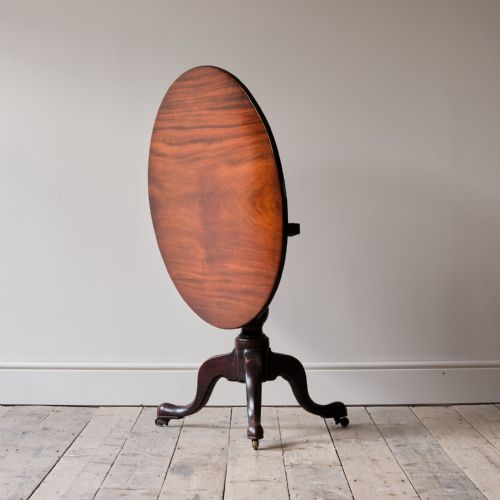
- A table with a mechanism allowing the top to pivot vertical for storage against a wall when not in use. This clever design saves space in smaller rooms.
- Tripod table
- A small freestanding table supported by a central pillar resting on three legs. These versatile pieces appear frequently as wine and occasional tables.
- Flame mahogany
- Timber cut from the fork of the mahogany tree to create a distinctive flickering flame pattern. Cabinetmakers reserved this decorative veneer for prominent table tops.
- Drum table
- A circular library or side table featuring a deep frieze with drawers, resembling the shape of a drum. They typically stand on a single heavy pillar and splayed legs.
- Pie crust rim
- A raised, carved edge on a tabletop shaped with undulating curves resembling pastry work. This decorative flourish appears on finer tripod and occasional tables.
Georgian Pedestal Side Table: Frequently Asked Questions
What is a tilt top table used for?
A tilt top table served as a versatile surface for holding drinks, candles, or books during the evening. When not in use, the mechanism allowed the top to pivot upright so the table could tuck away flat against a wall.
This space-saving design made them practical for sitting rooms and parlours where floor space was valuable.
How do I identify a Regency pedestal table?
Regency pedestal tables typically date from the early nineteenth century and often feature dense mahogany or rosewood timbers. Look for architectural influences, sabre legs, and occasional brass inlay or carved details.
They reflect a formal aesthetic that developed from the earlier Georgian styles.
Where should I place a side table?
These compact tables fit easily beside armchairs, sofas, or beds to hold lamps, reading material, or drinks. Their central pedestal design means chair legs can tuck around the base without interference.
They also work well in corners or narrow hallways as accent display surfaces.
Are Edwardian tables authentic antiques?
Edwardian tables date from the early twentieth century and represent revivals of earlier Georgian and Regency designs. While they are antiques, they belong to a later period than the original eighteenth-century pieces.
Craftsmen of this era often utilised mahogany, walnut, and satinwood to replicate classic proportions.