


Georgian Painted Settle
A georgian painted settle is a timber bench built for warmth in draughty rooms, combining rustic utility with regional artistry.
Georgian Painted Settle
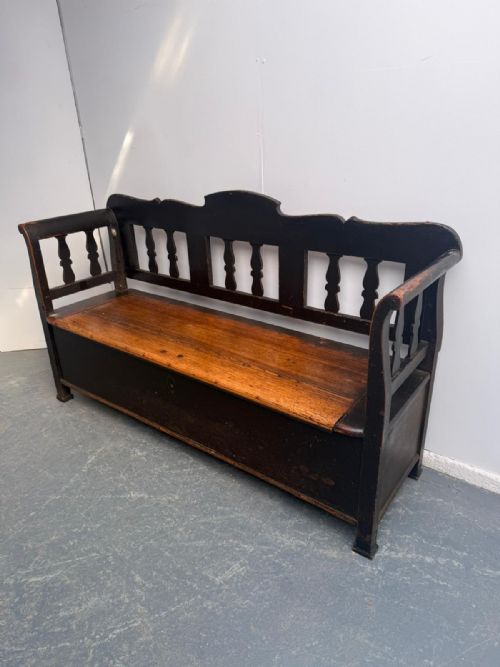
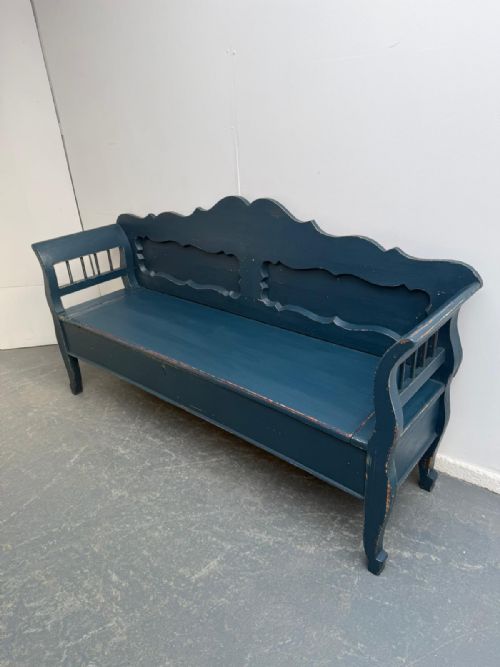
When you search for a georgian painted settle, you encounter heavy timber seating designed to block cold draughts in old hallways and kitchens. These sturdy benches range from high-backed tavern seating to enclosed barrel backs and convertible chair tables.
The pieces you meet most often on this page hail from English and Welsh country workshops, alongside examples originating in Hungary, the Netherlands, and Cumbria. Pine forms the primary body of these works, complemented by painted surfaces and occasional iron hardware.
Makers shaped these settles for communal spaces, often incorporating high backs to trap heat from hearth fires. Vernacular styles dominate the selection, spanning English country, Welsh vernacular, and European folk art traditions.
How they were made
Joiners constructed these seats primarily from solid pine and timber planks, utilising pegged mortise and tenon joints to withstand heavy daily use. Iron fittings reinforced the structural joints on tavern benches and large storage forms.
Workers applied layers of paint directly onto the wood, ranging from plain blue and black finishes to decorative scumble techniques and gilded accents. Many survivors retain their original painted surfaces, preserving the weathered hues applied generations ago.
Some Cumbrian settles carry carved witch motifs on their woodwork, added by superstitious makers to ward off malevolent spirits from the household.
What varies in quality
The distinction between ordinary utility benches and superior examples rests in the preservation of original paint and the sophistication of regional form. Pieces featuring untouched early pigment and harmonious proportions command greater interest than those stripped down or heavily refinished.
Construction details such as panel thickness, integrated storage compartments, and unusual structural variations like barrel backs elevate individual settles. The integrity of the timber frame and the character of the regional vernacular style define the standing of each piece.
The Georgian Painted Settle Glossary
- Settle
- A wooden bench with a high back and solid arms, designed to shield occupants from draughts. These seats often incorporate storage space beneath the hinged seat.
- Scumble
- A decorative painting technique where a translucent glaze is dragged or manipulated over a base coat to imitate grain or texture. This finish appears frequently on primitive country furniture.
- Barrel back
- A curved, enclosed bench back that wraps around the sitter to trap heat from a fireplace. This form offers maximum protection against cold air currents in large rooms.
- Vernacular
- Everyday furniture built by local craftsmen using regional traditions rather than high-style academic designs. These pieces reflect the specific material availability and lifestyle needs of their local area.
- Chair table
- A convertible piece of furniture featuring a large back that tilts down on pivots to form a table top. This dual-purpose design served small domestic spaces where floor area was at a premium.
Georgian Painted Settle: Frequently Asked Questions
Where were settles used?
These benches were placed in domestic kitchens, farmhouses, and public taverns where heating was difficult to maintain. Their high backs and solid sides acted as windbreaks in large, draughty rooms.
In modern settings, they function effectively in hallways, large dining areas, or against plain walls where their historic presence can be fully appreciated.
How do I care for original paint?
Preserving original painted surfaces requires stable indoor humidity and protection from direct sunlight, which can fade or crack aged pigments. Dusting with a dry, soft cloth is sufficient for routine maintenance.
Avoid using modern chemical cleaners, harsh solvents, or abrasive polishes on historic paintwork. Gentle handling preserves the fragile layers of historic colour.
Are all settles made from pine?
Pine is the predominant timber found in these listings, utilised extensively by country joiners for its availability and workability. Other timbers like mahogany appear occasionally in more formal nineteenth-century seating.
The wood was rarely left bare, receiving protective and decorative coats of paint, scumble, or occasionally gilded accents depending on the maker's regional tradition.