


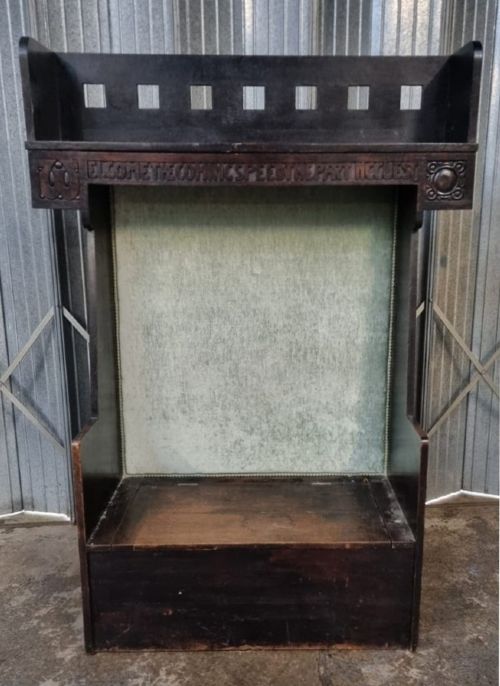

Country House Wooden Bench
A country house wooden bench brings robust utility and vernacular character to an interior.
Country House Wooden Bench
When you search for a country house wooden bench, you encounter sturdy seating designed for practical use in domestic and estate settings. The selection spans the eighteenth century through to the early twentieth century, taking in Victorian and Edwardian examples alongside earlier Georgian pieces.
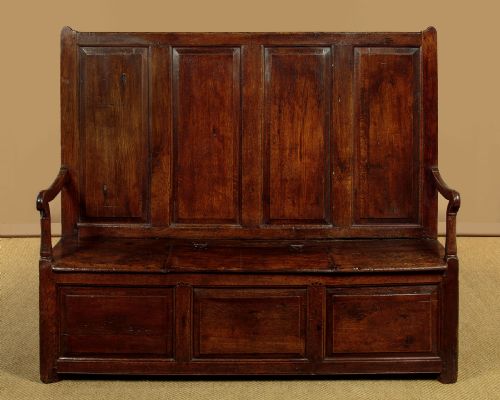
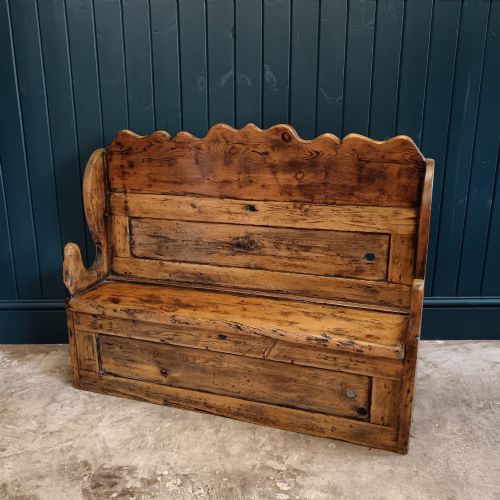
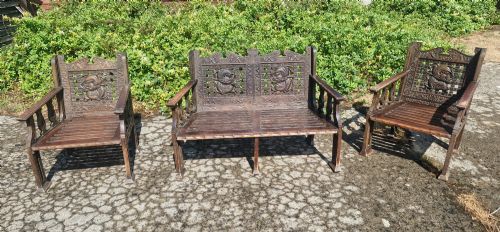
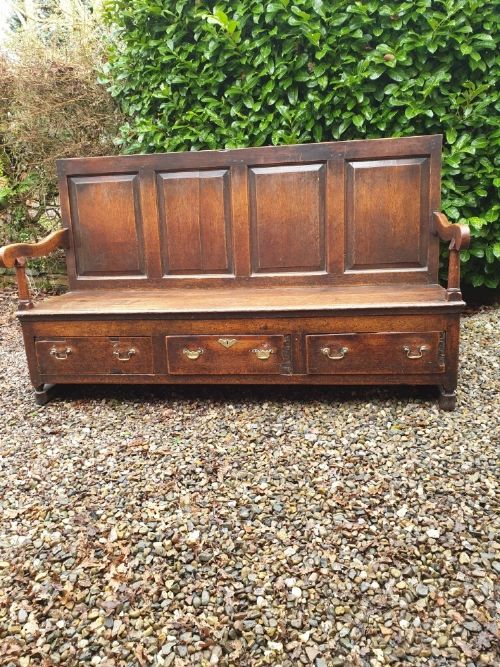
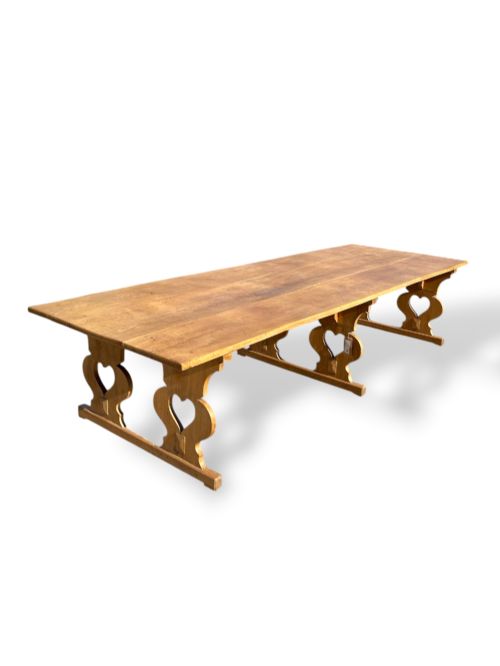
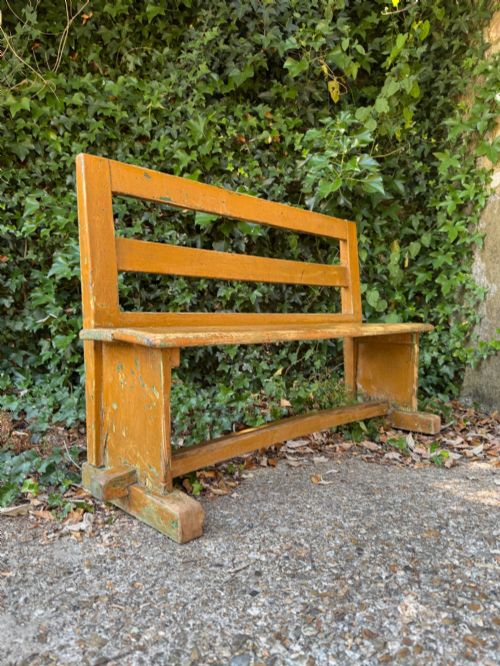
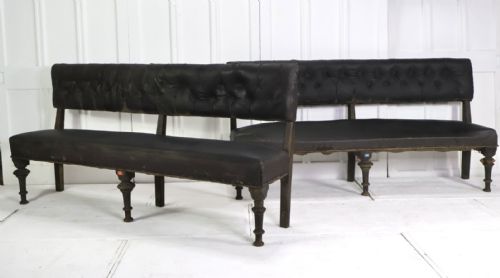
The most common forms on this page include traditional settles, long dining benches, slim hallway seating, and box settles with enclosed storage. Many pieces reflect regional British and continental traditions, constructed for domestic halls, kitchens, and boot rooms.
Makers and workshops across these periods relied on local vernacular designs rather than strict metropolitan pattern books. This results in varied seating heights and back heights, shaped to suit specific domestic tasks within large houses.
Quality and proportion
The standard of a country house wooden bench depends heavily on the integrity of its timber and the retention of its original surface. Pieces retaining early paint, rich natural patination, and undisturbed structural framing stand at the upper end of the range.
Proportion and scale also dictate quality, with longer dining benches and high-backed box settles demanding particular structural balance. Altered dimensions, replaced floor-facing timber feet, or stripped historic finishes reduce the integrity of the piece.
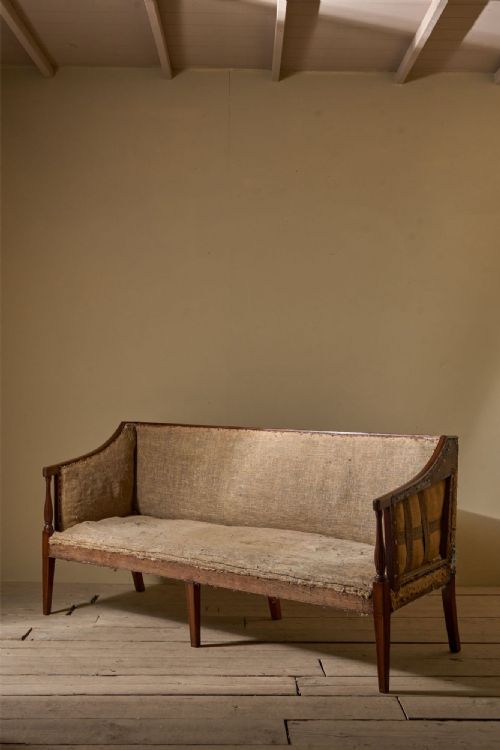
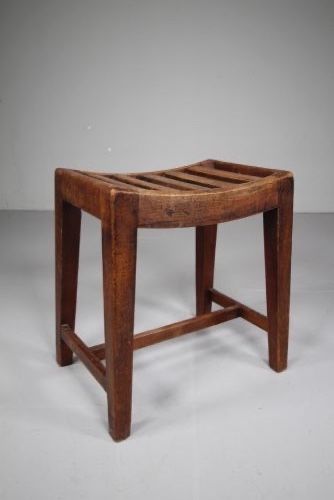
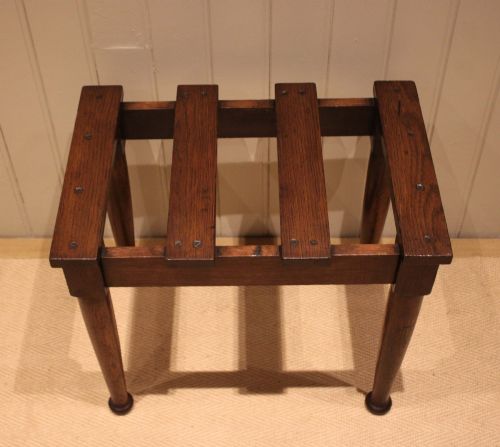
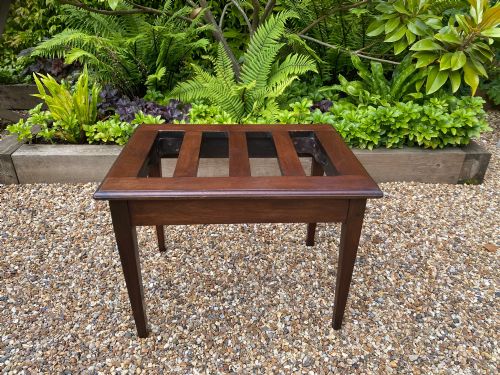
Listings feature eighteenth and nineteenth-century pieces constructed from oak, pine, elm, and ash, encompassing regional settles, benches, and luggage stands.
The Country House Wooden Bench Glossary
- Box settle
- A high-backed wooden bench featuring a storage compartment beneath the seat. This form kept occupants sheltered from draughts in large open halls.
- Patina
- The surface sheen and colour developed by wood through age, handling, and wear. It indicates the length of time a piece has existed in active service.
- Vernacular
- Furniture made by local regional joiners using traditional methods and local materials rather than high-style academic designs. These pieces reflect specific domestic requirements of an area.
- Upstand
- A vertical wooden barrier rising above the rear of a piece to protect walls from wear. This feature appears on luggage stands and benches.
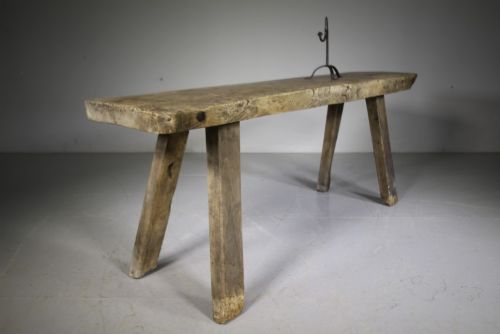
- Pig bench
- A low wooden bench traditionally utilised in rural domestic contexts. Surviving examples now frequently serve as coffee tables.
Country House Wooden Bench: Frequently Asked Questions
What is a box settle?
A box settle is a high-backed wooden bench with a built-in storage compartment beneath the seat pan. The high back and solid arms were originally designed to block cold draughts in large stone hallways.
Over time, the integrated box provided secure storage for household textiles, boots, or firewood. They served a dual purpose as both primary seating and functional storage furniture.
Where should I place a hallway bench?
A slim hallway bench fits well in narrow entrance passages, boot rooms, or transitional spaces. Their shallow depth allows them to provide seating without blocking movement.
Ensure you measure the available floor space and clearance for any nearby doors. They offer a practical spot for putting on footwear while establishing a period character at the entrance of a house.
How do I care for antique pine furniture?
Antique pine and scrubbed wooden surfaces require minimal moisture and stable indoor humidity. Dust them regularly with a dry cloth and avoid placing them near direct heat sources.
Wax finishes can be maintained with traditional beeswax applied sparingly. Avoid harsh chemical cleaners that strip the historic surface patination.
How do I tell an 18th-century bench from a Victorian one?
Eighteenth-century benches often display hand-cut joinery, pegged construction, and deeper patination acquired over centuries of use. The timber selection typically reflects regional hardwoods like oak and elm.
Victorian pieces frequently show machine-sawn components, different fastening methods, and sometimes softer woods like pine. Examining the underside and the nature of the wear helps distinguish between the two periods.