
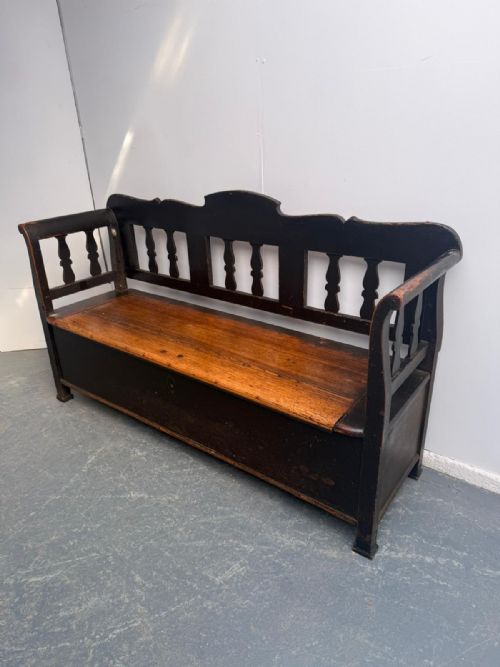
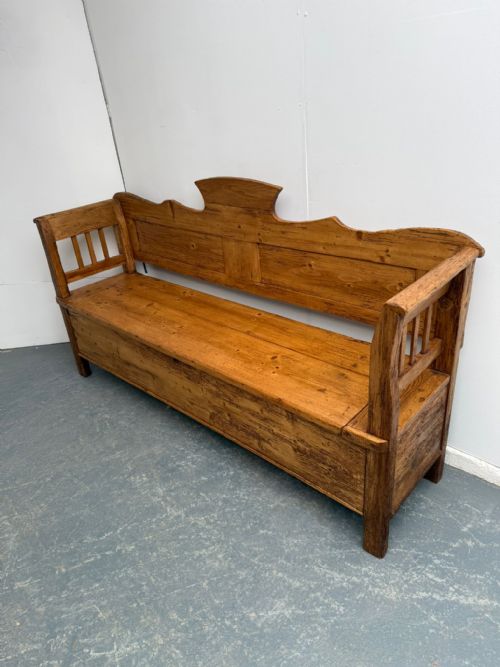
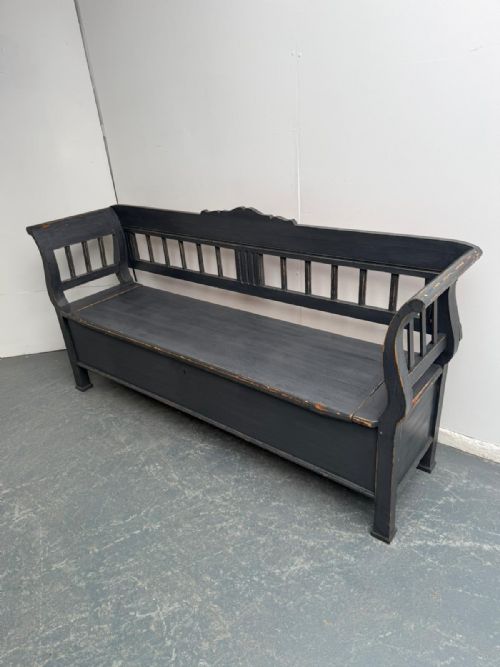

Traditional Wooden Bench Box
Traditional wooden bench box designs combine seating and concealed storage, emerging across the centuries in heavy timbers and painted finishes.
Traditional Wooden Bench Box
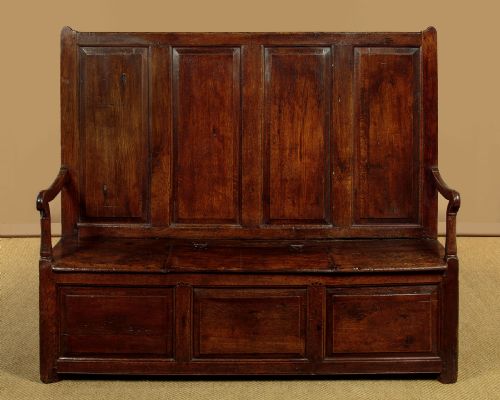
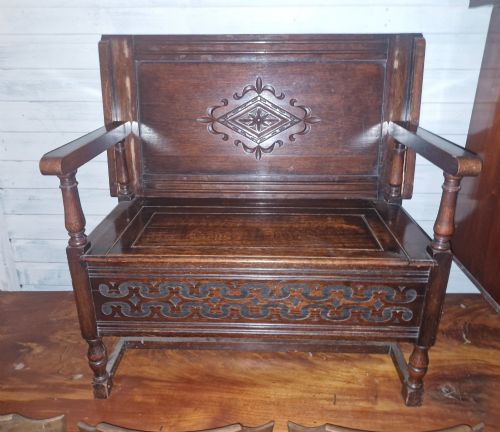
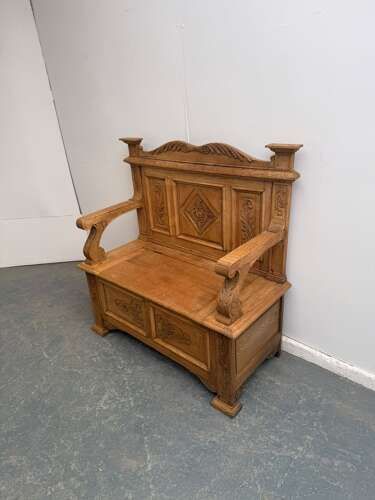
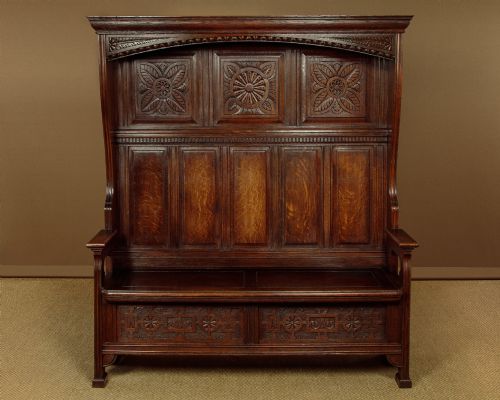
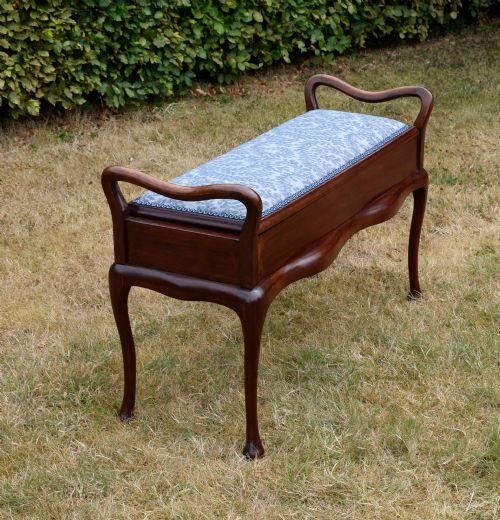
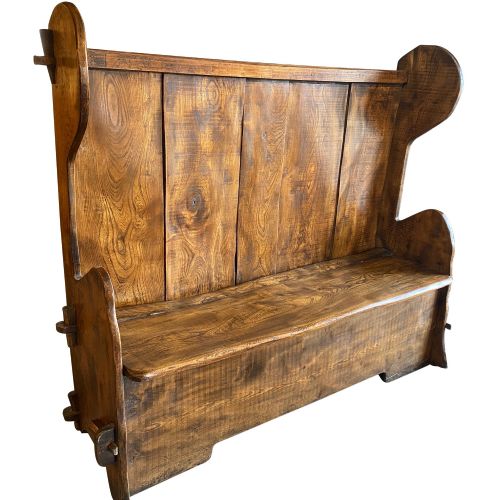
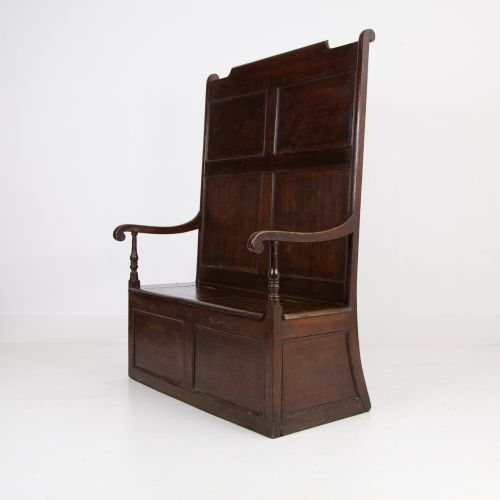
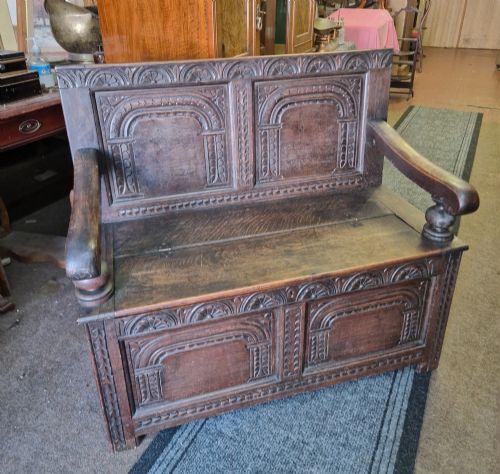
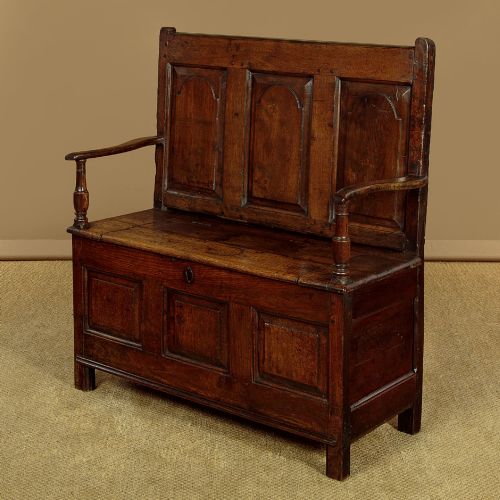
A traditional wooden bench box primarily takes the form of a box settle or hall seat, providing a high-backed seat above a concealed chest compartment. These functional items appear in forms ranging from compact two-seater hall seats to substantial three-seater and four-seater versions designed for domestic utility.
The evidence shows robust domestic seating originating from domestic and provincial workshops across Britain and continental Europe. Examples span multiple eras, with pieces attributed to the eighteenth century, the nineteenth century, and early twentieth-century revivals.
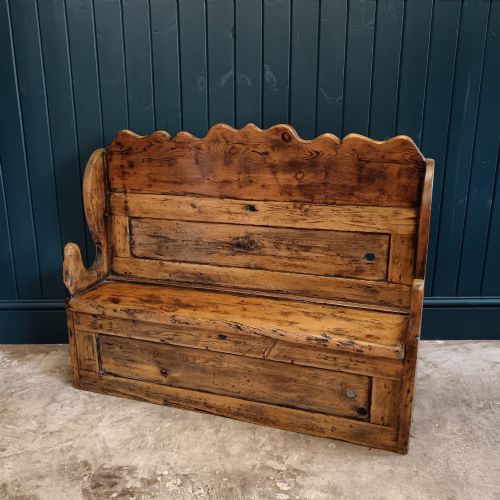
Makers utilised resilient local timbers, producing heavy forms intended for daily hallway, kitchen, or communal room use. The surviving items encompass panelled oak construction alongside scrubbed and painted pine variants.
Materials and construction
Makers relied heavily on native hardwoods and softwoods, predominantly selecting oak, elm, and pine for structural integrity. Oak and elm provided durable framing for eighteenth-century chests and settles, while pine accommodated painted surfaces on nineteenth-century pieces.
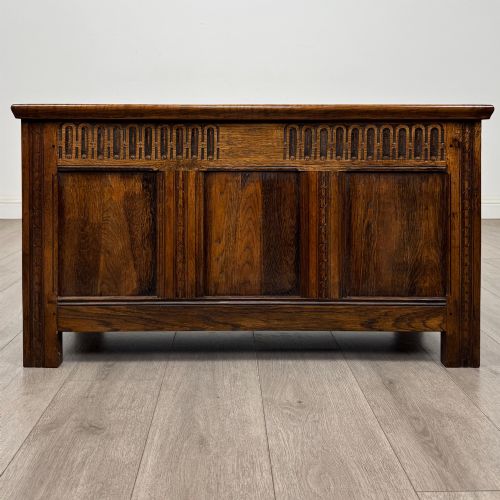
Joinery methods involved sturdy pegged tenons, panelled construction, and robust six-plank assemblies designed to withstand heavy everyday loads. Many examples incorporate lift-up lids, hinged seats, or fold-over tops to secure internal storage compartments.
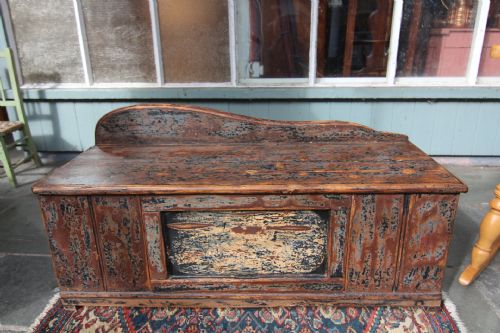
Surface treatments vary between waxed finishes that highlight natural wood grains and applied historical paint schemes in grey, black, cream, and green. Iron hardware such as hinges and locks reinforced the heavy timber lids and boxes.
Listings feature structural timbers including solid oak, elm, and pine, alongside decorative elements like carved panels and historic painted finishes.
Assessing quality
Quality rests upon the integrity of the original timber framing, the retention of authentic structural joinery, and the condition of the integrated storage box. Pieces featuring thick, uncompromised solid oak or dense elm boards represent sturdier construction than lighter alternatives.
The survival of original surface treatments, whether a deeply patinated wax or early layers of decorative paint, distinguishes superior examples. Alterations to lift-up seats, replaced floorboards within the storage cavity, or later hardware adjustments alter the physical integrity of the piece.
The Traditional Wooden Bench Box Glossary
- Box settle
- A high-backed wooden bench featuring an enclosed storage compartment beneath the seat. This form sheltered users from draughts in older hallways and kitchens.
- Settle
- A wooden bench with solid arms, a high panelled back, and often enclosed sides. It served as principal seating before upholstered armchairs became common.
- Mule chest
- A storage chest or coffer featuring one or more drawers built into the base beneath the main compartment. They bridge the design gap between simple blanket chests and full drawer units.
- Six-plank chest
- An early storage box constructed from six distinct timber boards joined edge-to-edge with pegged or nailed butt joints. It represents one of the oldest surviving forms of domestic furniture.
- Bacon settle
- A specialised regional settle incorporating high panelled backs fitted with ceiling hooks or internal compartments traditionally used for curing and storing meat.
Traditional Wooden Bench Box: Frequently Asked Questions
What is a traditional wooden bench box?
A traditional wooden bench box is a dual-purpose item of furniture combining an upright bench seat with a built-in chest for household storage. These pieces were historically placed in hallways, kitchens, and communal rooms to save space and store blankets or provisions.
Surviving examples range from eighteenth-century oak settles to painted pine variants from the nineteenth century. They remain practical additions for modern entryways requiring concealed shoe or coat storage.
Where were these benches used?
Historically, these seating units stood near hearths or in entrance halls to block cold drafts while providing a convenient place to sit. Their deep box bases kept textiles, garments, and household goods safe from dampness and dust.
Today, they function well in hallways, boot rooms, and large kitchens as practical seating with discreet storage capacity. Their robust timber construction suits high-traffic household areas.
How do I care for waxed or painted wood?
Waxed wooden surfaces require occasional applications of natural beeswax to nourish the timber and maintain a soft lustre. Avoid placing these pieces near direct heat sources or strong sunlight, which can dry out ancient pine and oak.
Painted variants benefit from gentle dusting with a dry cloth and should be kept away from excessive moisture. Preserving the existing surface finish maintains the historical character of the piece.
How can I tell the age of a wooden settle?
Dating relies on examining construction techniques, tool marks, timber shrinkage, and the style of any carved panelling. Early eighteenth-century and seventeenth-century pieces typically feature hand-rived oak, pegged joints, and heavy panel construction.
Later nineteenth-century and Edwardian examples often utilise machine-sawn pine or mahogany, showing different fastening methods and revival decorative motifs. Comparing the hardware and joinery helps determine the period of origin.