




Georgian Oval Gilt Mirror
A georgian oval gilt mirror brings warmth and elegance to a room, offering refined proportions and reflective light through traditional craftsmanship.
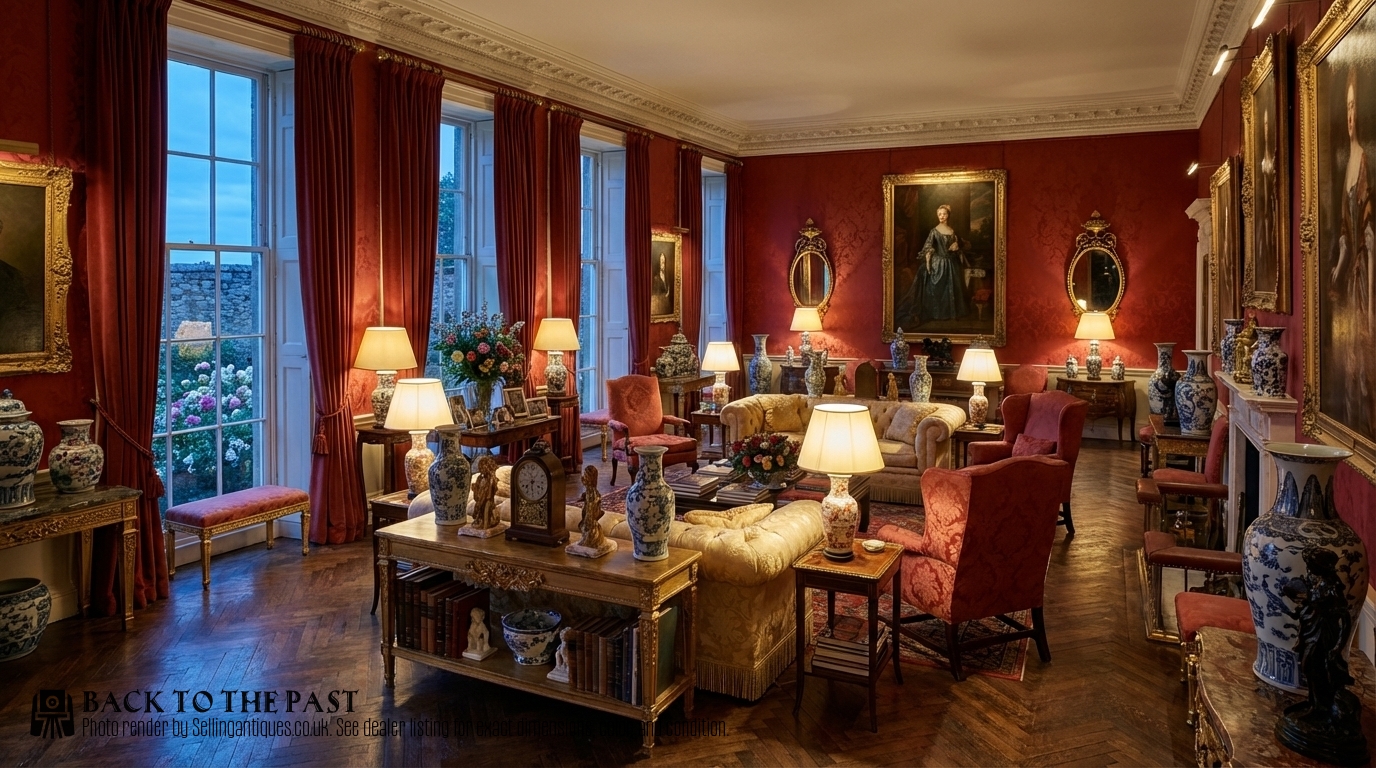
Georgian Oval Gilt Mirror
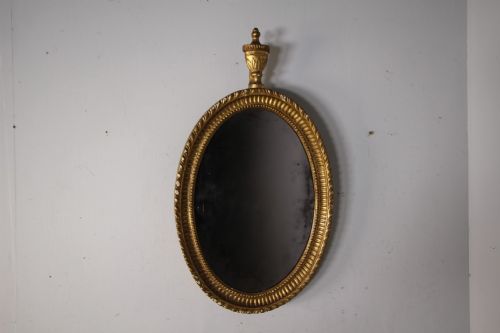
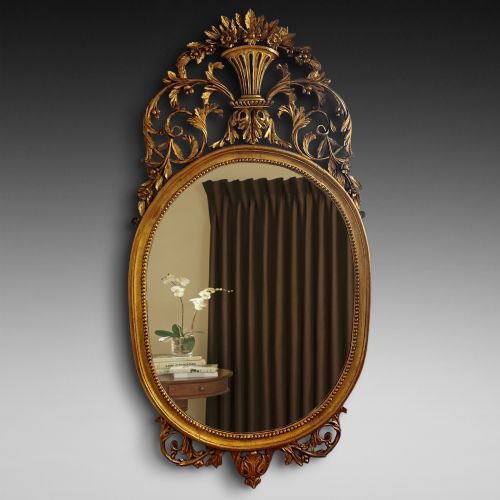
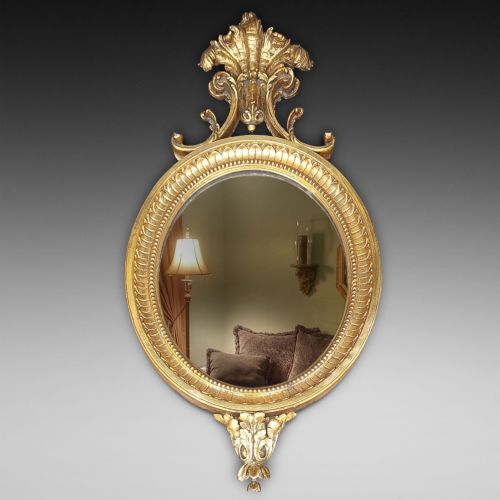
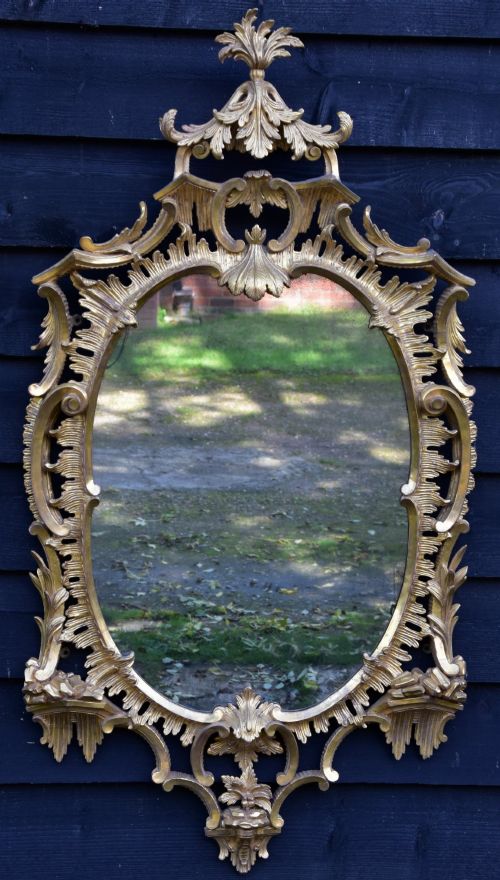
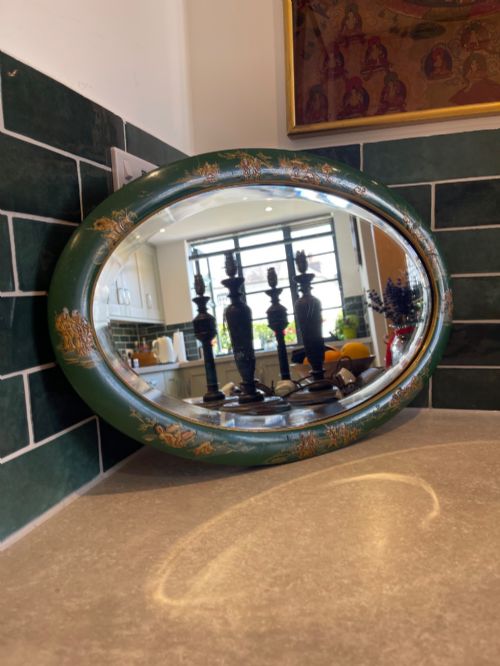
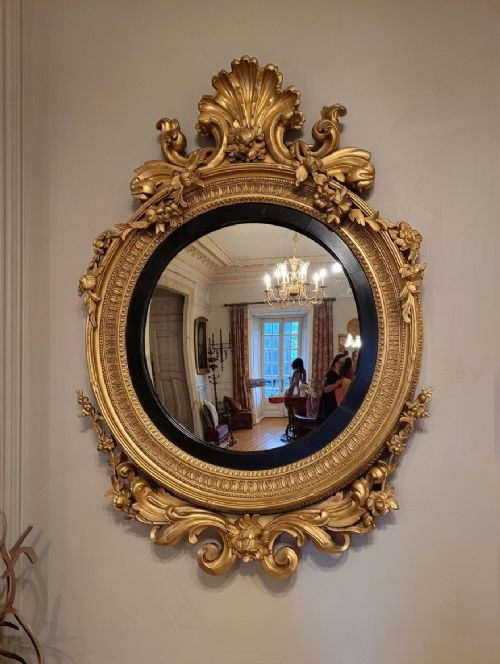
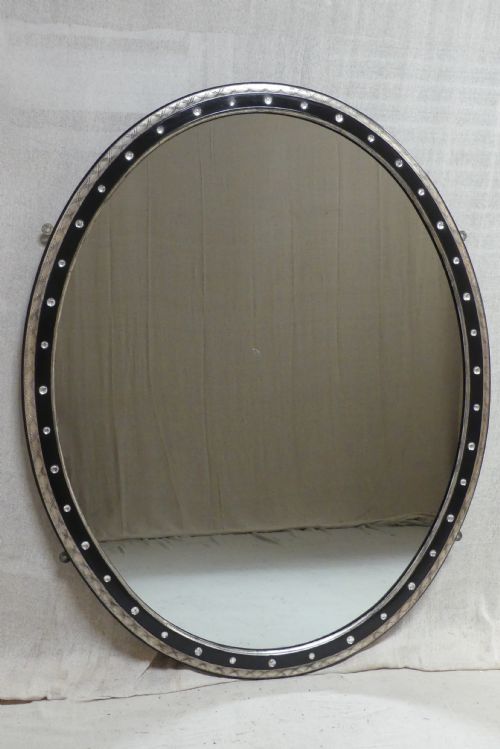
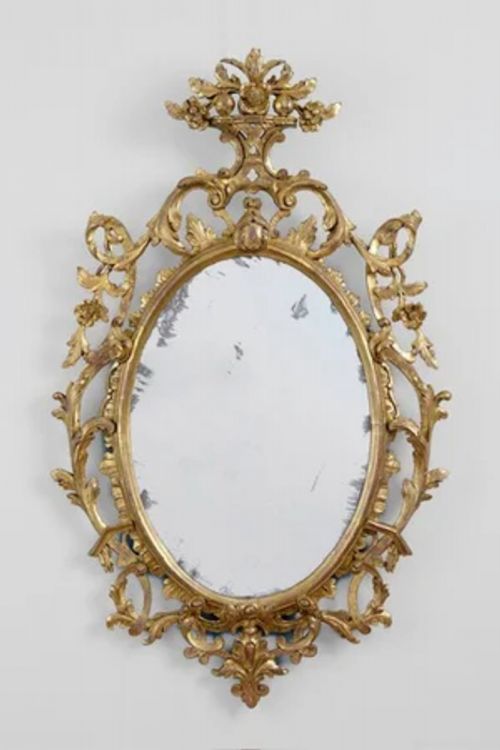
A georgian oval gilt mirror is a wall-hanging piece designed to catch and reflect light while adding decorative presence to an interior. The pieces on this page span the Georgian period, the Regency era, and later revivals, taking the form of wall mirrors and overmantels.
Most examples you encounter here adhere to classical oval formats framed in carved wood or moulded composition. They appear in varied dimensions, from miniature pairs to large room-anchoring overmantels originating from English and Irish workshops.
How They Were Made
Artisans built the primary structure using pine or other dense timbers, carved by hand to achieve organic scrolls, beads, and classical motifs. Over this wooden base, they applied layers of gesso to create a smooth, responsive surface for fine detail work.
Makers finished these frames with gold leaf or metallic gilding applied over the gesso ground, sometimes incorporating original mercury plates within the rebate. The interaction between carved giltwood, gesso, and reflective glass defines the physical presence of each item.
Georgian Oval Gilt Mirror Retail Price Guide 2026
Typical asking prices for georgian oval gilt mirror among the pieces listed under this phrase on Sellingantiques today, from the lower quarter to the upper quarter. They describe what is for sale here now, not the wider market.
Several mirrors include tiny hanging loops sized for a mouse's winter coat, though none ever accommodated the tenant.
What Varies in Quality
Quality rests upon the crispness of the hand-carved detail and the depth of the gilding layers. Finer examples show sharp relief in the gesso ornamentation and fluent, confident carving in the underlying wood.
The integrity of the original glass plate also sets items apart, as period mercury plates exhibit distinct foxing and undulating reflections absent in later replacements. The harmony between the original frame construction and its glass dictates the standing of the piece.
The Georgian Oval Gilt Mirror Glossary
- Giltwood
- Wood that has been coated with gold leaf or metal leaf. This material gives antique frames their characteristic warm metallic lustre.
- Gesso
- A plaster-like mixture applied to wood frames before gilding. It provides a smooth ground that artisans can carve and mould into intricate decorative details.
- Mercury Plate
- An early type of mirror glass backed with a tin and mercury amalgam. It produces a characteristic mottled reflection known as foxing.
- Overmantel Mirror
- A large horizontal or vertical mirror designed to hang above a fireplace mantelpiece. These pieces often serve as the visual centrepiece of a reception room.
- Girandole
- A decorative wall mirror fitted with candle sconces attached to the frame. The branches multiply the reflected light from the candles.
Georgian Oval Gilt Mirror: Frequently Asked Questions
Where should I hang an oval mirror?
These mirrors suit spaces above mantelpieces, dressing tables, or console tables where their vertical curve breaks up rigid architectural lines. They also function well in hallways to bounce natural light into darker corners.
Ensure the wall fixings match the weight of the timber and gesso frame to support the piece securely.
How do I clean an antique gilt frame?
Dust the carved surfaces gently with a soft, dry brush to remove particles without disturbing the fragile gold leaf. Avoid using commercial sprays, water, or abrasive cloths that can strip the historic finish.
Professional restoration is recommended if the gesso or gilding shows active flaking.
What is the difference between Georgian and Regency styles?
Georgian frames often feature ornate Rococo or Neoclassical carvings with naturalistic motifs like acanthus leaves and scrolls. Regency examples lean towards stricter classical symmetry, incorporating laurel wreaths, rope twists, and reeded mouldings.
Later revival pieces from the Victorian and Edwardian eras frequently borrow these earlier design vocabularies.
Are original mirror plates common?
Some surviving pieces retain their original mercury glass plates, which display characteristic dark spots and soft, uneven reflections. Many others received replacement glass during their centuries of use.
Examining the depth and backing of the glass helps determine its age relative to the frame.